Barrel Co-Rotating Twin Screw Extruder: A Comparative Study
Related news
-
Injection Molding Screw Barrel Design: Key Factors and Tips
-
Exploring Twin Screw Feeder Design: Key Components and Engineering Considerations
-
Understanding the Critical Role of Injection Molding Screws and Barrels
-
Why Expert Screw and Barrel Repair is Crucial for Industrial Efficiency

-
Understanding Bimetallic Screw and Barrel: A Comprehensive Guide
-
Twin Screw and Barrel Wear Solutions for Highly Filled Materials
Barrel Co-Rotating Twin Screw Extruder: A Comparative Study


Introduction to Co-Rotating Twin Screw Extruders and Barrel Systems
Co-rotating twin screw extruders are now a basic tool in plastic factories all over the world. They mix, blend, and process many different materials fast and well. People use them for compounding, masterbatch making, and heavy-shear jobs. The twin screw barrel is the heart of the whole machine. Its quality decides how smooth the run is and how long the extruder lasts.
What is a Co-Rotating Twin Screw Extruder?
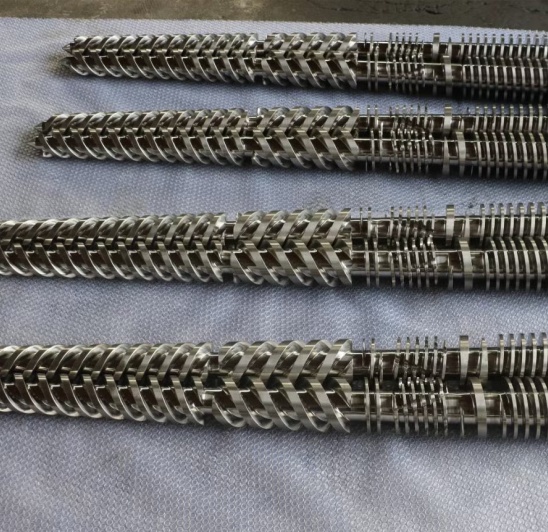
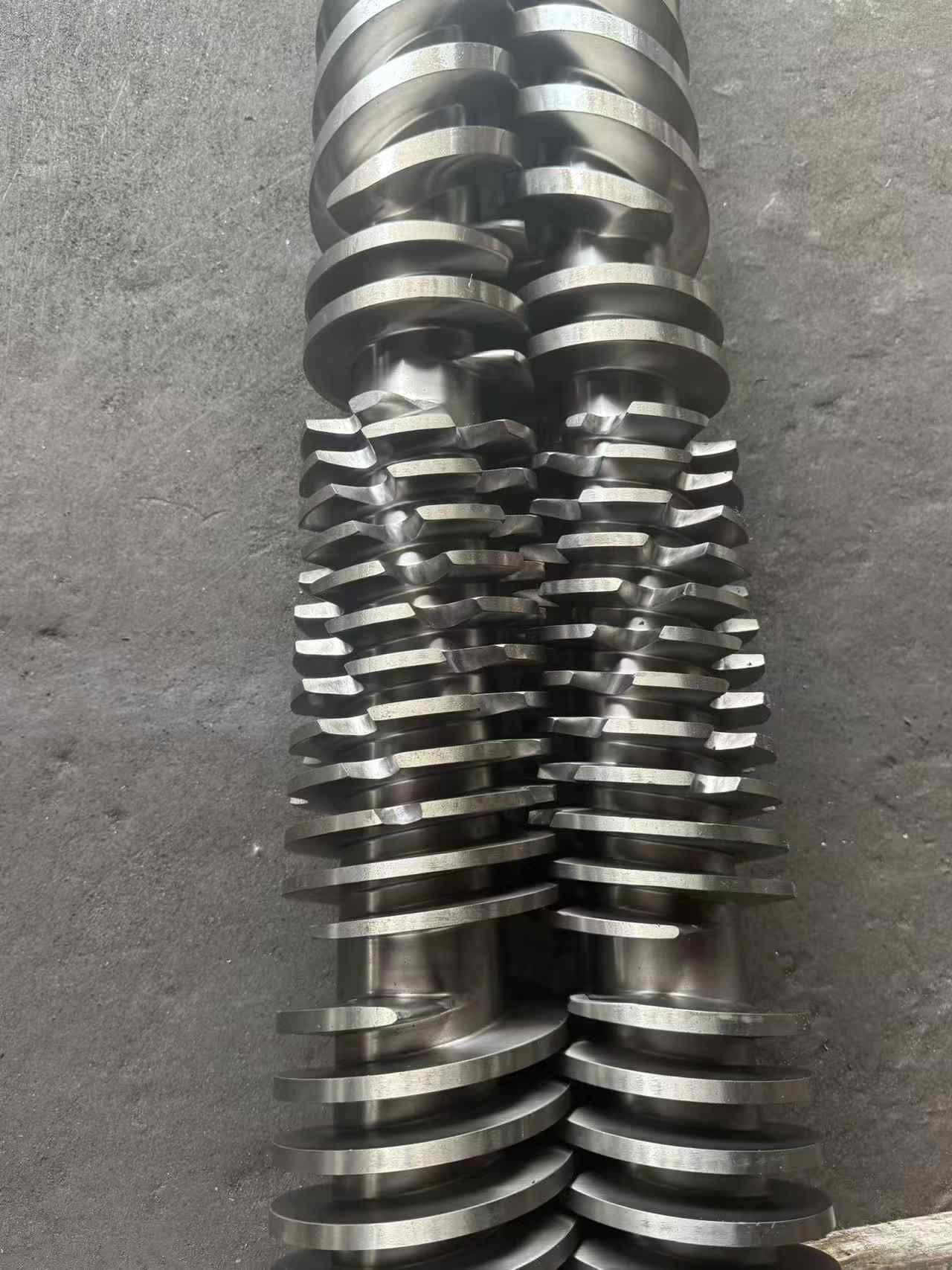
A co-rotating twin screw extruder has two screws that turn the same way. This setup gives strong mixing and high shear. It works great when you need everything blended perfectly. You can feed engineering plastics, color masterbatch, or recycled material – the machine handles them all.
When you compare it to counter-rotating machines, the co-rotating type mixes better and runs faster. The screws help each other push and knead the material. The result is even melting and less power use. Factories that run day and night love this design.
The Role of the Barrel in Twin Screw Extruders
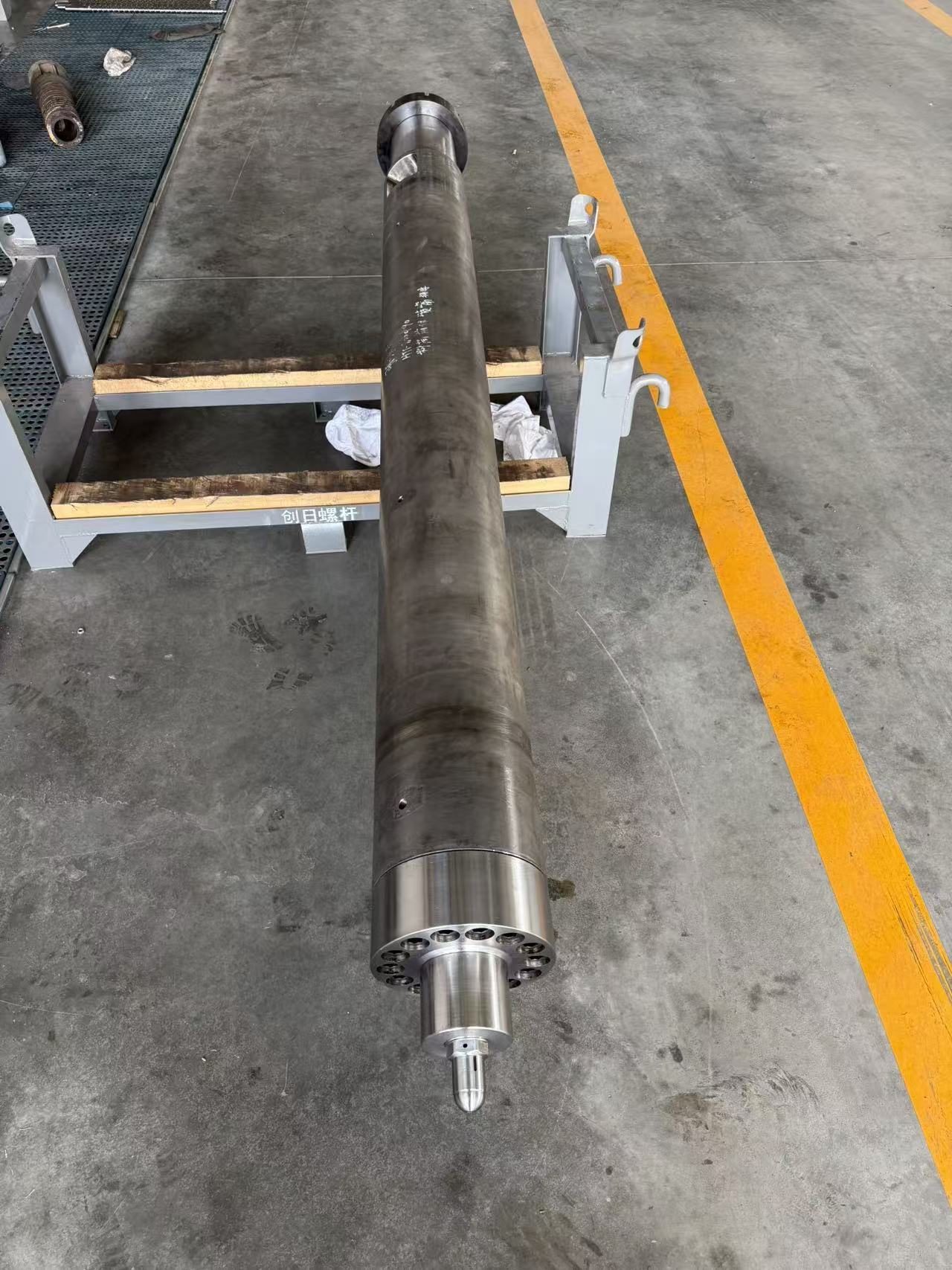
The barrel is not just a tube. It heats, cools, and guides the plastic all the way through. A good barrel keeps the temperature steady and stops material from sticking or burning. It also has to fight wear from glass fiber or hard fillers every day.
The barrel and screws must fit perfectly. If the gap is wrong, you lose pressure or damage parts fast. In hot runs, the barrel takes huge heat and force. Only tough steel and smart coatings can survive.
The Structure and Design of Co-Rotating Twin Screw Barrels
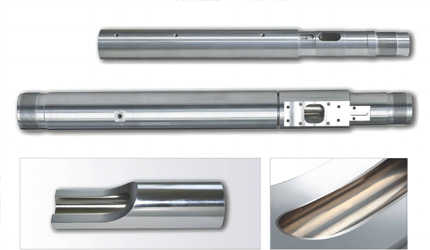
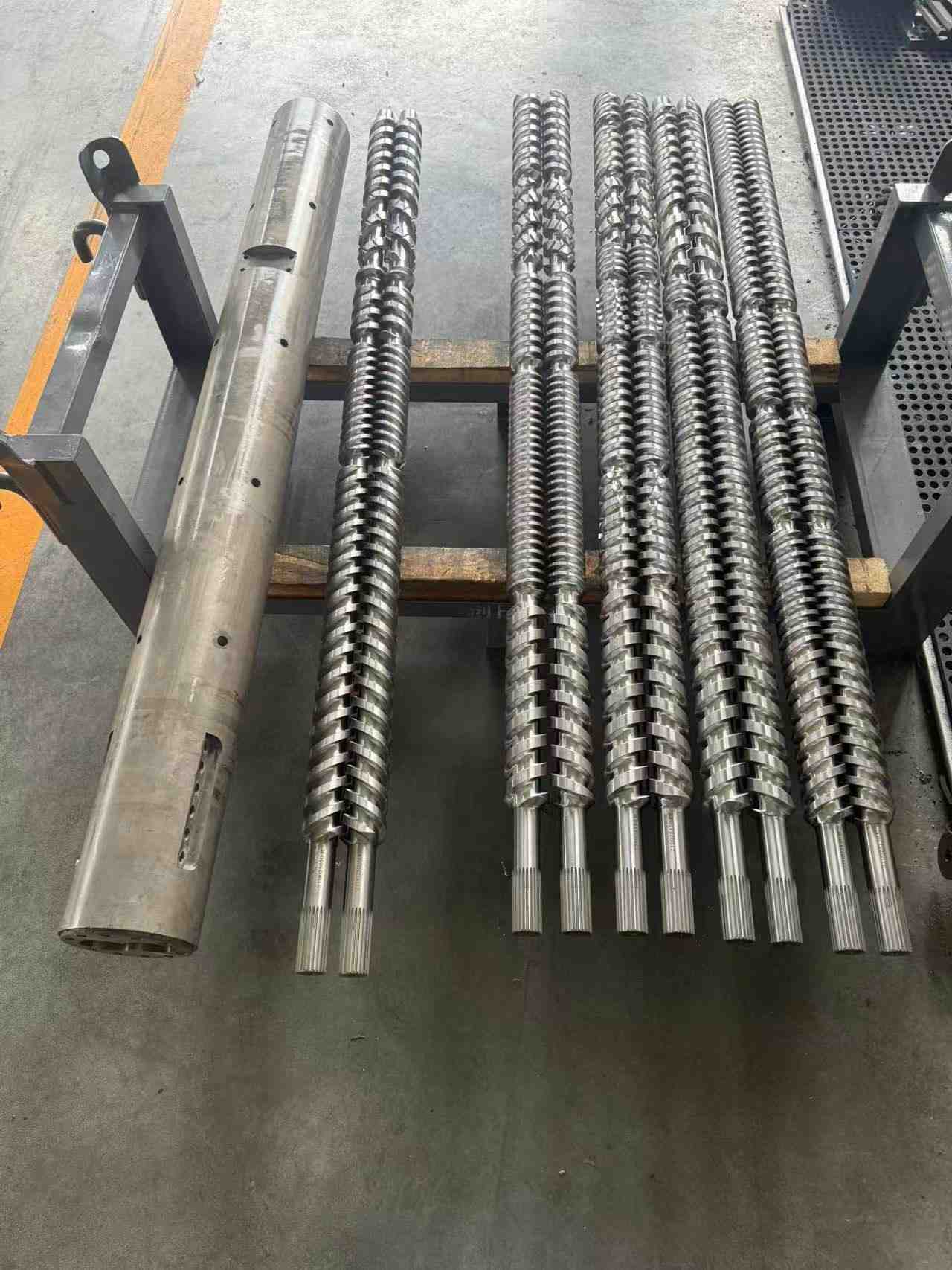
Most co-rotating barrels come in pieces. You can open them, clean them, or change sections easily. Cooling channels run inside the walls so heat leaves quickly. The inside surface stays smooth to let plastic slide without trouble.
Companies like CHUANGRI SCREW use special steel and exact grinding. The finish can reach Ra ≤ 0.4 μm. Common steels are 38CrMoAlA, 42CrMo, and SKD61. These steels stay hard even after thousands of hours.
Comparative Analysis: Co-Rotating Twin Screw Barrels vs Other Barrel Types
Knowing the real differences helps you pick the right machine for your job.
Co-Rotating vs Counter-Rotating Twin Screw Barrels
Co-rotating barrels turn both screws in the same direction. You get strong mixing and high output. Perfect for color compounding or filled plastics. Counter-rotating barrels turn screws opposite ways. They build high pressure but mix less. Some PVC pipe factories still like them.
Co-Rotating Twin Screw Barrels vs Single Screw Barrels
Single screw barrels cost less and stay simple. They work fine for clean PE or PP film. But they cannot mix fillers or colors well. Co-rotating twin screw barrels handle hard jobs. Glass fiber, flame retardant, or wood-plastic compound – no problem. The twin screws knead everything evenly.
Co-Rotating Twin Screw Barrels vs Conical Twin Screw Barrels
Conical barrels get narrower at the end. Many PVC profiles and pipelines use them. They build pressure easily with soft PVC powder. Co-rotating barrels stay the same diameter all the way. They give a steady flow and work better with pellets or high-fill materials.
Barrel Materials, Wear Resistance, and Heat Treatment Technologies
The steel you choose decides how long the barrel lives.
Material Selection for Co-Rotating Twin Screw Barrels
Factories pick 38CrMoAlA, 42CrMo, or SKD61 because they stay strong under heat and pressure. Some add a bimetallic liner or tungsten carbide layer inside for extra fight against wear.
Nitriding vs Bimetallic Barrel Coatings
Nitrided barrels get hard only on the surface – about 0.5–0.8 mm deep. This is enough for normal compounds and costs less. Bimetallic barrels have a full thick layer of special alloy like Ni60 or X800. Glass fiber or calcium carbonate cannot eat them fast. They cost more but last two or three times longer.
Wear Resistance Solutions for Co-Rotating Twin Screw Barrels
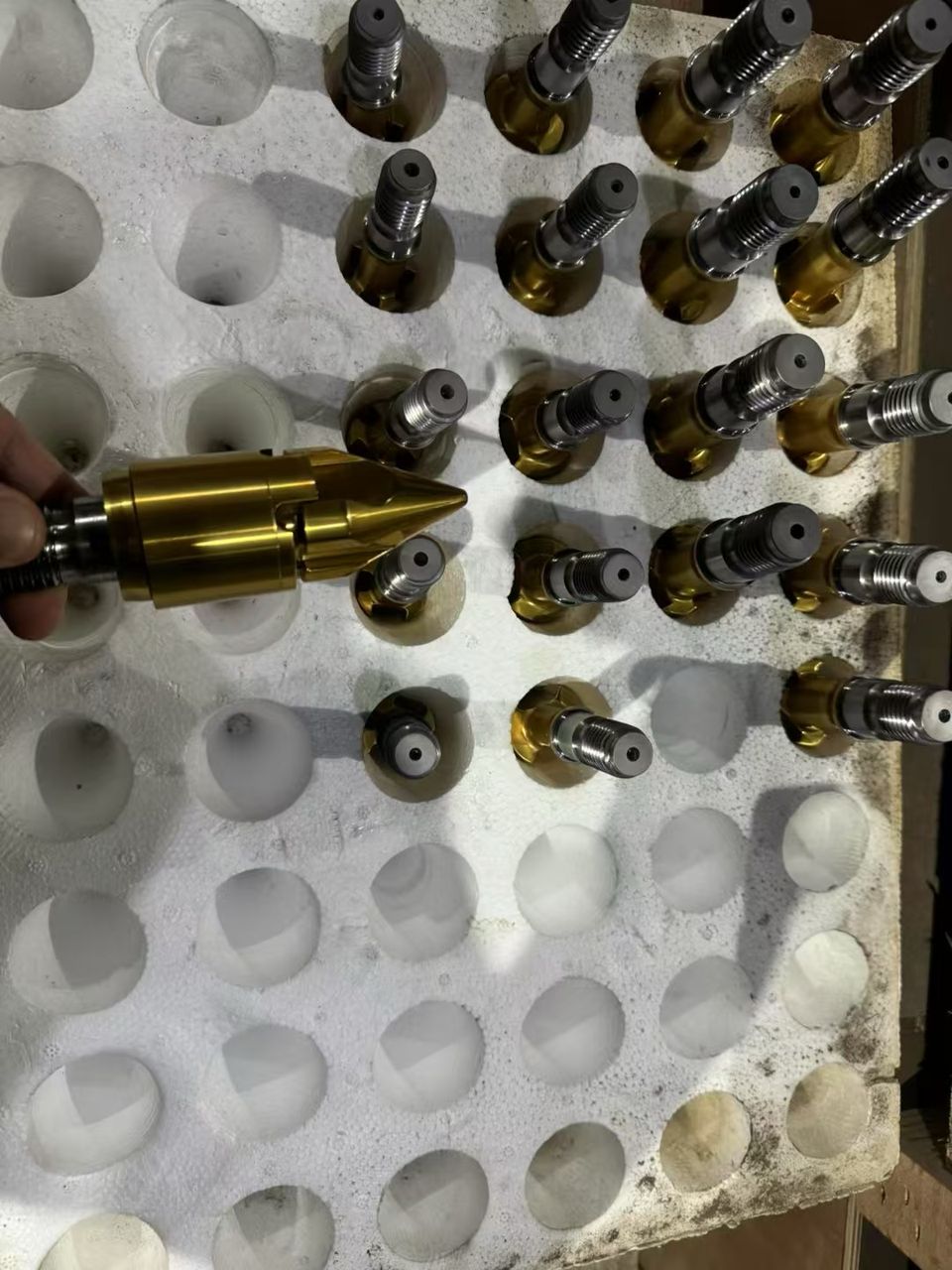
New coating ways like HVOF spray or centrifugal casting give super-hard skin. CHUANGRI SCREW uses these methods so the barrel keeps its shape even after tons of abrasive material.
How to Choose the Right Barrel for Your Co-Rotating Twin Screw Extruder
A wrong barrel costs you money every day.
Evaluating Process Requirements for Barrel Selection
Look at your material first. Lots of glass fiber? You need a bimetallic liner. Clean polymer only? Nitriding is enough. Think about the L/D ratio and compression. Long mixing jobs need a higher L/D. Fast color change needs an easy-clean surface.
Barrel Specifications to Consider Before Purchase
Check inside finish – smoother is better. The gap between the screw and the barrel must stay exact. Pick steel that fights your filler best.
CHUANGRI SCREW’s Co-Rotating Twin Screw Barrel Solutions
CHUANGRI SCREW has made screws and barrels for over 30 years. We know every trick to make them last.
Advanced Barrel Technologies from CHUANGRI SCREW
We start with top steel – 38CrMoAlA and SKD61. Then we add nitriding or a full bimetallic liner. Every barrel gets strict checks before it leaves the factory.
Custom Barrel Design and Manufacturing
Your material is special, so your barrel should be too. We change length, coating, cooling layout – anything you need. You tell us the job, and we build the barrel that fits perfectly.
FAQ: Co-Rotating Twin Screw Extruder Barrels
Q: How long does a co-rotating twin screw barrel last?
A: Normal nitrided barrels run 1–2 years with filled material. Bimetallic barrels often go 3–5 years or more, depending on how much glass or filler you use.
Q: What is the difference between nitrided and bimetallic barrels?
A: Nitriding makes the top skin hard. Bimetallic barrels have a thick layer of super alloy inside. Bimetallic wins when you run heavy abrasive compounds.
Q: How do I choose the right barrel for my twin screw extruder?
A: Look at your material, filler level, and output goal. Glass fiber or high CaCO3 needs bimetallic. Clean polymer can stay with nitrided.
Q: What materials require a bimetallic barrel?
A: Anything with glass fiber, mineral powder, or high calcium carbonate eats normal barrels fast. Bimetallic is the safe choice.
Q: Can I replace just the barrel in a twin screw extruder?
A: Yes. Just make sure the new barrel matches your screw diameter and gap exactly. CHUANGRI SCREW can copy your old size perfectly.

 consult
 WHATSAPP
 leave message
 top
top