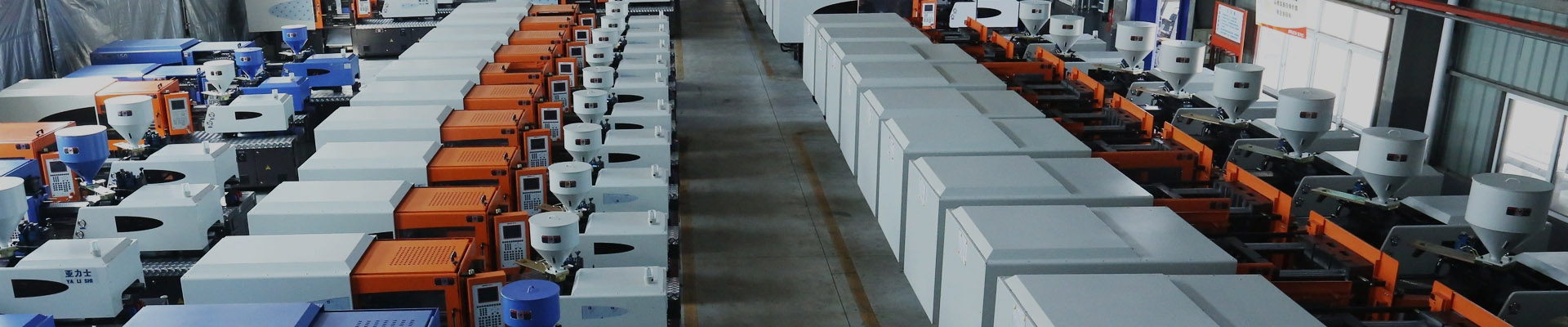
Understanding the Critical Role of Injection Molding Screws and Barrels
Related news
-
Injection Molding Machine Screw Barrel Material Hardness: How to Choose for Maximum Wear Resistance
-
Injection Molding Screw and Barrel: The Selection Criteria in 2026
-
Twin Screw and Barrel Selection Tips 2026 for High-Performance Extruders
-
Bimetallic Screw Barrel Manufacturer Strategies for Precision Gains
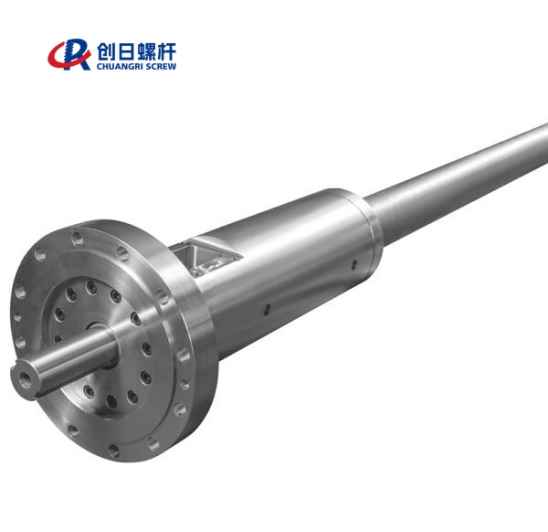
-
Injection Molding Screw and Barrel Design Explained: Innovations for 2026
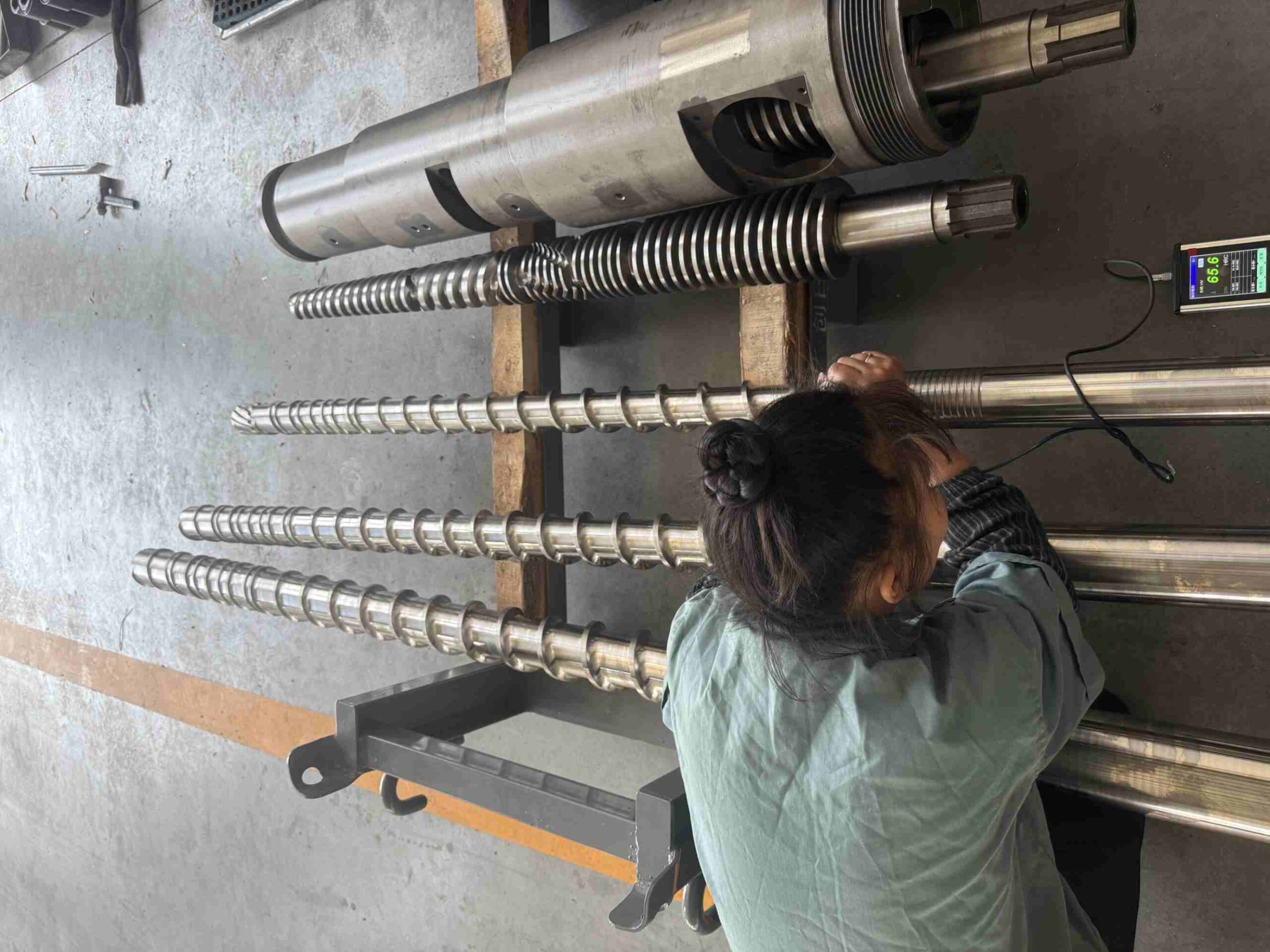
Understanding the Critical Role of Injection Molding Screws and Barrels


Key Functions of Injection Molding Screws and Barrels in Melt Preparation and Injection Performance
Injection molding screws and barrels play a vital part in turning plastic resin into a steady, even melt. This supports accurate manufacturing. Their design decides if resin moves, melts, mixes, and gets pressurized in a reliable way. It needs to fit quick-cycle, close-tolerance production needs. The plasticizing unit controls the whole melt preparation process. So, any shortcoming in the screw or barrel shows up right away as product flaws, uneven cycles, or high energy use.
How the Screw–Barrel System Converts Solid Resin into a Stable, Homogeneous Melt
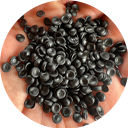
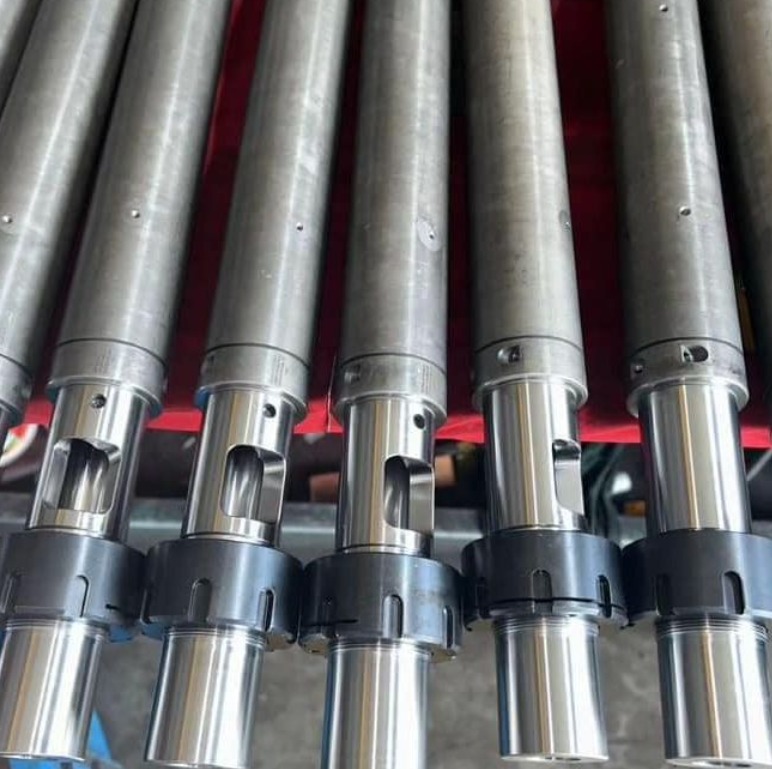
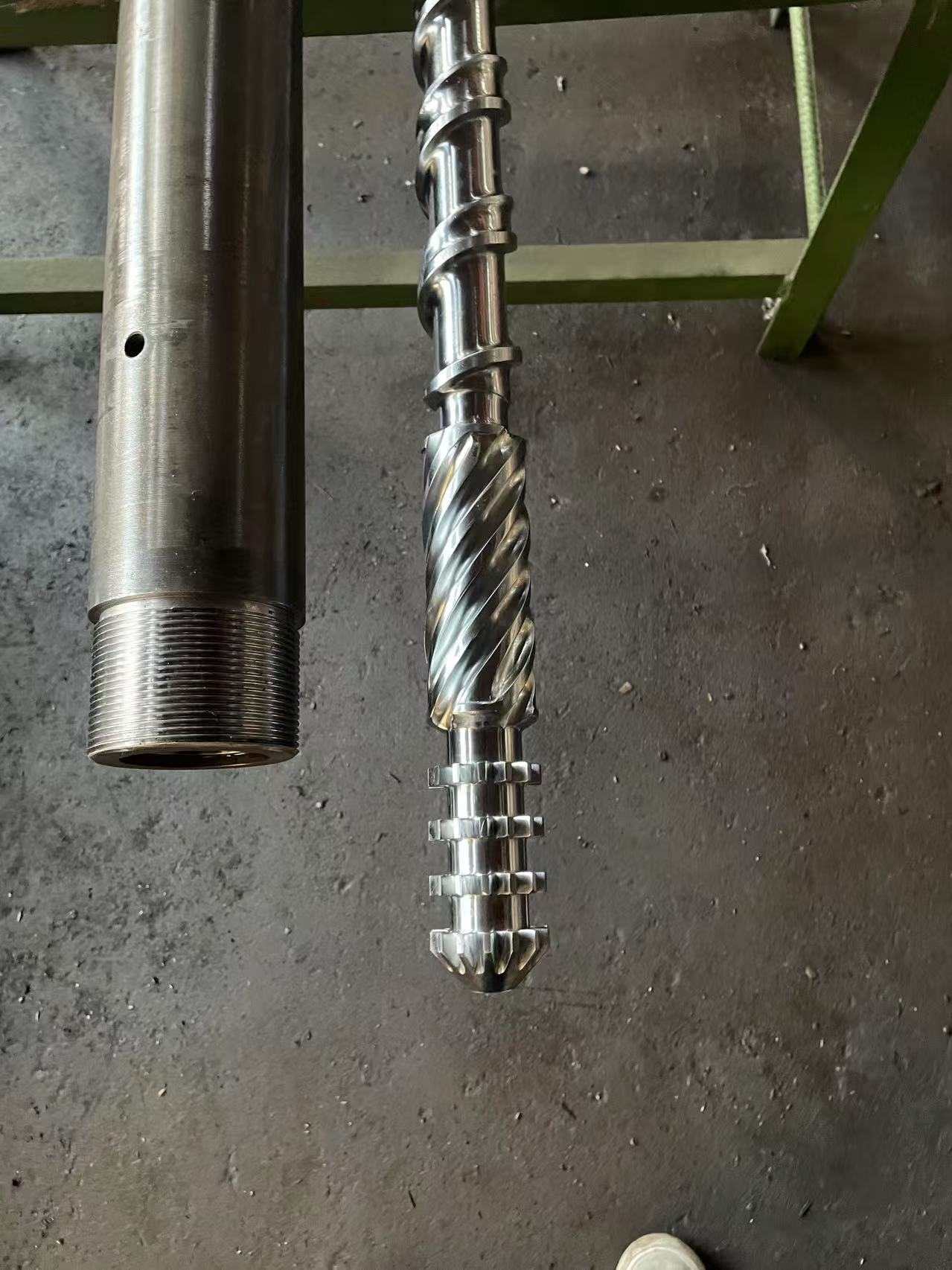
The injection molding screw has to turn solid resin pellets into an even melt. It does this by managing shear heat, residence time, and compression inside the barrel. This setup follows a three-zone pattern: feeding, compression, and metering. It shows how resin changes from a solid to a molten state. When the screw geometry matches the resin well, the melt temperature stays more even. Additives spread out properly. The final injection shot gets a steady viscosity. These links make clear why better screws and barrels can greatly boost melt preparation. This helps a lot with engineering plastics or filled materials.
Why Pressure Stability, Shear Heat, and Melt Uniformity Depend on Screw–Barrel Engineering
Pressure stability in the barrel depends on how the screw creates shear. It also relies on handling backpressure and clearing dead spots where unmelted resin could build up. A well-made barrel with close internal tolerances ensures steady heat transfer and alignment. This cuts down on changes during plasticizing and injection. Such exact engineering matters to avoid short shots, burn marks, splay, and size differences. As production speed goes up, the melt preparation system plays a bigger role in keeping stable injection work.
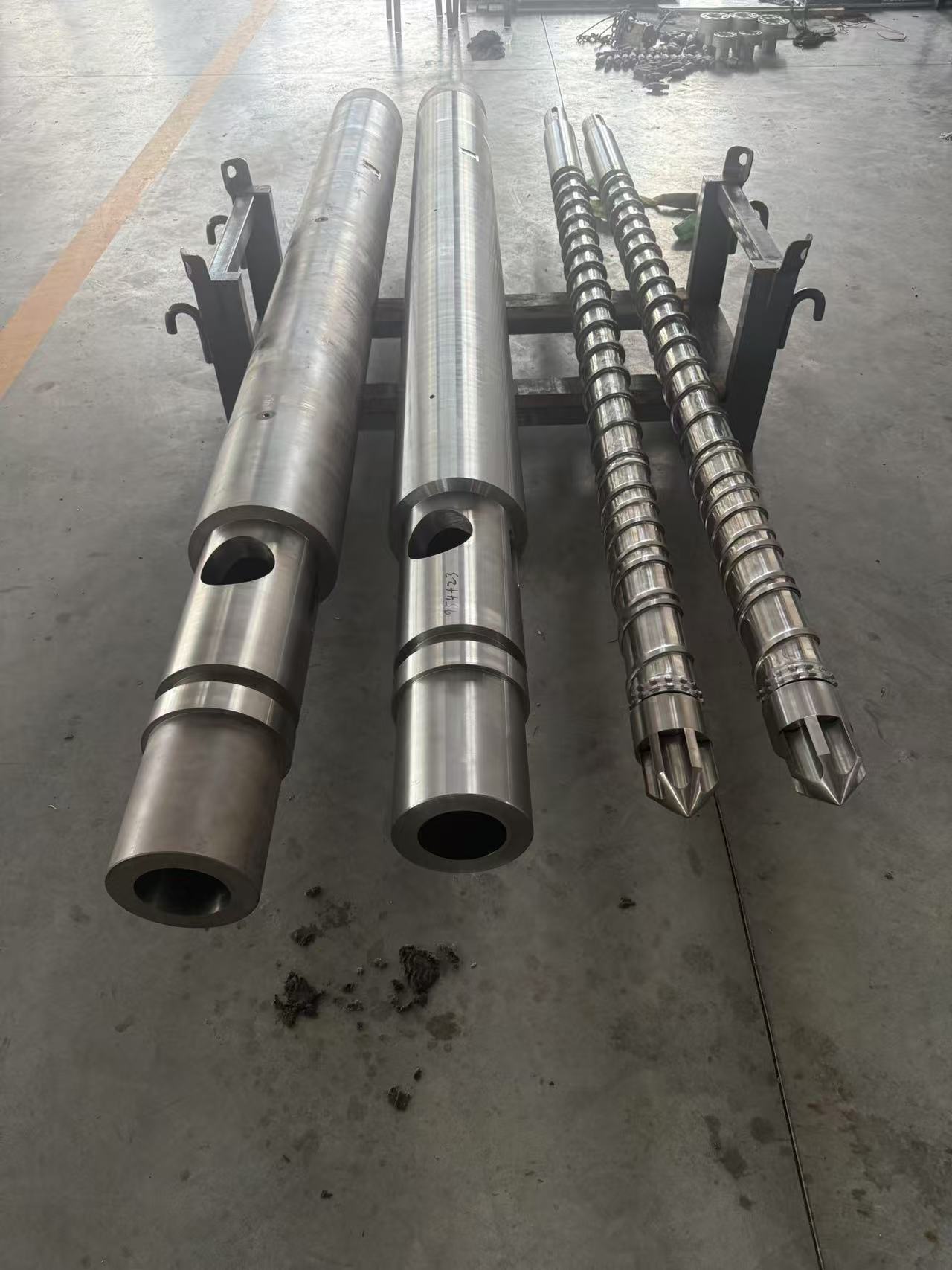
Engineering Design Factors That Influence Screw and Barrel Efficiency in Injection Molding
The design of injection molding screws and barrels sets how well the machine handles resin in tough production settings. Each part of the structure, from screw length to barrel liner material, affects melt quality, energy use, and equipment life.
Screw Geometry Essentials: L/D Ratio, Compression Ratio, Pitch, and Mixing Sections
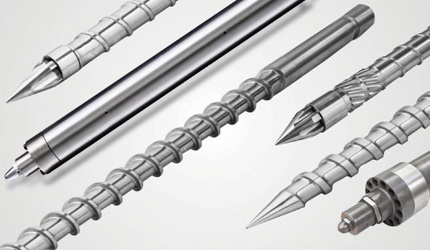
Screw geometry affects how resin melts, mixes, and settles before injection. The L/D ratio sets residence time. The compression ratio decides how firmly solid resin packs during melting. Pitch and channel depth shape shear creation. Special mixing sections can improve pigment spread or fiber placement. For instance, CHUANGRI SCREW’s Nitrided Injection Molding Screw uses tuned channel depths and a managed compression setup. This lets it handle general-purpose resins and some glass-fiber content with better melt evenness.
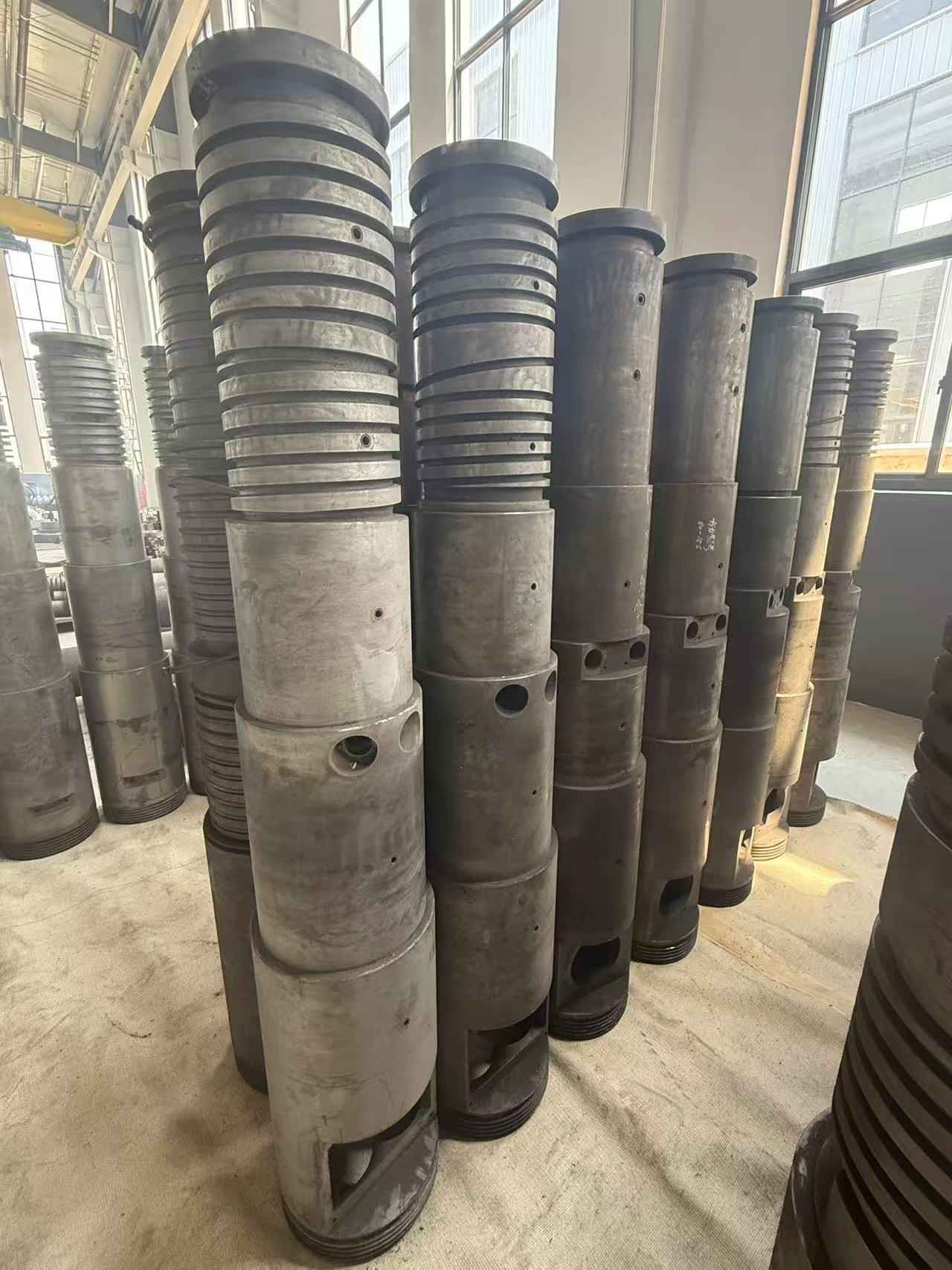
Barrel Construction: Heating Zones, Bore Precision, and Wear-Resistant Liners
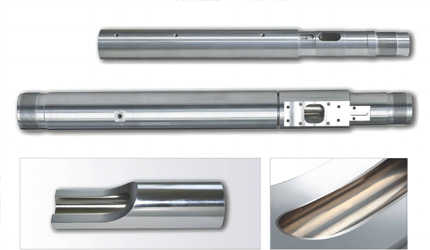
Barrel design impacts heat transfer, size stability, and how well the screw fits the barrel. Multi-zone heaters need to give exact thermal patterns. The inner bore calls for fine polishing to stop resin buildup and breakdown. Wear-resistant liners like bimetallic alloys lengthen barrel life. This helps especially with rough fillers or harsh additives. Bore accuracy also boosts energy savings. A closer fit improves shear steadiness and cuts heat loss during plasticizing.
Material Selection and Surface Treatments for High-Wear Injection Molding Environments
Choices for material and surface treatment matter a lot. They resist strong mechanical and thermal pressures in the plasticizing unit. Tool steels, alloy steels, and special powder-metal alloys balance hardness and strength in different ways. Surface treatments help the screw and barrel stand up to wear, rust, and heat.
Comparing Nitrided, Bimetallic, and Solid Carbide Screw–Barrel Options
Nitrided surfaces give good value for cost and performance. They suit unfilled or lightly filled resins. Bimetallic builds, like CHUANGRI SCREW’s Bimetallic Injection Molding Screw, add rust- and wear-proof alloys on key wear areas. This extends life a lot in glass-fiber or mineral-filled uses. Solid carbide setups provide top hardness for very rough resins. They support long run times with little size change.
Heat Treatments and Coatings That Extend Operational Lifespan
Heat treatments like quenching and tempering build up the screw’s core strength. Advanced coatings, such as chrome plating and alloy welding, raise surface hardness and wear resistance even more.
Production Benefits of Optimized Injection Molding Screws and Barrels
Better injection molding screws and barrels bring clear gains in output, product quality, and cost savings over time. The plasticizing unit sits at the heart of the injection molding machine. So, even minor gains in melt handling can lead to big work benefits.
Faster Plasticizing and More Stable Cycles for Higher Throughput
Tuned screw geometry raises melting efficiency. This lets the machine plasticize resin at lower barrel temperatures. It also speeds up screw recovery. These changes cut cycle times. They have lower energy needs per shot. Good barrel alignment and closer internal tolerances reduce pressure changes in injection. This supports steady performance from cycle to cycle, even at faster output.
Improved Melt Quality for Better Part Consistency and Reduced Defect Rates
Production quality gains from better melt mixing. This boosts size stability, surface finish, and strength. Better pigment spread and filler placement cut flow lines, streaks, and color issues. When melt quality stays steady, scrap drops. Post-processing steps like trimming or fixing are getting less common. For makers wanting top melt evenness, CHUANGRI SCREW’s Solid Carbide Screw gives great stability with engineering and high-glass-fiber materials.
Lower Maintenance Frequency and Reduced Operating Costs Through Better Wear Control
Wear-proof screws and barrels cut downtime from part swaps or performance drops. They keep their internal shape longer. This steadies energy use, lowers resin breakdown, and avoids uneven melting. These work perks mean less maintenance work, longer times between fixes, and steady costs for ongoing runs.
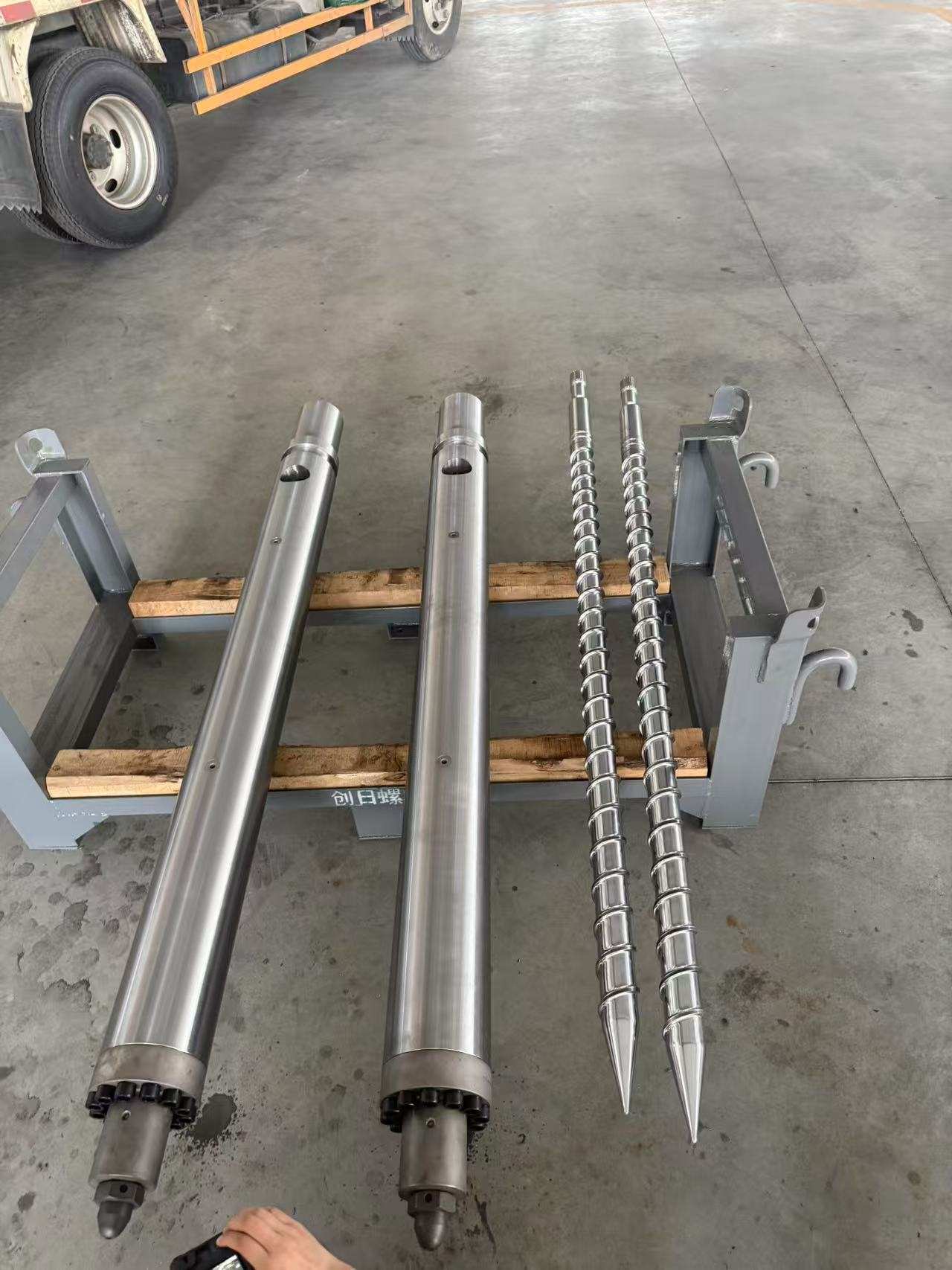
How to Select the Right Injection Molding Screw and Barrel
Picking the right screw and barrel means checking resin traits, product needs, and output aims. A standard screw design might not work best if resin thickness, filler amount, or cycle time varies.
Matching Screw Design to Resin Types: Commodity, Engineering, and Filled Materials
Each resin type needs a screw shape fit to its melting habits and shear response. Commodity resins like PP and PE do well with medium compression screws. Engineering resins such as PC, PA, and PBT need managed shear to prevent breakdown. Highly filled or glass-fiber materials require tough barrels and special metering areas. These promote even fiber spread without harming the strength. These points show why many makers use custom screw options for high-performance parts.
Key Indicators of Wear, Misalignment, and Plasticizing Inefficiency
Wear signs include longer recovery times, uneven cushion spots, and higher melt temperatures. They often mean screw flight wear or barrel bore widening. Misalignment can cause shaking, black specks, or early screw harm. When these issues show, checking the screw and barrel assembly becomes key. Fixing the melting efficiency can greatly improve part quality and energy use.
When Custom Screw–Barrel Solutions Provide Significant Performance Advantages
Custom designs help a lot when makers handle various resin types. They also aid in cutting cycle time or fixing ongoing melt issues. Tailored shape allows exact control of shear, backpressure, and melt residence time.
CHUANGRI SCREW Solutions for High-Precision Injection Molding Screws and Barrels
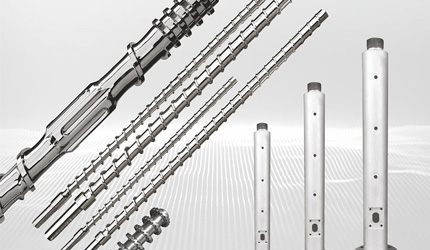
At CHUANGRI SCREW, we build injection molding screws and barrels with exact machining, strong alloy systems, and resin-fit customization. Our plant combines CNC turning, milling, grinding, nitriding, and bimetallic casting. This makes sure every screw and barrel hits strict size and performance standards.
How CHUANGRI SCREW’s CNC Manufacturing and Precision Tolerances Enhance Melt Stability
We apply high-accuracy CNC machining and strict checks to reach close concentricity, steady channel depth, and smooth finishes in the barrel bore. These features back stable melt flow, even shear creation, and better shot-to-shot repeat. Our checks cover coordinate measurement, hardness testing, and clearance checks. They ensure each screw and barrel line up correctly during work.
Advanced Material Systems: Nitrided, Bimetallic, and Carbide Solutions for High-Wear Resins
Our nitrided barrels and screws reach surface hardness up to HV900–1000. This makes them able to manage general-purpose resins with solid durability. For highly filled or rough resins, our bimetallic setups add alloy layers via centrifugal casting or spray welding. This boosts wear and rust resistance a lot. For harsh settings, our solid carbide options give the longest service life with little size shift.
Custom Engineering for Injection Molding Applications
We create custom screw and barrel setups to fit resin response, processing speed, and final product specs. Our team helps with packaging parts, automotive trim, appliance cases, consumer items, and electronics. This tailored method ensures each injection molding run gets steady output, managed melt temperatures, and lower scrap.
FAQ
Q: What are the key factors to consider when selecting injection molding screws and barrels?
A: Key factors include screw geometry, barrel material, surface treatment, resin type, expected cycle time, and wear conditions. Custom solutions from CHUANGRI SCREW can optimize performance for specific applications.
Q: How can injection molding screws and barrels improve production efficiency?
A: Optimized screws and barrels improve melt plasticizing rates, enhance pressure stability, reduce recovery time, and minimize energy consumption, resulting in faster cycles and higher output.
Q: Which type of injection molding screws and barrels is best for abrasive or glass-filled materials?
A: Bimetallic and solid carbide configurations—such as those engineered by CHUANGRI SCREW—are ideal because they offer superior abrasion resistance and long-term dimensional stability.
Q: How do I know when injection molding screws and barrels need replacement?
A: Signs include rising melt temperature, inconsistent shot size, slower screw recovery, increased defects, and excessive energy consumption. These symptoms often indicate wear or misalignment.
Q: What advantages do custom injection molding screws and barrels offer compared to general-purpose designs?
A: Custom designs provide improved melt uniformity, better fiber dispersion, lower scrap rates, and reduced cycle times. CHUANGRI SCREW’s tailored geometries ensure optimal performance for resin-specific applications.

 consult
 WHATSAPP
 leave message
 top
top