Bimetallic Screw Barrel Material for High-Wear Extrusion and Injection
Related news
-
Twin Screw and Barrel Optimization for WPC, SPC, and PVC Extrusion Lines
-
Twin Screw and Barrel Troubleshooting: Fix Common Extrusion Problems
-
Bimetallic Screw Barrel Manufacturer Strategies for Precision Gains
-
Essential Parallel Twin Screw Barrel Maintenance for Peak Performance

-
Twin Screw and Barrel Design Guide: Best Practices for PVC Processing
-
Understanding the Critical Role of Injection Molding Screws and Barrels
-
Twin Screw and Barrel Solutions for 2025: Boost Extrusion Output
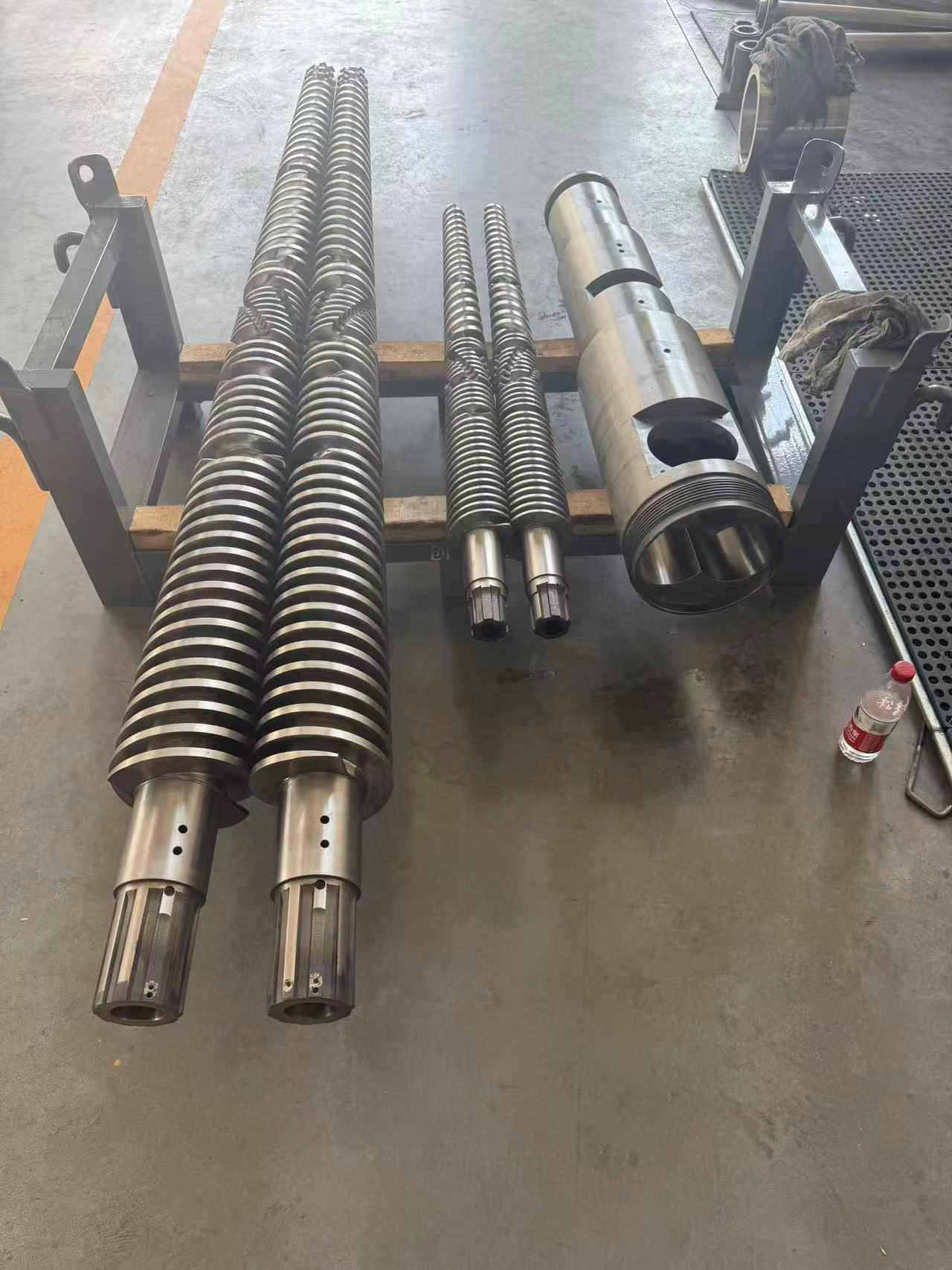
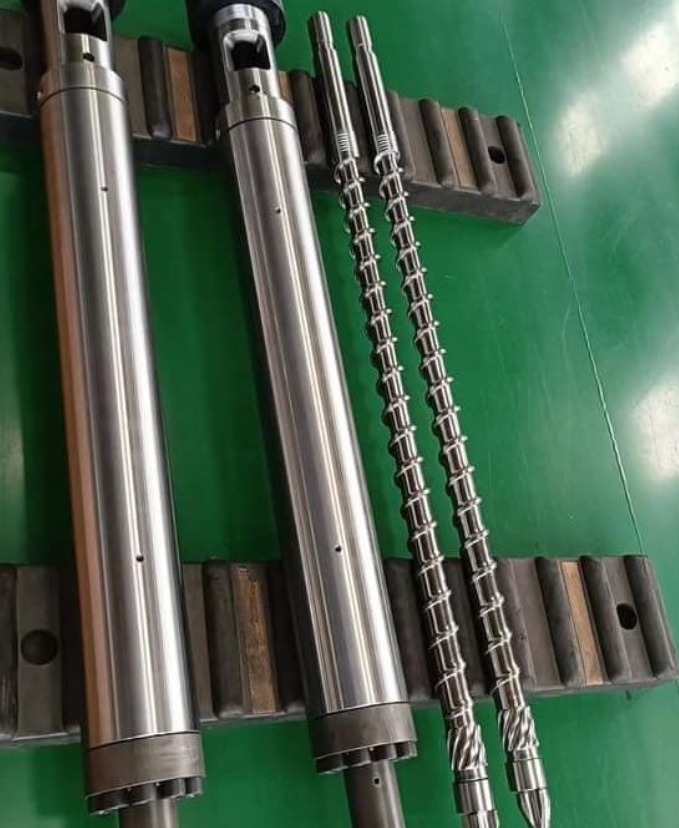
Bimetallic Screw Barrel Material for High-Wear Extrusion and Injection


Bimetallic Screw Barrel Material: Why High-Wear Conditions Change the Equation
Bimetallic screw barrel material selection becomes critical when extrusion and injection processes operate under high-wear conditions. In real production environments, wear rarely comes from a single factor. Abrasive fillers, recycled materials, corrosive additives, and long continuous runtimes often combine to accelerate barrel degradation beyond the limits of conventional designs.
High-wear extrusion and injection lines usually expose weaknesses after months of operation rather than at startup. Once internal surfaces lose dimensional accuracy, processors face output instability, higher scrap rates, and unplanned downtime. These risks explain why bimetallic screw barrel material has shifted from a premium option to a practical engineering necessity.
High-Wear Extrusion and Injection: Typical Wear Mechanisms and Failure Patterns
High-wear extrusion and injection conditions are driven by cumulative damage mechanisms. Abrasive wear dominates when compounds contain glass fiber, calcium carbonate, or mineral fillers that continuously scour the barrel bore. Corrosive wear appears when halogens, flame retardants, or acidic by-products attack metallic surfaces at elevated temperatures.
Thermal and adhesive wear further accelerate degradation in high-output systems. Extended residence times and repeated pressure cycles weaken surface layers, allowing localized scoring to form and directly affecting melt quality and process stability.
Why Conventional Nitrided Barrels Reach Their Limits in High-Wear Applications
Conventional nitrided barrels rely on surface hardening, which improves initial wear resistance but offers limited protection against corrosion or deep abrasive penetration. Once the hardened layer erodes, softer substrate material is exposed, and wear accelerates rapidly.
These structural limits explain why bimetallic screw barrel material, with its engineered liner design, is preferred for applications requiring long-term reliability under demanding conditions.
Bimetallic Screw Barrel Material Fundamentals: Structure, Bonding, and Alloy Logic
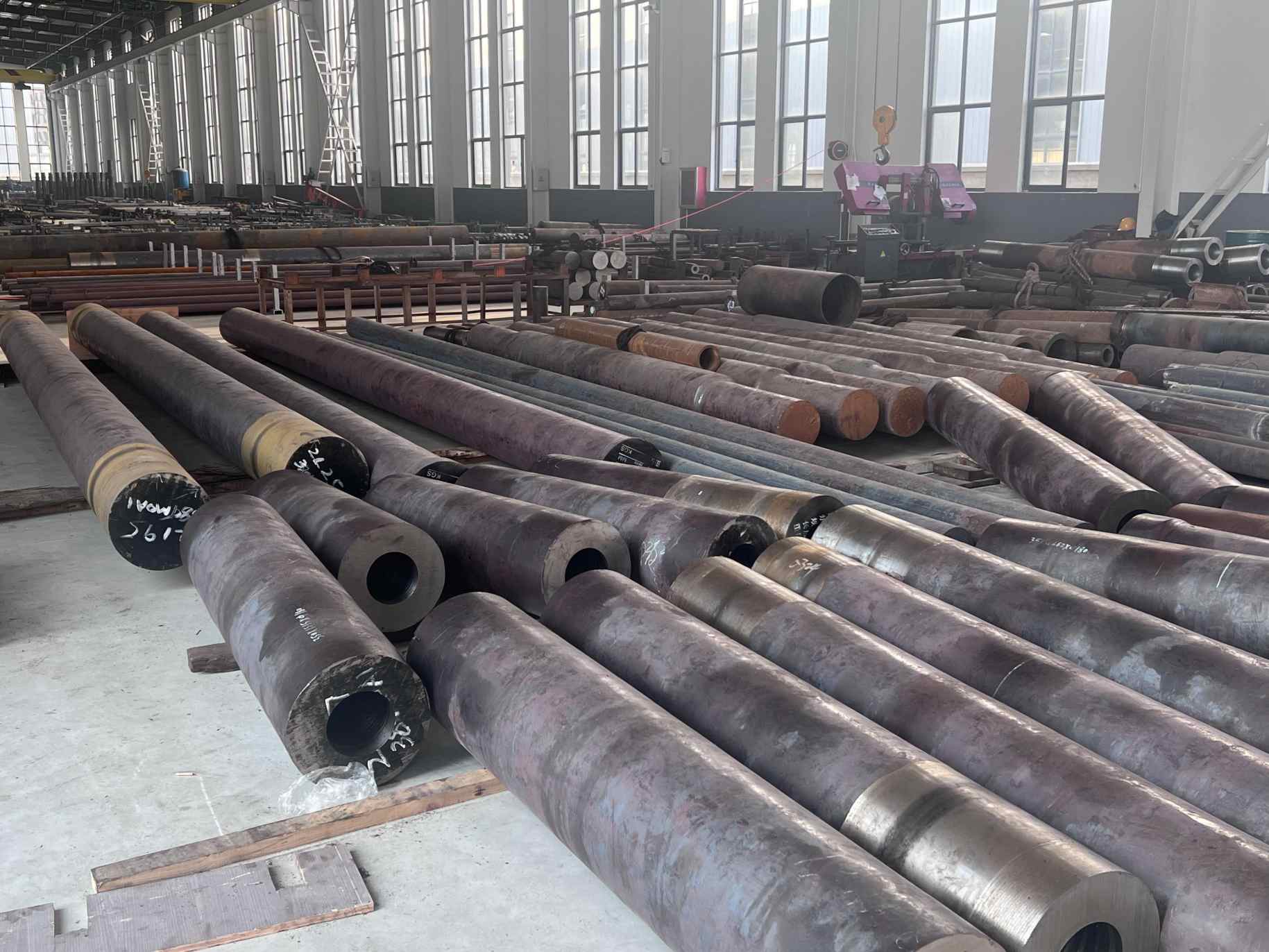
Bimetallic screw barrel material joins two planned material setups into one build. It puts lasting strength at the heart, not just outer care. A strong steel outer part gives force backing. Meanwhile, an inner alloy liner brings wear and rust fight.
Performance depends not only on alloy composition but also on liner bonding quality and manufacturing precision.
What Makes a Barrel Truly Bimetallic: Liner Structure and Metallurgical Bonding
Real bimetallic screw barrel material banks on metal joining, not just fit by force. Methods like centrifugal casting make a thick alloy liner. It melts right into the steel base.
This build stops the liner from pulling away during heat shifts and pressure changes. At the same time, it keeps even heat flow and size stability throughout the full use time.
Nickel-Based Matrix and Hard Particle Distribution in Bimetallic Liners
Most high-performance bimetallic liners use a nickel-based alloy matrix reinforced with hard particles. The matrix provides corrosion resistance and toughness, while embedded carbides enhance abrasion resistance.
Balanced particle distribution is essential. Excessive hard particles reduce toughness, while insufficient reinforcement compromises wear resistance. Effective alloy design maintains this balance across varied processing conditions.
Comparing Bimetallic Screw Barrel Material Options for Extrusion and Injection
Not every bimetallic screw barrel material works the same in extrusion and injection jobs. Choice must weigh gaps in process flow, load ways, and wear shapes. This avoids picking too much or too little spec.
Wear Resistance vs Corrosion Resistance in Different Material Systems
High-carbide setups shine in rough spots. But they might lag in rust-heavy ones. Rust-fight alloys, on the other hand, might give up some scrape fight. Fitting material traits to mix recipe and run heat is key. It leads to steady use time you can count on.
Performance Differences Between Extrusion and Injection Processing
Extrusion setups face steady shear and heat load. Injection molding deals with repeating pressure jumps and often starts and stops. These gaps shape liner depth, alloy pick, and inner design needs.
How Material Selection Impacts Barrel Life and Process Stability
Picking material shapes not just barrel lasting time. It also sways process steadiness. Even inner shape aids smooth melt flow and pressure hold. Uneven wear, though, raises waste levels and run-of-the-mill dangers.
Application-Driven Selection: Matching Bimetallic Materials to Real Processing Conditions
Choice based on use ties bimetallic screw barrel material to exact process hurdles. It skips broad specs. This boosts lasting trust.
High-Filler and Reinforced Plastics in High-Wear Processing
High-filler and reinforced plastics generate intense abrasive forces. In these applications, bimetallic screw barrel material with enhanced abrasion resistance maintains dimensional accuracy under sustained high-output operation.
Recycled and Reprocessed Materials with Unstable Wear Profiles
Recycled materials introduce contaminants and inconsistent particle sizes that accelerate localized wear. Tough, wear-tolerant bimetallic liners reduce sensitivity to feedstock variability and extend usable barrel life.
Corrosive and Heat-Sensitive Polymers Requiring Balanced Material Design
Harsh and heat-tender polymers need even liner builds. They must fight chemical hits without losing force strength. This makes sure steady work over long make cycles.
Evaluating Bimetallic Screw Barrel Material from a Total Cost Perspective
Checking bimetallic screw barrel material by full ownership cost gives a sharper choice guide than the start cost by itself.
Initial Material Choice Versus Long-Term Operating Cost
Bigger start-up spend often leads to lower run costs. It does this by cutting stop times, fixing needs, and work tied to barrel swaps.
How Stable Materials Reduce Downtime and Process Risk
Steady bimetallic liners aid known runways. They cut restart losses, plastic waste, and quality check work. This holds true in tough wear extrusion and injection lines.
Engineering Capability Behind Reliable Bimetallic Screw Barrel Materials
Building skills decides if bimetallic screw barrel material gives steady work in real jobs.
How CHUANGRI SCREW Translates Processing Conditions into Material Decisions
At CHUANGRI SCREW, we start bimetallic screw barrel material choice with a look at true process setups. Mix recipe, filler amount, run heat, and output goals steer material and liner build.
From these points, we offer use-fit fixes such as Bimetallic Twin Screw Extruder Barrel for High-Filler Compounds, Bimetallic Injection Molding Screw Barrel for Reinforced Plastics, and Wear-Resistant Bimetallic Barrel for Recycling Extrusion Lines. Each one plans to tackle set tough wear issues.
Quality Control Across Bimetallic Liner Casting and Barrel Manufacturing
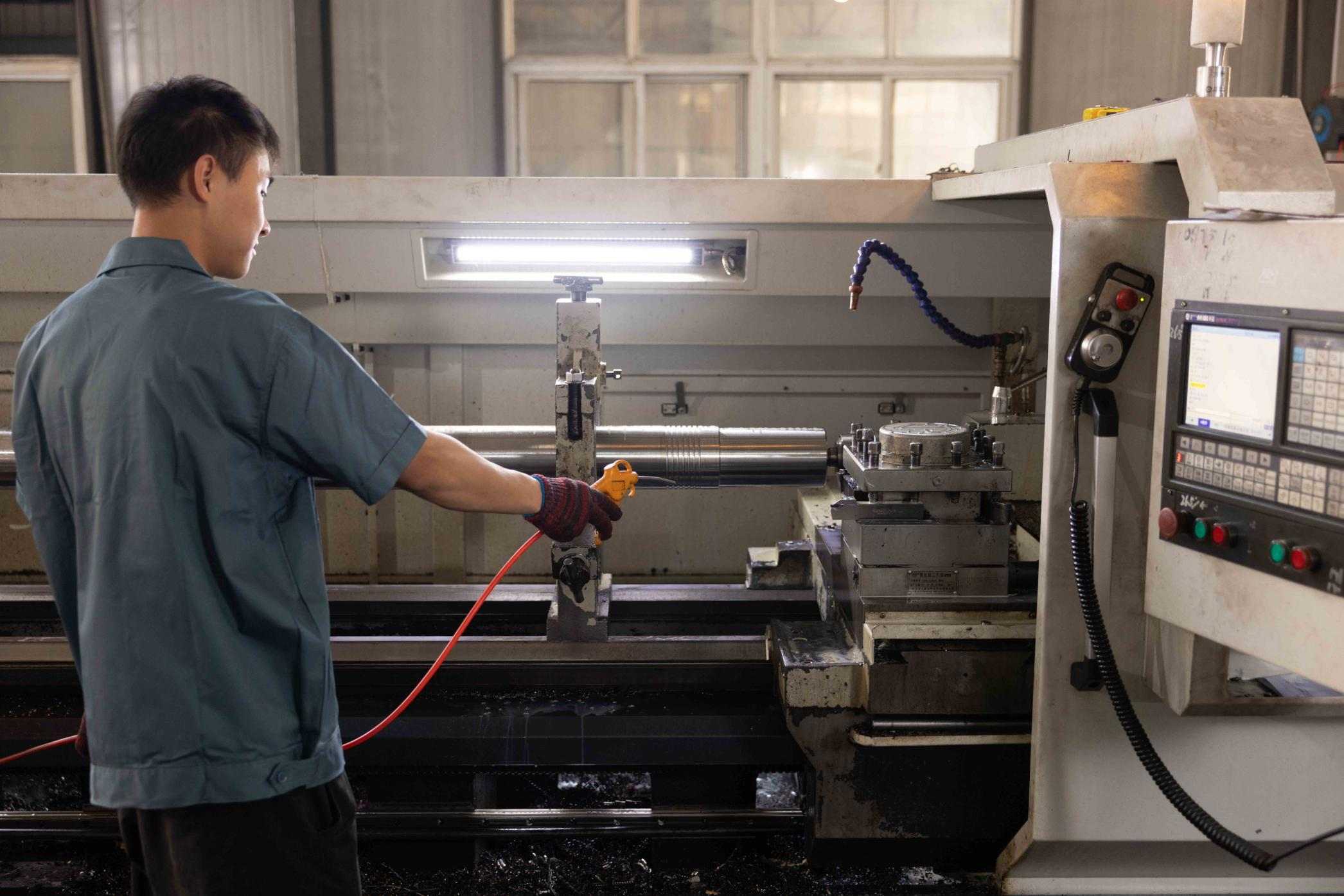
Our make steps stress liner join strength, even alloy spread, and exact shape limits. Check steps to confirm liner depth, center match, and outer finish. They make sure of solid screw-barrel contact.
Supporting Long-Term Performance Through Custom Engineering Feedback
Run input from on-site use shapes ongoing material tweaks and builds gains. It backs lasting work without leaning on broad fixes.
FAQ
Q: What is the best bimetallic screw barrel material for high-wear extrusion and injection?
A: The best bimetallic screw barrel material depends on abrasive content, corrosive additives, and operating temperature. Engineering-driven selection aligned with real processing conditions delivers the most reliable results.
Q: How to choose bimetallic screw barrel material for high-filler plastics?
A: High-filler plastics require liners with strong abrasion resistance and stable metallurgical bonding. Evaluating filler type and throughput helps determine the appropriate liner composition.
Q: Bimetallic screw barrel material vs nitrided barrel: which lasts longer?
A: In high-wear extrusion and injection environments, bimetallic screw barrel material typically offers significantly longer service life than nitrided barrels.
Q: Which brand is recommended for bimetallic screw barrel material in high-wear applications?
A: Recommended brands are those with proven engineering capability, material expertise, and application-specific experience rather than generic product offerings.
Q: How does bimetallic screw barrel material affect extrusion and injection process stability?
A: By maintaining consistent internal geometry, bimetallic screw barrel material improves melt quality, stabilizes pressure, and reduces downtime risk in high-wear processing.

 consult
 WHATSAPP
 leave message
 top
top