Barrel Injection Optimization: Essential Tips for Improved Efficiency
Related news
-
Parallel Twin Screw and Barrel Design: Key Factors That Affect Output, Plasticizing, and Wear Resistance
-
Top 7 Causes of Screw and Barrel Wear and How to Extend Service Life
-
Injection Molding Screw and Barrel Materials: A Complete Selection Guide
-
Injection Molding Screw and Barrel Types: Complete Guide for 2026

-
Twin Screw and Barrel Optimization for WPC, SPC, and PVC Extrusion Lines
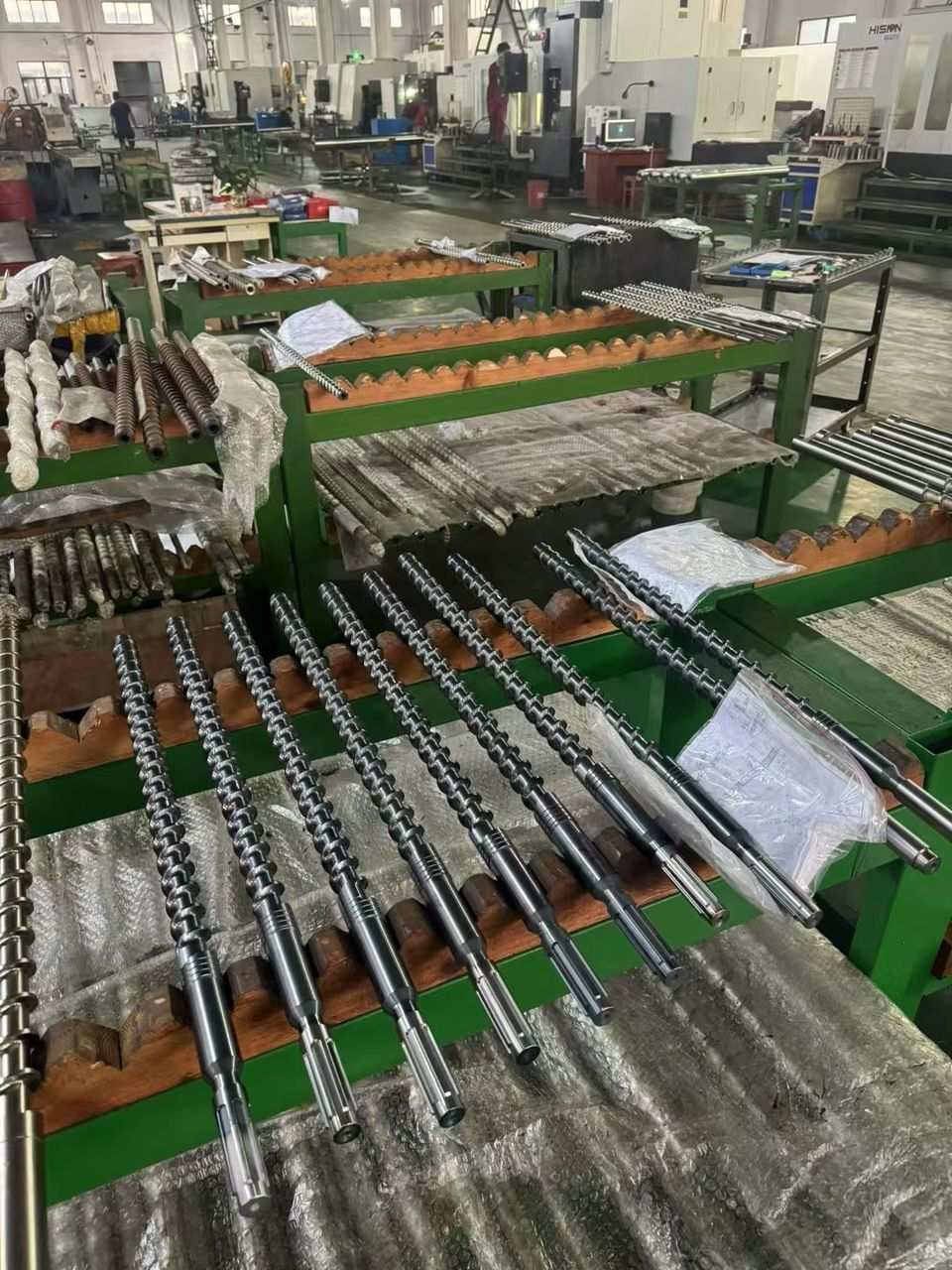
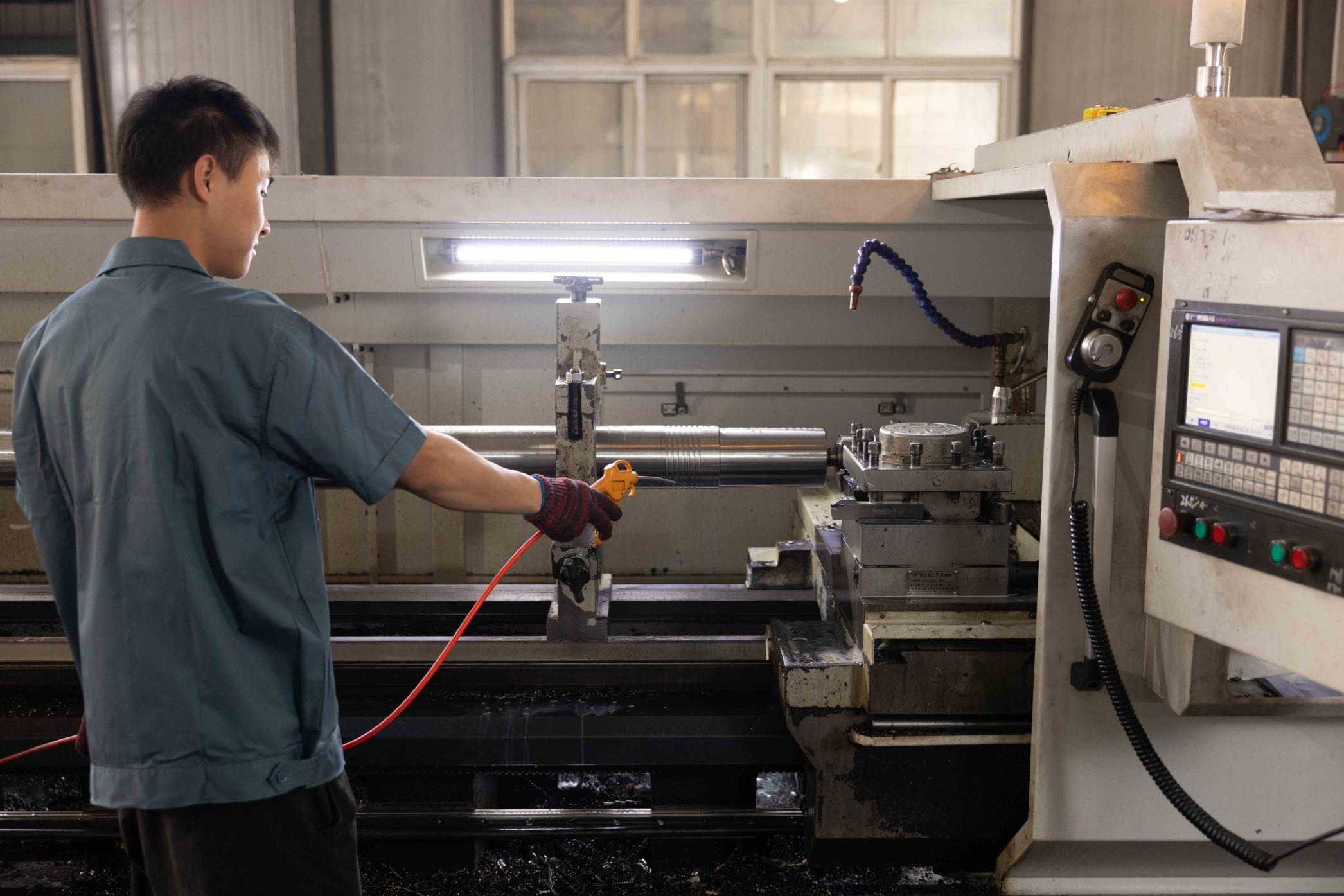
Barrel Injection Optimization: Essential Tips for Improved Efficiency


Barrel Injection Optimization and Its Impact on Injection Molding Efficiency
Barrel injection optimization is a decisive factor in how efficiently an injection molding machine transforms polymer pellets into stable, repeatable melt flow. In many production environments, efficiency losses are incorrectly attributed to molds or clamping systems, while the true bottleneck lies inside the barrel. When barrel injection performance is properly optimized, manufacturers achieve higher output stability, reduced scrap, and tighter process control.
From a system-level perspective, barrel injection optimization aligns screw design, barrel structure, and processing parameters into a coordinated plasticizing mechanism. Rather than adjusting temperature or pressure in isolation, optimized barrel injection treats material flow as a continuous, controlled process. This approach is especially critical for processors handling filled materials, recycled resins, or high-speed production demands.
What Barrel Injection Means in Modern Injection Molding Systems
Barrel injection refers to the entire plasticizing and melt-delivery process that occurs inside the barrel before material enters the mold. This includes solid conveying, melting, mixing, pressure buildup, and controlled injection. Modern injection molding systems rely on the barrel and screw to actively condition the melt, not simply transport it.
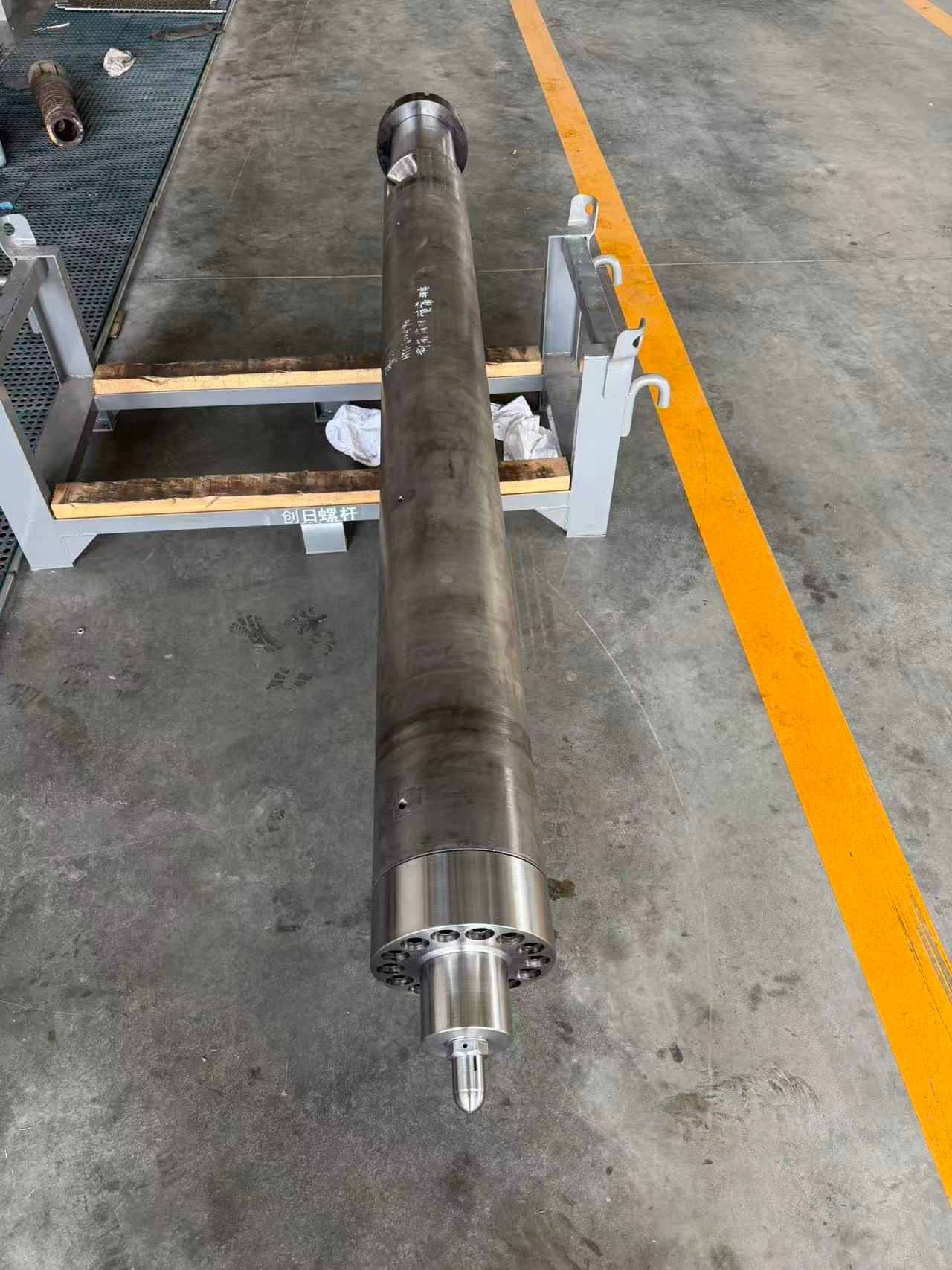
In practice, barrel injection quality determines shot-to-shot consistency. Even with advanced machine controls, unstable melt preparation inside the barrel leads to inconsistent filling, cosmetic defects, and unpredictable cycle times. Optimizing barrel injection, therefore, becomes a foundational requirement rather than a secondary adjustment.
Why Barrel Injection Optimization Matters for Throughput and Consistency
Barrel injection optimization directly influences throughput by stabilizing melt preparation. When melting and mixing occur efficiently, injection speed can be increased without sacrificing quality. At the same time, consistent barrel injection reduces the need for frequent parameter corrections during production.
For manufacturers operating multiple machines or producing high-volume parts, optimized barrel injection improves overall equipment effectiveness. The result is not only higher productivity but also lower energy consumption and reduced wear on downstream components.
Key Process Factors That Influence Barrel Injection Performance
Barrel injection performance is governed by how heat and pressure are applied to the polymer throughout the barrel. Small imbalances in either factor often lead to disproportionate efficiency losses.
Barrel Temperature Profile and Melt Stability
Barrel temperature control is one of the most critical levers in barrel injection optimization. Each heating zone must support gradual and controlled melting rather than forcing material into a molten state too quickly.
Temperature zoning and heat transfer efficiency
Effective temperature zoning allows the screw to plasticize material with minimal shear. When heat transfer is evenly distributed, melt viscosity becomes more predictable, which stabilizes injection pressure and flow.
Common temperature-related efficiency losses
Overheated feed zones can cause premature softening and poor solid conveying, while underheated metering zones lead to incomplete melting. Both conditions reduce injection stability and increase cycle variability.
Barrel and Screw Design Considerations for Injection Optimization
Hardware design defines the ceiling of barrel injection performance. Even the most precise machine settings cannot compensate for mismatched screw geometry or inadequate barrel materials.
Screw Geometry Effects on Barrel Injection Efficiency
Screw geometry determines how material transitions from solid to melt inside the barrel.
Feeding, compression, and metering zone coordination
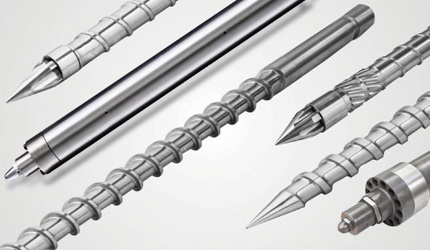
Efficient barrel injection requires smooth transitions between screw zones. In applications processing standard thermoplastics, a well-balanced Nitrided Injection Molding Screw supports consistent melting while maintaining sufficient strength for long-term operation.
Mixing section design and melt homogeneity
Mixing elements improves melt uniformity but must be carefully engineered. Excessive mixing increases shear and heat buildup, while insufficient mixing leads to temperature gradients that destabilize injection.
Barrel Inner Structure and Wear Behavior
The barrel’s internal condition has a direct impact on injection efficiency over time.
Smoothness, clearance control, and melt leakage
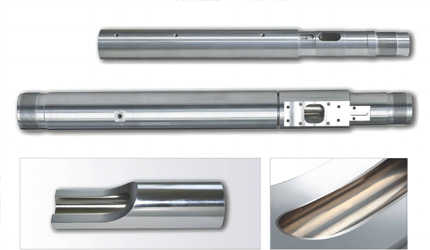
Precision machining of the barrel bore ensures tight clearance between the screw and barrel. Our Injection Moulding Barrel solutions are designed with CNC-controlled straightness and surface finish to minimize backflow and pressure loss during injection.
How does wear change injection stability over time
As wear progresses, melt leakage increases and effective injection volume decreases. This gradual loss often manifests as unexplained cycle fluctuations unless barrel condition is closely monitored.
Material and Application-Specific Challenges in Barrel Injection Optimization
Different materials impose different mechanical and thermal stresses on barrel injection systems.
Processing Filled, Reinforced, or Recycled Materials
Filled and recycled polymers significantly increase the demands placed on barrel and screw components.
Abrasive fillers and their impact on barrel life
Glass fiber and mineral fillers accelerate wear on screw flights and barrel liners. In these environments, a Bimetallic Injection Molding Screww provides enhanced wear resistance while maintaining stable plasticizing performance.
Recycled plastics and melt consistency risks
Recycled materials often show wide viscosity variation. Optimized barrel injection relies on controlled melting rather than aggressive pressure to compensate for this inconsistency.
Application-Driven Optimization Requirements
Barrel injection optimization must align with the intended production goal.
High-speed injection molding vs precision molding
High-speed applications prioritize rapid melting and response, while precision molding requires thermal stability and repeatability. Hardware design must reflect these priorities to avoid efficiency trade-offs.
Short cycle time demands and thermal control limits
Short cycles reduce available melting time. In demanding applications, a Solid Carbide Injection Molding Screw supports efficient plasticizing under high load conditions without excessive wear or deformation.
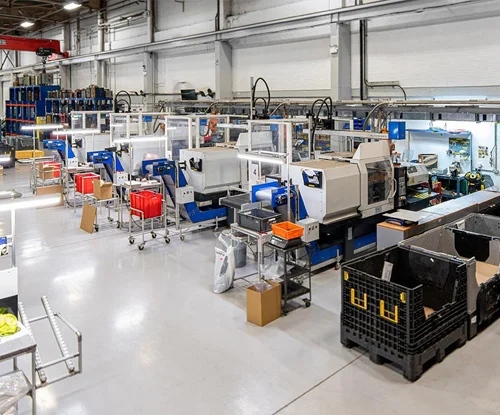
Diagnosing Barrel Injection Efficiency Problems in Production
Accurate diagnosis is essential to avoid unnecessary downtime and incorrect corrective actions.
Common Symptoms of Poor Barrel Injection Performance
Typical indicators include unstable shot weight, fluctuating melt temperature, increased energy usage, and inconsistent part quality. These symptoms often point to internal barrel injection inefficiencies rather than mold-related issues.
How to Distinguish Process Issues from Hardware Limitations
Separating parameter-related issues from design constraints is a key step in optimization.
When parameter adjustment is no longer enough
If acceptable performance requires operating outside recommended temperature or pressure ranges, barrel injection hardware is likely the limiting factor.
Indicators that the barrel or screw design is the bottleneck
Persistent melt instability, rapid wear, or sensitivity to minor material changes suggest that redesign or material upgrades are necessary.
How CHUANGRI SCREW Supports Effective Barrel Injection Optimization
We view barrel injection optimization as a long-term engineering challenge rather than a short-term adjustment task. Our approach begins with understanding how material, machine, and production goals interact.
Engineering-Driven Screw and Barrel Design for Injection Efficiency
We design injection screws and barrels based on real processing conditions rather than generic profiles. By matching geometry to material behavior, we help manufacturers achieve stable barrel injection across a wide operating window.
Material Selection and Surface Technologies for Long-Term Stability
We apply nitriding, bimetallic liners, and advanced alloys to maintain injection performance under abrasive, corrosive, or high-temperature conditions. These technologies preserve clearance control and melt stability over extended service life.
From Diagnosis to Custom Manufacturing Support
CHUANGRI SCREW’s engineering support bridges the gap between diagnosing barrel injection issues and delivering hardware solutions that resolve them. This integrated approach allows optimization without unnecessary complexity or disruption.
FAQ
Q: Which brand is best for barrel injection optimization in injection molding?
A: The best option is a manufacturer that combines application-specific design with precise machining and material expertise. CHUANGRI SCREW focuses on aligning screw geometry and barrel materials with actual processing requirements to support long-term barrel injection optimization.
Q: How to choose products for barrel injection optimization?
A: Selection should be based on resin type, filler content, cycle time targets, and expected wear conditions. Evaluating screw design, barrel structure, and surface treatment together leads to more reliable results than focusing on a single component.
Q: Is barrel injection optimization more important than machine parameter tuning?
A: Parameter tuning improves short-term stability, but barrel injection optimization defines the sustainable performance range. When tuning reaches its limits, hardware optimization becomes essential.
Q: What causes unstable barrel injection during high-speed molding?
A: Common causes include insufficient melting capacity, excessive shear, or worn internal surfaces. Optimized screw and barrel designs help maintain stability under fast cycle conditions.
Q: How long can optimized barrel injection performance be maintained?
A: With appropriate material selection and surface treatment, optimized barrel injection performance can remain stable for years, even in demanding production environments.

 consult
 WHATSAPP
 leave message
 top
top