Exploring Auto Feed Drywall Screws for Professional Installations
Exploring Auto Feed Drywall Screws for Professional Installations


Understanding Auto Feed Drywall Screws in Modern Construction
What Auto Feed Drywall Screws Are and How They Work
Auto-feed drywall screws are designed to work with collated screw systems that automatically position each screw during fastening. In professional drywall installations, this design eliminates manual screw placement and allows installers to drive screws in a continuous motion. Compared with loose screws, auto-feed drywall screws significantly simplify repetitive fastening tasks while improving workflow consistency.
From a tech viewpoint, auto-feed drywall screws need tighter size precision than regular screws. Length tolerance usually stays within ±0.1 mm. Even tiny shifts can mess up feeding steadiness. Uniform head shape and thread lineup ensure easy work with auto-feed screw guns. They also provide solid depth control in drywall panels.
Why Auto Feed Systems Are Widely Used in Professional Installations
Auto-feed drywall screws are widely adopted because they directly improve productivity and reduce physical strain on job sites. In repetitive drywall applications, installers often drive thousands of screws per day. Industry experience shows that auto-feed systems can improve fastening speed by approximately 30–50% compared with loose screws under similar conditions.
Beyond speed, ergonomics is a major advantage. Reducing repeated hand-to-tool movements helps lower wrist and forearm fatigue, with studies indicating fatigue reduction of up to 40% over a full work shift. This allows installers to maintain accuracy and efficiency throughout long working hours.
Key Performance Requirements for Auto Feed Drywall Screws
Material Selection and Mechanical Strength Requirements
Material quality is fundamental to the performance of auto-feed drywall screws. Screws must combine sufficient surface hardness with core toughness to handle high-speed driving without breaking or deforming. Controlled carbon steel or alloy steel materials are commonly used to achieve this balance.
Consistency across production batches is equally important. Variations in hardness or microstructure can lead to uneven driving torque and feeding issues. For professional installations, material traceability and stable heat treatment processes are critical to maintaining reliable performance.
Thread Design and Driving Stability in Auto Feed Applications
Thread setup impacts feeding ease and grip power. Auto-feed drywall screws often feature tuned thread shapes for certain bases. For example, fine threads suit metal studs. Coarse threads fit wood frames. Even thread spacing and depth aid screws in moving well through collated strips.
Driving steadiness relies on alignment between the screw body and threads. Weak alignment raises shakes and feed errors. So, exact CNC cutting and checks become vital for auto fastening setups.
Surface Treatment and Corrosion Resistance Considerations
Surface treatment influences both corrosion resistance and driving behavior. Phosphate-coated auto feed drywall screws are commonly designed to withstand 48–72 hours of neutral salt spray testing, which is adequate for most indoor drywall environments.
A stable surface finish also reduces friction during driving, helping maintain consistent torque transfer between the screw and the bit. This consistency is essential for uniform screw seating in high-speed installations.
Auto Feed Drywall Screws vs Traditional Drywall Screws
Installation Speed and Labor Efficiency Comparison
Auto-feed drywall screws provide a clear advantage in installation speed by eliminating manual screw placement. Installers can focus entirely on positioning and guiding the tool, which significantly increases output. In large wall sections, professionals often install two to three times more screws per hour using auto-feed systems.
For commercial projects where each floor may require tens of thousands of screws, this efficiency directly contributes to shorter timelines and more predictable labor planning.
Consistency, Error Reduction, and Finish Quality
Consistency is a major benefit of auto-feed drywall screws. Automated feeding helps ensure uniform driving depth, reducing common issues such as overdriving or underdriving. This leads to improved drywall integrity and smoother surfaces for finishing.
By minimizing operator-dependent variation, auto feed systems support higher overall quality, particularly on large projects involving multiple installers.
Tool Compatibility and System Integration Factors
Tool fit proves crucial when picking auto-feed drywall screws. Head shape, strip type, or length tolerance differences can harm feeding in certain screw guns. Pros often judge screws by full system fit, not just single specs.
Standard shapes with tweak choices ensure good pairing with various auto-feed tools.
Common Use Scenarios and Project Suitability Analysis
High-Volume Commercial Drywall Installations
Auto-feed drywall screws are especially suitable for high-volume commercial projects such as offices, hotels, and healthcare facilities. These projects demand consistent quality, high productivity, and stable supply. In many cases, a single floor can require tens of thousands of screws, making batch consistency and availability essential.
Automated fastening systems help contractors maintain steady progress while meeting strict quality and scheduling requirements.
Residential Projects with Tight Timelines
Residential construction, particularly multi-unit housing, also benefits from auto-feed drywall screws. Repetitive layouts and standardized assemblies allow installers to maximize the efficiency of automated fastening while maintaining consistent results across units.
In renovation projects with irregular framing, auto-feed systems can still be useful, but their advantages are most evident in repetitive installations.
Limitations and Situations Where Auto Feed Screws May Not Be Ideal
Auto-feed drywall screws are not always the best choice for small-scale repairs or highly irregular tasks. Projects requiring frequent screw length changes or working in confined spaces may still favor traditional loose screws for flexibility.
Understanding these limitations helps professionals apply auto feed systems where they deliver the greatest value.
What Professionals Should Evaluate Before Choosing Auto Feed Drywall Screws
Quality, Consistency, and Manufacturing Precision
Quality steadiness counts heavily for auto fastening. Auto feed systems react to size changes. Length shifts over ±0.1 mm can spark feeding woes. Steady head shape and thread precision matter too.
Makers with full production and check flows handle these needs better.
Customization Needs for Specific Tools or Installation Methods
Customization may be required when standard screws do not perform optimally with specific tools or substrates. Adjusting length, thread design, or surface treatment can improve feeding reliability and driving consistency in automated systems.
For large or specialized projects, customized auto-feed drywall screws often provide better overall efficiency.
Supply Reliability and Long-Term Project Support
Reliable supply is essential for long-term or phased projects. Inconsistent availability can disrupt schedules and increase costs. Professionals, therefore, value suppliers capable of stable production, consistent quality, and responsive technical support.
How CHUANGRI SCREW Supports Reliable Auto Feed Screw Solutions
Precision Manufacturing Processes That Ensure Consistent Screw Performance
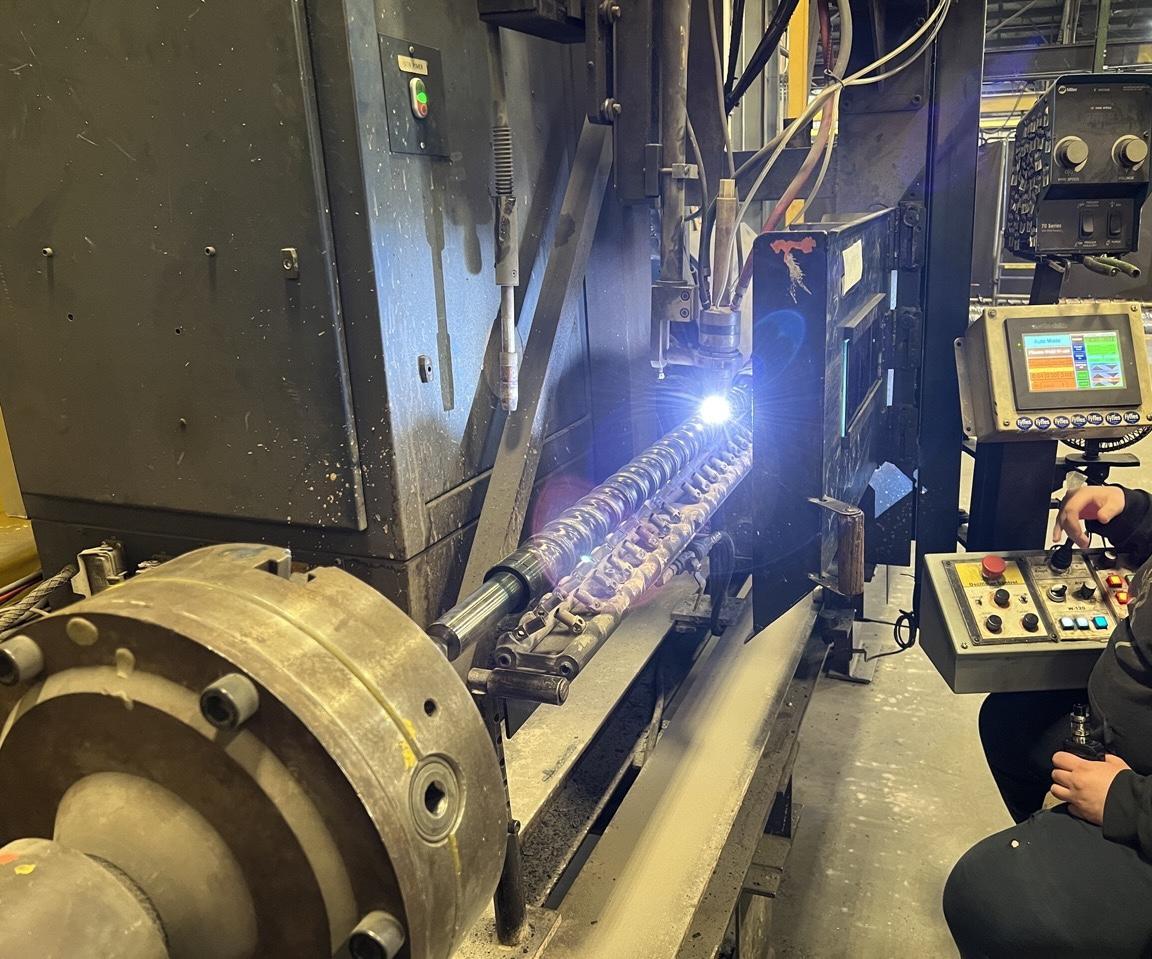
At CHUANGRI SCREW, we use tight control to guarantee steadiness in each batch. Our own CNC cutting, managed heat work, and surface prep keep the size firmness needed for auto fastening uses.
Custom Screw Development Based on Application Requirements
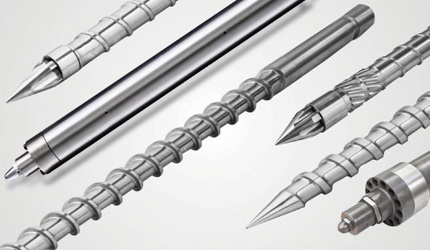
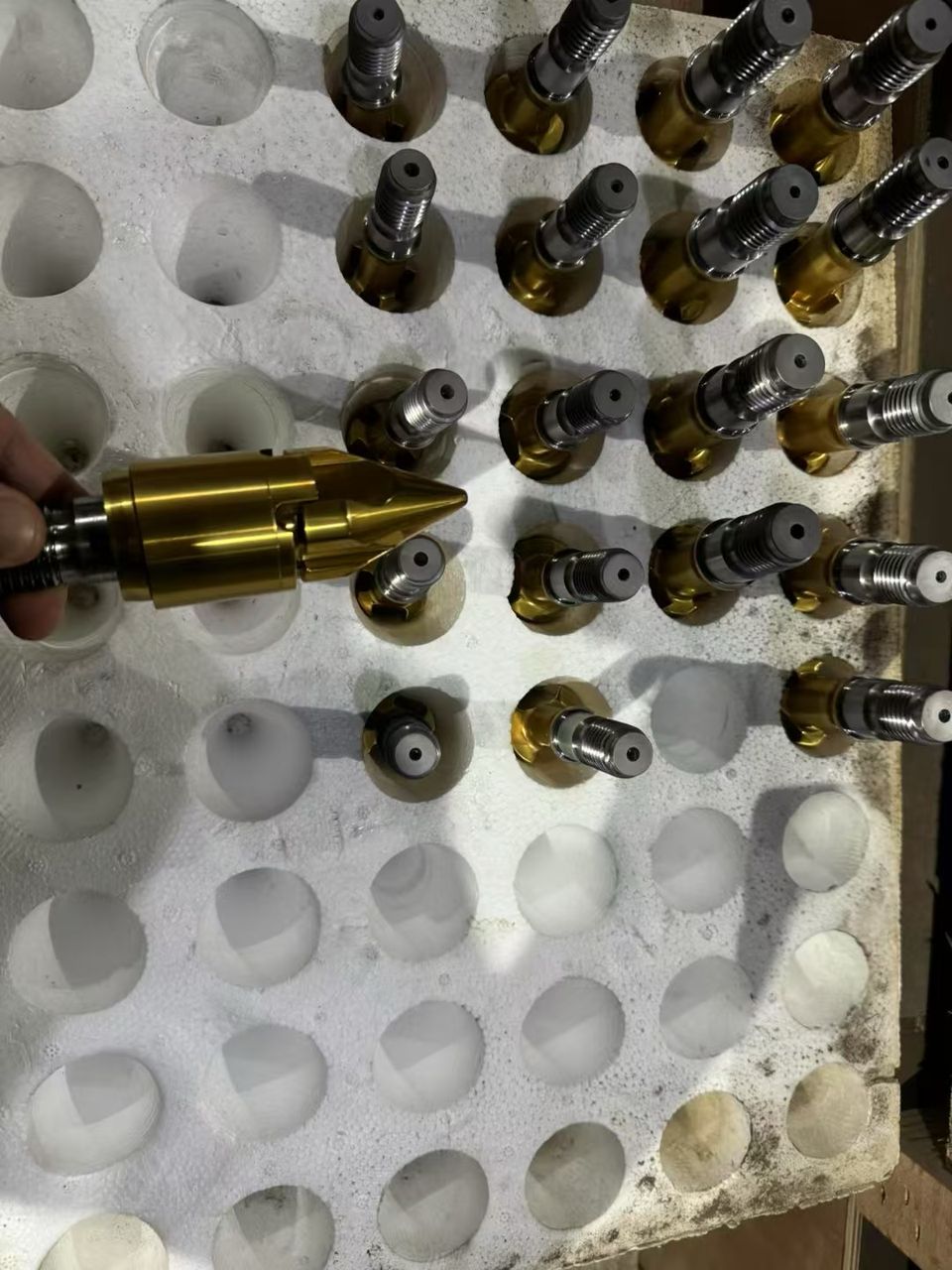
Tailored growth lets us adjust auto-feed drywall screws to exact setup systems. Tweaks to thread shape, length hold, and coating ensure easy feeding and firm driving. Our work on items like the Nitrided Injection Molding Screw shows our skill in making tough, size-stable goods.
Quality Control, Material Traceability, and Project-Oriented Supply
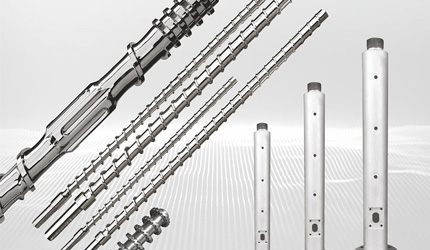
Quality checks at CHUANGRI SCREW cover material tracking, mid-process reviews, and end checks. Our know-how in making options like the Bimetallic Injection Molding Screw and Coated Injection Molding Screw highlights a project-focused style. It stresses lasting trust and firm supply.
FAQ
Q: Auto feed drywall screws, which brand is best for professional installations?
A: Professional users generally prioritize consistent quality, tight tolerances, and reliable supply. Manufacturers with strong engineering and production control capabilities are often preferred.
Q: How to choose auto-feed drywall screws for commercial projects?
A: Selection should consider material strength, thread compatibility, surface treatment, dimensional consistency, and supplier manufacturing reliability.
Q: Auto feed drywall screws vs traditional drywall screws, which is better?
A: Auto-feed drywall screws are better suited for high-volume, repetitive installations, while traditional screws may be more practical for small or irregular jobs.
Q: What factors affect the performance of auto-feed drywall screws?
A: Performance depends on material quality, thread design, surface finish, dimensional tolerances, and compatibility with the auto-feed system.
Q: Are customized auto-feed drywall screws necessary for specific tools?
A: Customization may be necessary when standard screws do not feed smoothly or achieve consistent driving depth, especially in specialized or large-scale installations.

 consult
 WHATSAPP
 leave message
 top
top