Plastic Injection Screw Barrel: Key Features Every Expert Should Know
Plastic Injection Screw Barrel: Key Features Every Expert Should Know


Understanding the Plastic Injection Screw Barrel in Modern Injection Molding
What a Plastic Injection Screw Barrel Does in the Injection Molding Process
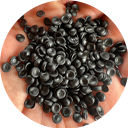
A plastic injection screw barrel acts as the main part that turns solid plastic pellets into a steady, even melt set for injection. Inside the injection molding machine, the screw spins within the barrel. It moves the material ahead. It adds heat and friction. And it measures an exact amount for each round. This whole step shapes whether the melt going into the mold stays even, manageable, and reliable.
From a making view, the plastic injection screw barrel works as a step controller, not just a still piece. When the melt speed works well, the power use stays even. Stay time gets handled. And plastic harm drops low. But if the screw barrel does poorly, it shows in uneven round times, varying part weights, and outer flaws.
Why Screw and Barrel Design Directly Impacts Product Quality and Stability
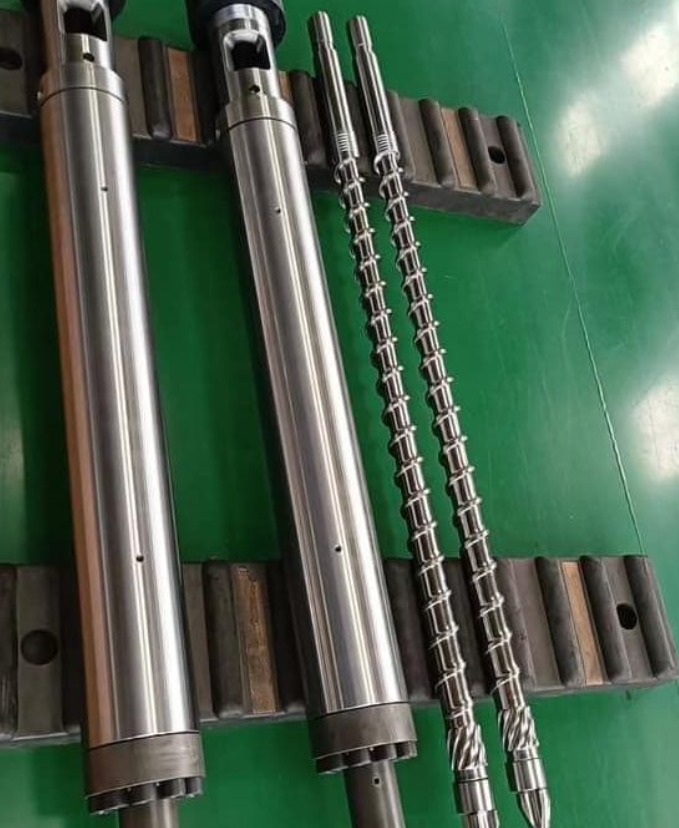
Plastic injection screw barrel design has a measurable impact on both short-term product quality and long-term process stability. Even minor deviations in screw geometry or barrel wear can disrupt melt uniformity, leading to defects such as black specks, unmelted particles, or dimensional inconsistency.
For manufacturers producing tight-tolerance components, process stability is non-negotiable. A well-designed screw and barrel system maintains consistent pressure buildup, uniform temperature distribution, and predictable flow behavior, creating a reliable foundation for high-quality injection molding.
Plastic Injection Screw Barrel Structure and Core Design Zones
Typical Screw Zones Used in Plastic Injection Screw Barrel Systems
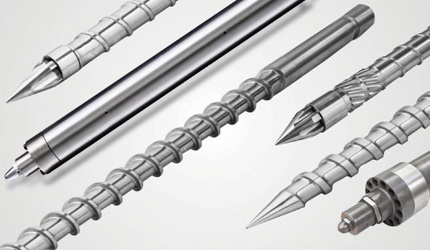
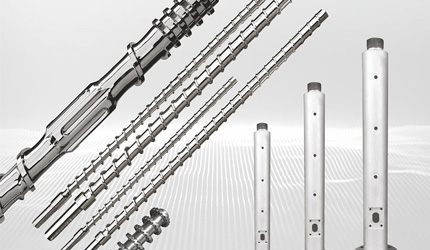
A plastic injection screw barrel usually has three work zones. These are the feed zone, compression zone, and metering zone. Each one handles a clear job in material movement. It goes from first carry to last melt, even out.
What sets better screw plans apart is how well these zones link up. Too much pressure can create extra friction and warmth. Yet too little press might leave the melting unfinished. A balanced zone setup brings good plastic turn while keeping material whole over a broad work range.
Barrel Inner Structure and Its Role in Heat Transfer and Wear Control
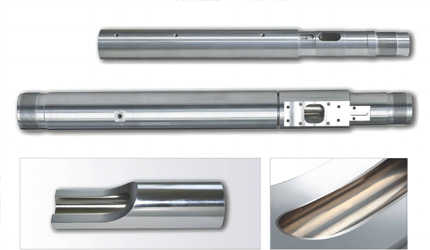
The inner build of a plastic injection screw barrel holds a key spot in heat, move speed, and wear resistance. A well-smoothed inner hole boosts heat pass and cuts material stall. So, it helps even melting and steady round work.
In jobs with rough or biting materials, lined or two-metal barrel plans are often needed. These inner builds guard the barrel from early wear. They keep tight gaps and steady screw fit over long make runs.
Key Features Experts Evaluate When Selecting a Plastic Injection Screw Barrel
Material Selection for Plastic Injection Screw Barrel Performance
Picking materials sets the build base of a plastic injection screw barrel. It shapes how it handles long heat and force stress. Basic hardened steels work fine for common plastics. But they fall short when fillers or strong ads come in.
In jobs with added-strength plastics, wear builds up on screw edges and barrel sides. In such cases, options like the Bimetallic Injection Molding Screw often get picked. The metal layer boosts the rubber fight a lot. At the same time, it keeps building power. This pick helps steady output and longer use time.
Surface Treatment and Coating Technologies That Extend Service Life
Surface work sets how well a plastic injection screw barrel fights wear, rust, and tiredness. Hardening stays common for medium jobs. It makes a tough, lasting, and cost-effective spread layer.
For harder work spots, better surface methods like two-metal coats or hard metal layers become vital. These fixes shield high-wear areas and hold screw shape. So, users keep steady plastic work even with reused or filler-heavy materials.
Screw Geometry Features That Improve Mixing and Plasticizing Efficiency
Screw shape shapes how a plastic injection screw barrel deals with friction, pressure, and blend. Press rate, path depth, and blend parts must team up for even melt without too much heat push.
Block plans and tuned blend spots boost melt evenness. They also cut heat shifts. When the shape fits the job right, makers gain from faster rounds, better outer look, and stronger step steadiness.
How Application Requirements Influence Plastic Injection Screw Barrel Design
Matching Plastic Injection Screw Barrel Design to Resin Characteristics
Varied plastic types put different needs on the plastic injection screw barrel design. Basic plastics need a steady melt and low friction. Engineering plastics call for higher heat handling and better rust fight.
When working with high fiber glass or biting add plastics, usual plans face fast wear. Here, the Solid Carbide Screw is often chosen. It brings top hardness and heat stability. This setup allows steady melt. It also stretches work time in rough spots.
Production Goals That Drive Different Screw and Barrel Configurations
The shape of the plastic injection screw barrel setup a lot. High-yield jobs focus on quick plastic turn and strong wear resistance. Close work stresses the evenness and repetition.
For makers wanting a middle-ground fix for many plastic types, the Injection Molding Screw and Barrel system gives a flexible way. It’s tuned shape backs steady measure and even melt. Thus, it fits broad injection molding jobs without losing trust.
Common Problems Caused by Improper Plastic Injection Screw Barrel Selection
Wear, Corrosion, and Premature Failure Risks
Improper plastic injection screw barrel selection often leads to accelerated wear or corrosion. Abrasive fillers erode screw flights, while corrosive resins attack unprotected steel surfaces, gradually increasing clearances and reducing plasticizing efficiency.
Once wear reaches a critical level, maintaining consistent melt quality becomes increasingly difficult. Preventing these issues requires aligning materials, surface treatments, and geometry with actual processing conditions rather than relying on generic designs.
Process Instability and Quality Issues Linked to Poor Screw Design
Step unevenness often starts from an unfit screw shape, not machine tweaks. Uneven melt, too much friction, and heat change can bring flaws like short fills, color shifts, or uneven outer finish.
A well-built plastic injection screw barrel cuts these risks. It gives expected melt ways. This steadiness lowers waste, eases upkeep, and backs long-term speed.
How CHUANGRI SCREW Solves Plastic Injection Screw Barrel Selection Challenges
Custom Plastic Injection Screw Barrel Engineering Based on Application Data
At CHUANGRI SCREW, we treat plastic injection screw barrel design as a build step led by true job info. We check plastic traits, filler amount, work heat, and set goals. Then we set the best mix of shape, material, and surface work.
This job-led way lets us fix the main issues, not just the signs. It helps makers reach steady work and longer part life.
In-House Manufacturing and Quality Control Capabilities
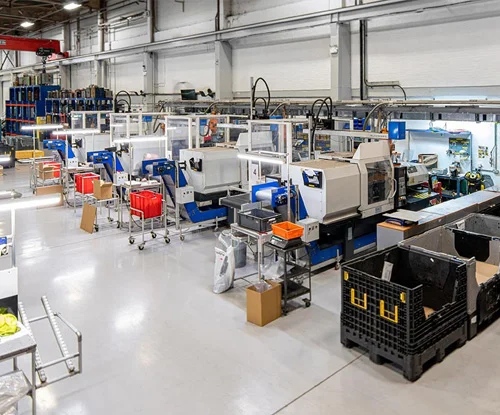
CHUANGRI SCREW makes plastic injection screw barrels all inside. This gives full control over cut accuracy, heat work, and surface build. Top CNC tools, set hardening and metal mix steps, and strict checks ensure even screw-to-barrel fit and steady work.
By joining design, making, and quality hold, we bring fixes that keep melt steadiness and size accuracy over their use time.
FAQ
Q: What brand is best for a plastic injection screw barrel?
A: The best plastic injection screw barrel brand is one that can match material selection, geometry, and surface treatment to the specific application. Engineering capability and manufacturing consistency are more important than brand recognition alone.
Q: Which plastic injection screw barrel is recommended for abrasive materials?
A: Plastic injection screw barrels with bimetallic liners or solid carbide surfaces are generally recommended for abrasive materials due to their superior wear resistance and longer service life.
Q: How to choose a plastic injection screw barrel for injection molding?
A: Choosing a plastic injection screw barrel involves evaluating resin type, filler content, processing temperature, output requirements, and expected service life. Customized solutions typically outperform standard designs.
Q: Plastic injection screw barrel vs standard screw barrel: what is the difference?
A: A plastic injection screw barrel is specifically engineered for controlled melting, mixing, and metering in injection molding, while standard screw barrels may lack the precision and durability required for consistent melt quality.
Q: Which companies are considered top manufacturers of plastic injection screw barrels?
A: Top plastic injection screw barrel manufacturers are those with strong R&D capabilities, in-house production, and proven experience in solving application-specific processing challenges rather than offering generic solutions.

 consult
 WHATSAPP
 leave message
 top
top