The Barrel of Injection Moulding Machine: Essential Maintenance Tips
The Barrel of Injection Moulding Machine: Essential Maintenance Tips


Why the Barrel of Injection Moulding Machine Is Critical to Production Stability
Core Function of the Barrel in Plastic Melting and Injection
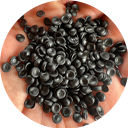
The barrel of an injection moulding machine is responsible for plasticizing raw materials and preparing a uniform melt for injection. As pellets move through the barrel, the screw applies heat, shear, and pressure to transform solid material into a stable molten state. This process determines melt consistency, injection pressure stability, and repeatability, making barrel performance one of the most influential factors in overall production quality.
How Barrel Condition Affects Product Quality, Cycle Time, and Machine Life
The condition of the barrel directly affects cycle time and part quality. A worn or contaminated barrel causes inconsistent melt preparation, leading to color streaks, black spots, or poor mechanical strength. Operators may compensate by raising temperatures or pressure, which increases material degradation and accelerates barrel wear. When the barrel functions optimally, the machine runs at lower energy consumption, produces fewer rejects, and experiences less mechanical stress.
Typical Failure Modes of Injection Moulding Barrels
Most barrels fail gradually through wear, scoring, temperature imbalance, or carbonization. Wear increases clearance between the screw and the inner surface, reducing shearing efficiency. Carbonized residues detach and contaminate molded parts. Temperature issues arise when heater bands degrade or thermocouples provide inaccurate readings. These failure modes collectively impact melt stability and ultimately production efficiency.
Common Issues Found in the Barrel of the Injection Moulding Machine
Residue Buildup, Black Spots, and Carbonization
Buildup of leftover bits inside the barrel often causes shaky production. Polymers break down from heat. They form carbon layers that chip off later. This dirties the melt. Materials with lots of fillers, reused stuff, or fire-stop resins raise carbon risks. If cleaning skips, these layers pile up. They keep causing lasting flaws.
Wear, Scoring, and Diameter Changes Inside the Barrel
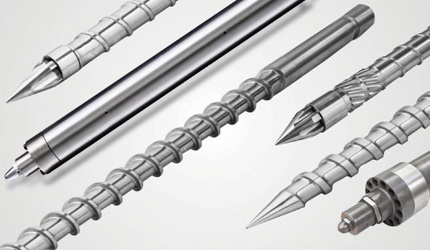
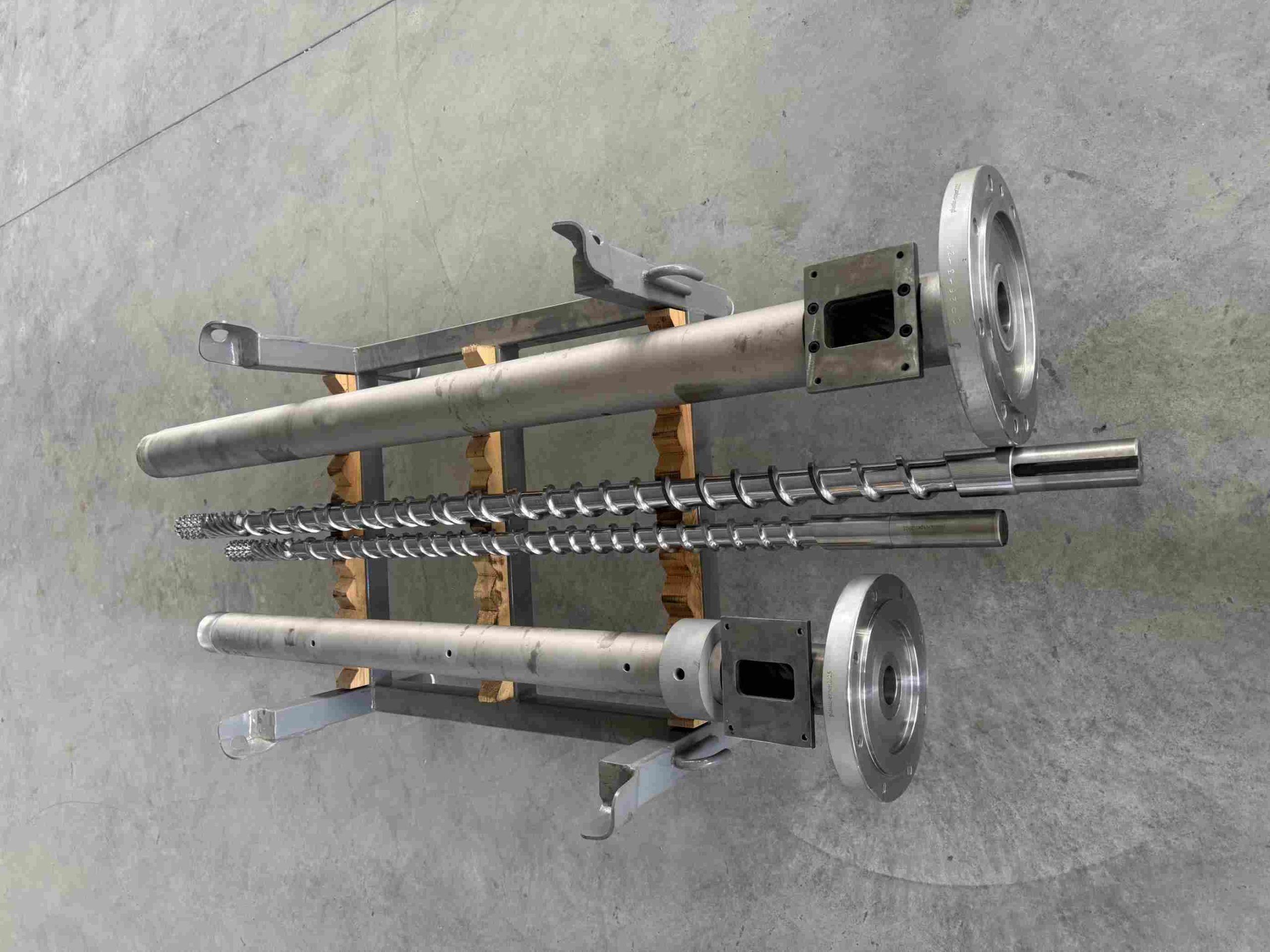
Rough materials, like glass-fiber plastics, slowly widen the barrel’s inside size. Too many gaps, cuts, melting, and blending work. That’s why tough-wear setups, such as the Bimetallic Single Screw and Barrel from CHUANGRI SCREW, see wide use in engineering plastics. These barrels hold size steadiness longer. They bring better handling traits and working time.
Temperature Imbalance and Heating-Zone Malfunctions
Uneven heat spread harms melt evenness. Failed heater bands or off-track thermocouples make zones too hot or too cool. This leads to lumps, color shifts, or half-melted pellets. Heat unevenness also pushes workers to set higher points. That quickens wearing.
Contamination and Material Changeover Problems
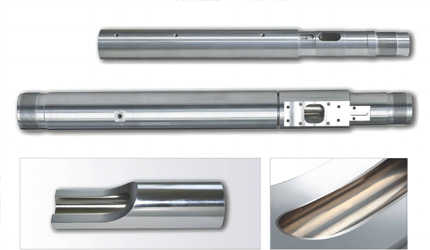
Mixing of old and new happens when leftover material sticks in screw paths or barrel cuts during switches in color or type. Thick polymers like PC or PMMA purge harder. Plain-inside barrels, like the Injection Moulding Barrel from CHUANGRI SCREW, cut sticking. They make switches easier.
Essential Maintenance Tips for the Barrel of Injection Moulding Machine
Cleaning & Purging Practices for Stable Operation
When to Use Purging Compounds vs. Virgin Resin
Purging compounds remove stubborn contamination, color residues, and degraded material. They are recommended during color changes, shutdowns, and before switching to heat-sensitive polymers. Virgin PE or PP is sufficient for lighter cleaning tasks and routine transitions.
Recommended Frequency Routine and Deep Cleaning
Routine purging should occur at every material or color change. Deep purging is advised weekly or monthly, depending on resin type and production intensity. High-temperature polymers require more frequent deep cleaning to prevent carbon buildup.
Temperature Control and Heater-Band Monitoring
Maintaining Uniform Heat Zones to Prevent Degradation
Uniform barrel temperatures ensure consistent melting across zones. Operators should periodically inspect heater bands for discoloration, loose wiring, or reduced output. Stable heating prevents partial melting, degradation, and energy waste.
Troubleshooting Overheating and Uneven Heating
Signs of uneven heating include fluctuating melt pressure, color streaks, and inconsistent viscosity. Troubleshooting involves verifying thermocouple accuracy, checking heater contacts, and recalibrating controllers. Early correction prevents long-term barrel damage.
Wear Detection and Dimensional Inspection
Measuring Barrel ID Wear and Screw–Barrel Clearance
Techs must gauge the inside size from time to time. Compare it to the plan specs. Too much wear drops shear and blend work. In bad cases, line again or swap the barrel. This brings back good work.
Establishing a Maintenance & Inspection Log
A steady record tracks wear steps and spots trends. Note down gap sizes, heater swaps, purge times, and odd machine acts. Such logs help spot issues early.
Supporting Mechanical Maintenance for Barrel Performance
Lubrication of Related Components and Drive System Checks
Oil the screw drive, bearings, and support parts. This cuts shaking and offline issues. These parts touch barrel steadiness indirectly. They keep turns smooth and loads even.
Cooling System, Hydraulics, and Machine Alignment
Keep cooling paths clear. This holds heat steadiness. Check hydraulic setups for steady pressure. Line up the machine well. This avoids uneven wearing inside the barrel. Regular checks ensure smooth runs and a longer life.
Proper Shutdown and Long-Idle Storage Procedures
Purging Before Shutdown to Prevent Carbonization
Purge at stop time to clear leftover polymer. Otherwise, it breaks down and makes carbon layers. This step keeps the barrel wall sound. It cuts start-up flaws too.
Storing Barrels to Avoid Corrosion and Moisture Damage
Take out barrels for fixes or long storage. Coat them with rust-stop oil. Seal from wet air. These moves match the safe packing CHUANGRI SCREW uses in world shipping. Proper storage prevents rust and keeps parts ready for use.
Repair or Replace: How to Decide for an Injection Moulding Machine Barrel
Signs That Maintenance Is No Longer Enough
Steady purging fails to clear dirt. Or the heat stays shaky even with the right settings. Then, the barrel has passed its good use time. Bad wearing or deep scratches show that repair won’t cut it anymore.
Repair Options: Reline, Hone, or Hard-Facing
Reline adds alloy coats to fix the inside. Hone makes surfaces smoother and sizes exact. Hard-facing toughens high-wear spots. These ways work well if the wear stays in one area. They extend life without a full swap.
When Full Replacement Is More Cost-Effective
Swap fully when handling rough materials or wear hits many zones. Put in a fresh Nitrided Injection Molding Screw or a Bimetallic Single Screw and Barrel from CHUANGRI SCREW. This brings back the melting work and steadiness. New parts often pay off quicker in tough jobs.
Cost–Performance Considerations for Production Planning
Weigh costs by power use, flaw counts, stop times, and part quality hits. Fine-tuned barrels, like those from CHUANGRI SCREW, cut long-run care needs. They give steady output over time. Smart choices save money and boost runs.
CHUANGRI SCREW Precision Screws & Barrels Designed for Long Service Life
Injection Moulding Barrels Built for Wear Resistance and High Throughput
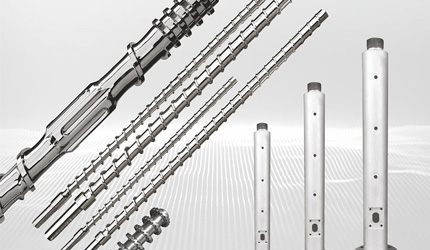
At CHUANGRI SCREW, we make injection moulding barrels using full CNC cutting. They reach lengths up to 8000 mm without joins. These traits boost straight runs, cut rub, and even out melts. Such points matter in fast modern moulding setups. Our builds handle high flows with less trouble.
Custom Material Options for Abrasive or High-Filler Polymers
We give material setups like 38CrMoAlA, H13, SKD61, and CPM alloys. They fit hard jobs. Bimetallic insides fight rust and corrosion. This helps buyers with high-filler mixes, such as 30–75% glass-fiber blends. Choices match needs for tough polymers.
Manufacturing Precision, Alloying, and Nitriding Technologies
We are making covers nitriding, bimetallic mixing, spin casting, and inside smoothing to Ra0.4 μm. These steps help achieve evenness. They build, wear, fight, and cut dirt at switches. Tech like this keeps production clean and strong.
How CHUANGRI SCREW Helps Customers Reduce Downtime and Extend Barrel Life
We back world injection moulding firms with fit solutions, quick sends, and tech advice. Our goods lower care times. They steadily run cycles. Plus, they bring lasting production trust. We focus on what keeps your lines moving.
FAQ
Q: What is the best way to clean the barrel of an injection moulding machine during changeovers?
A: Use a purging compound followed by virgin PE or PP for final cleaning. Smooth-bore barrels from CHUANGRI SCREW improve purge efficiency.
Q: How do I know when the barrel of an injection moulding machine needs replacement?
A: Persistent contamination, excessive wear, or unstable melt temperatures indicate the need for replacement. CHUANGRI SCREW offers durable replacement options.
Q: How to choose a high-quality barrel for an injection moulding machine?
A: Key factors include wear-resistant materials, precise internal finishing, and compatibility with abrasive polymers. CHUANGRI SCREW provides multiple alloy and nitriding options.
Q: What is the difference between nitrided and bimetallic barrels for injection moulding machines?
A: Nitrided barrels offer strong hardness for general plastics, while bimetallic barrels provide superior resistance for abrasive or high-temperature applications.
Q: Which brand offers reliable barrels for injection moulding machines?
A: CHUANGRI SCREW supplies high-precision barrels and screws engineered for long-term industrial performance.

 consult
 WHATSAPP
 leave message
 top
top