
How Feed Screw Design Influences Extrusion Quality and Consistency
Related news
-
Twin Screw and Barrel Selection Tips 2026 for High-Performance Extruders

-
Plastic Injection Screw Barrel: Key Features Every Expert Should Know
-
How Feed Screw Design Influences Extrusion Quality and Consistency
-
Optimizing Temperature Control in Injection Moulding Screw Barrels
-
Advanced Techniques: Using Barrel Nut Screw Drivers for Feed Screws
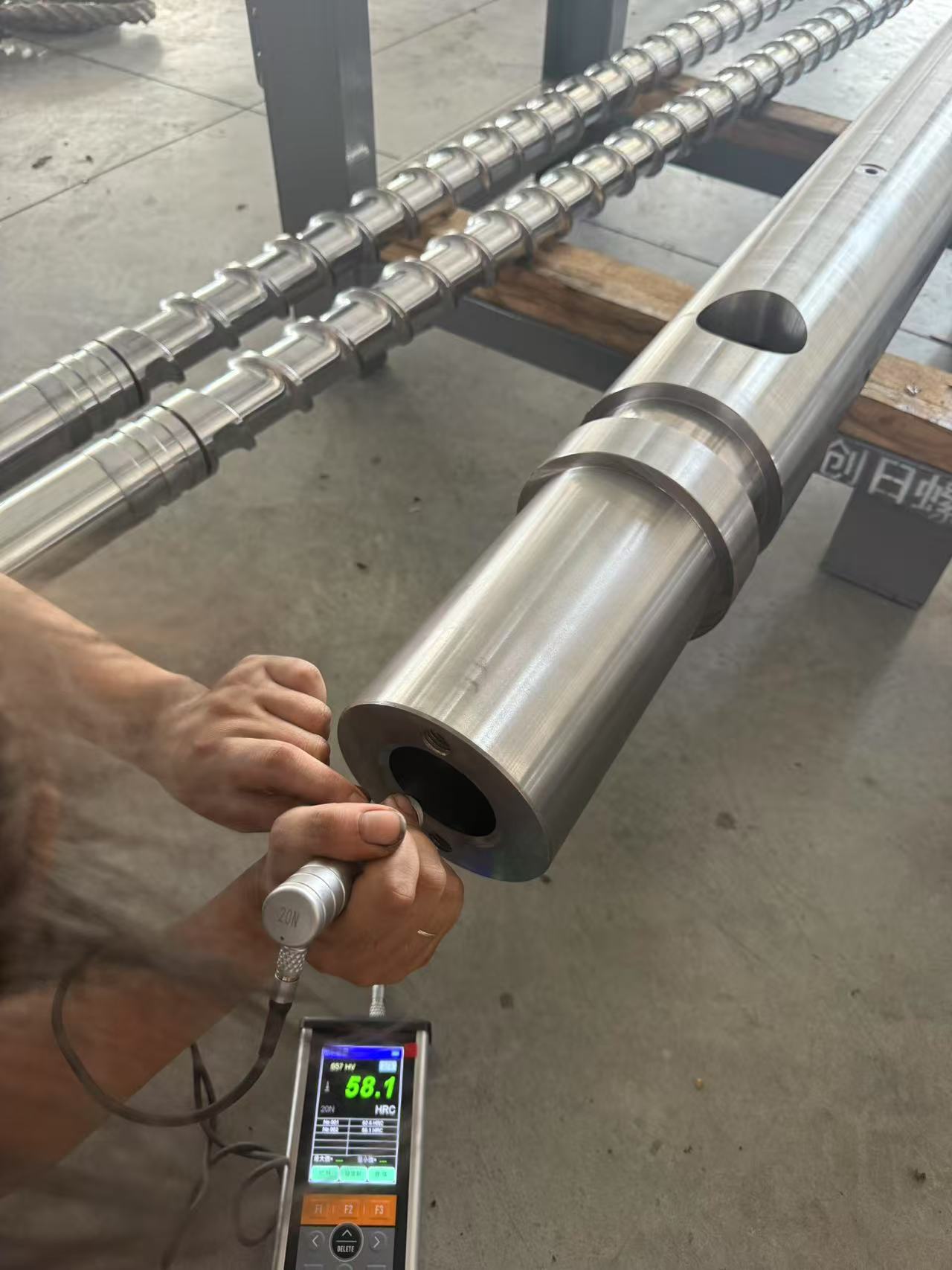
How Feed Screw Design Influences Extrusion Quality and Consistency


Understanding Feed Screw Design in Modern Extrusion Systems
What Feed Screw Design Means in Practical Extrusion Processing
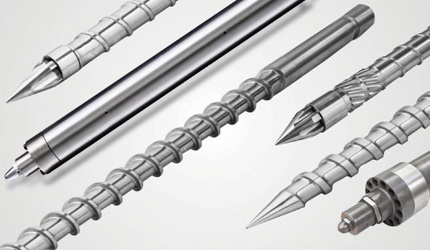
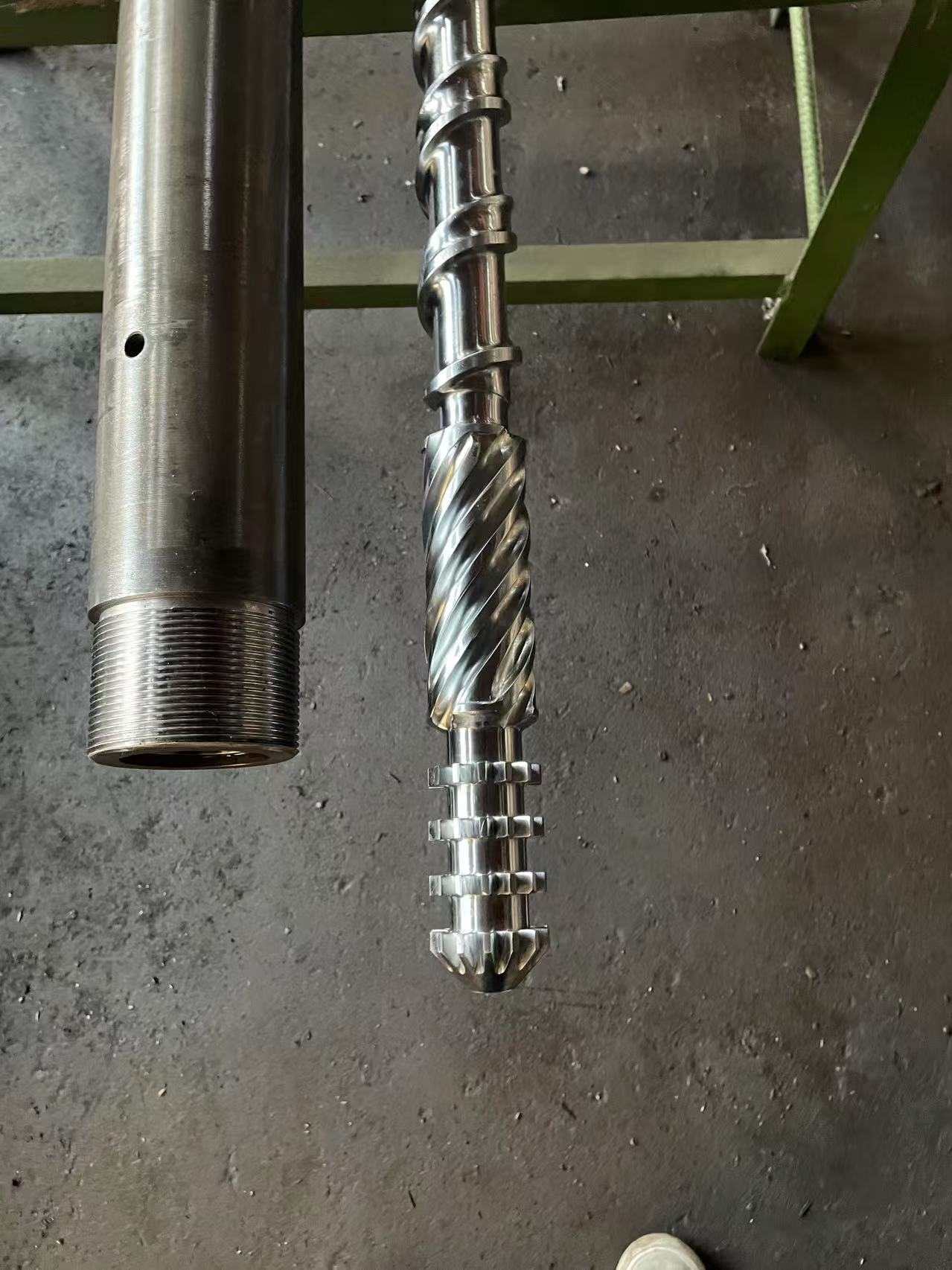
Feed screw design determines how raw polymer is captured and stabilized before melting begins, making it fundamental to extrusion quality and consistency. In real production, the feed section controls whether material enters uniformly or irregularly, directly affecting pressure buildup and downstream stability. A properly engineered feed screw does more than convey pellets forward; it creates a predictable material flow that supports the entire extrusion cycle.
From a process view, feed screw design ties material traits—bulk density, particle shape, friction action—with machine parts like channel shape and screw speed. If these parts do not match, even strong melting areas cannot fix shaky feeding. That is why feed screw design often stands as the first thing checked when extrusion setups show output swings or size unevenness.
How Feed Section Geometry Shapes Feeding Stability
Feed screw geometry governs how solid material transitions from the hopper to the compacted solid bed. Channel depth, helix angle, and pitch length influence how material slips, compacts, and advances. Deeper channels may increase intake capacity but can reduce pressure stability if not balanced correctly.
In lines processing recycled or low-density materials, the feed screw design becomes even more critical. Geometry must compensate for irregular feeding while avoiding premature melting. Stable feeding at this stage creates the conditions for uniform melting and consistent pressure further along the screw.
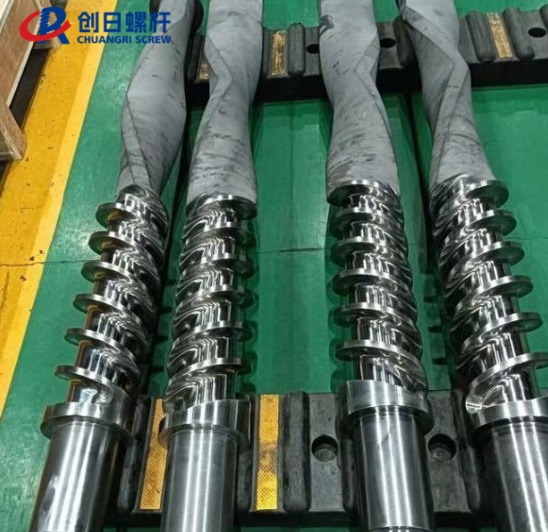
Feed Screw Design and Its Impact on Extrusion Quality
Feed Screw Design Influence on Melt Uniformity
Feed screw design influences melt uniformity by controlling how consistently solids enter the melting zone. Uneven feeding causes irregular solid bed formation, leading to localized overheating or unmelted particles. These variations compromise melt homogeneity and final product properties.
A feed section with smooth compression transitions helps maintain a stable, solid bed, allowing heat transfer and shear to act predictably. This results in more consistent melt temperature and fewer defects, such as gels or weak mechanical performance.
Effects on Output Stability and Surface Quality
Feed screw design also affects output stability, which is essential for dimensional accuracy and surface finish. Inconsistent feeding generates pressure fluctuation that translates into thickness variation, die swell instability, and surface imperfections.
On the other hand, a feed screw tuned for set material and output needs steadies pressure early on. This steadiness aids smoother die flow. It also lowers waste levels.
Key Feed Screw Design Parameters That Affect Process Consistency
Channel Depth and Pitch for Different Polymer Behaviors
Channel depth and pitch must match polymer behavior to ensure stable feeding. Crystalline polymers like PE and PP behave differently from amorphous materials such as PVC or ABS. Filled compounds further increase friction and wear.
Balanced feed screw design aligns intake capacity with pressure generation, preventing surging or starvation. This is particularly important when processing blends or recycled materials with variable bulk density.
Compression Ratio and Feed Zone Transitions
The compression ratio within the feed zone controls how quickly material densifies before melting. Excessive compression may cause premature shear heating, while insufficient compression leads to unstable conveying.
Gradual transitions between feed and compression zones reduce stress on the material and support consistent melting behavior.
Considerations for High-Speed Extrusion Lines
High-speed extrusion amplifies feeding instability. Feed screw design for these lines must maintain grip and control while limiting the temperature rise caused by friction.
Optimized channel geometry ensures that higher screw speed results in increased output without sacrificing melt quality.
Common Extrusion Problems Caused by Inadequate Feed Screw Design
Inconsistent Feeding and Output Fluctuation
Weak feed screw design often brings uneven feeding and shaky output. Clogging or spotty intake usually stems from a mismatched channel shape. It comes more from that than the hopper setup.
Spotting feed design limits early stops repeated fixes later on.
Poor Melting Efficiency and Temperature Instability
When the feed screw design disrupts solid bed formation, the melting efficiency decreases. The compression zone then compensates with higher shear, causing temperature variation and potential material degradation.
Stable feeding reduces these risks and improves overall energy efficiency.
Accelerated Wear and Reduced Screw Life
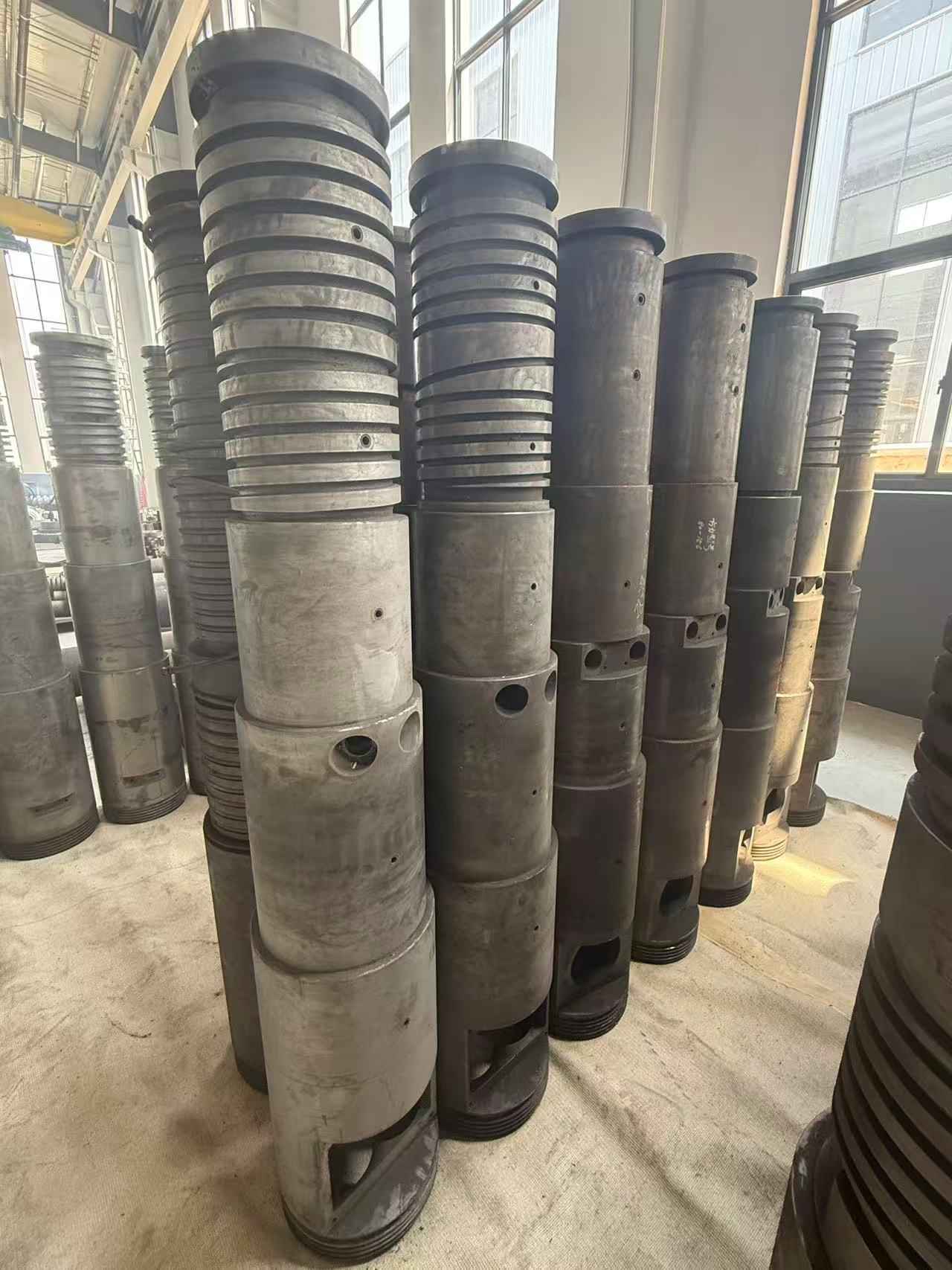
Feed zones experience significant friction, especially with abrasive fillers. Uneven load distribution in poorly designed feed screws accelerates localized wear and shortens service life.
Designs that account for wear conditions maintain geometry stability and reduce maintenance frequency.
Feed Screw Design Optimization for Different Extrusion Applications
Feed Screw Design for Pipe, Profile, and Sheet Extrusion
Pipe and profile extrusion require pressure stability and controlled material flow. Uniform feeding ensures consistent wall thickness and dimensional accuracy.
Feed screw geometry is optimized to support steady compaction without excessive shear, aligning feeding behavior with die performance requirements.
Feed Screw Design in Film and Blown Film Extrusion
Film extrusion demands smooth feeding to maintain bubble stability and uniform gauge. Feed screw design focuses on minimizing pressure pulsation and temperature fluctuation.
Controlled feeding supports thin film production with reduced defect rates.
Feed Screw Design Challenges in Recycling and Reprocessing
Recycling applications involve variable feedstock and low bulk density. Feed screw design must stabilize intake while accommodating contamination and wear.
Modified channel profiles combined with durable materials ensure reliable conveying under challenging conditions.
Evaluating Feed Screw Design When Selecting an Extrusion Solution
What to Evaluate in Feed Screw Design Before Finalizing a Solution
Evaluating feed screw design involves assessing material characteristics, wear conditions, and output range. Properly matched geometry reduces operational risk and improves process predictability.
Decision-makers should focus on how the feed screw design stabilizes solids conveying under real production parameters.
Long-Term Process Consistency Versus Short-Term Output Gains
Feed screw design sets if higher flow turns into lasting work. Shapes aimed only at output might harm steadiness and raise rubbing.
Putting steady feeding and ruled packing first ensures long-run extrusion evenness and lower full run cost.
How CHUANGRI SCREW Solves Feed Screw Design Challenges in Extrusion
Application-Specific Feed Screw Design Based on Material and Process
At CHUANGRI SCREW, we see feed screw design as a task-tuned build fix over a basic part. Our group checks material traits, flow goals, and run states to fit feed shape for steady moving and even extrusion work.
In pipe extrusion setups, the PPR Pipe Extruder High-Speed Screw blends a feed part built for ruled packing and lower melt heat. It tackles feeding shakiness in fast runs right away.
Manufacturing Precision Supporting Consistent Feed Performance
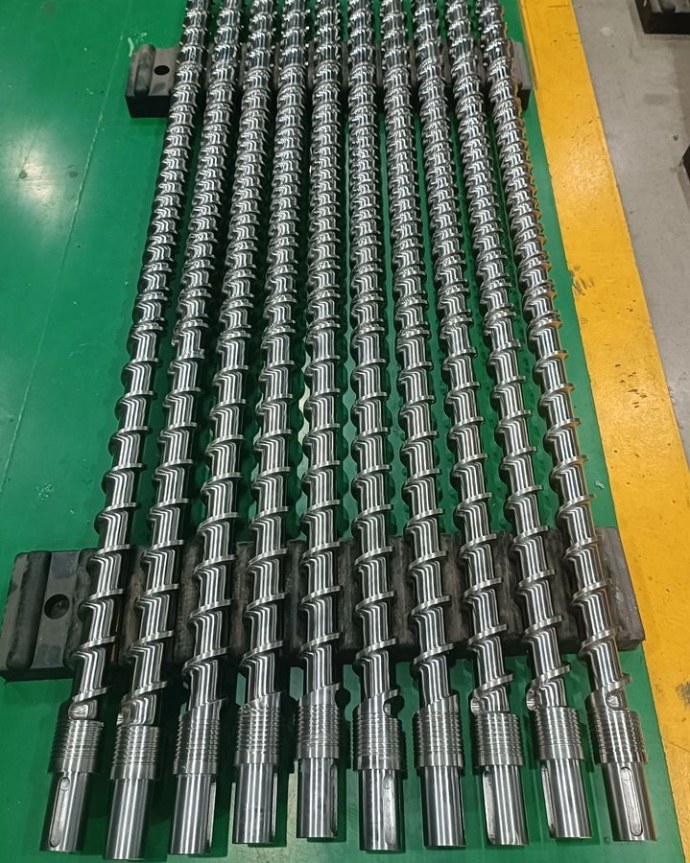
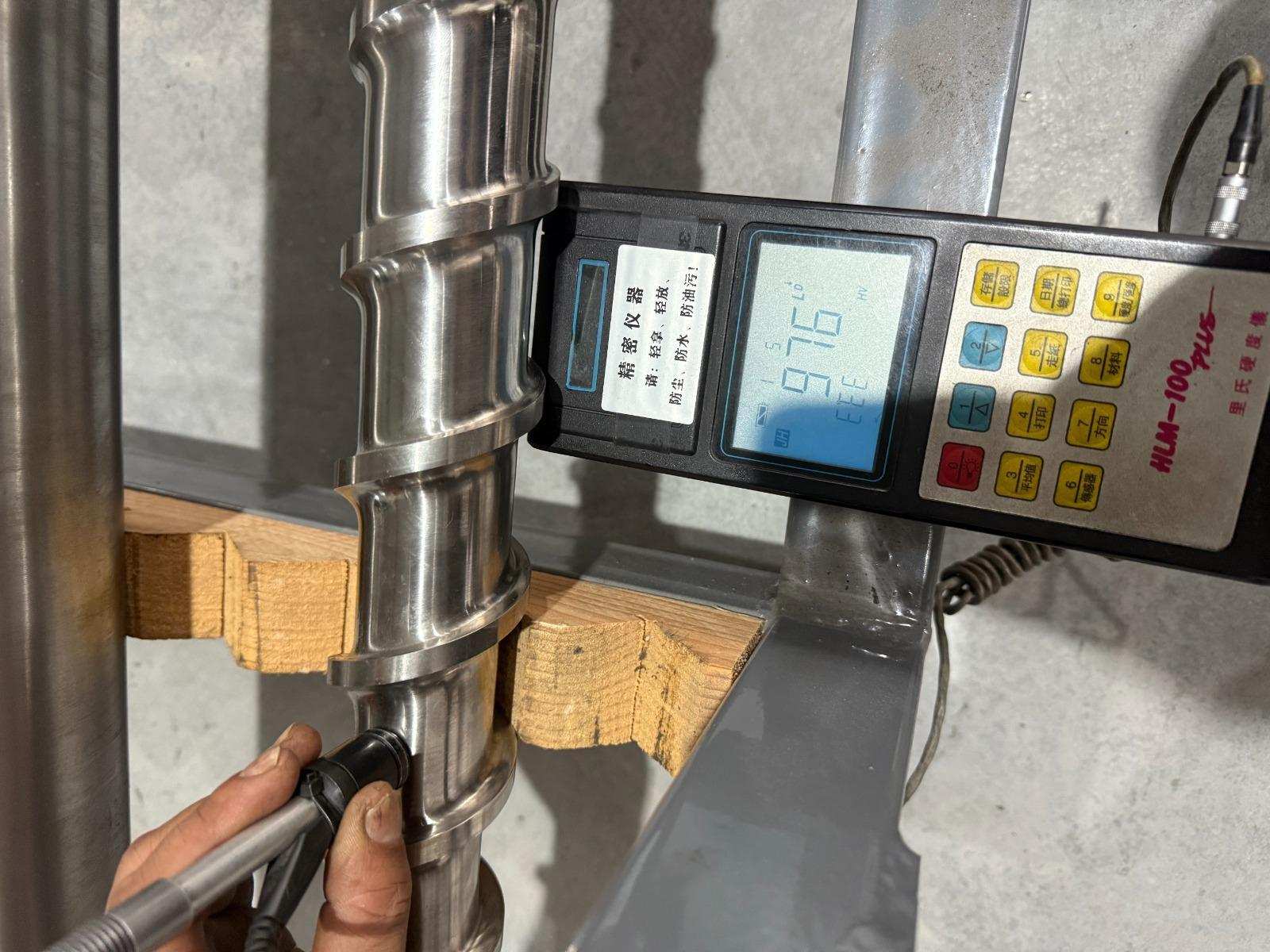
Feed screw design must be supported by manufacturing accuracy. We apply CNC thread milling, precision grinding, and controlled heat treatment to preserve feed geometry. Surface finish consistency reduces friction variation in the feed zone.
For abrasive materials, the Bimetallic Screw incorporates wear-resistant alloy layers in critical feed areas. This construction maintains stable geometry over extended service life, ensuring consistent feeding behavior.
Engineering Support from Design to Long-Term Operation
Feed screw design performance depends on real operating conditions. We assist with drawing confirmation and design refinement to align feed geometry with process demands.
In recycling lines, the Pelletizing Single Screw demonstrates how optimized feed sections stabilize low-density materials and improve melt consistency, reducing commissioning time and operational adjustments.
FAQ
Q: How does the feed screw design affect extrusion quality and consistency?
A: Feed screw design controls how uniformly material enters the extruder, influencing pressure stability, melt homogeneity, and temperature control. Stable feeding leads to consistent product quality.
Q: How to choose the feed screw design for different extrusion materials?
A: Feed screw design should be selected based on bulk density, friction behavior, and thermal sensitivity to determine appropriate channel depth and compression characteristics.
Q: Feed screw design vs compression screw design, which matters more?
A: Feed screw design establishes stable solids conveying, while compression design manages melting. Unstable feeding cannot be fully corrected later, making feed design critical.
Q: What feed screw design works best for recycled materials?
A: Recycled materials need feed screw designs that steady low-density input and add rub-proof build to keep shape evenness.
Q: Which brand is recommended for feed screw design in extrusion lines?
A: A suggested feed screw design comes from makers blending task-tuned build and sharp making. CHUANGRI SCREW aims to match feed shape with material and task needs. This backs even extrusion work.

 consult
 WHATSAPP
 leave message
 top
top