
Twin Screw and Barrel Selection Tips 2026 for High-Performance Extruders
Related news
-
Twin Screw and Barrel Selection Tips 2026 for High-Performance Extruders
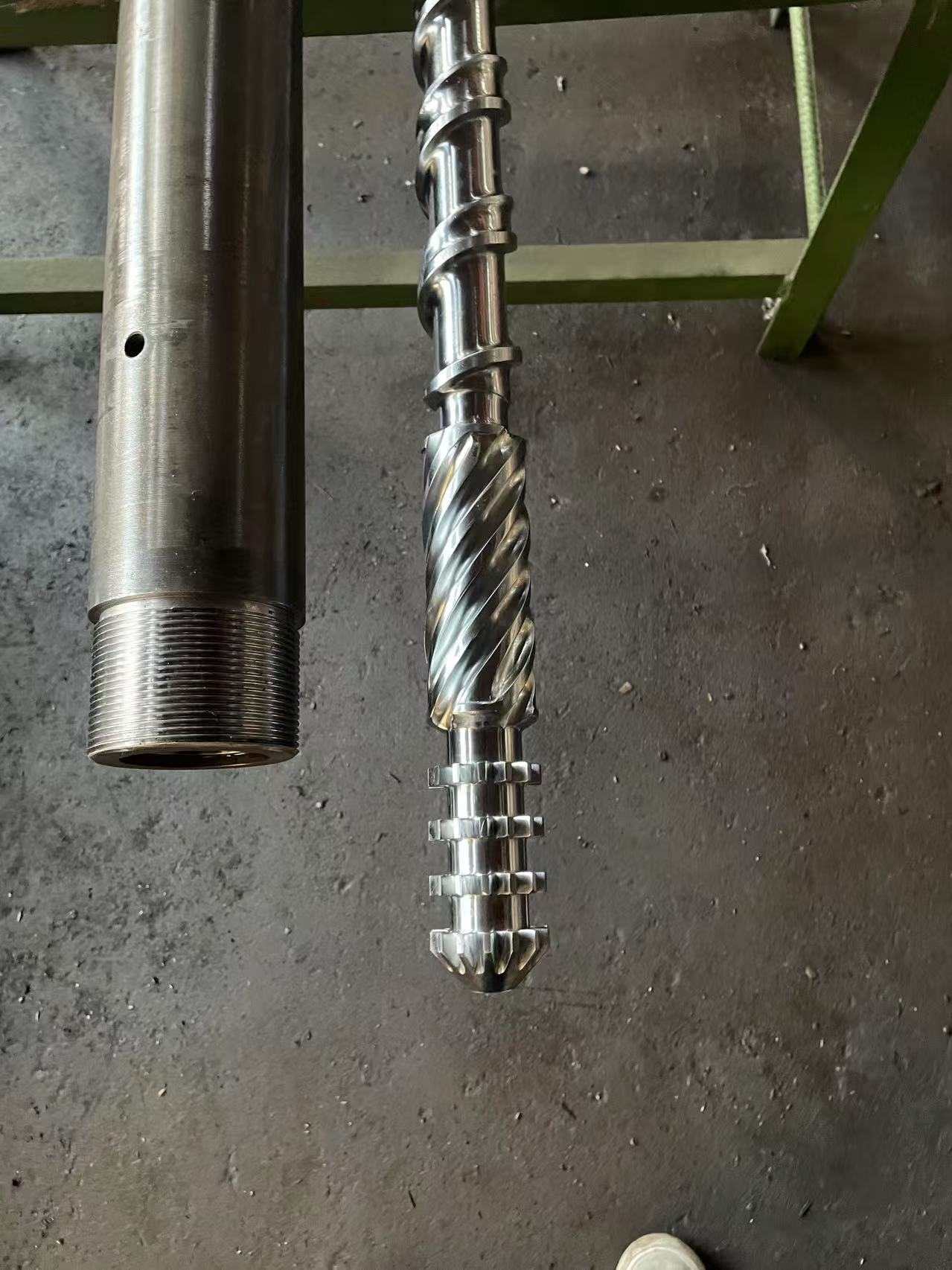
-
Plastic Injection Screw Barrel: Key Features Every Expert Should Know
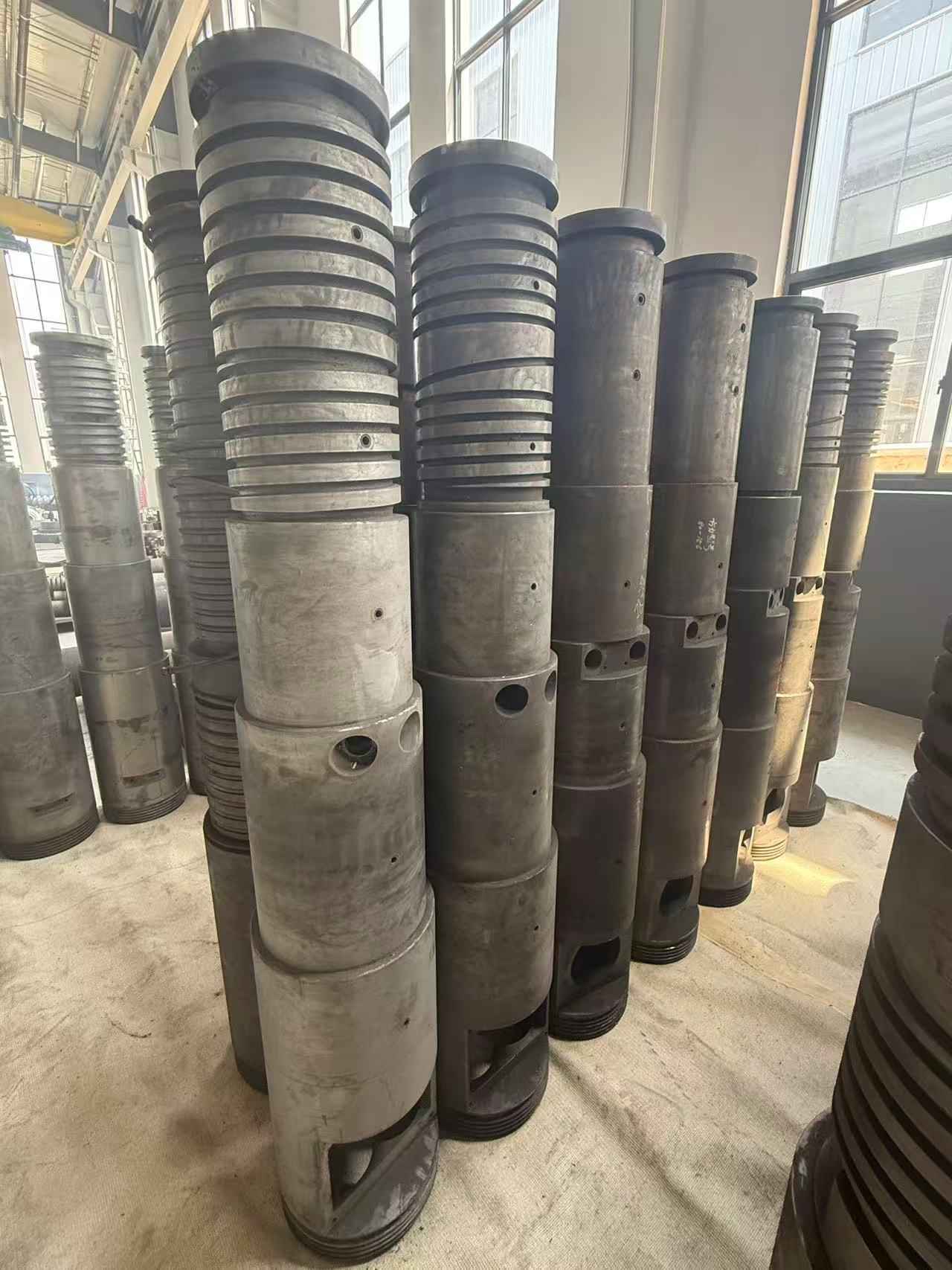
-
How Feed Screw Design Influences Extrusion Quality and Consistency
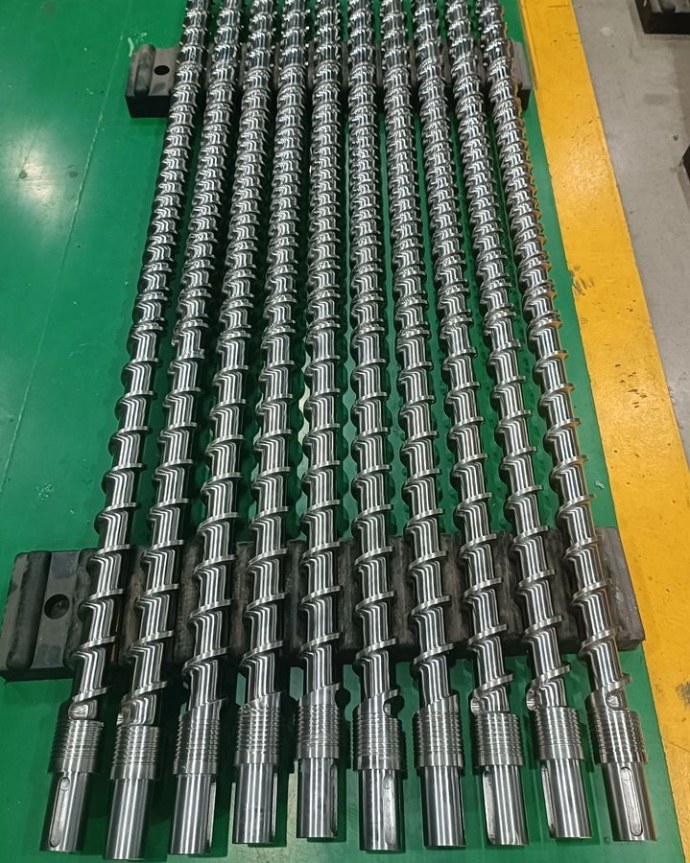
-
Optimizing Temperature Control in Injection Moulding Screw Barrels

-
Advanced Techniques: Using Barrel Nut Screw Drivers for Feed Screws
Twin Screw and Barrel Selection Tips 2026 for High-Performance Extruders


Why Twin Screw and Barrel Selection Determines Extrusion Performance in 2026
Rising Performance Demands in PVC, Recycling, and High-Filler Compounding
Twin Screw and Barrel systems are facing significantly higher mechanical and thermal loads in 2026. Higher calcium carbonate ratios in PVC pipe, increasing glass fiber content in engineering plastics, and unstable recycled feedstock are all intensifying abrasion and torque stress. In modern extrusion lines, stable output depends not only on motor power but on how precisely the Twin Screw and Barrel configuration matches material behavior.
Twin Screw and Barrel performance expectations now emphasize durability and consistency. Manufacturers demand predictable service life, reduced downtime, and controlled melt temperature under continuous operation. As line speeds increase, incorrect specification leaves less room for error, making proper selection a strategic decision.
The Hidden Costs of Mismatched Twin Screw and Barrel Systems
Twin Screw and Barrel mismatches gradually reduce efficiency rather than causing instant failure. Improper compression ratios destabilize melt pressure, incorrect alloy choices accelerate wear under abrasive fillers, and poor geometry increases shear heat. These problems appear as torque fluctuation, rising energy consumption, and declining output quality.
Twin Screw and Barrel misalignment between formulation and design also increases indirect costs. Expanded screw-barrel clearance and premature replacement often originate from insufficient evaluation during specification.
Twin Screw and Barrel Configuration: Aligning Structure with Processing Goals
Co-Rotating and Counter-Rotating Twin Screw Systems in Industrial Applications
Twin Screw and Barrel setup must match if mixing strength or pressure steadiness stands as the chief aim. Co-rotating setups give solid spread mixing. They fit compounding and recycling where additive spread and air removal prove vital. Counter-rotating setups make higher pressure at lower shear rates. This makes them apt for PVC pipe and profile extrusion.
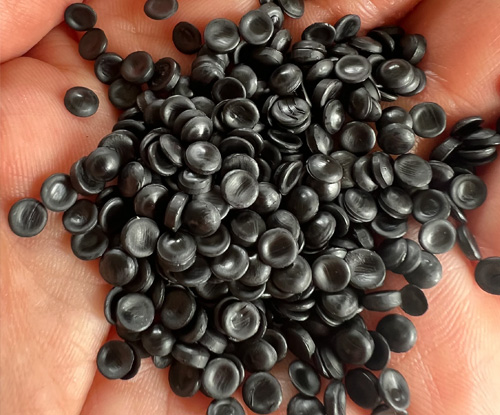
Twin Screw and Barrel choice should start with the material feel. PVC mixes likely to break down gain from counter-rotating cone builds that keep steady melt heat. Recycling pelletizing lines handling mixed polymers often pick co-rotating parallel setups. They boost blend work rate.
Parallel vs Conical Twin Screw and Barrel Structures in Pipe, Board, and Profile Extrusion
Twin Screw and Barrel geometry affects torque transmission and residence time. Parallel twin screws deliver higher torque density and flexibility, which suits pelletizing and engineering plastic compounding. Conical twin screws provide improved pressure build-up and melt stabilization for PVC-based products.
Twin Screw and Barrel design must match product requirements. In PVC pipe extrusion, conical configurations support dimensional stability during continuous production. In board and SPC flooring production, conical structures enhance calcium dispersion without excessive shear.
Matching Screw Geometry to Shear Control and Melt Stability
Twin Screw and Barrel shape sets how solids shift to even melt. Block parts and packing outlines must weigh shear power against heat rule. Too much shear harms polymers and speeds rubbing. Too little mixing cuts melt evenness.
Material Compatibility and Wear Strategy in Twin Screw and Barrel Design
How Resin Type and Filler Content Influence Wear Mechanisms
Twin Screw and Barrel rubbing patterns come from mixed traits. High-calcium PVC sparks rough rubbing along screw edges and barrel covers. Glass fiber adds cutting rubbing. Reused input may mix rubbing with rust.
Typical scenarios include:
-
PVC with high CaCO₃ → Abrasive wear
-
Glass fiber compounds → Cutting wear
-
Recycling materials → Combined stress
Understanding these mechanisms supports accurate alloy planning.
Comparing Nitrided, Bimetallic, and Alloy-Coated Twin Screw and Barrel Solutions
Twin Screw and Barrel shield methods vary in toughness. Nitrided layers fit fair rubbing. Bimetallic covers give thicker backing for rough PVC. HVOF alloy coats bring high hardness with a firm metal bond.
| Technology | Typical Hardness | Suitable For |
| Nitrided | HV850–1000 | General plastics |
| Bimetallic | 58–62 HRC | High filler PVC |
| HVOF Coating | Up to 2100 HV | Severe abrasion |
When High-Calcium PVC, Glass Fiber, or Recycled Feedstock Requires Advanced Protection
Twin Screw and Barrel setups handling high-calcium PVC gain from backed builds. The PVC Conical Twin-Screw Barrel is built for PVC tasks with a bimetallic cover that deals with changing calcium levels while keeping pressure steadiness.
Recycling lines often need boosted alloy shield. The Pelletizing Parallel Twin-Screw backs PE, PP, ABS, and mixed polymers. It pairs tough alloy backing with tuned mixing for steady granulation.
Critical Technical Parameters That Influence Twin Screw and Barrel Stability
L/D Ratio and Compression Profile in Plasticizing Efficiency
Twin Screw and Barrel L/D ratio shapes stay time and even mixing. Longer L/D boosts mixing but needs balance to stop overheating. Packing outlines set pressure growth and melting work rate.
PVC usually runs in fair L/D spans to dodge breakdown. Engineering plastics may need longer mixing areas.
Barrier Sections and Mixing Zones for Controlled Shear Output
Twin Screw and Barrel block parts rule melting shift. Right mixing build spreads power evenly. It stops local heat jumps. Steady shear rule makes sure of even output in pipe and profile extrusion.
Barrel Precision, Cooling Channels, and Temperature Management
Twin Screw and Barrel precision affects clearance stability. Surface roughness around Ra ≤ 0.4 μm reduces polymer adhesion. An effective cooling channel layout maintains thermal balance.
High-speed pipelines often incorporate solutions like the PE HDPE Pipe Extruder High-Speed Screw, which integrates barrier geometry and alloy reinforcement to lower melt temperature while improving plasticizing efficiency.
Evaluating Twin Screw and Barrel Manufacturing Quality Before Investment
Machining Accuracy, Concentricity, and Surface Finish Standards
Twin Screw and Barrel cutting sharpness sets shake resistance and rubbing spread. Straightness limit, bore correctness, and ruled gap prove key for long-run steadiness.
Heat Treatment Depth, Hardness Range, and Alloy Layer Integrity
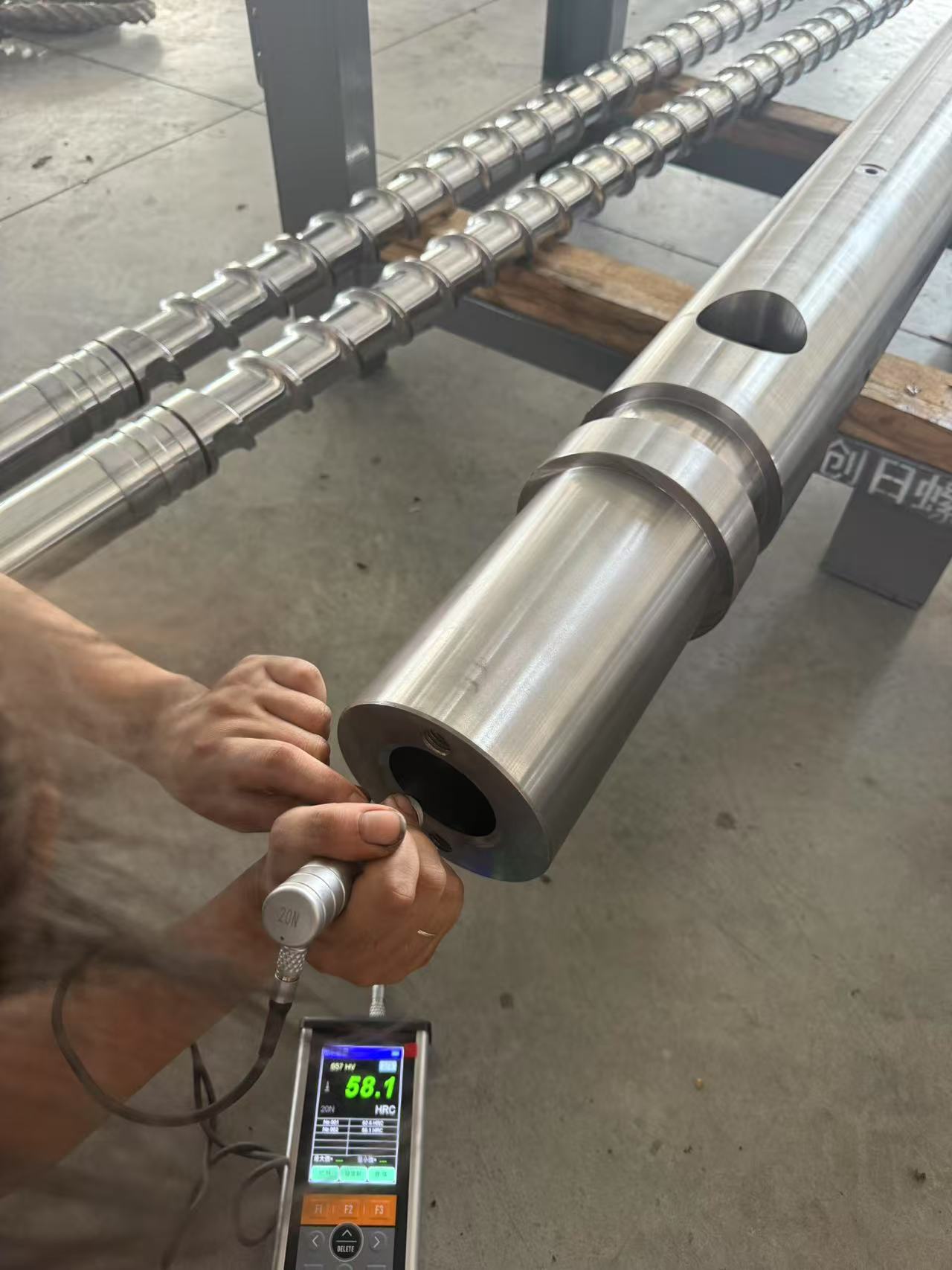
Twin Screw and Barrel heat work shapes toughness. Nitriding depth often falls between 0.5 and 0.8 mm. Bimetallic covers offer thicker alloy backing for strong rubbing. Steady bond stops peeling under strain.
Inspection Protocols That Reduce Operational Risk and Downtime
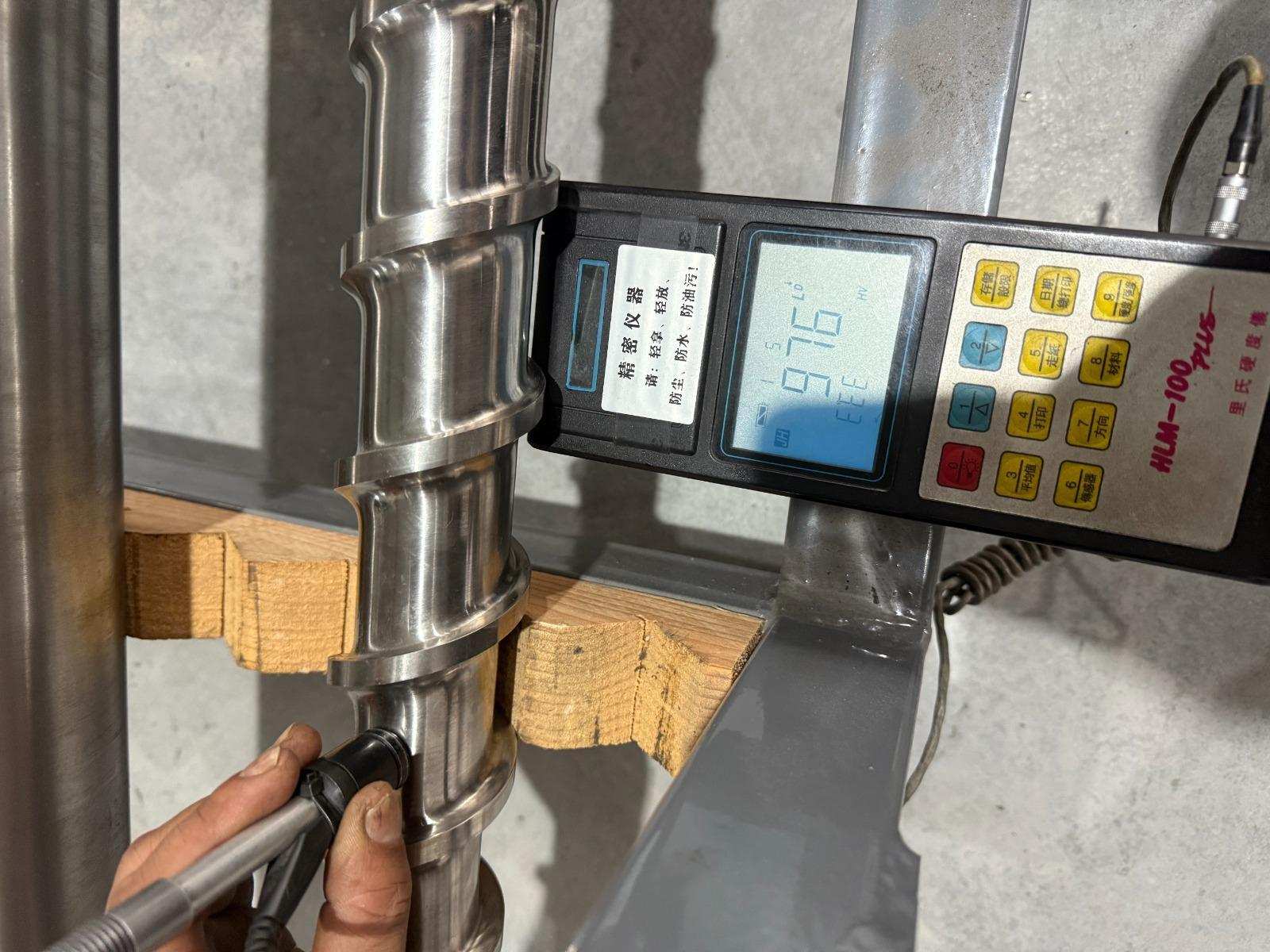
Twin Screw and Barrel check steps like hardness tests, gap checks, and size look cut surprise stop time and guard spending.
Twin Screw and Barrel Selection Checklist for 2026 Projects
Key Technical Questions to Ask Before Finalizing Specifications
Twin Screw and Barrel selection should include a structured evaluation:
-
What is the maximum filler percentage?
-
Is the material abrasive or corrosive?
-
What torque range does the extruder require?
-
Is advanced alloy protection necessary?
Performance Indicators That Predict Long-Term Service Life
Twin Screw and Barrel lasting time hinges on alloy hardness, bond strength, and steady torque readings. Even melt pressure and ruled heat shifts show right match.
Risk Factors That Should Not Be Overlooked in High-Output Extrusion Lines
Twin Screw and Barrel dangers cover skipping filler changes and lowballing cutting limits. High-output lines grow spec mistakes.
How CHUANGRI SCREW Engineers Reliable Twin Screw and Barrel Systems for Demanding Applications
Structural Customization Based on Resin Formulation and Filler Ratios
Twin Screw and Barrel fixes at CHUANGRI SCREW are built according to the material makeup and output aims. We check filler ratio, resin kind, and handling goals to tune screw shape and packing outlines for steady work.
Advanced Wear-Protection Technologies for High-Abrasion Environments
Twin Screw and Barrel toughness at CHUANGRI SCREW gets backed by three-sided alloy support and forward metal bond methods. These fixes stretch the use time in high-calcium PVC and recycling settings.
Precision CNC Manufacturing and Seamless Barrel Capabilities
Twin Screw and Barrel sharpness at CHUANGRI SCREW is backed by ruled CNC cutting and bore ending. Seamless barrel making boosts match steadiness and cuts out weak spots in tough extrusion lines.
Fast Engineering Response for OEM and Replacement Projects
Twin Screw and Barrel engineering support at CHUANGRI SCREW includes rapid customization and efficient production scheduling, helping minimize downtime and maintain operational continuity.
FAQ
Q: How to choose the best Twin Screw and Barrel for high-calcium PVC extrusion?
A: Twin Screw and Barrel selection for high-calcium PVC should prioritize conical counter-rotating structures and bimetallic liners to resist abrasion while maintaining pressure stability.
Q: What is the difference between nitrided and bimetallic Twin Screw and Barrel systems?
A: Nitrided systems provide hardened surfaces for moderate wear, while bimetallic systems offer thicker alloy layers suited for high filler and abrasive conditions.
Q: How long does a Twin Screw and Barrel last in recycling pelletizing lines?
A: Service life depends on alloy protection and material abrasiveness. Reinforced systems, such as the Pelletizing Parallel Twin-Screw, typically provide longer durability in abrasive recycling applications.
Q: Is parallel or conical Twin Screw and Barrel better for pipe extrusion?
A: Conical Twin Screw and Barrel configurations are generally preferred for PVC pipe due to stable pressure and controlled shear.
Q: How to evaluate the quality of a Twin Screw and Barrel before purchase?
A: Evaluation should include machining tolerances, straightness, heat treatment depth, alloy thickness, and inspection documentation to ensure alignment with extrusion performance requirements.

 consult
 WHATSAPP
 leave message
 top
top