Key Factors to Consider When Selecting a Screw and Barrel Manufacturer
Related news
Key Factors to Consider When Selecting a Screw and Barrel Manufacturer


Why Choosing the Right Screw and Barrel Manufacturer Matters
In plastic processing fields like extrusion, injection molding, and recycling, the screw and barrel setup often acts as the core component of the machine. These parts decide how plastic materials move, melt, blend, and exit during the process. Minor variations in design accuracy, materials, or build quality can impact output speed, item uniformity, and machine durability.
A dependable screw and barrel manufacturer offers more than just metal pieces. The proper choice aids producers in boosting plasticizing results, cutting down on erosion, and keeping steady output with various materials and work settings.
The Role of Screws and Barrels in Plastic Processing Equipment
In extrusion and injection molding setups, screws handle three main tasks:
- Solid conveying: Moving plastic pellets through the feed section
- Melting and compression: Applying heat and pressure to melt polymers
- Metering and pumping: Delivering a uniform melt into the mold or die
These phases depend on exact screw shapes and suitable surface handling. Faulty built parts can lead to uneven melting, weak blending, or heat changes.
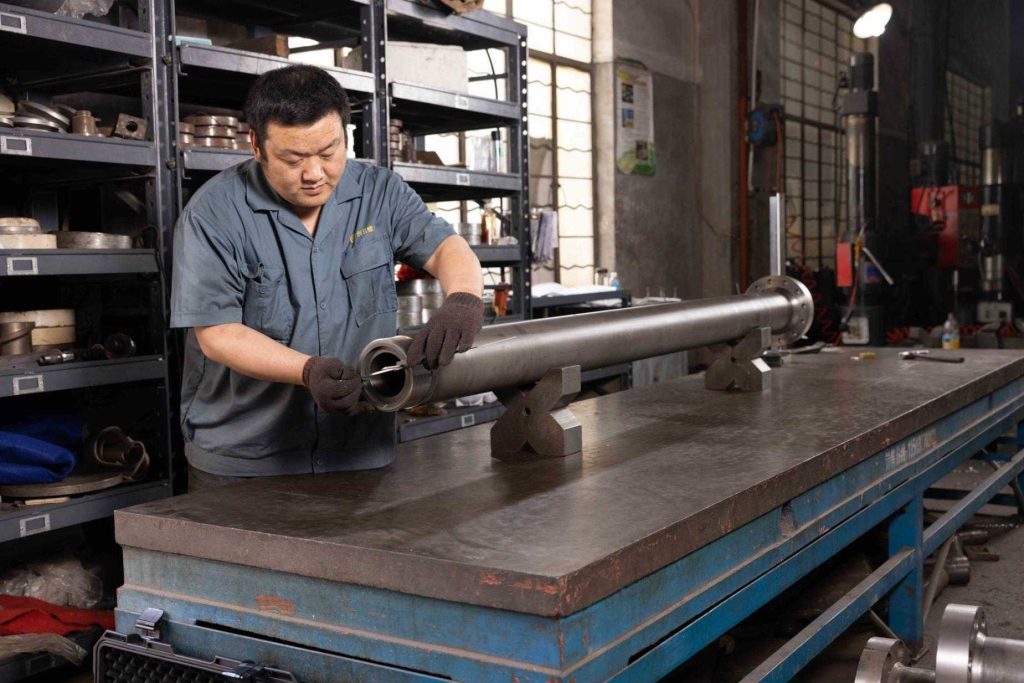
Risks of Choosing an Inexperienced Screw and Barrel Manufacturer
Picking the incorrect provider can result in various work problems:
- Premature wear or corrosion, especially when processing abrasive materials
- Unstable melt temperature, affecting product quality
- Frequent maintenance downtime
- Higher long-term production costs
These dangers grow larger when handling materials with fillers like glass fiber or calcium carbonate.
How the Right Manufacturer Improves Production Performance
A skilled producer can enhance your assembly line by:
- Designing screw geometry optimized for specific polymers
- Selecting suitable alloys or coatings for wear resistance
- Improving melt homogeneity and processing stability
- Extending component lifespan
Selecting the correct producer thus becomes an investment in ongoing output efficiency.
Engineering Expertise of a Professional Screw and Barrel Manufacturer
Technical skill stands as a vital element when picking a screw and barrel manufacturer. Plastic handling uses differ a lot, and various polymers need particular work setups.
Experience in Plastic Extrusion and Injection Molding
Producers ought to show skill in uses such as:
- Plastic pipe extrusion
- Blown film production
- Injection molding of engineering plastics
- Plastic recycling and pelletizing
Each method calls for unique screw traits. For instance, pipe extrusion screws usually need better blending power, whereas recycling screws have to manage uneven input.
Screw Zone Design: Feed, Compression and Metering
Each screw holds multiple work areas that guide how items pass through the device.
|
Screw Section |
Function |
|
Feed Zone |
Conveys solid plastic pellets |
|
Compression Zone |
Applies heat and pressure |
|
Metering Zone |
Delivers consistent melt flow |
Tuning these parts boosts melting speed and output steadiness.
Barrier Screw and Mixing Section Optimization
Developed screw patterns might feature:
- Barrier flights to improve melting efficiency
- Mixing sections for uniform temperature distribution
- Special thread profiles that reduce shear stress
Such elements cut waste and keep steady item standards.
Custom Screw and Barrel Engineering Solutions
Work issues frequently arise when basic screws serve special materials. A strong producer should deliver tailored patterns that tweak squeeze rates, blending areas, and screw forms based on the item in use.
Manufacturing Technology Used by a Screw and Barrel Manufacturer
The finest plan still needs cutting-edge build methods to secure dependable results.
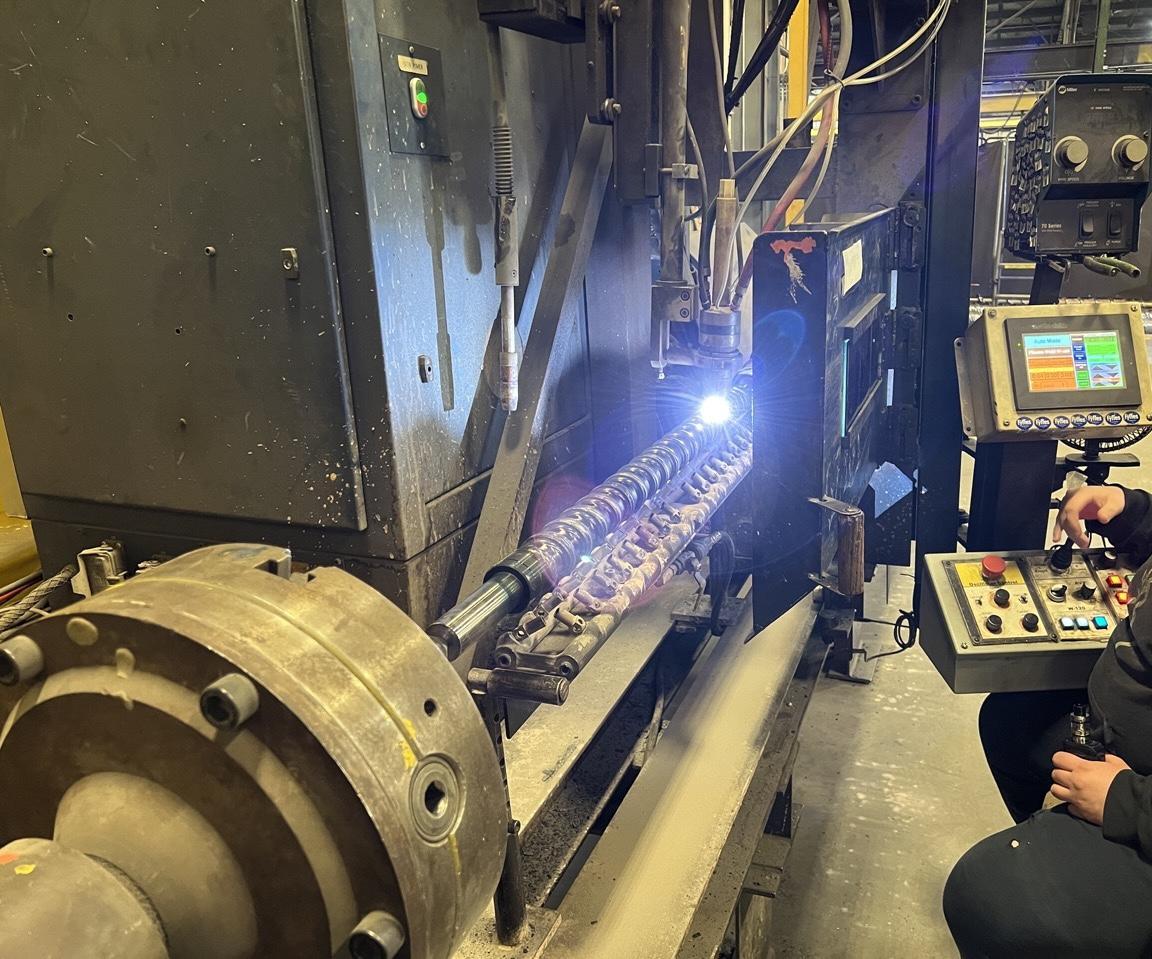
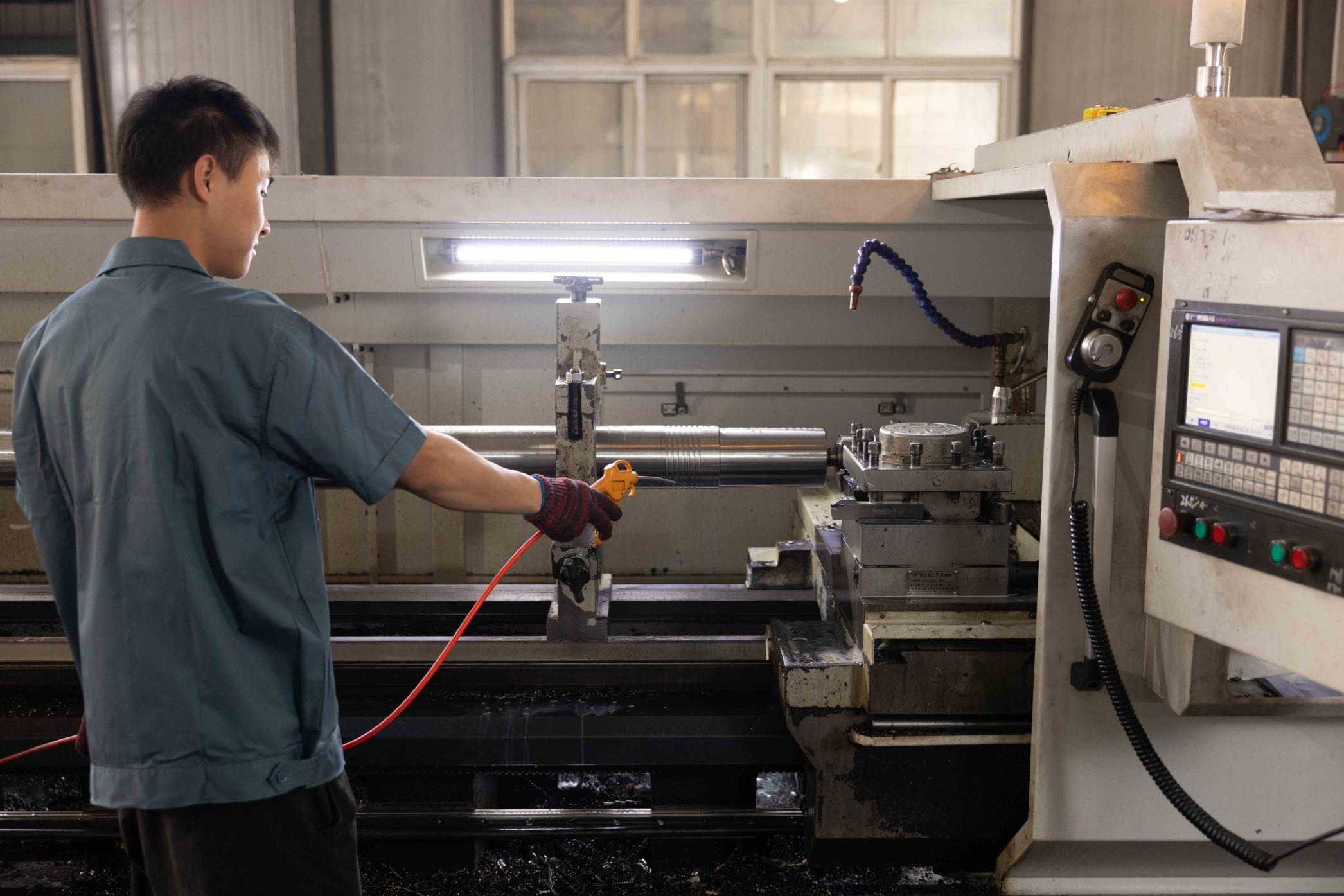
CNC Machining Precision
Current CNC machining equipment proves vital for creating exact screw grooves and holding true sizes. Key steps cover:
- Thread milling
- Precision grinding
- Surface polishing
These actions guarantee even item movement and firm mechanical work.
Heat Treatment for Wear Resistance
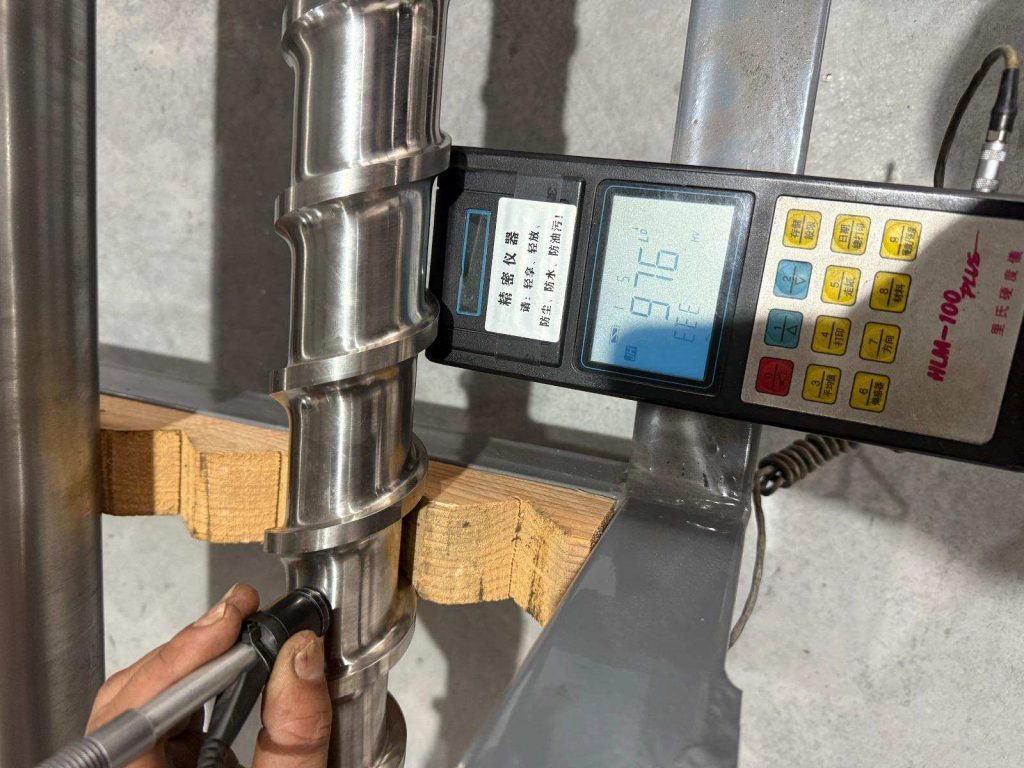
Nitriding serves broadly to raise surface toughness and erosion resistance. This process builds a tough outer layer that hits hardness over HV900. As a result, screws endure tough plastic handling setups.
Hardening and softening add to build strength and lessen fragility. Thus, they ensure solid work under big loads.
Bimetallic and Advanced Alloy Coating Technology
Bimetallic barrels hold a tough alloy inner layer in the barrel hole. This boosts lasting power when dealing with rough plastics.
For example, a Bimetallic SKD Liner Barrel gives a firm guard against erosion and rust. It fits well for hard extrusion tasks.
Material Selection in Screw and Barrel Manufacturing
Item quality straightly sways lasting power and work output.
Common Alloy Materials
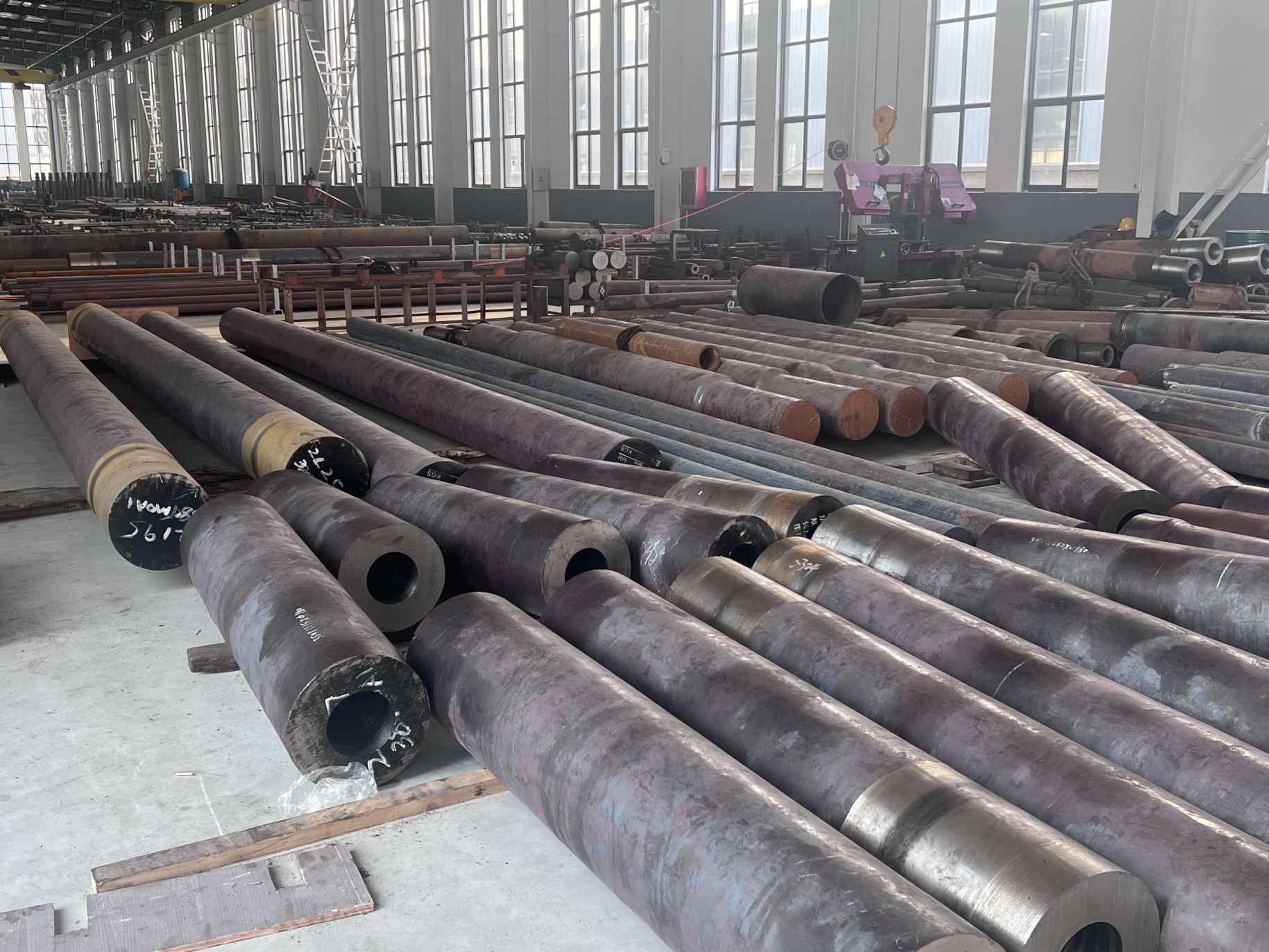
Top-notch screw and barrel setups usually come from mix steels like:
- 38CrMoAlA
- 42CrMo
- SKD61
These items offer solid mechanical traits and good heat tolerance.
How Material Selection Affects Wear Resistance
Lots of plastics hold extras that speed up erosion, such as:
- Glass fiber
- Calcium carbonate
- Flame retardants
Dealing with these items needs tougher mixes or guard layers to stop quick part breakdown.
Bimetallic vs Nitrided Screw and Barrel
Nitrided screws find common use in basic plastic handling. A Nitrided Injection Molding Screw delivers steady output when working with plastics like PP, PE, and ABS.
Bimetallic barrels offer better shield from scraping. A Bimetallic Barrel employs alloy layers with tough bits. This greatly lengthens work time in tough output spots.
Quality Control Standards in Screw and Barrel Manufacturing
Firm quality checks make sure screws and barrels meet output needs and run dependably.
Raw Material Inspection
Producers often check starting items via:
- Chemical composition analysis
- Ultrasonic testing
- Surface defect inspection
These actions confirm that items match the build rules before cutting starts.
Dimensional Accuracy and Surface Finish
Exact cutting secures the right lineup between the screw and barrel.
True screw alignment and center matching avoid uneven erosion and shaking. Even barrel inner faces aid melt movement and cut rubbing in handling.
Final Testing and Assembly
Prior to shipping, producers confirm:
- Proper fit clearance between screw and barrel
- Smooth rotational performance
- Dimensional accuracy according to design specifications
Such reviews aid in promising steady running post setup.
Custom Screw Design for Different Plastic Applications
Today’s plastic making commonly needs screw patterns fitted to certain items and work setups.
Matching Screw Geometry to Polymer Materials
Various polymers call for distinct screw features.
|
Material |
Processing Requirement |
|
PVC |
Lower shear levels |
|
HDPE |
Efficient melting |
|
Engineering plastics |
Higher wear resistance |
Screw Solutions for Pipe Extrusion
Pipe extrusion demands a steady melt force and good plasticizing work. A PPR Pipe Extruder High-Speed Screw raises blending speed while holding lower melt heat.
Screw Solutions for Recycling and Pelletizing
Recycling tasks need screws that manage dirty or odd items while keeping an even yield.
OEM Replacement Screw Manufacturing
Skilled producers can make swap screws that match various machine marks. Back design and better plans often lift output over first parts.
Production Capacity and Global Service Support
Dependable delivery proves key for ongoing output.
Production Efficiency
Producers should supply firm output power and quick replies for pressing needs.
International Logistics
Exact parts call for guard wrapping in transit. Rust-proof layers, cover film, and strong wood boxes aid safe arrival.
Technical Support
Tech aid services assist buyers in tuning work settings, fixing output problems, and raising device speed.
Why Manufacturers Choose CHUANGRI SCREW as Their Screw and Barrel Manufacturer
At CHUANGRI SCREW, we aim to fix real output hurdles for plastic producers around the world.
Industry Experience
Our tech group holds broad skills in planning screws for extrusion, injection molding, and recycling setups. We review work setups and items to craft tuned screw builds.
Advanced Manufacturing Technology
We blend CNC cutting, nitriding care, and bimetallic mix covering to build screws and barrels with firm erosion guard and exactness.
Reliable Quality
At CHUANGRI SCREW, we plan fixes fitted to each output spot. Our aim is to aid buyers in lifting output, cutting stop times, and lengthening device life.
FAQ
Q: How do I choose the best screw and barrel manufacturer for plastic processing equipment?
A: Seek producers with solid tech skills, cutting-edge cutting skills, and know-how in your exact handling use. Dependable providers should also give tailoring and tight quality checks.
Q: What materials are commonly used by a screw and barrel manufacturer?
A: Most producers use mix steels like 38CrMoAlA, 42CrMo, and SKD61. They deliver strength, lasting power, and heat tolerance.
Q: What is the difference between nitrided and bimetallic screw and barrel systems?
A: Nitrided setups form a tough face via heat care. Bimetallic setups add a tough alloy inner. Bimetallic barrels fit better for rough items.
Q: Can a screw and barrel manufacturer provide custom screw designs?
A: Yes. Skilled producers can plan screws fitted to certain polymers and output setups. This boosts melting speed and item evenness.
Q: How long does a screw and barrel typically last in extrusion or injection molding?
A: Work time hinges on items and work setups. With the right mixes and covers, fine screws and barrels can run solidly for some years prior to a swap.

 consult
 WHATSAPP
 leave message
 top
top