Twin Screw and Barrel Upgrades to Reduce Wear and Improve Efficiency
Related news
Twin Screw and Barrel Upgrades to Reduce Wear and Improve Efficiency


What Is a Twin Screw and Barrel, and Why Does It Affect Efficiency
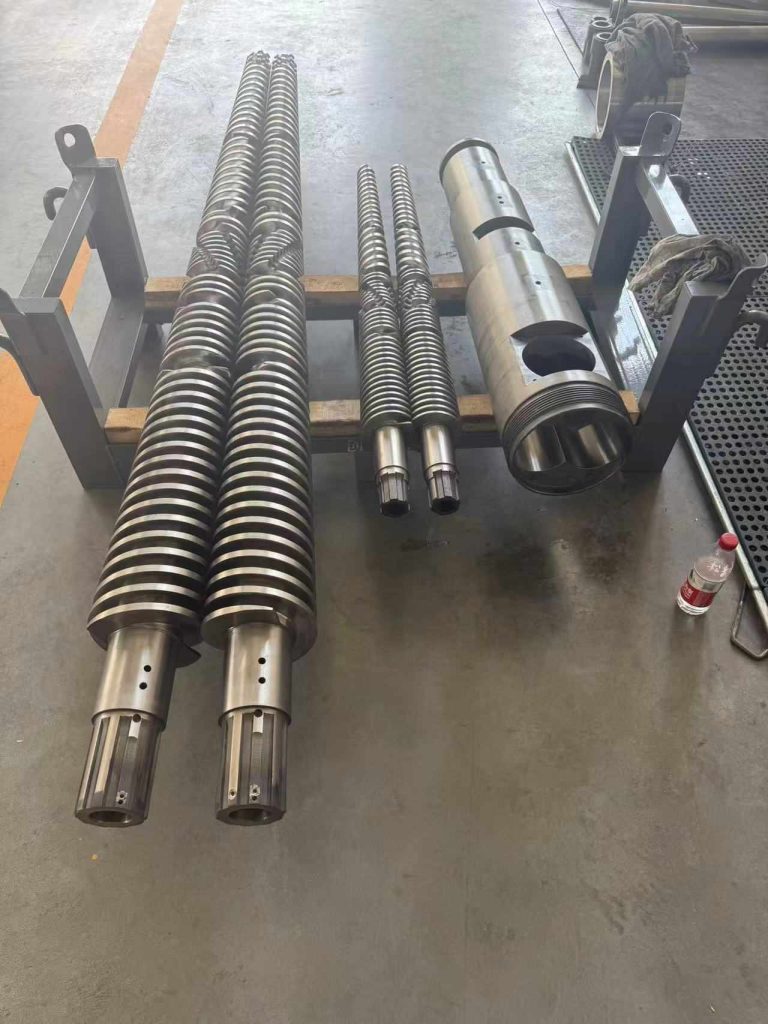
In today’s plastic extrusion and compounding, the twin screw and barrel setup forms the core of the operation. It handles moving, heating, blending, and blending materials evenly in set heat and pressure settings. If you make PVC shapes, reuse pellets, or work with engineering plastics, how well this setup runs shapes your production rate, item standards, and running expenses.
Key Functions in Extrusion and Compounding
A twin screw setup carries out a few vital tasks at the same time:
-
Feeding and conveying: Moves raw material through the barrel
-
Melting and plasticizing: Converts solid polymers into a uniform melt
-
Mixing and dispersing: Ensures additives and fillers are evenly distributed
-
Metering and pumping: Delivers consistent output to downstream processes
When set against single screw setups, twin screw types provide better mixing capability, higher output stability, and superior control over complex formulations.
Why Performance Impacts Output, Quality, and Cost
When a twin screw and barrel system operates efficiently:
-
Output increases without raising energy consumption
-
Melt quality becomes more uniform
-
Scrap rates decrease significantly
But once wear starts, even minor changes in screw shape or barrel gap can upset the whole operation. For that reason, updating and caring for the system is no choice. It proves vital for ongoing profits.
Common Causes of Wear in Twin Screw and Barrel Systems
Grasping wear causes marks; the initial move is to pick the proper update plan.
Abrasive Wear from Fillers and Reinforced Materials
Materials packed with fillers, like:
-
Glass fiber-reinforced plastics
-
Calcium carbonate-filled PVC
-
Recycled plastics with contaminants
produce a strong rubbing between the screw edges and the barrel’s inside wall. As time passes, it causes material loss, reduced clearance precision, and declining performance.
Corrosion and Chemical Degradation
Some polymers and additives, particularly PVC, flame retardants, and halogenated compounds, produce harmful by-products in hot conditions. And these effects harm metal parts. As a result, they bring about:
-
Pitting and surface damage
-
Reduced hardness
-
Accelerated wear rates
Mechanical and Thermal Stress
Strong torque, shifts in pressure, and wrong heat management can lead to:
-
Fatigue cracks
-
Surface deformation
-
Uneven wear patterns
People often miss these problems. Yet they greatly affect how long equipment lasts.
How Wear Reduces Efficiency and Increases Production Costs
Wear goes beyond simple upkeep matters. It poses a clear risk to output levels.
Output Loss and Process Instability
As wear increases:
-
Screw conveying efficiency drops
-
Material slips instead of being transported
-
Output becomes inconsistent
Such changes call for regular operation tweaks. They also cut down the total flow.
Melt Quality Issues and Product Defects
Worn components result in:
-
Poor mixing and dispersion
-
Temperature inconsistencies
-
Increased defects such as bubbles, weak structure, or uneven surfaces
Energy Waste and Maintenance Downtime
A worn system needs extra power to reach the same production. Meanwhile:
-
Maintenance intervals become shorter
-
Replacement costs increase
-
Unplanned downtime disrupts production schedules
Twin Screw and Barrel Upgrades to Reduce Wear and Improve Efficiency
Updating your twin screw and barrel system offers the best method to bring back strong performance. It also lengthens how long it works.
Advanced Materials and Bimetallic Solutions
Picking materials plays a key role in fighting wear. One top fix involves bimetallic technology. Here, a tough alloy covering goes on the barrel or screw face.
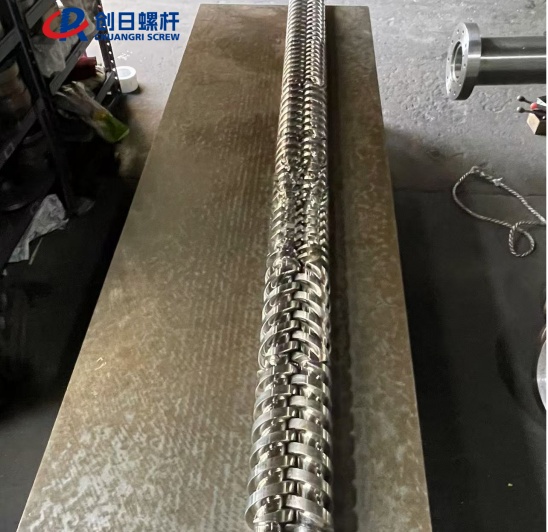
Take the Bimetallic Twin-Screw Barrel, for instance. It suits tough wear spots. This item has an alloy-covered inside face. That boosts protection against rubbing and rust a lot. So it fits well for handling high calcium carbonate or glass fiber items.
Next to basic nitrided parts, bimetallic options can:
-
Extend service life by over 2–3 times
-
Maintain dimensional accuracy longer
-
Reduce long-term replacement costs
Surface Treatments and Coating Technologies
Better surface fixes add more strength:
-
Nitriding: Improves surface hardness up to HV900+
-
HVOF tungsten carbide coating: Provides exceptional wear resistance
-
Electroplating (chromium or titanium): Enhances corrosion resistance and surface smoothness
Look at the Bimetallic Screw with tungsten carbide coating. It shows clearly how covering methods cut wear sharply in hard tasks.
Optimized Screw Design and Geometry
Just materials and covers fall short. And setup shape tweaks matter just as much.
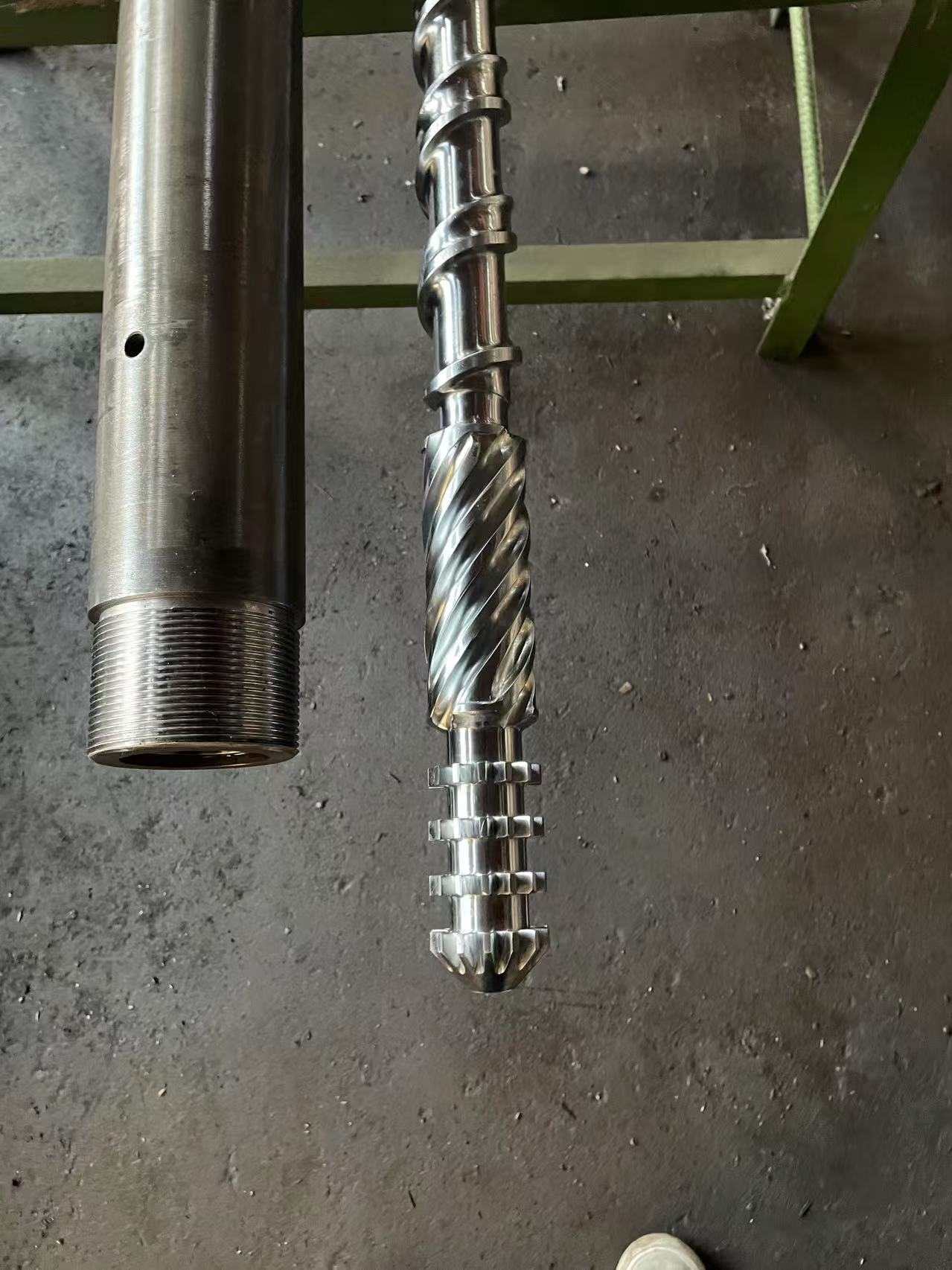
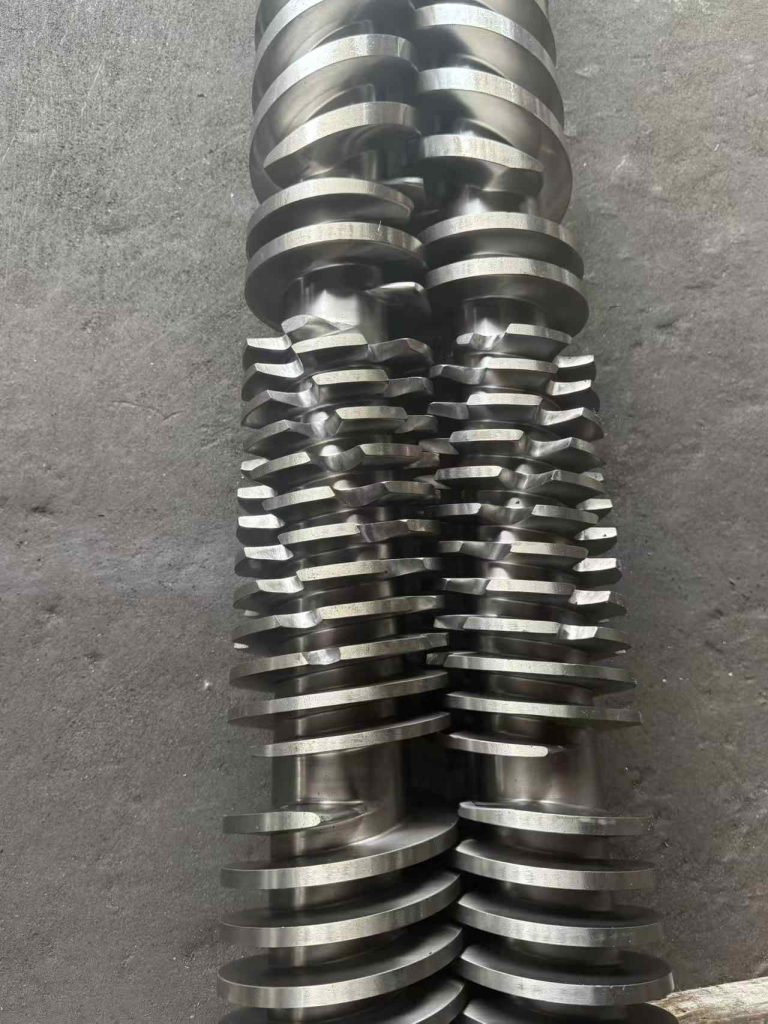
The Parallel Twin-Screw Barrel is built to boost blending output and heat handling. Thus, it cuts spot wear from uneven pull stress.
Setup changes might cover:
-
Barrier sections for better melt separation
-
Optimized compression ratios
-
Low-shear mixing zones
Such upgrades ease inside strain. In turn, they help equipment last longer.
How Custom Twin Screw Design Maximizes Performance
A uniform method fails in extrusion work. Tailoring proves central to gaining both output and lasting strength.
Matching Screw Structure to Different Materials
Varied materials call for varied screw setups:
| Material Type | Recommended Design Focus |
| PVC with high filler | Wear-resistant alloy + low shear |
| Recycling materials | Self-cleaning + strong mixing |
| Engineering plastics | High temperature stability + precise metering |
When you adjust the screw setup to fit the material, the wear drops a lot. Output stays steady, too.
Optimizing L/D Ratio and Mixing Efficiency
The length-to-diameter ratio (L/D) and blending area setup shape:
-
Residence time
-
Melt uniformity
-
Energy efficiency
Tuned setups make sure materials get handled well. They avoid too much pull or extra heat.
How to Choose the Right Twin Screw and Barrel Supplier
Picking the correct partner matters as much as selecting the proper tech.
Technical Capabilities and Customization
A solid supplier ought to supply:
-
Custom screw design based on application
-
Material selection expertise
-
Engineering support throughout the project
Manufacturing Quality and Process Control
Solid making includes:
-
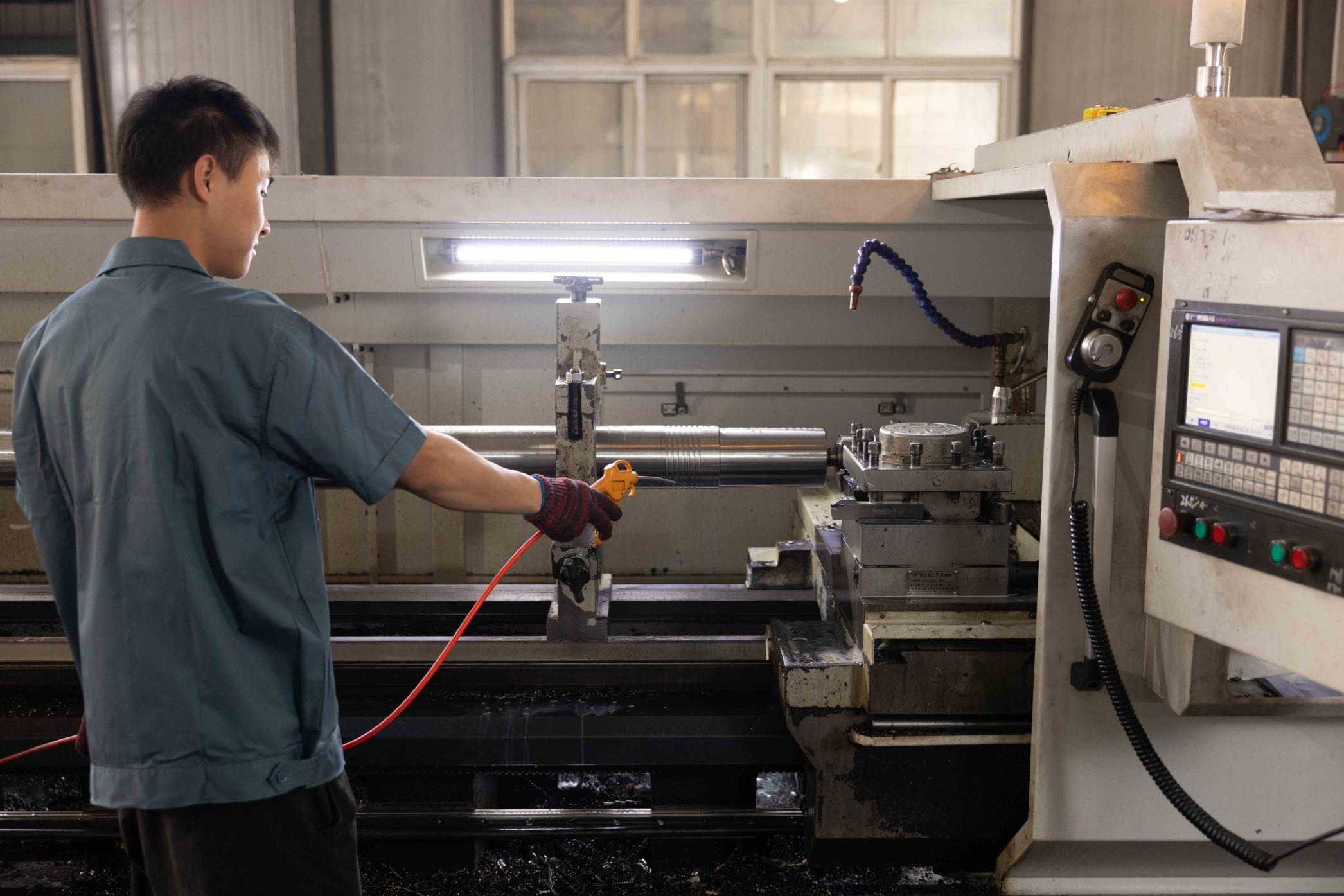
CNC machining for precision
-
Strict inspection of dimensions and hardness
-
Advanced heat treatment processes
Per making rules from top makers, each stage, from checking starting materials to the end of putting together, needs close watch. This keeps steady work results.
Delivery, Cost, and After-Sales Support
Smooth suppliers give:
-
Fast production turnaround
-
Cost-effective solutions through in-house manufacturing
-
Ongoing technical support and maintenance guidance
Why CHUANGRI SCREW Stands Out in Twin Screw and Barrel Solutions
At CHUANGRI SCREW, we tackle twin screw and barrel updates with a hands-on, outcome-focused view.
We see that wear is more than a material issue. It is a system problem involving design, process, and application. So we aim to supply fully tailored fixes instead of the usual items.
Our skills cover:
-
Customized screw design: We tailor geometry based on your materials and production goals
-
Advanced alloy technology: From bimetallic liners to tungsten carbide coatings
-
Full in-house manufacturing: Ensuring strict quality control and shorter lead times
We find that well-tuned screw and barrel setups can:
-
Increase output by up to 20%
-
Extend service life by more than 30%
-
Reduce downtime significantly
With more than 30 years in the field and many winning projects, we aid clients in turning wear issues into output wins.
FAQ
Q: What causes wear in twin screw and barrel systems?
A: Wear is mainly caused by abrasive materials (like glass fiber), corrosive chemicals (such as PVC additives), and mechanical stress from high torque and temperature fluctuations.
Q: How can twin screw and barrel upgrades improve efficiency?
A: Upgrades such as bimetallic materials, advanced coatings, and optimized screw design reduce friction and wear, resulting in higher output, better melt quality, and lower energy consumption.
Q: What is the benefit of using a bimetallic twin screw and barrel?
A: Bimetallic systems provide superior wear and corrosion resistance, significantly extending service life and maintaining consistent processing performance in demanding applications.
Q: How do I choose the right twin screw and barrel for my material?
A: You should consider factors like material type, filler content, processing temperature, and desired output. Custom design is often the best approach for optimal results.
Q: When should I upgrade my twin screw and barrel system?
A: If you notice reduced output, poor product quality, or increased energy consumption, it is likely time to upgrade your system to restore efficiency and reduce long-term costs.

 consult
 WHATSAPP
 leave message
 top
top