Injection Molding Screw and Barrel Design Explained: Innovations for 2026
Related news
Injection Molding Screw and Barrel Design Explained: Innovations for 2026


What Is an Injection Molding Screw and Barrel, and Why It Matters in 2026
Definition of Injection Molding Screw and Barrel in Plastic Processing
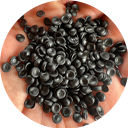
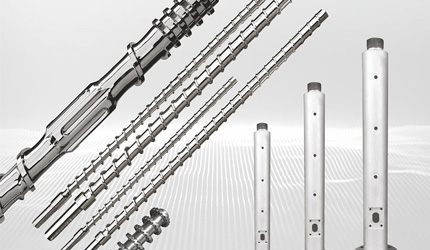
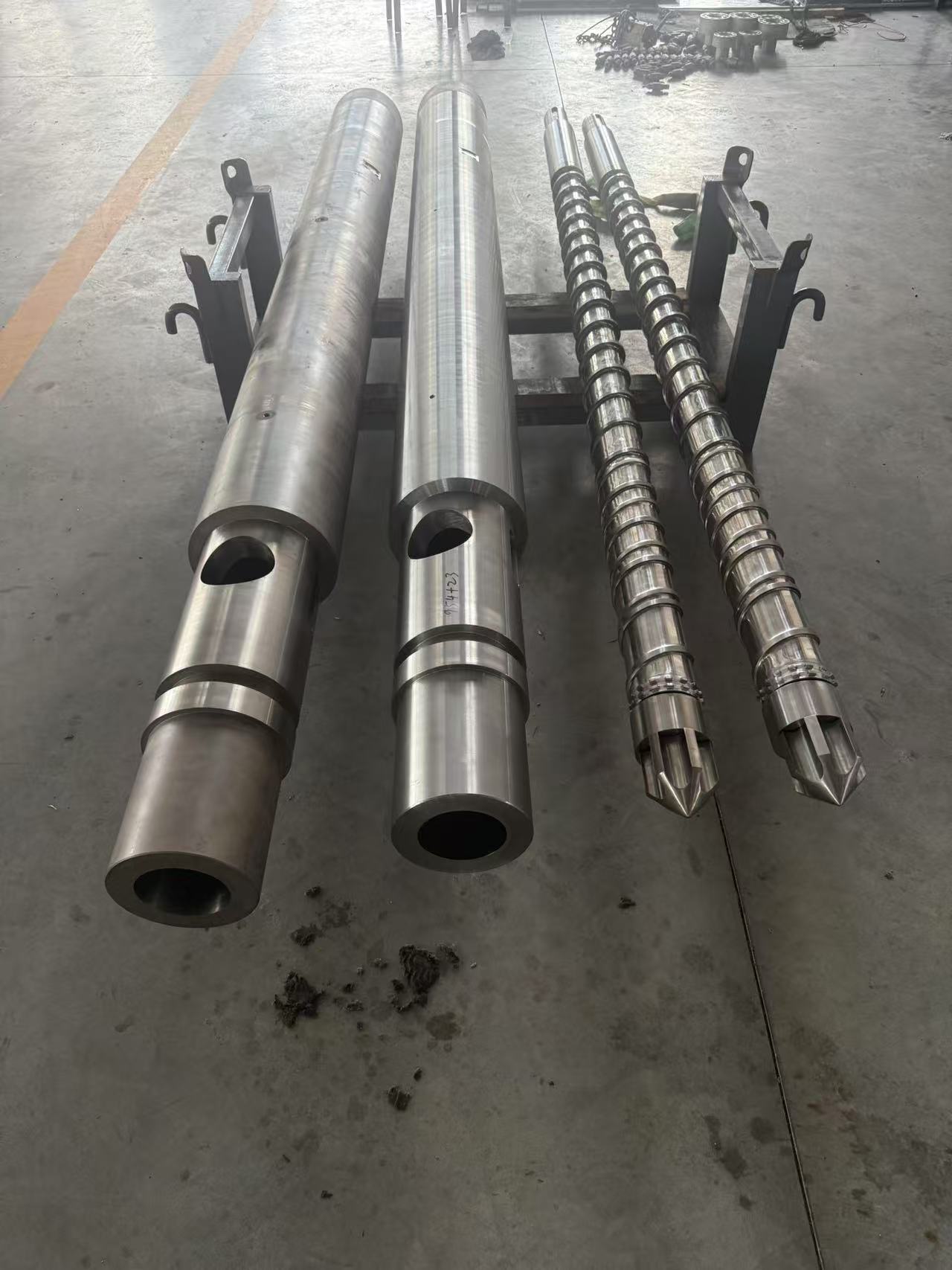
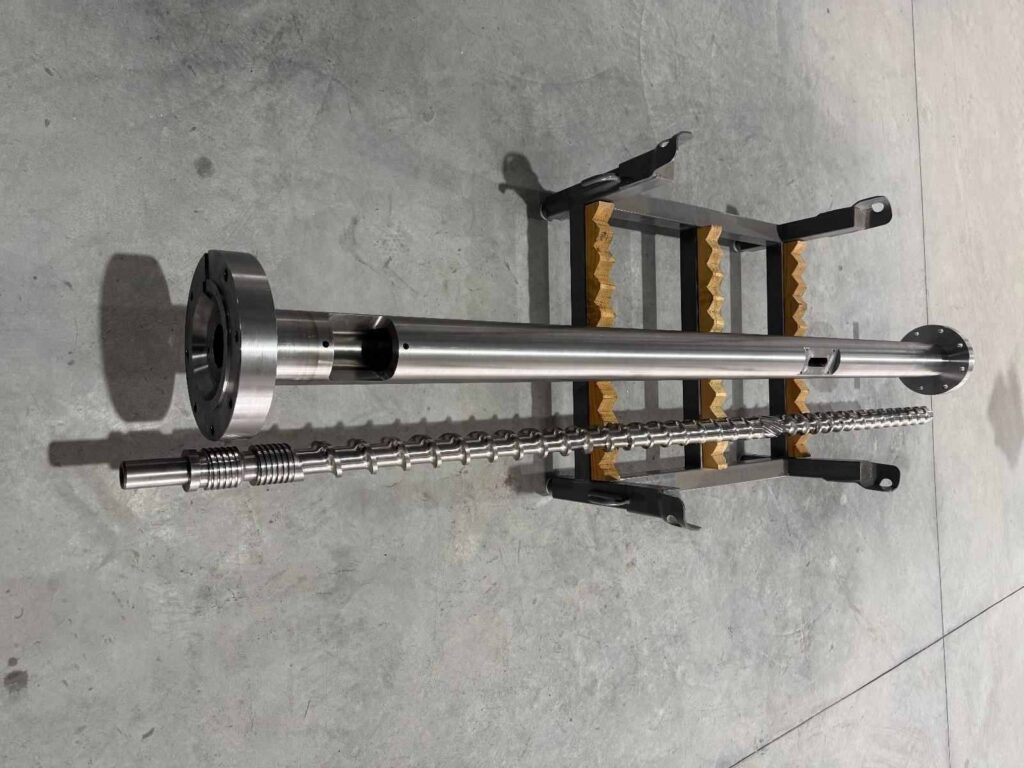
The injection molding screw and barrel form the main plasticizing part within an injection molding machine. It handles the task of turning raw plastic pellets into a uniform melted substance. This substance is set for injection into molds.
The screw turns within the warmed barrel. It moves, squeezes, melts, and blends plastic substances under set heat and pressure levels. This method shapes the standard, evenness, and speed of making.
Core Functions: Conveying, Melting, and Metering Explained
A properly built screw handles three basic tasks:
-
Conveying: Moving raw material ahead from the hopper
-
Melting: Changing solid pellets into melted plastic via heat and friction
-
Metering: Supplying a steady amount of melt for exact injection
These tasks need careful balance. If the balance is off, it causes flaws like uneven melting, burn spots, or varying product weight.
Why Screw and Barrel Design Is Critical for Product Quality and Output
In 2026, makers deal with growing needs for:
-
Greater output speeds
-
Better energy use
-
Handling of reused and filled substances
A wrong-fit screw and barrel can cut output by more than 20 percent. It can also speed up damage. That is why tuned design is not just helpful now. It has become a must for staying ahead.
Key Components of Injection Molding: Screw and Barrel Design
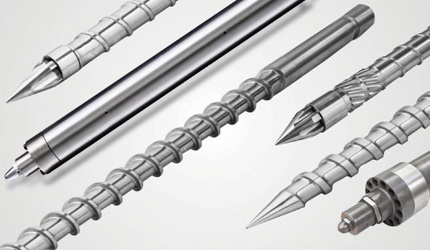
Screw Structure Design: Feed Zone, Compression Zone, and Metering Zone
A typical injection screw has three key areas:
| Zone | Function | Key Impact |
| Feed Zone | Moves raw material forward | Stable feeding |
| Compression Zone | Melts and compresses material | Melt efficiency |
| Metering Zone | Ensures uniform melt | Product consistency |
Role of Compression Ratio and L/D Ratio in Performance Optimization
Two vital design factors are:
-
Compression Ratio: Sets how well the material melts
-
L/D Ratio (Length-to-Diameter): Shapes dwell time and blending standard
Larger compression levels boost melting. However, they might raise friction stress. Tuning these numbers relies on the substance kind and use.
Mixing Sections and Barrier Screw Design for Better Melt Homogeneity
Current builds add:
-
Barrier parts to split solid and melted plastic
-
Blending parts to better spread
These parts matter a lot for working with technical plastics or reused substances.
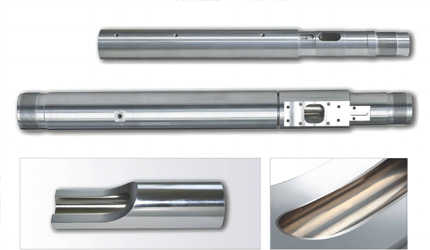
Barrel Design Features: Material Selection and Internal Lining Technology
Nitriding vs Bimetallic Barrels: Performance and Application Differences
Two usual barrel methods are:
-
Nitrided barrels: Budget-friendly, fit for basic plastics
-
Bimetallic barrels: Better guard against wear and rust
For example, the CHUANGRI SCREW Bimetallic Injection Molding Screw sees wide use in tasks with rough fillers. It brings much better lasting power and results.
Wear Resistance, Corrosion Resistance, and Service Life Considerations
Picking substances plays a big part in stretching work time:
-
Mix metals like 38CrMoAlA to give firmness
-
Tungsten carbide layers boost the wear guard
-
Nickel-based mixes fight rust
These methods are key when working with glass fiber or reused plastics.
Types of Injection Molding Screws and Barrels for Different Applications
General Purpose Screws vs High-Performance Customized Screws
Basic screws work for common plastics. Yet, today’s making often calls for fitted answers.
Fitted screws improve:
-
Melt standard
-
Output speed
-
Energy use
Barrier Screws, Mixing Screws, and Separation Screws Explained
Various screw builds fit different goals:
-
Barrier screws: Boost melting speed
-
Mixing screws: Raise the substance’s evenness
-
Separation screws: Manage friction and cut breakdown
For example, the CHUANGRI SCREW Nitrided Injection Molding Screw gives steady work for basic substances. It keeps costs in check.
Application-Based Design: Packaging, Automotive, Electronics, and Recycling
Each field has special needs:
-
Packaging: Fast pace and evenness
-
Automotive: Firmness and lasting power
-
Electronics: Accuracy and steadiness
-
Recycling: Dealing with mixed and dirty substances
How Customized Screw and Barrel Solutions Improve Productivity
A well-paired screw can:
-
Raise output by up to 20%
-
Cut cycle time
-
Boost product standard
Fitting makes sure the screw build matches the substance and method needs just right.
How to Choose the Right Injection Molding Screw and Barrel
Matching Screw Design with Different Plastic Materials (PP, PE, ABS, PET, etc.)
Various substances act in different ways during work:
-
PP/PE: Need even friction and blending
-
ABS: Calls for steady heat to skip breakdown
-
PET: Asks for exact drying and melting check
Picking the wrong screw can cause bad melting or product flaws.
Key Selection Factors: Output, Shear Control, and Melt Quality
When picking a screw and barrel, think about:
-
Needed output speed
-
Substance feels the friction
-
Wanted product standard
Material and Coating Options: Alloy Steel, Carbide Coating, and Chrome Plating
Forward layers raise results:
-
Chrome plating smooths the surface
-
Carbide layers raise the wear guard
-
Bimetallic layers stretch work time
The Coated Injection Molding Screw works well in hot and rusting settings.
Common Mistakes When Selecting Screw and Barrel Components
Usual issues cover:
-
Using basic screws for special substances
-
Overlooking the wear guard needs
-
Picking the wrong compression levels
Skipping these errors can cut stop times and upkeep expenses a lot.
Manufacturing Process of the Injection Molding Screw and Barrel
Raw Material Inspection and Quality Control Standards
Solid making starts with tight checks:
-
Chemical makeup check
-
Sound wave flaw find
-
Force trait tests
This makes sure raw substances lack flaws.
CNC Machining and Precision Thread Milling Process
Today’s making counts on:
-
CNC turning for exact sizes
-
Thread milling for true screw shape
These steps keep evenness and accuracy.
Heat Treatment Technologies: Nitriding, Quenching, and Tempering
Heat work raises results:
-
Nitriding: Boosts surface firmness (up to HV900+)
-
Quenching: Raises firmness
-
Tempering: Cuts break risk
Surface Treatment and Coating Technologies for Enhanced Durability
Forward layers cover:
-
Chromium plating
-
Tungsten carbide coating
-
Nickel-based alloy layers
These works guard against wear and rust.
Final Inspection, Assembly, and Performance Testing
Last standard checks cover:
-
Size accuracy
-
Center match and fit
-
Surface firmness
This makes sure a smooth run and long work time.
Innovations in Injection Molding Screw and Barrel Design for 2026
Advanced Materials and Coatings for Longer Service Life
In 2026, material innovation is driving performance:
-
High-performance alloys
-
Multi-layer coatings
-
Improved metallurgical bonding
These steps stretch work time greatly.
Energy-Efficient and High-Output Screw Design Trends
Modern screw designs focus on:
-
Reducing energy consumption
-
Increasing throughput
-
Optimizing melt flow
Smart Manufacturing and Data-Driven Screw Optimization
Digital technologies enable:
-
Real-time performance monitoring
-
Predictive maintenance
-
Process optimization
Sustainable Design for Recycling and High-Filler Materials
Sustainability is a key trend:
-
Processing recycled plastics
-
Handling high filler content
-
Reducing material waste
Common Problems and Optimization Strategies for Screw and Barrel Performance
Wear, Corrosion, and Material Degradation Issues
Usual troubles cover:
-
Rough wear from fillers
-
Rust from chemical additives
-
Substance breakdown from overheating
Poor Plasticizing and Melt Inconsistency Problems
Signs of bad build:
-
Uneven melt
-
Dark spots
-
Varying product weight
How to Extend Screw and Barrel Lifespan and Reduce Downtime
Top steps:
-
Use wear-guard substances
-
Tune work settings
-
Steady upkeep and checks
When to Repair, Recoat, or Replace Your Screw and Barrel
Timely decisions can save costs:
-
Minor wear → recoating
-
Moderate damage → repair
-
Severe wear → replacement
Why Custom Injection Molding Screw and Barrel Solutions Are the Future
Limitations of Standard Screws in Modern Production Lines
Basic screws fail to fit current needs, like:
-
Fast making
-
Tricky substances
-
Green rules
Benefits of Tailored Design for Different Processing Requirements
Fitted answers bring:
-
Better speed
-
Higher product standard
-
Lower run costs
How CHUANGRI SCREW Delivers High-Performance Custom Solutions
At CHUANGRI SCREW, we build and make screw and barrel answers fitted to your manufacturing needs.
We mix:
-
Forward CNC work
-
Exact heat work methods
-
Fitted mix and layer answers
Our way centers on fixing real issues. This covers raising wear guard, tuning melt standard, or boosting output. By matching screw build to your exact substances and methods, we aid in maximizing speed and cutting long-run costs.
FAQ
Q: What is an Injection Molding Screw and Barrel used for?
A: It melts, blends, and moves plastic substances in injection molding machines. This keeps steady and good making.
Q: How to choose the right Injection Molding Screw and Barrel?
A: Think about the substance kind, output needs, compression level, and wear guard. Fitted answers often give the top results.
Q: What materials are used in Injection Molding Screw and Barrel manufacturing?
A: Usual substances include mixed metals like 38CrMoAlA. Layers like chromium, carbide, and bimetallic add lasting power.
Q: How long does an Injection Molding Screw and Barrel last?
A: Work time hinges on substances and use settings. Top builds with the right upkeep last much longer. Wear-guard layers help.
Q: What are the latest trends in Injection Molding Screw and Barrel design for 2026?
A: Main shifts cover forward substances, energy-saving builds, number-making tools, and answers for reused and high-filler substances.

 consult
 WHATSAPP
 leave message
 top
top