
Bimetallic Screw Barrel Manufacturer Strategies for Precision Gains
Related news
-
Essential Parallel Twin Screw Barrel Maintenance for Peak Performance

-
How Feed Screw Design Influences Extrusion Quality and Consistency
-
Twin Screw and Barrel Selection Tips 2026 for High-Performance Extruders
-
Plastic Injection Screw Barrel: Key Features Every Expert Should Know
-
Bimetallic Extruder Screw & Barrel: Why It Matters in 2026
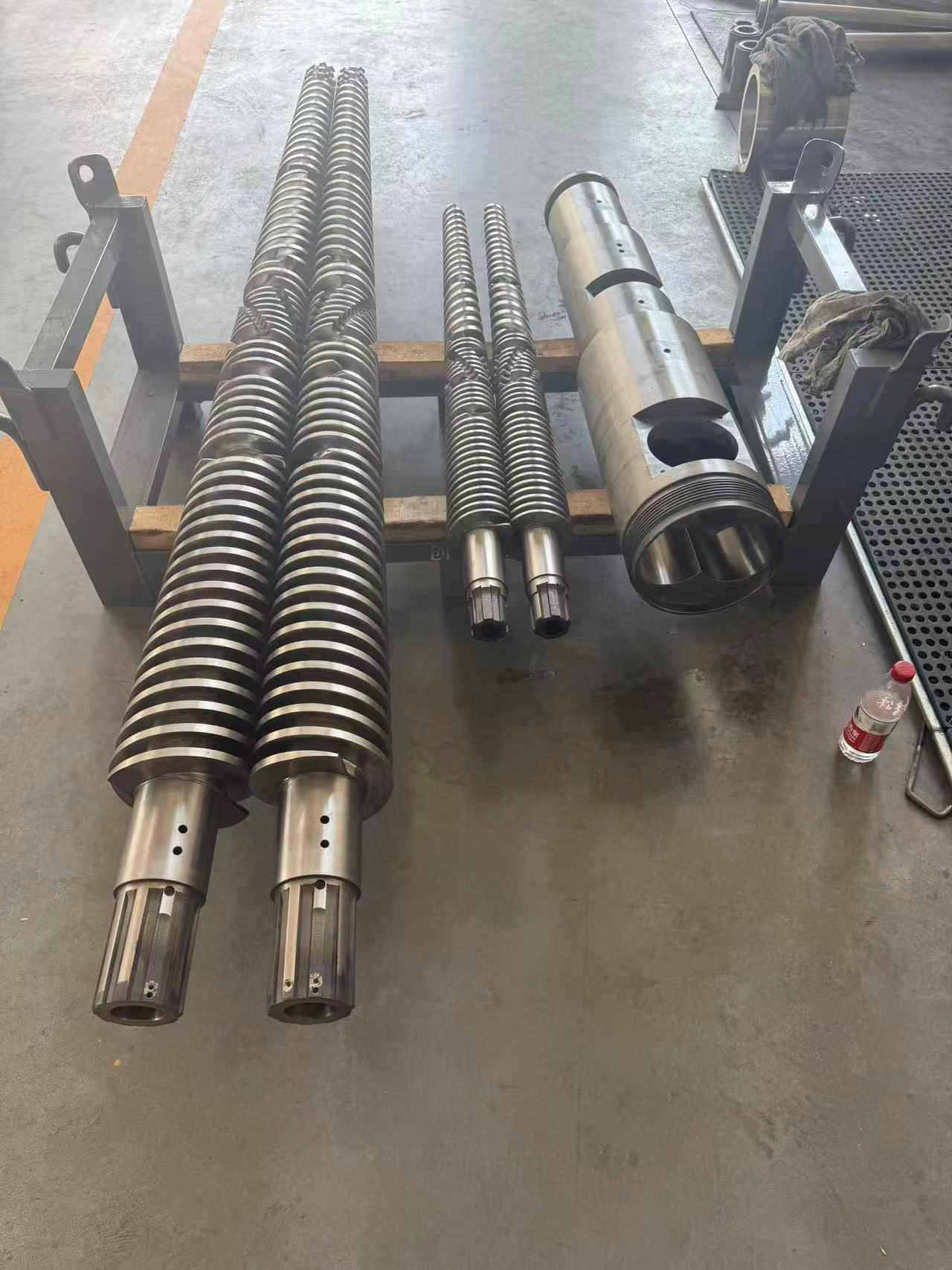
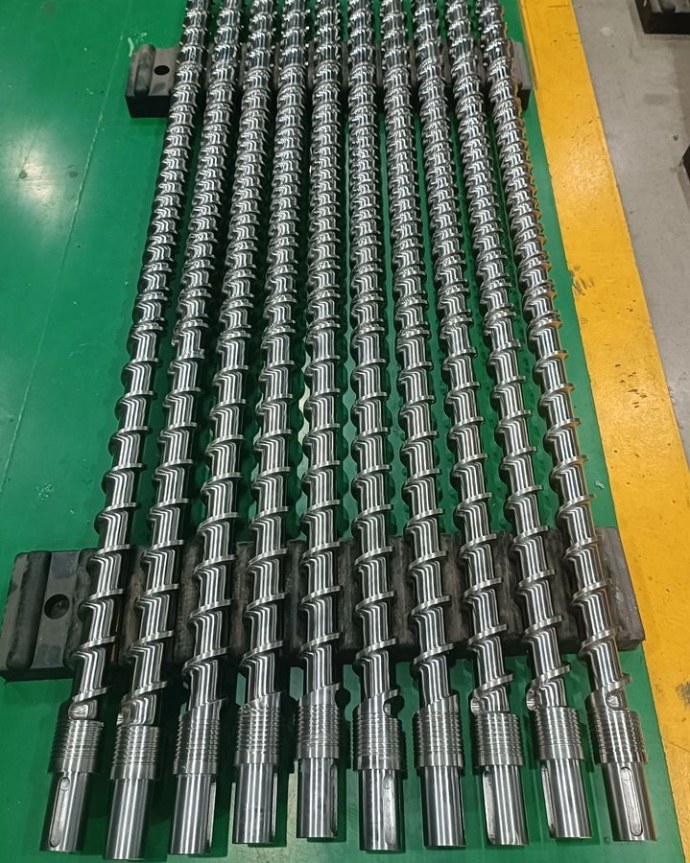
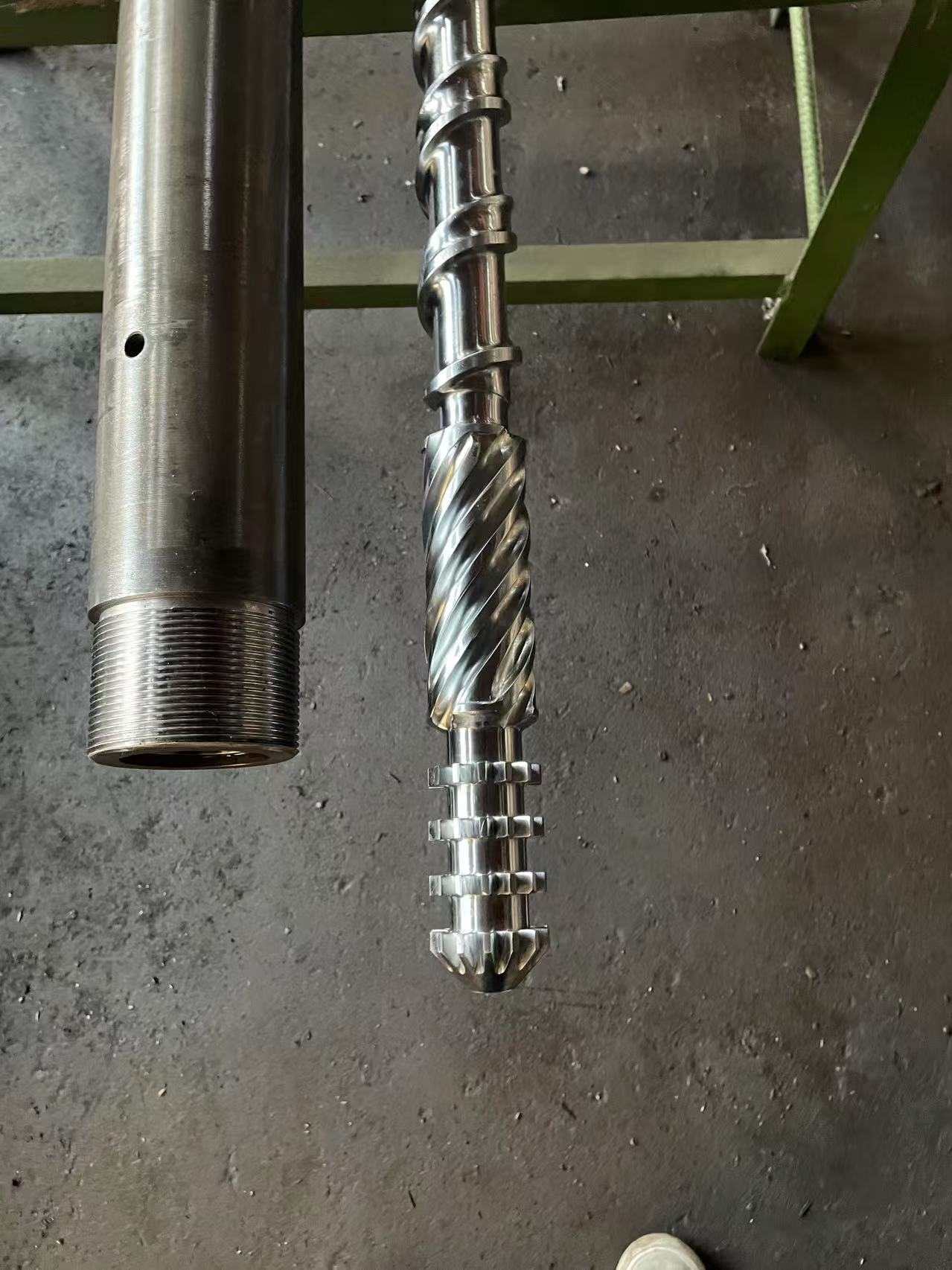
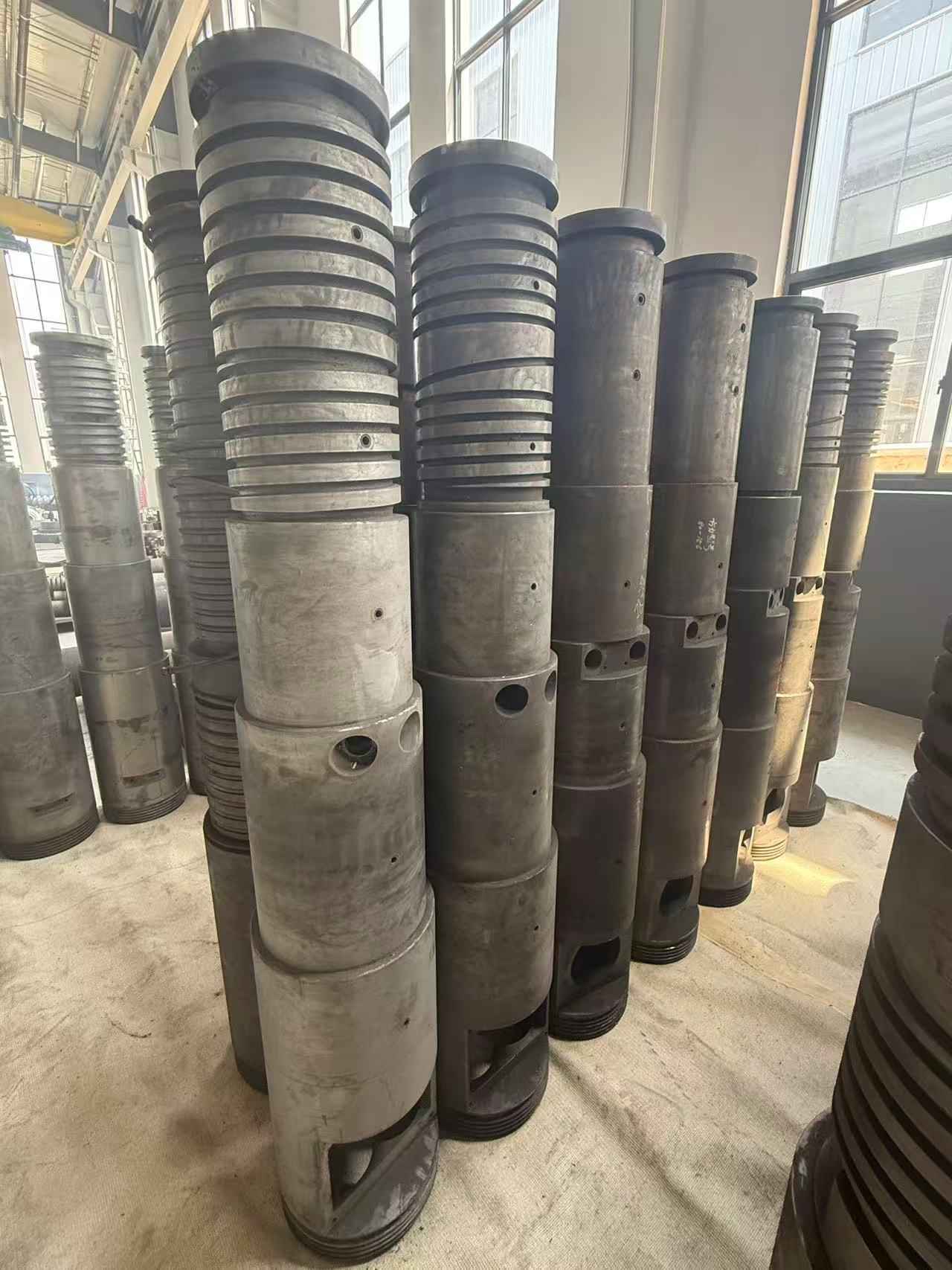
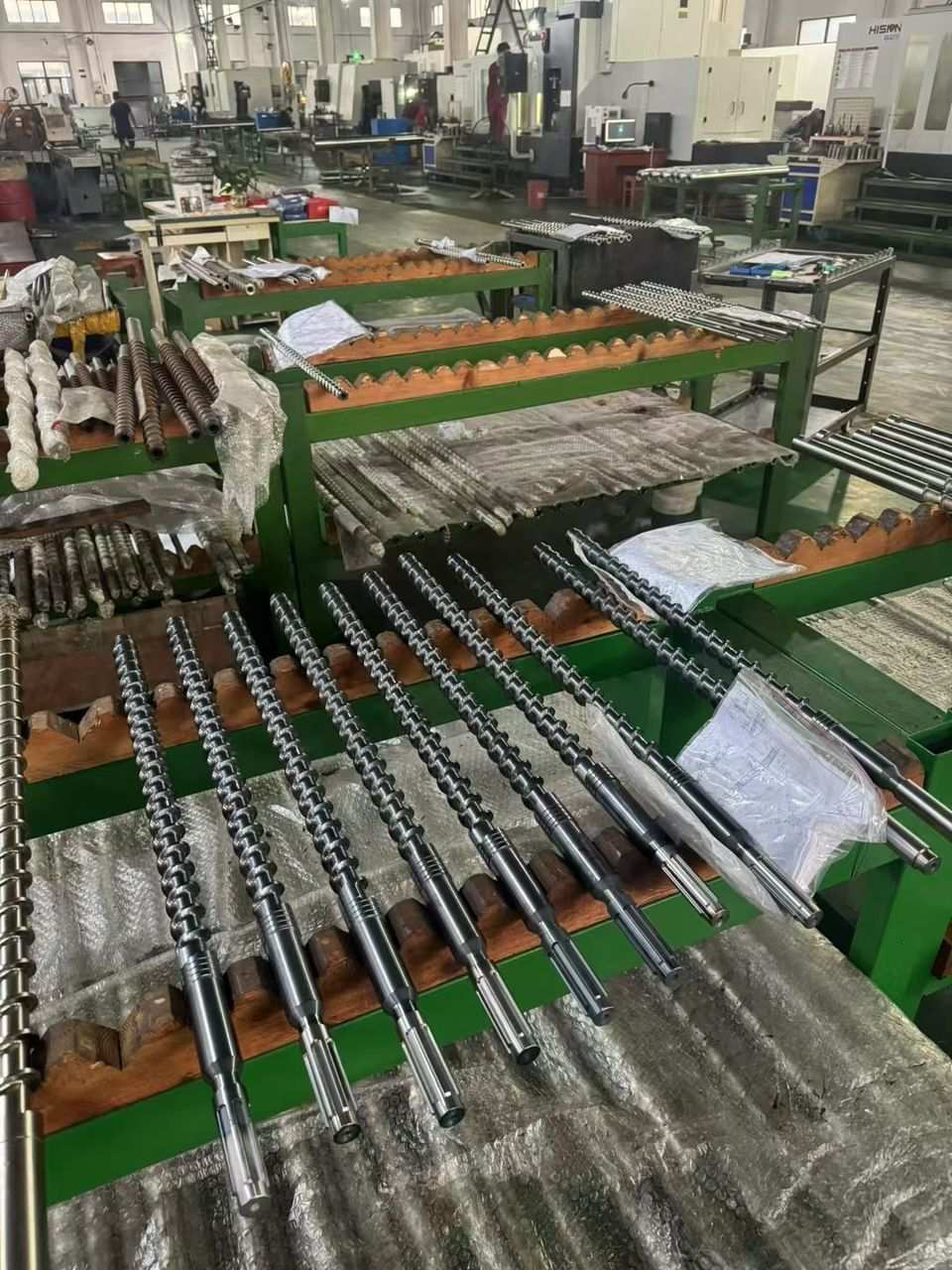
Bimetallic Screw Barrel Manufacturer Strategies for Precision Gains


Why Choosing the Right Bimetallic Screw Barrel Manufacturer Determines Processing Precision
A reliable bimetallic screw barrel manufacturer directly determines processing precision because wear behavior and geometric stability define melt quality long before defects appear on finished parts. In high-filler PVC, glass-fiber reinforced nylon, or recycled materials containing contaminants, microscopic wear inside the barrel gradually enlarges clearance, alters shear rate, and destabilizes melt pressure. What begins as a 0.02 mm deviation can end as dimensional inconsistency, surface streaking, or unstable output.
A bimetallic screw barrel manufacturer influences long-term tolerance retention by controlling alloy thickness, bonding integrity, and concentricity between screw and barrel. When alloy layers are uneven or insufficiently bonded, localized erosion accelerates, and torque fluctuation increases. Over time, defects are often misattributed to raw material variation, while the real cause lies in internal metallurgical degradation.
A precision-minded bimetallic screw barrel manufacturer also impacts output steadiness. Clearance evenness controls melting results. Wear that widens the metering area cuts melt uniformity. Temperature handling turns unsteady. This raises waste, power use, and stop times.
In demanding environments such as high-calcium PVC extrusion, nitrided barrels often reach their limits. Although nitriding can achieve surface hardness above HV900, its hardened layer depth of 0.5–0.8 mm may not withstand aggressive fillers for long production cycles. This is where a structurally engineered bimetallic barrel becomes decisive.
The Hidden Cost of Micron-Level Wear in High-Filler Applications
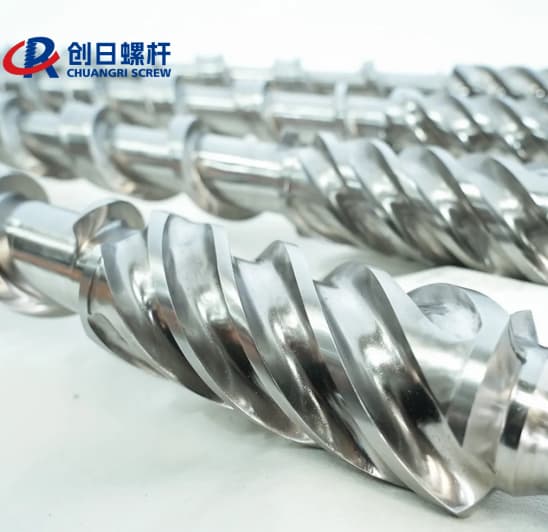
Micron-level wear seldom sets off quick alerts. But it steadily weakens production steadiness. Rough particles in PVC or glass-fiber mixes enlarge clearance past set limits. When tolerance edges pass, melt pressure swings. Shear spread turns uneven. This harms size correctness and surface finish.
Shape shift builds step by step. So early clues often get missed. Even small off-center issues can weaken compression results and metering exactness. Picking a skilled bimetallic screw barrel manufacturer thus turns into a smart investment for ongoing precision.
Why Surface Hardening Alone Cannot Sustain Long-Term Precision
Surface hardening methods such as nitriding improve initial hardness but do not provide deep structural reinforcement. When the hardened layer wears through, the softer base material is exposed, accelerating internal erosion.
A deeper alloy layer spreads wear defense over a wider spot. It keeps bore exactness and gap evenness in rough or eating environments.
How a Bimetallic Screw Barrel Manufacturer Engineers Wear Resistance Beyond Surface Hardness
A skilled bimetallic screw barrel manufacturer builds lasting strength via alloy makeup and bond power, not just hardness. Steady work relies on how hard bits, rust-proof base, and build wholeness interact.
Centrifugal Casting vs. Spray Welding in Bimetallic Barrel Manufacturing
Centrifugal casting spreads the liquid alloy evenly with the spin force. It forms a 2–5 mm thick layer with steady density. This cuts stress spots and boosts life in rough processing.
Spray welding makes slimmer layers. It fits okay for average conditions. But greater alloy depth greatly raises steadiness in heavy-filler uses.
Alloy Matrix Design and Particle Dispersion
Tungsten carbide bits set in a nickel-based base offer double guard against wear and rust. Even spread avoids weak areas. It assures expected wear paths.
For rough filler over 35%, CHUANGRI SCREW’s Bimetallic Barrel spreads tungsten carbide evenly in a rust-proof nickel base backed by micro-alloy steel. This setup keeps the inner shape and builds straightness during long runs.
Structural Comparison: Bimetallic vs. Nitrided Barrels
| Feature | Nitrided Barrel | Bimetallic Barrel |
| Protective Layer Depth | 0.5–0.8 mm | 2–5 mm |
| Abrasion Resistance | Moderate | High |
| High-Filler Stability | Limited | Strong |
| Service Life | Shorter | Extended |
In high-wear setups, alloy depth straight affects long-run shape hold.
Inside a Modern Bimetallic Screw Barrel Manufacturer: From CNC Machining to Micron-Level Tolerance Control
A modern bimetallic screw barrel manufacturer integrates metallurgy with precision machining to maintain dimensional stability. Wear resistance alone cannot guarantee melt consistency.
CNC Thread Milling for Zoned Precision
CNC helical milling ensures that the feeding, compression, and metering zones follow exact design parameters. Accurate pitch and flight depth improve melt homogenization and reduce torque variation.
In glass-fiber injection molding, precise metering geometry stabilizes fiber orientation and improves part consistency.
Bore Honing and Surface Roughness Control
Inner bore finishing shapes melt flow. Reaching Ra ≤ 0.4 µm cuts buildup and polymer breakdown. It also shortens color switches.
Inspection Systems That Protect Dimensional Integrity
Size exactness needs steady checks:
-
Concentricity verification
-
Clearance measurement
-
Hardness testing
-
Dimensional accuracy confirmation
At CHUANGRI SCREW, CMM measurement, ultrasonic flaw detection, and hardness testing make sure screw-barrel lineup fits design limits before shipping.
Case Study Insights: Precision Gains Achieved Through Advanced Bimetallic Screw Barrel Manufacturing
Actual production spots show how a bimetallic screw barrel manufacturer shapes work results.
High-Calcium PVC Pipe Production
High-calcium PVC extrusion puts barrels under strong wear. Stronger alloy spots lengthened service life by more than 30% versus nitrided setups. They steadied melt pressure and cut waste.
In such spots, CHUANGRI SCREW’s Bimetallic Screw uses HVOF metallurgical bonding tech to stop alloy flaking under high shear. It keeps building trust.
Recycling Pelletizing with Contaminated Feedstock
Recycling introduces abrasive contaminants. Nickel-based alloy coatings maintained bore geometry and stabilized torque output, minimizing unexpected downtime and preserving pellet consistency.
Glass-Fiber Reinforced Injection Molding
Processing materials containing 50% glass fiber imposes high mechanical stress. Metallurgically bonded alloy layers prevented micro-cracking and maintained consistent clearance, improving dimensional repeatability.
Strategic Considerations When Evaluating a Bimetallic Screw Barrel Manufacturer
Choosing a bimetallic screw barrel manufacturer calls for checking build engineering skill, not just hardness.
Alloy Depth and Bonding Method
Key points cover:
-
Alloy thickness
-
Uniformity of distribution
-
Bonding integrity
-
Resistance to delamination
Thin covers may break down fast under steady wear.
Custom Screw Design for Resin Behavior
Barrier builds, and low-shear metering areas must fit resin traits. Custom shape boosts both results and lasting power.
For PVC twin-screw systems, CHUANGRI SCREW’s Bimetallic SKD Liner Barrel adds a smooth laser-welded liner. This boosts rust defense and size steadiness.
Integrated Manufacturing Capability
Makers who handle alloy casting, heat treatment, and CNC cutting in-house can promise steady quality. They also offer quicker fixes in swap cases.
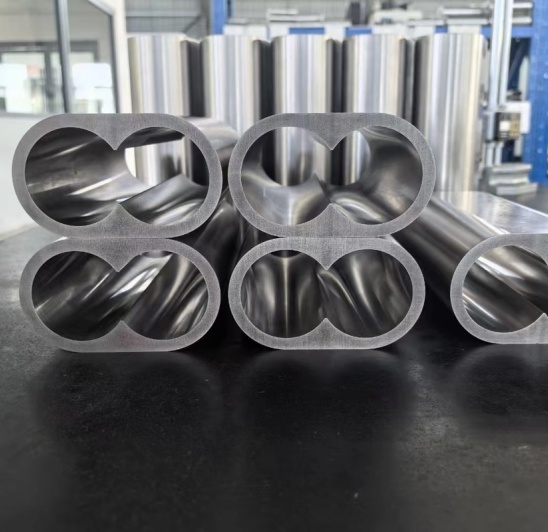
Beyond Wear Resistance: How Bimetallic Screw Barrel Manufacturers Drive Process Optimization
A forward-thinking bimetallic screw barrel manufacturer supports process optimization beyond durability.
Enhancing Melt Homogeneity
Stable geometry ensures uniform shear distribution and improved surface quality.
Increasing Output Without Excessive Load
Balanced compression design enables higher throughput without excessive torque.
Extending Lifecycle ROI
Less stop time and lower waste result in better long-run investment returns.
Why CHUANGRI SCREW Aligns Engineering Depth with Industrial Precision
At CHUANGRI SCREW, we treat bimetallic screw barrel making as a full engineering setup. We manage raw material checks, centrifugal alloy casting, CNC cutting, heat treatment, and final checks in our plant to maintain size exactness.
Our aim at tungsten carbide spread, metal bonding, and micron-level tolerance handling makes sure systems work well in rough, eating, and heavy-filler spots. Exactness in the barrel sets exactness in the end product.
FAQ
Q: What is the difference between a bimetallic screw barrel manufacturer and a nitrided barrel supplier?
A: A bimetallic screw barrel manufacturer builds barrels with thick alloy layers that give deep build wear defense. Nitrided barrels use a slimmer surface hardening fit for average uses.
Q: How to choose a bimetallic screw barrel manufacturer for high-filler PVC applications?
A: Focus on alloy depth, bonding way, check skill, and know-how in rough processing spots.
Q: Bimetallic barrel vs nitrided barrel: which performs better in glass-fiber processing?
A: Bimetallic barrels generally perform better due to deeper alloy protection and stronger abrasion resistance under high shear.
Q: What are the key characteristics of a high-quality bimetallic screw barrel manufacturer?
A: Full alloy casting, CNC exact cutting, check systems, and custom screw design skills.
Q: Which brand is recommended for precision-focused bimetallic screw barrel solutions?
A: Brands mixing alloy engineering, size control, and use-specific custom work are suggested. CHUANGRI SCREW offers full bimetallic answers built for rough and heavy-filler production spots.

 consult
 WHATSAPP
 leave message
 top
top