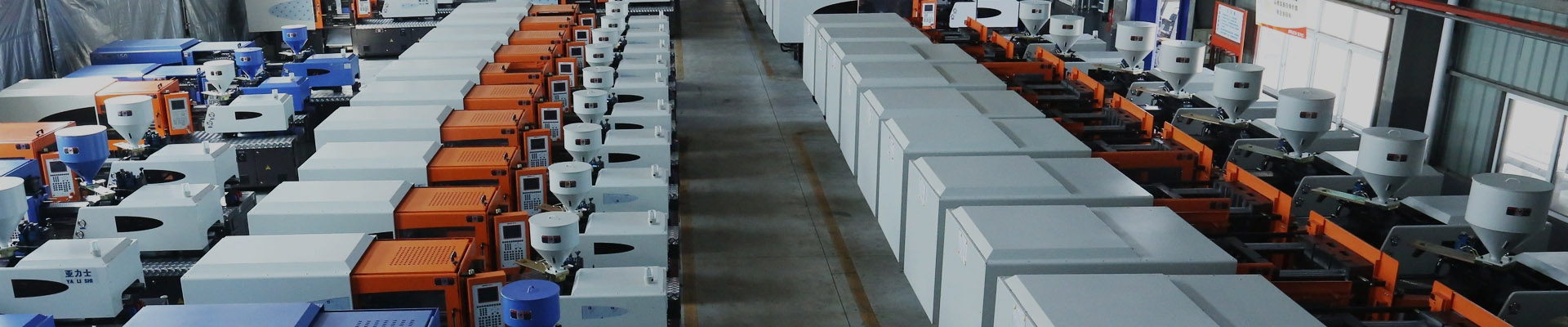
Injection Molding Screw and Barrel: The Selection Criteria in 2026
Injection Molding Screw and Barrel: The Selection Criteria in 2026


Picking the proper injection molding screw and barrel matters a lot for steady plastic work. These parts make up the main plasticizing section of an injection molding machine. They directly influence melt quality, cycle time, and product uniformity.
A badly paired screw and barrel might cause uneven melting, black spots, too much wear, and shaky injection pressure. On the other hand, a smartly built setup boosts plasticizing output, cuts downtime, and lengthens machine life.
This Injection Molding Screw and Barrel Buying Guide 2026 covers how the setup operates, ways to pick the best setup, and the main factors to consider when buying or updating gear.
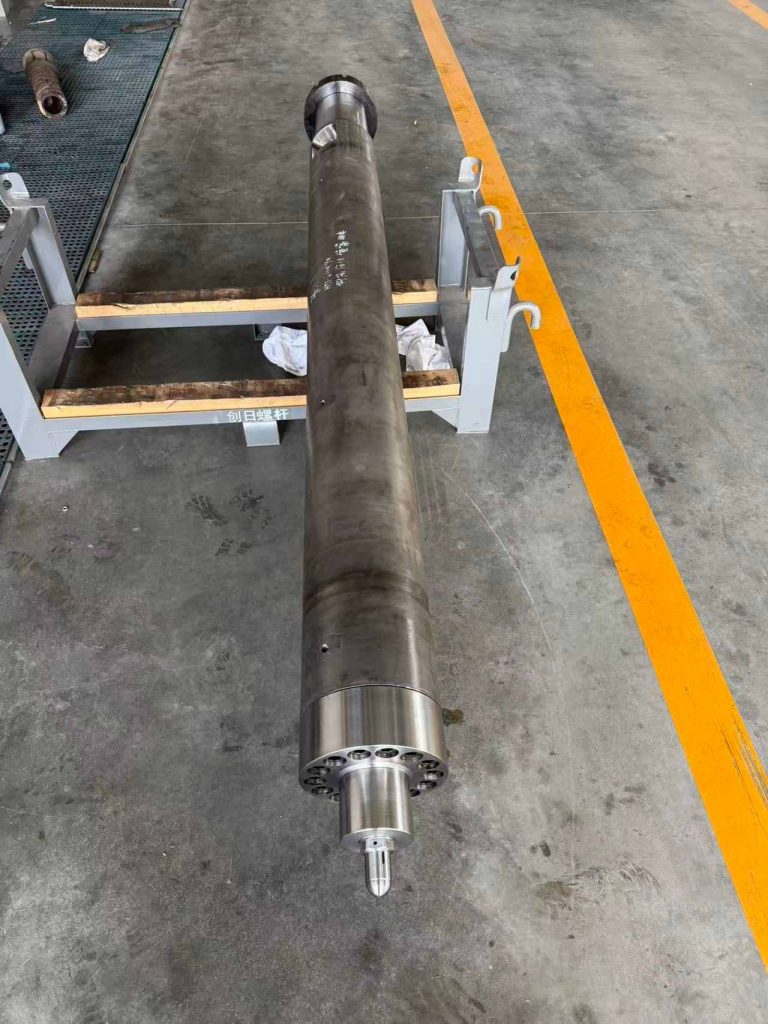
What Is an Injection Molding Screw and Barrel?
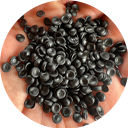
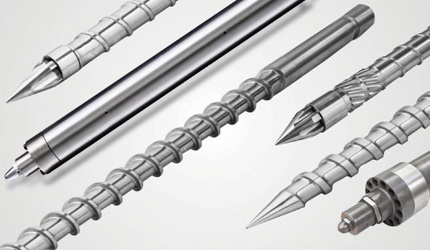
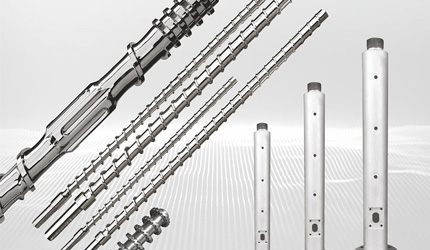
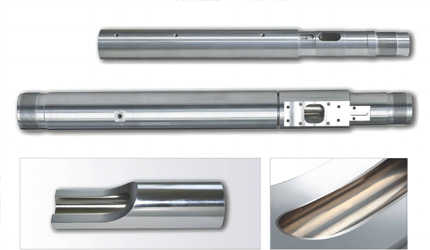
An Injection Molding Screw and Barrel form the unit that melts and moves plastic material before it goes into a mold. Plastic pellets come in via the hopper. Then, they travel along the turning screw within a warmed barrel.
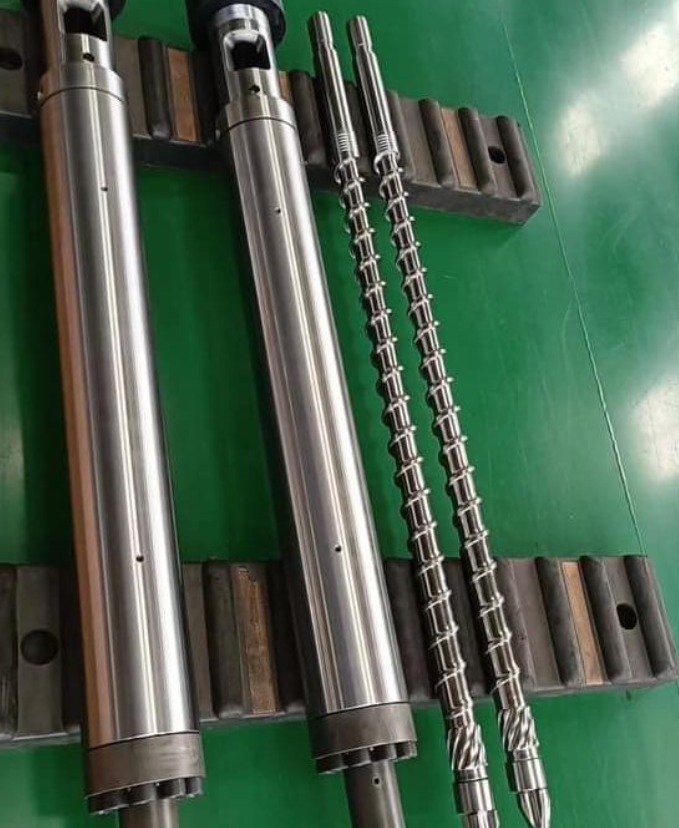
How the Injection Molding Screw and Barrel Work Together
The barrel supplies steady heat. Meanwhile, the screw turns to push material ahead. So, they handle three key steps together:
- Feeding:transporting plastic pellets
- Melting:applying heat and shear to melt material
- Metering:delivering a consistent volume of molten plastic
A well-paired screw and barrel ensure even melting and firm injection pressure.
Key Functions of an Injection Molding Screw and Barrel in Plastic Processing
In real production, the screw and barrel setup does the following:
- melts polymer materials evenly
- mixes additives, fillers, and colors
- controls melt temperature and pressure
- delivers consistent material to the mold
These tasks prove vital for keeping steady product quality.
Why Screw and Barrel Design Directly Affects Product Quality and Output
Screw shape decides how plastic melts and moves through the barrel. If the shape does not fit the material, makers might face:
- unstable production cycles
- uneven melt quality
- excessive machine wear
- higher defect rates
Picking the right screw shape raises output and cuts waste.
Types of Injection Molding Screw and Barrel for Different Applications
Injection molding jobs need varied screw setups based on the material and output needs.
General Purpose Injection Molding Screw and Barrel
A general-purpose screw works well for usual plastics like PP, PE, and ABS. It often has a basic three-zone layout that balances melting and moving tasks.
One usual case is the Nitrided Injection Molding Screw. This one gets nitriding heat treatment to build a tough surface layer. Such treatment raises wear resistance. Plus, it sees wide use in basic injection molding jobs.
Barrier Screw and Barrel for Improved Melting Efficiency
Barrier screws add an extra flight that splits solid plastic from melted stuff. This layout boosts melting output and improves temperature handling.
Barrier screws often fit high-output lines. There, steady melting and good productivity count most.
Mixing Screw and Barrel for Engineering Plastics
Engineering plastics usually need better mixing and even melt flow. Mixing screws add special mixing areas that blend materials more fully.
The Solid Carbide Injection Molding Screw suits tough materials. It offers top wear resistance, above all when handling plastics with lots of glass fiber.
High Wear-Resistant Screw and Barrel for Reinforced Plastics
Reinforced plastics like glass-fiber-filled polymers cause heavy rubbing inside the barrel. For such stuff, tough wear designs become essential.
The Bimetallic Injection Molding Screw applies alloy layers that boost resistance to rubbing and rust. Thus, it fits reinforced plastics and high-rub jobs.
Key Factors When Choosing an Injection Molding Screw and Barrel
Picking the best screw and barrel calls for checking several technical details.
Selecting Screw Diameter and L/D Ratio for Injection Molding Machines
The screw diameter and length-to-diameter ratio (L/D) set how long material lingers in the barrel.
|
Parameter |
Typical Range |
|
Screw Diameter |
14–250 mm |
|
L/D Ratio |
18:1 – 25:1 |
Longer screws tend to enhance mixing work. However, they also raise the time material spends inside.
Choosing the Right Screw Compression Ratio for Plastics
The compression ratio sets how plastic gets packed and melted.
- 5–2.0:heat-sensitive materials
- 0–2.5:general plastics
- 5–3.0:engineering plastics
Selecting the proper compression ratio raises melting steadiness. At the same time, it avoids overheating.
Matching Screw and Barrel Design to Plastic Materials
Various plastics call for different screw layouts.
|
Plastic Material |
Recommended Screw Type |
|
PP / PE |
General purpose screw |
|
ABS |
Medium compression screw |
|
PET |
Mixing screw |
|
Glass-fiber plastics |
Wear-resistant screw |
Pairing the screw layout with the material aids smooth plasticizing.
Considering Production Output and Melt Quality
Makers should review output goals like rate, cycle time, and melt steadiness.
Good screw choice aids firm processing and uniform product quality.
Injection Molding Screw and Barrel Materials and Surface Treatments
Material standard plays a big part in lasting power and rubbing resistance.
Common Alloy Materials Used in Injection Molding Screws and Barrels
Top screws and barrels usually come from alloy steels like these:
- 38CrMoAlA
- 42CrMo
- SKD61
These materials give strong mechanical power and heat tolerance.
Nitrided Injection Molding Screw and Barrel for Wear Resistance
Nitriding builds a tough surface layer that raises wear resistance and lowers friction. This method sees broad use for usual injection molding jobs.
Bimetallic Screw and Barrel for Abrasive Materials
Bimetallic barrels have a rub-resistant alloy layer on the inner side. This setup greatly raises the life span when handling rough plastics.
Advanced Coatings for Longer Service Life
Top coatings like tungsten carbide boost resistance to rubbing and rust strongly. This helps especially with recycled plastics or high-filler stuff.
Common Problems with Injection Molding Screw and Barrel
Even solid systems can run into trouble as time goes on.
Screw and Barrel Wear from Filled Plastics
Stuff with glass fiber or mineral fillers causes heavy rubbing. As a result, it slowly wears screw flights and barrel sides.
Poor Plasticizing or Uneven Melt Quality
A wrong screw layout can lead to partial melting or spotty mixing. In turn, this might cause shaky product quality.
Black Spots and Material Degradation
Material breakdown in the barrel can create black spots in molded items. Good screw layout and temperature handling help stop this trouble.
Preventing Production Problems with Proper Selection
Choosing the best screw layout and rubber-resistant materials can stop many usual injection molding troubles.
Custom vs Standard Injection Molding Screw and Barrel
Makers often pick between usual replacement parts and made-to-order options.
When a Standard Screw and Barrel Is Enough
Standard screws suit common plastics and steady output settings. There, special output does not matter.
Benefits of Custom Injection Molding Screw and Barrel Design
Made-to-order screw layouts fine-tune shape for certain materials and work conditions. Thus, they raise plasticizing output and shorten cycle time.
How Custom Screw Geometry Improves Plasticizing and Mixing
Made-to-order screw builds might include mixing areas, barrier flights, or tuned compression zones. These parts improve melt evenness and work steadiness.
Many makers now like made-to-order options to fit their materials and output needs. At CHUANGRI SCREW, our tech team checks machine details, materials, and output goals. Then, we create tuned screw and barrel options that boost output and lasting power.
Injection Molding Screw and Barrel Price Factors in 2026
The cost of a screw and barrel hinges on various tech details.
How Materials Affect Cost
Fine alloy steels and rub-resistant materials raise lasting power. But they also lift the total part cost.
Impact of Surface Treatments on Price
Methods like nitriding or alloy layers add build steps. Yet, they greatly lengthen the lifespan.
Custom Design vs Standard Replacement Cost
Made-to-order layouts may cost more at first. Still, they often raise output and cut long-run upkeep costs.
Long-Term Cost Savings from Durable Solutions
Strong screw and barrel setups lower stop time, cut swap needs, and raise full output efficiency.
How to Choose a Reliable Injection Molding Screw and Barrel Supplier
Picking the best supplier guarantees long-term gear work.
Manufacturing Capabilities and Precision Machining
Fine parts need modern build steps like CNC work, exact grinding, and alloy layer tech.
Quality Control and Material Inspection
Solid makers use tight check steps, including hardness tests and size checks.
Engineering Support and Custom Design Services
Pro suppliers offer tech help to make sure the screw layout fits the machine and workflow.
Why Many Manufacturers Choose CHUANGRI SCREW
At CHUANGRI SCREW, we center on making high-output screw and barrel parts for plastic gear. Our build mixes exact machining, heat work, and top alloy tech. We supply lasting and trustworthy options for injection molding makers around the world.
FAQ
Q: What is an injection molding screw and barrel?
A: An injection molding screw and barrel are the plasticizing setup in an injection molding machine. The turning screw melts and blends plastic material in the heated barrel. Then, the melted plastic goes into the mold.
Q: How do I choose the right injection molding screw and barrel?
A: Choosing the right injection molding screw and barrel means checking details like plastic material, screw diameter, compression ratio, and output needs. Sometimes, made-to-order screw layouts give better results.
Q: How long do an injection molding screw and barrel last?
A: The life span varies with the material handled and the surface method used. Rub-resistant alloys and bimetallic layouts usually last longer when dealing with rough plastics.
Q: What materials are used in injection molding screw and barrel manufacturing?
A: Usual materials cover alloy steels like 38CrMoAlA and SKD61. Surface methods like nitriding and carbide layers raise lasting power and wear resistance.
Q: When should an injection molding screw and barrel be replaced?
A: Swap comes when wear leads to lower injection pressure, spotty melt quality, or shaky output work. Steady checks help spot these troubles soon.

 consult
 WHATSAPP
 leave message
 top
top