Injection Molding Screw and Barrel Types: Complete Guide for 2026
Related news
Injection Molding Screw and Barrel Types: Complete Guide for 2026


What Is an Injection Molding Screw and Barrel?
Definition of Injection Molding Screw and Barrel System
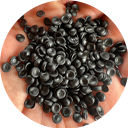
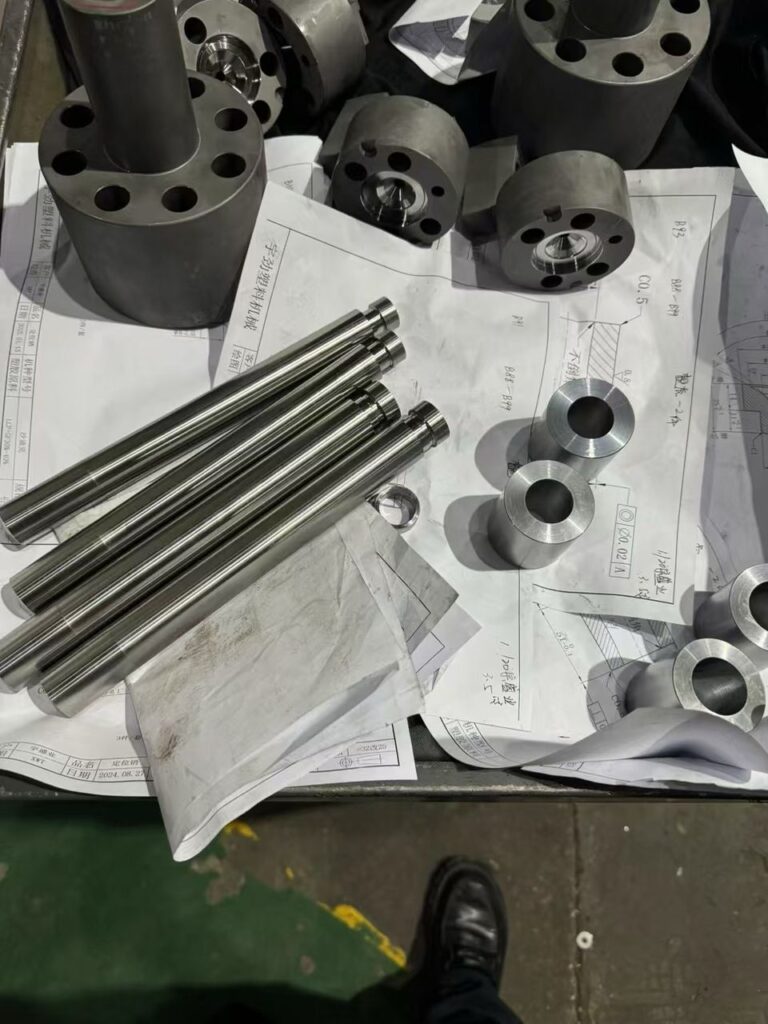
The injection molding screw and barrel make up the main plasticizing part of an injection molding machine. They work together to turn raw plastic pellets into a smooth molten form. This form can then be injected into molds with accuracy.
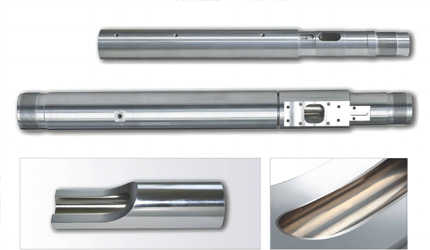
Simply put, the barrel acts as a warmed chamber. The screw rotates within it. This action pushes the plastic ahead. It compresses the material. The process also melts it thoroughly. Additionally, it blends the plastic uniformly. The operation of this setup influences the quality of the final product. Moreover, it affects the duration of each cycle. It further determines consistent output rates.
Key Functions of the Screw and Barrel in Injection Molding
Solid Conveying, Melting, and Metering Explained
A typical injection molding screw handles three main tasks:
-
Solid conveying: advancing raw plastic pellets forward
-
Melting: applying heat and friction to turn solids into molten plastic
-
Metering: delivering a consistent, uniform melt for injection

How Screw Design Affects Melt Quality and Output
The shape of the screw—such as pitch, compression ratio, and channel depth—influences:
-
Melt uniformity
-
Shear rate
-
Output efficiency
-
Energy consumption
A properly made injection molding screw and barrel system supports reliable processing for various materials. This matters a lot for engineering plastics or materials with lots of fillers.
Types of Injection Molding: Screw and Barrel
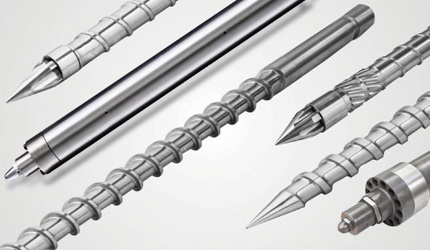
General Purpose Injection Molding Screw and Barrel
The general-purpose (GP) screw is the most common type. It works well with everyday plastics like PP, PE, and ABS.
Advantages:
-
Versatile and cost-effective
-
Suitable for a wide range of applications
-
Stable performance in standard conditions
A good example is the Nitrided Injection Molding Screw. It resists wear well. And it fits general plastics with some glass fiber.
Barrier Screw and Barrel for Enhanced Melting Efficiency
Barrier screws add an extra ridge. This ridge keeps solid and molten material apart. As a result, melting works better.
Key benefits:
-
Faster melting
-
Reduced unmelted particles
-
Better temperature control
These screws help in places with high production rates. They also suit materials that need tight processing ranges.
Mixing Screw and Barrel for Improved Homogeneity
Mixing screws have special areas for blending. This helps make the melt more uniform.
Best for:
-
Color masterbatch applications
-
Engineering plastics
-
High-quality surface finish products
They spread additives, colors, and fillers evenly.
Vented Screw and Barrel for Moisture-Sensitive Materials
Vented screws have a venting area. This area removes moisture and gases.
Applications:
-
Recycled plastics
-
Hygroscopic materials like PET or nylon
This setup boosts product quality. It cuts down on bubbles and gaps.
Injection Molding Screw Design Structure Explained
Three-Zone Screw Design (Feed, Compression, Metering)
Most injection molding screws use a three-zone setup:
-
Feed zone: moves solid material
-
Compression zone: starts melting and squeezing
-
Metering zone: delivers even melt
This layout is popular because it is simple and works well.
Advanced Screw Designs (Barrier, Mixing, Multi-Flight)
Current uses often need better designs:
-
Barrier designs for better melting
-
Mixing sections for evenness
-
Multi-flight designs for more output
These setups fit particular production demands.
Key Design Parameters in Screw and Barrel Engineering
L/D Ratio and Compression Ratio
-
L/D ratio (Length/Diameter) affects dwell time and blending
-
The compression ratio impacts melting and pressure
Larger ratios often aid melting. But they can raise friction stress.
Flight Depth, Pitch, and Shear Control
-
Deeper channels → lower shear, good for heat-sensitive materials
-
Shallower channels → higher shear, improved blending
Getting these factors right is vital for the best results.
Materials and Coating Options for Injection Molding Screw and Barrel
Common Steel Materials Used in Screw and Barrel Manufacturing
Usual materials covered:
-
38CrMoAlA
-
AISI 4140
-
SKD61
-
H13
These choices offer a mix of durability, toughness, and heat stability.
Nitrided Screw and Barrel: Features and Applications
Nitriding forms a tough outer layer. It resists wear effectively.
Advantages:
-
Surface hardness up to 65–70 HRC
-
Improved resistance to abrasion
-
Cost-effective solution
The Nitrided Injection Molding Screw sees broad use in everyday tasks.
Bimetallic Screw and Barrel for Wear and Corrosion Resistance
Bimetallic methods add a tough alloy layer on the outside.
Key features:
-
Excellent resistance to corrosion and abrasion
-
Ideal for glass fiber or high-filled materials
The Bimetallic Injection Molding Screw suits tough settings. It greatly lengthens working time.
Advanced Coatings (Chromium, Tungsten Carbide, Titanium)
Better coatings improve how it works:
-
Chromium plating for a smooth surface and wear resistance
-
Tungsten carbide for extreme durability
-
Titanium coatings for high-temperature applications
The Coated Injection Molding Screw fits well in harsh and hot conditions.
How to Choose the Right Injection Molding Screw and Barrel
Selection Based on Plastic Materials (PP, PE, ABS, PVC, Engineering Plastics)
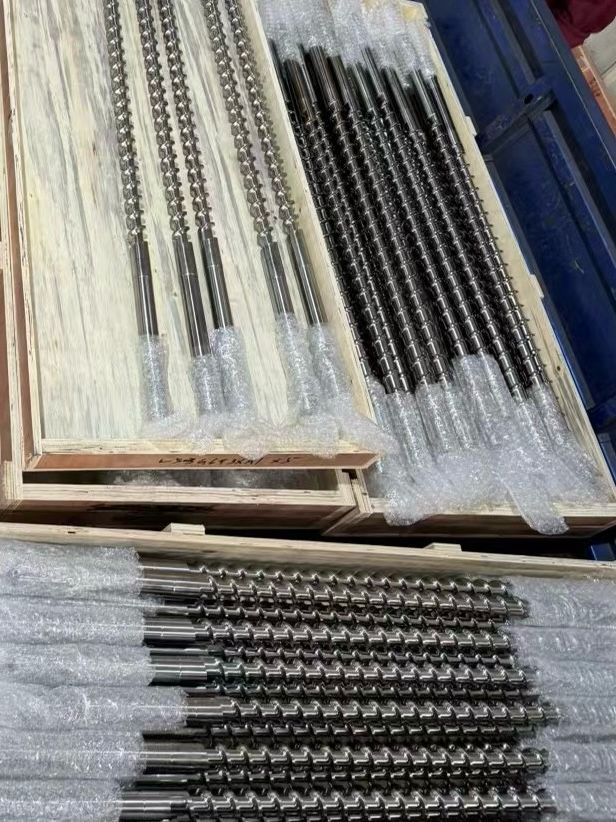
Various plastics call for different screw types:
| Material Type | Recommended Screw Type |
| PP / PE | General-purpose screw |
| ABS / PS | Mixing screw |
| PET / Nylon | Vented screw |
| Glass-filled | Bimetallic screw |
Matching Screw Design with Production Requirements
Think about:
-
Output requirements
-
Cycle time
-
Product complexity
Fast production might need barrier or multi-flight types.
Considering Wear Resistance, Output, and Product Quality
Main points are:
-
Wear resistance for long-term use
-
Melt quality for product consistency
-
Energy efficiency
Weighing these leads to good returns on investment.
Custom Injection Molding Screw and Barrel Solutions
Off-the-shelf options do not always fit. Tailoring allows fine-tuning based on:
-
Material characteristics
-
Machine specifications
-
Product requirements
Injection Molding Screw and Barrel Manufacturing Process
Raw Material Selection and Quality Control
Good raw materials face thorough checks. This confirms:
-
No internal defects
-
Consistent chemical composition
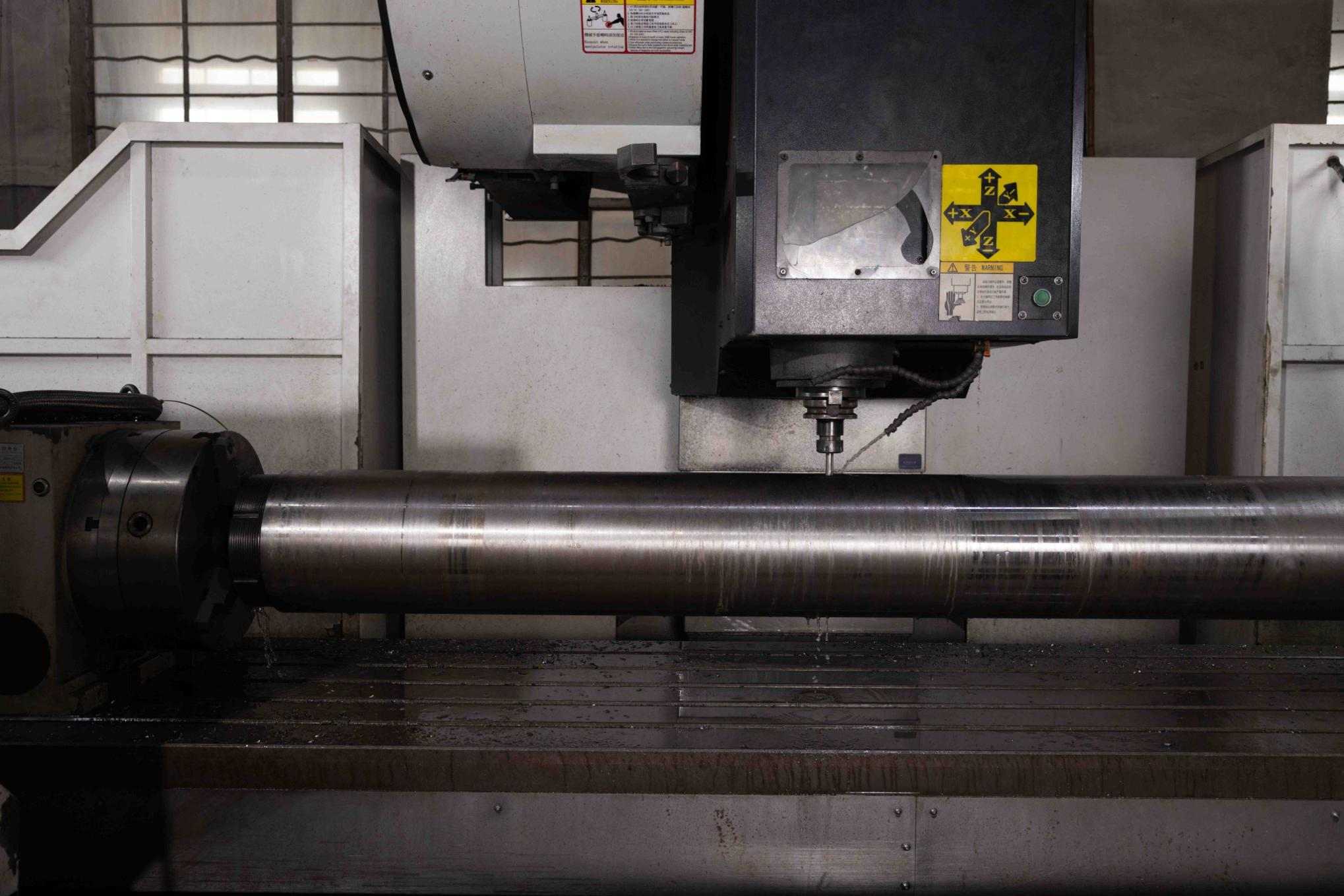
CNC Machining and Thread Milling Process
Exact machining covers:
-
CNC turning
-
Thread milling
-
Grinding and polishing
These actions guarantee correct sizes and even surfaces.
Heat Treatment (Nitriding, Quenching, Bimetallic Casting)
Heat treatment boosts function:
-
Nitriding improves surface hardness
-
Quenching increases strength
-
Bimetallic casting enhances wear resistance
Inspection, Assembly, and Precision Control
Last checks make sure of:
-
Proper fit between the screw and the barrel
-
Dimensional accuracy
-
Smooth operation
Common Problems and Optimization of Injection Molding Screw and Barrel
Wear, Corrosion, and Short Service Life Issues
Typical reasons are:
-
Abrasive materials
-
Corrosive additives
-
Improper material selection
Poor Plasticizing and Melt Inconsistency Problems
Troubles can come from:
-
Incorrect screw design
-
Uneven heating
-
Low mixing efficiency
How to Extend Screw and Barrel Service Life
Useful steps include:
-
Use appropriate materials and coatings
-
Maintain proper processing conditions
-
Regular inspection and maintenance
Maintenance and Replacement Best Practices
-
Monitor wear regularly
-
Replace components before failure
-
Use high-quality spare parts
Applications of Injection Molding Screw and Barrel Across Industries
Automotive, Electronics, and Packaging Applications
Injection molding serves many areas for:
-
Automotive components
-
Electronic housings
-
Packaging products
Medical Devices and High-Precision Plastic Parts
It needs:
-
High precision
-
Consistent melt quality
-
Strict material control
Recycling and High-Filled Material Processing
Recycling tasks require:
-
Strong wear resistance
-
Stable processing performance
High-Speed and High-Output Injection Molding
Today’s production focuses on:
-
Efficiency
-
Consistency
-
Reduced downtime
Why Choose CHUANGRI SCREW for Injection Molding Screw and Barrel Solutions
Customized Screw and Barrel Design Capabilities
At CHUANGRI SCREW, we create designs that match your production goals. This works for standard plastics or advanced materials. Tailoring brings the best results.
Advanced Manufacturing and Quality Control Systems
We use modern CNC machining, nitriding, and bimetallic methods. This guarantees:
-
High precision
-
Long service life
-
Stable performance
Wide Material Compatibility and Industry Experience
Years of work have let us handle many materials and uses. We help clients boost output and cut expenses.
Global Supply and Fast Delivery Advantages
We provide quick scheduling and worldwide shipping. This keeps your work running with little interruption.
FAQ
Q: What are the main types of injection molding screw and barrel?
A: There are different kinds such as general purpose, barrier, mixing, and vented screws and barrels. Each system is used for specific materials.
Q: What materials are used in injection molding screw and barrel manufacturing?
A: Usual materials include 38CrMoAlA, AISI 4140, and SKD61. They often get nitriding or bimetallic coatings for stronger action.
Q: How long do an injection molding screw and barrel last?
A: How long it lasts varies with material, conditions, and care. Good bimetallic screws outlast basic nitrided ones by a lot.
Q: Why is screw design important in injection molding screw and barrel systems?
A: Screw design shapes melting speed, blending quality, and production rate. It plays a big role in steady product results.

 consult
 WHATSAPP
 leave message
 top
top