Twin Screw and Barrel Wear Solutions for Highly Filled Materials
Related news
Twin Screw and Barrel Wear Solutions for Highly Filled Materials


Understanding Twin Screw and Barrel Wear in Highly Filled Materials
Substances with high filler levels see broad use in current plastic work. This happens mainly in fields like building, car making, and packing. Yet, they bring a major running issue. That issue is quick damage to the twin screw and barrel setup.
What Are Highly Filled Materials in Twin Screw Extrusion
Highly filled materials typically refer to polymers blended with a high percentage of inorganic fillers. Common examples include:
-
Calcium carbonate (CaCO₃) in PVC and SPC flooring
-
Glass fiber-reinforced engineering plastics
-
Mineral-filled compounds used in WPC or recycling
These materials can contain anywhere from 30% to over 300% filler content, depending on the application. While they improve product strength and reduce costs, they also dramatically increase friction inside the extruder.
Why Highly Filled Materials Accelerate Twin Screw and Barrel Wear
The challenge lies in the physical nature of fillers:
-
Hard particles act like abrasives, continuously grinding metal surfaces
-
Irregular particle shapes increase friction and shear stress
-
High loading levels amplify pressure and heat
As a result, wear occurs faster in key areas such as screw flights, root diameter, and barrel inner walls. Over time, this leads to reduced output, inconsistent melt quality, and higher maintenance costs.
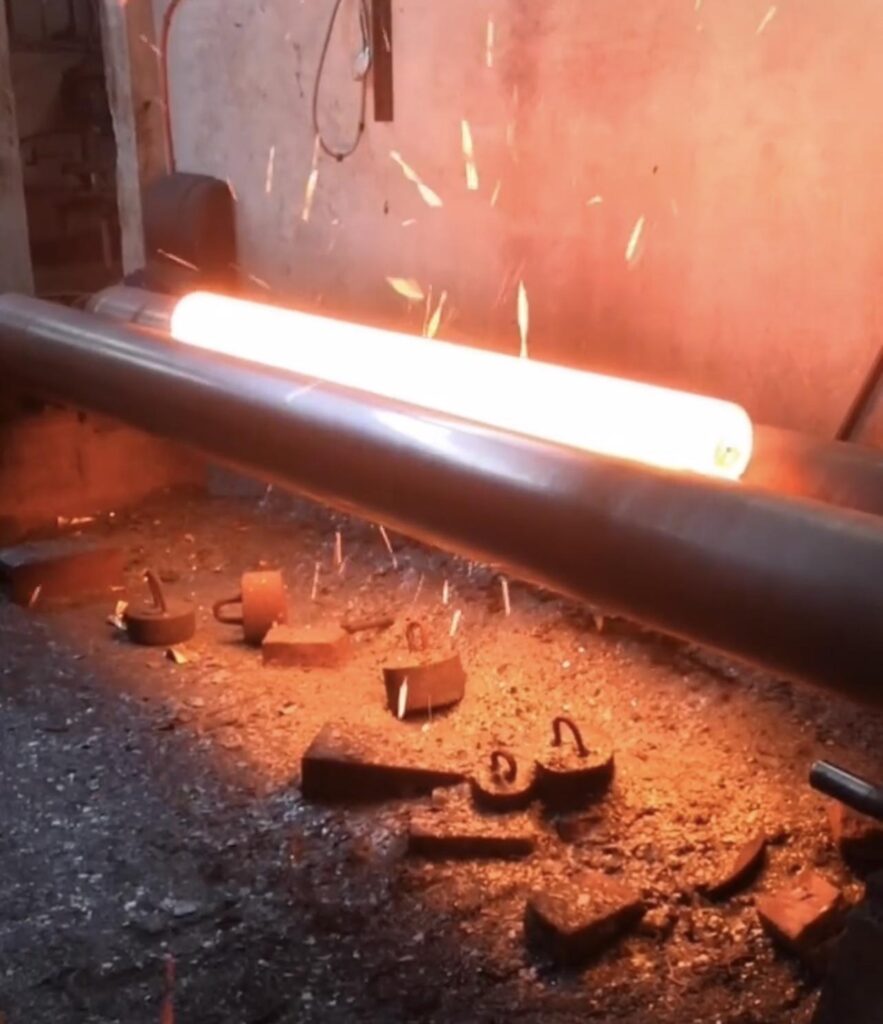
Key Wear Mechanisms Affecting Twin Screw and Barrel Performance
Learning how damage forms marks the initial move to fix it well.
Abrasive Wear from High Filler Content
Abrasive wear is the most common issue when processing highly filled materials. Hard fillers like calcium carbonate or glass fiber scrape against the screw and barrel surfaces.
Typical impact areas include:
-
Screw flight edges
-
Barrel inner lining
-
Mixing and compression zones
This type of wear gradually changes geometry, reducing conveying efficiency and mixing performance.
Corrosive Wear in Chemical Processing Environments
In addition to abrasion, certain materials introduce chemical corrosion:
-
PVC formulations with additives
-
Recycled plastics containing impurities
-
Flame retardants or stabilizers
When abrasion and corrosion occur together, the damage accelerates significantly.
Thermal and Mechanical Fatigue in Continuous Operation
Extrusion runs nonstop. After a while:
-
High torque loads stress the screw structure
-
Temperature fluctuations weaken material integrity
-
Repeated pressure cycles cause micro-cracks
These points shorten the work time of even solid parts if not handled correctly.
Twin Screw and Barrel Design Optimization for Wear Resistance
A soundly built screw goes beyond just moving substance. It plays a key part in managing damage.
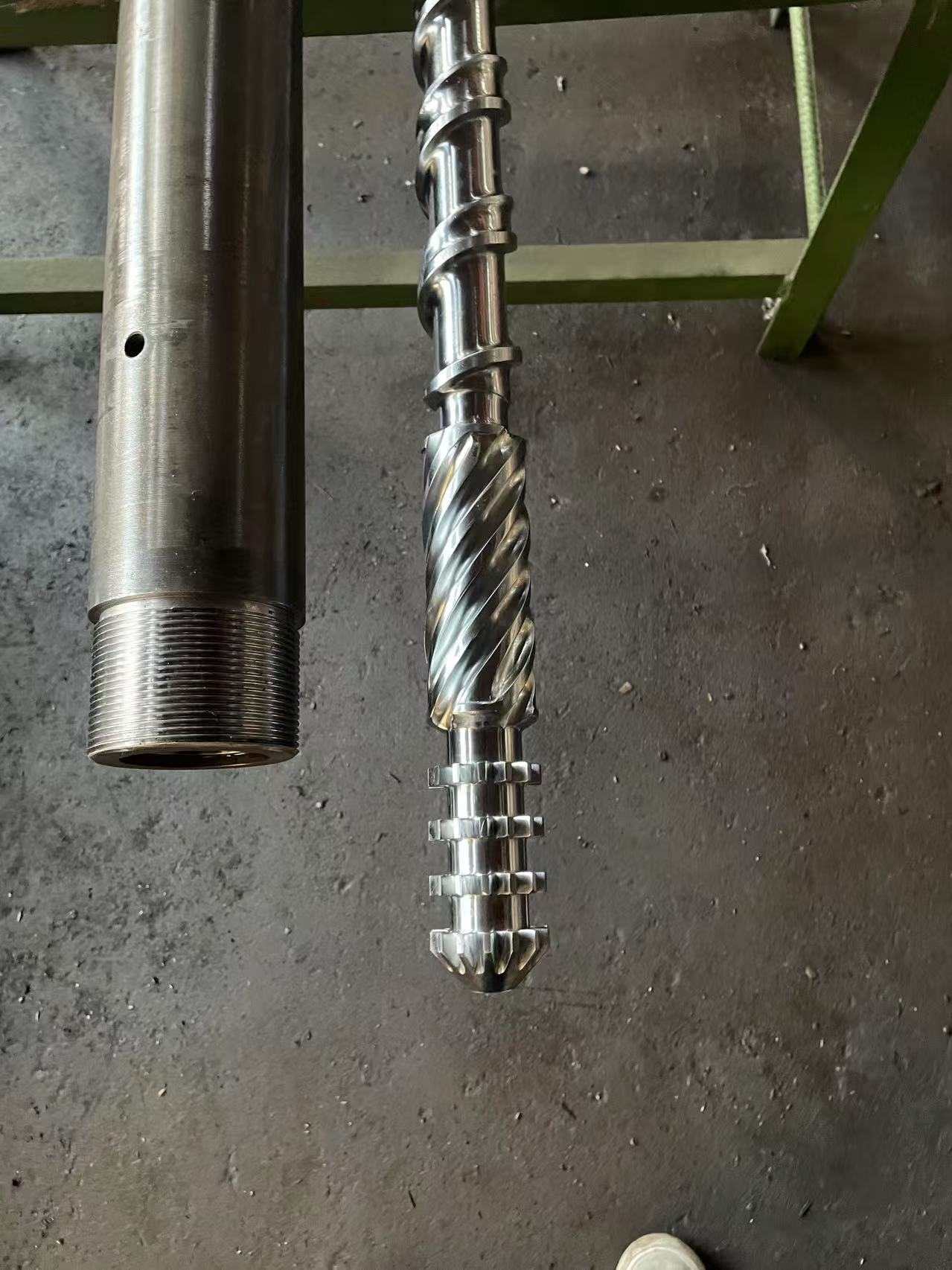
Advanced Screw Geometry for Highly Filled Compounding
Modern screw designs focus on balancing efficiency and durability:
-
Barrier structures improve melting while reducing shear peaks
-
Optimized mixing sections ensure uniform dispersion
-
Low-shear metering zones reduce temperature rise
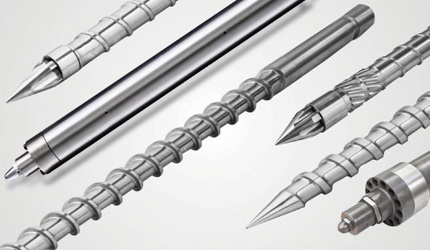
For example, CHUANGRI SCREW integrates tailored geometry to maintain stable processing even under high filler loads.
Customized Solutions for Different Filler Ratios
Not all materials behave the same. A 20% filled polymer requires a different design compared to a 150% calcium-filled PVC.
Key considerations include:
-
Compression ratio
-
Flight depth and pitch
-
Mixing element configuration
Custom design ensures the screw matches the material—not the other way around.
Why Parallel Twin Screw Barrel Design Improves Durability
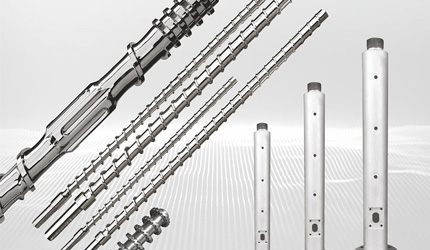
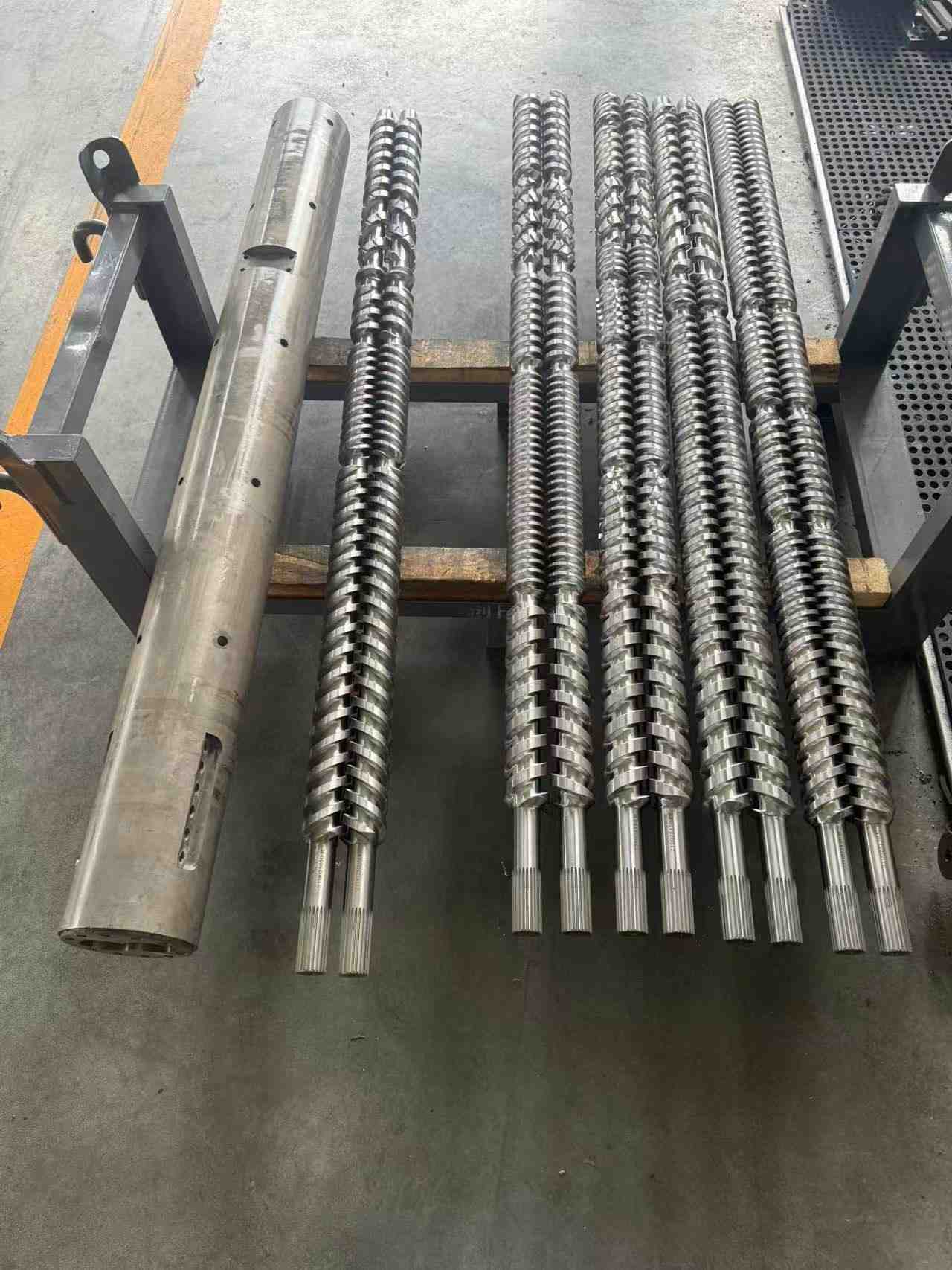
A Parallel Twin-Screw Barrel offers significant advantages in wear-heavy applications:
-
Better load distribution across both screws
-
Reduced localized stress and heat concentration
-
Stable processing at high output rates
This design is especially effective for continuous compounding of highly filled materials, where stability directly impacts lifespan.
Material and Coating Technologies for Twin Screw and Barrel Longevity
Built by itself falls short. Picking substances and face tech hold a main role in fighting damage.
Bimetallic Twin Screw and Barrel Solutions for Abrasive Materials
One of the most effective solutions is the use of bimetallic technology.
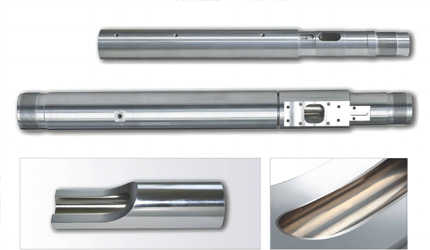
A representative example is the Bimetallic Twin-Screw Barrel, which features:
-
A wear-resistant alloy layer bonded to the inner surface
-
High resistance to both abrasion and corrosion
-
Extended service life in high filler (>35%) applications
This type of barrel is particularly suitable for calcium carbonate-filled PVC and similar compounds.
Surface Treatment Technologies for Enhanced Wear Resistance
Forward face works add to lasting power:
-
Nitriding: creates a hardened surface layer (up to HV900+)
-
HVOF tungsten carbide coating: provides extreme wear resistance
-
Nickel-based alloys: improve corrosion resistance
For example, the Bimetallic Screw with Tungsten Carbide Coating gives a solid guard in rubbing settings. It strengthens key damage spots like screw edges and root size.
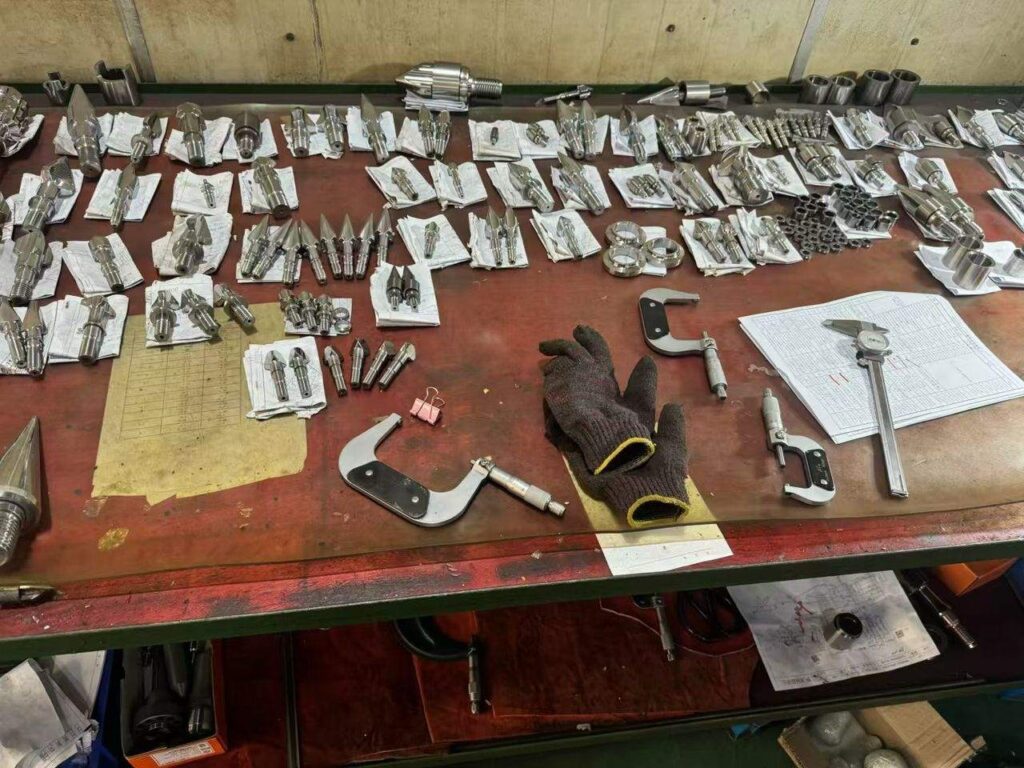
Selecting the Right Material Combination for Your Process
Picking the right substance goes beyond firmness. It is about fitting well.
| Application Type | Recommended Solution |
| High calcium carbonate PVC | Bimetallic barrel + carbide-coated screw |
| Glass fiber reinforced plastics | High-hardness alloy + reinforced flights |
| Corrosive recycled materials | Nickel-based alloy + anti-corrosion coating |
A fitted way guarantees top results without extra expense.
Practical Wear Solutions for Highly Filled Material Processing
Fixing damage issues needs a mix of building, substances, and method checks.
Design + Material Integration Strategy
The top setups mix:
-
Optimized screw geometry
-
Zone-specific alloy reinforcement
-
Matching barrel liner technology
For instance, the Parallel Twin-Screw Barrel for PVC and WPC Applications adds bimetallic liners. It uses a shape tuned for high calcium mixes. This raises the lasting power a lot.
Process Optimization to Reduce Twin Screw Wear
Running tweaks can also stretch work time:
-
Maintain stable temperature profiles
-
Avoid excessive shear rates
-
Ensure consistent feeding of materials
Even minor gains in method check can cut damage by a clear amount.
Maintenance and Lifecycle Management Best Practices
Ahead upkeep matters greatly:
-
Regular inspection of the screw and barrel clearance
-
Monitoring output consistency
-
Timely refurbishment instead of full replacement
This way cuts stop times and lowers full ownership expense.
How CHUANGRI SCREW Delivers Reliable Twin Screw and Barrel Solutions
At CHUANGRI SCREW, we center on fixing real issues. We do more than just provide parts.
Custom Twin Screw and Barrel Engineering for High-Filler Applications
We design screws and barrels based on your specific material and process conditions. Whether you are working with:
-
High calcium PVC
-
Glass fiber reinforced polymers
-
Recycled materials
We tailor every detail—from geometry to alloy selection—to match your production goals.
Proven Wear-Resistant Technologies and Manufacturing Expertise
Our making steps keep a steady standard:
-
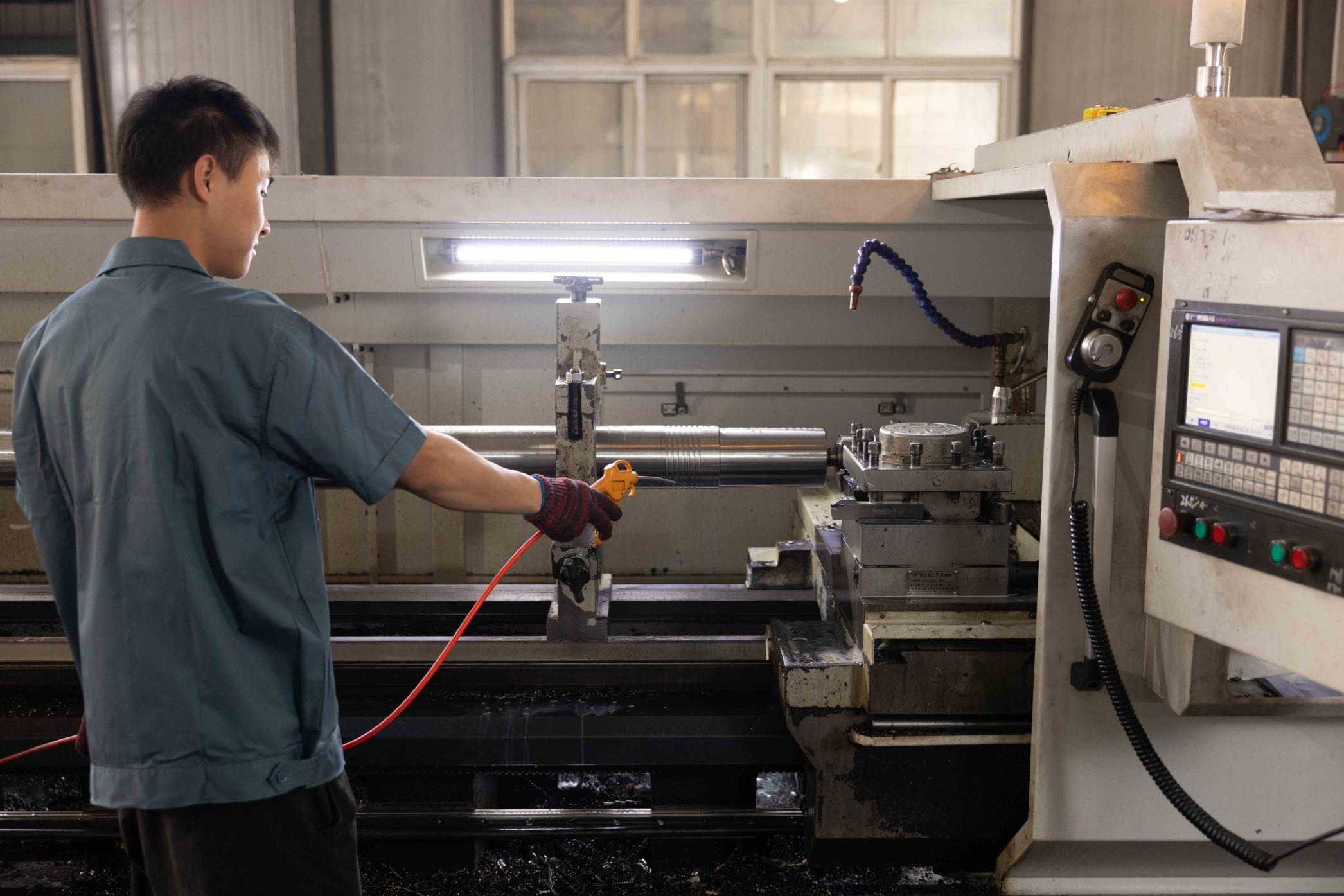
Precision CNC machining for accurate dimensions
-
Strict inspection of hardness, concentricity, and surface finish
-
Advanced treatments such as nitriding and bimetallic coating
These skills let us supply parts that work steadily in tough settings.
Benefits for Industrial Users
By mixing build and substance skills, we aid buyers in reaching:
-
30%+ longer service life
-
Improved product consistency
-
Reduced downtime and maintenance costs
Our aim is to make your extrusion method steadier, faster, and cheaper to run.
Choosing the Right Twin Screw and Barrel Supplier for Your Application
Picking the right teammate counts as much as picking the right item.
Key Factors to Evaluate in a Supplier
When looking at sellers, think of:
-
Engineering and customization capability
-
Material and coating expertise
-
Production and delivery efficiency
A solid seller should give full answers. It should not just offer basic parts.
Common Mistakes When Selecting Twin Screw and Barrel Solutions
Skip these usual traps:
-
Choosing standard designs for complex materials
-
Ignoring filler characteristics
-
Focusing only on initial cost
These slips often bring higher expenses in the long run.
Cost vs Performance: Making the Right Investment Decision
A smaller starting price might look good, but:
-
Frequent replacements increase downtime
-
Poor wear resistance reduces productivity
Putting money into top-ranked answers guarantees a better return over time.
FAQ
Q: What causes twin screw and barrel wear in highly filled materials?
A: Damage comes mostly from rubbing fillers like calcium carbonate or glass fiber. They steadily grind on the screw and barrel faces. Rusting adds, and high work temperature can speed up the damage further.
Q: How can twin screw and barrel wear be reduced in extrusion processes?
A: Damage lessens through tuned screw build, bimetallic barrels, wear-guard layers, and steady method settings like temperature and friction speed.
Q: What is the best twin screw and barrel material for high calcium carbonate applications?
A: Bimetallic barrels with tungsten carbide-coated screws count as the top choice. They guard against both rubbing and rusting.
Q: Why is a parallel twin screw barrel better for highly filled materials?
A: A parallel twin screw barrel spreads the load more evenly. It cuts local stress and keeps steady work. This makes it great for high-output and high-filler tasks.
Q: How long does a twin screw and barrel last when processing highly filled materials?
A: Work time varies by substance, build, and method settings. But top answers with the right layers and build can stretch service life by more than 30% over basic parts.

 consult
 WHATSAPP
 leave message
 top
top