Optimizing Temperature Control in Injection Moulding Screw Barrels
Optimizing Temperature Control in Injection Moulding Screw Barrels


Understanding the Importance of Temperature Control in Injection Moulding Screw Barrels
Heat management in injection molding screw barrels plays a key role in creating fine items and smooth operations. Good heat oversight keeps the melt even, stops material breakdown, and cuts item flaws. At the same time, it helps lower total making costs.
Keeping tight heat control can cut scrap, boost output speed, and lengthen gear life. This makes it essential for a strong injection moulding setup.
How Temperature Affects Moulding Performance and Product Quality
Temperature influences material viscosity and flow. Fluctuations in barrel temperature can cause uneven melting, poor material flow, and surface defects. A consistent temperature ensures materials melt uniformly, fill moulds accurately, and solidify in a way that enhances product strength and appearance.
For example, ABS requires specific melting points for proper flow. Overheating may cause degradation, while underheating can result in poor filling. Maintaining a steady temperature is crucial for high-quality, defect-free products.
The Impact of Inconsistent Temperature on Injection Moulding Process
Uneven heat can bring several problems. These include partial filling or soft areas in the form. Too much heat causes material breakdown. Too little leads to wrong flow.
Uneven heats also raise machine damage. Spots that overheat wear out quicker. This brings high fix costs and stoppages. Steady heat ensures better item standards. They also lower long-run upkeep costs.
Why Accurate Temperature Control is Crucial for Cost Efficiency
Heat ups and downs raise run times, material scrap, and power use. For example, too much or too little heat may need extra runs. This wastes time and stuff.
By fine-tuning heat oversight, makers can cut power use. They can shorten run times and trim scrap. Strong barrels with tight heat handling keep the melt even. This leads to quicker runs and real cost cuts.
Key Factors Influencing Temperature Regulation in Injection Moulding Screw Barrels
The Role of Barrel and Screw Design in Heat Management
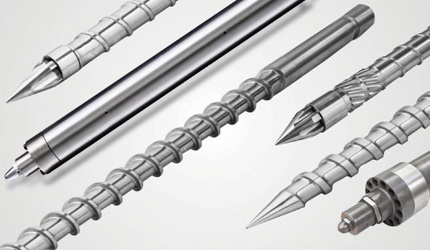
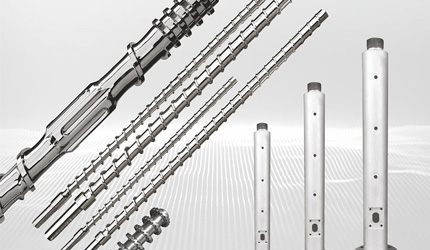
Screw and barrel builds greatly shape heat oversight. A solid barrel design spreads heat evenly. The screw needs to melt enough material before it hits the form.
For instance, smart screw builds can cut friction heat. This stops extra heat piles. Tailored screw and barrel builds aid heat hold. They avoid hot areas and lift full task speed.
How Different Plastics Affect Temperature Needs
Plastics have clear heat demands. For instance, PEEK and other top polymers need higher work heats. Meanwhile, PE and PP work at lower heats. These differences set the heat patterns in the barrel.
Stuff like PVC needs careful heat watch to stop heat breakdown. Knowing each material’s heat needs is key to picking the right screw and barrel build.
The Function of Heating Bands and Temperature Zones in the Barrel
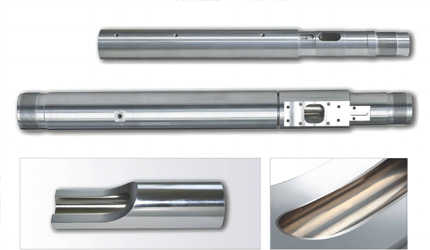
Heating bands hold the needed heat in each barrel area – feed, squeeze, and measure. Each area needs different heat levels based on the material in use.
The feed area often needs lower heats to stop early melting. The measure area calls for higher heats for the best melt standards. Tight heat control setups in the barrel ensure even heat spread. They prevent too much or too little heat.
Best Practices for Optimizing Temperature Control in Injection Moulding
Strategies for Adjusting Temperature Based on Material Type
Each material has its own heat work needs. For instance, PP works at lower heats. PC and PEEK need higher ones. Tuning barrel heat to the material type ensures good flow. It cuts breakdown and keeps the right melt thickness.
Tailored screw builds that lower friction forces work well for softer plastics. They further aid heat control.
Maintaining Consistent Heat Throughout the Injection Cycle
Keeping steady heats across the barrel is vital for item standards. Shifts can cause flaws like uneven flow, soft spots, or rough outsides. Smart heat watch systems give live input. They tweak heating as needed to hold steady setups through the run.
These systems make sure the barrel stays at the right heat. As a result, melt standards stay even. Item steadiness improves, too.
Technological Innovations for Enhanced Temperature Control
New technologies in 2026, like adaptive heating and real-time temperature monitoring, enable more precise temperature regulation. These systems adjust the heating based on feedback, ensuring optimal conditions for each material.
Integrating advanced materials, such as bimetallic barrels, enhances the process stability, improving heat distribution and reducing temperature fluctuations.
CHUANGRI SCREW’s Solutions to Temperature Control Challenges
How CHUANGRI SCREW Designs Custom Screws and Barrels for Optimal Temperature Management
Tailored screw and barrel setups fit the heat needs of different materials and tasks. They greatly lift heat oversight. With smart builds, CHUANGRI SCREW aids heat steadiness. This lengthens gear life and boosts item evenness.
For example, nitrided screws give better heat flow and a damage guard. They ensure good heat control throughout the task.
Custom Solutions for Different Injection Moulding Applications
Injection moulding tasks differ a lot. Each needs its own heat handling fixes. From car parts to home gadgets, picking the right screw and barrel build is key to meeting material heat needs.
Bimetallic barrels offer strong heat hold and guard. They fit high-heat plastics or stuff with rough fillers.
The Role of CHUANGRI SCREW’s Products in Improving Process Efficiency
By lifting heat control, CHUANGRI SCREW items help cut run times, trim material scrap, and raise end item standards. Bimetallic barrels and nitrided screws give fine heat spread. They ensure good material flow and better evenness in fast runs.
These strong builds add to quicker, cheaper injection moulding tasks.
FAQ
Q: How can temperature control impact injection moulding screw barrel performance?
A: Temperature control ensures consistent melt flow, higher-quality products, and improved process efficiency. Inconsistent temperatures lead to defects like weak spots and uneven filling, negatively affecting performance.
Q: What are the benefits of using a bimetallic screw for temperature regulation?
A: Bimetallic screws offer superior heat retention and wear resistance. They ensure consistent temperature control, improving melt consistency and extending the lifespan of the screw and barrel.
Q: How do different types of plastics affect temperature management in injection moulding?
A: Various plastics have their own heat traits. They need fitted heat patterns. PEEK calls for higher heats. PE and PP need lower ones. Tailored screw builds fine-tune heat control for each stuff.
Q: How do I choose the right injection moulding screw barrel for my production line?
A: Choose the right screw and barrel by considering material type, required processing temperature, and desired output quality. Custom screw designs can help ensure optimal temperature control for specific materials.
Q: What is the importance of heating bands in injection moulding screw barrels?
A: Heating bands hold steady heats across the barrel. They ensure even melt standards. Smart heating setups in barrels give tight heat oversight. This lifts item evenness and standards.

 consult
 WHATSAPP
 leave message
 top
top