Twin Screw and Barrel Troubleshooting: Fix Common Extrusion Problems
Twin Screw and Barrel Troubleshooting: Fix Common Extrusion Problems


Twin Screw and Barrel Systems in Extrusion: Why Troubleshooting Matters
Twin screw and barrel systems determine whether an extrusion line operates consistently or struggles with recurring instability. In many production environments, extrusion problems are addressed by adjusting temperature profiles, screw speed, or formulations. While these measures can offer short-term relief, they often fail to resolve deeper mechanical issues within the twin screw and barrel assembly itself. Effective troubleshooting starts with understanding that extrusion performance is shaped as much by hardware condition and design as by process settings.
Twin screw extrusion relies on coordinated conveying, melting, mixing, and pressurization. When screw geometry, barrel materials, or internal clearances no longer align with the material being processed, even optimized parameters cannot compensate. This mismatch leads to repeated adjustments, higher energy use, and declining product consistency. System-level troubleshooting helps shift extrusion operations from reactive correction to stable, long-term control.
How Twin Screw and Barrel Design Affects Extrusion Stability
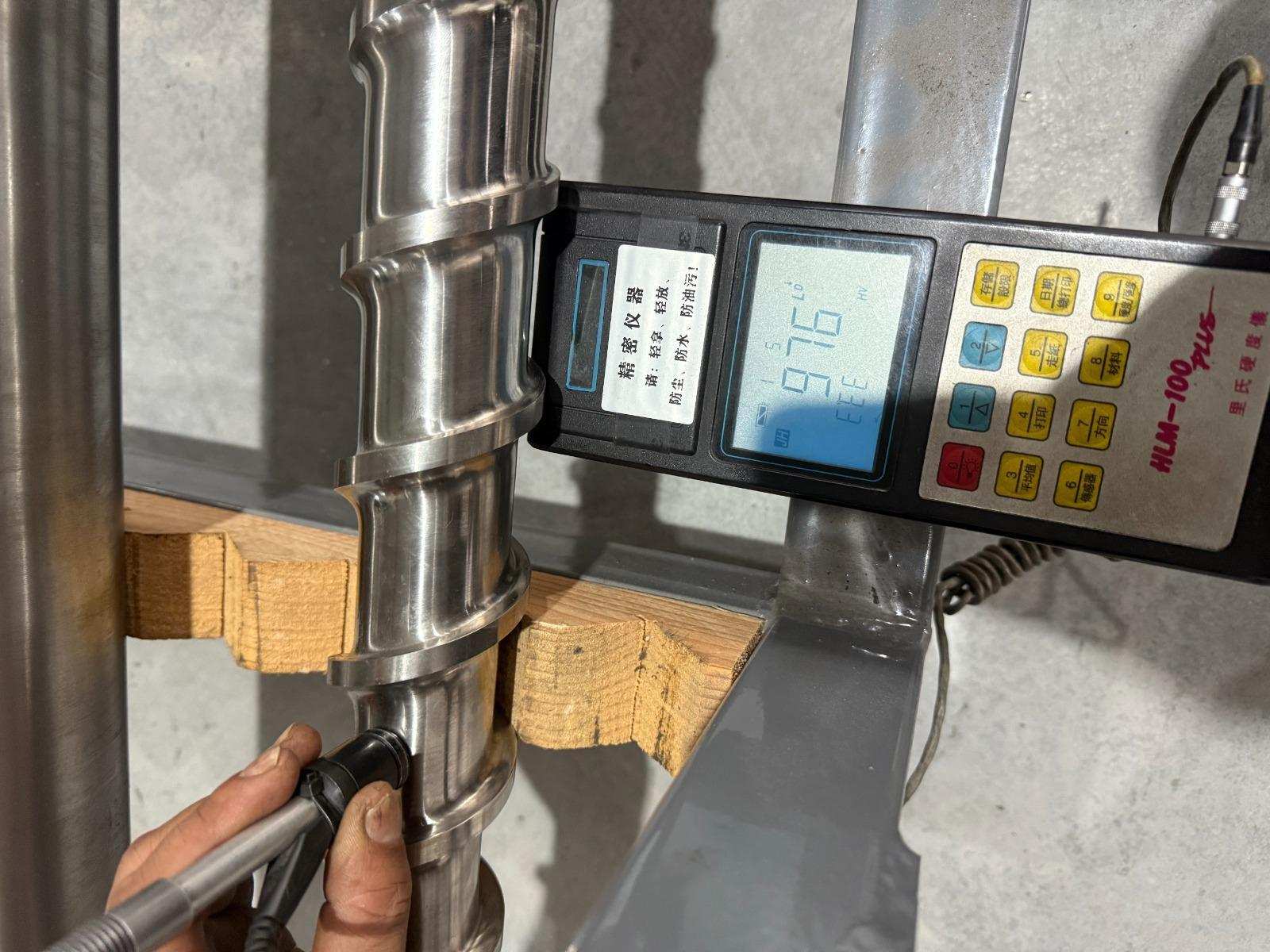
Twin screw and barrel layout controls how the material acts inside the extruder. Feeding parts manage intake steadiness. Squeeze areas shape melting. Blending sections set blending evenness. Meanwhile, barrel linings impact heat flow and resistance to grinding or rust.
When formulations change—such as adding recycled content or increasing calcium carbonate—the original screw design may no longer be suitable. This often results in unstable torque, uneven melt temperature, and output fluctuation. Troubleshooting extrusion stability, therefore, requires reassessing whether the existing screw and barrel design still matches current materials and output targets.
When Extrusion Problems Are Caused by Hardware, Not Process Settings
Twin screw and barrel troubleshooting becomes essential when repeated parameter adjustments deliver diminishing returns. Symptoms such as unexplained throughput variation, rising motor load, vibration, or dimensional inconsistency usually point to mechanical causes. Wear-induced clearance changes reduce pressure control and mixing efficiency, creating instability that process tuning cannot fix.
Recognizing these hardware-driven issues early allows manufacturers to address root causes directly, avoiding prolonged trial-and-error and preventing further equipment damage.
Common Twin Screw Extrusion Problems and Their Root Causes
Most twin screw extrusion problems appear as quality defects or productivity losses, but their origins are often structural rather than operational. Identifying root causes enables targeted corrective action.
Output Fluctuation and Unstable Throughput in Twin Screw Systems
Output fluctuation in twin screw and barrel systems is commonly caused by uneven material conveying. Worn screw flights reduce material grip, while excessive barrel clearance promotes backflow and weak pressure build-up. Even at constant screw speed, throughput becomes unstable.
Material differences can worsen the issue. Variations in bulk weight, grain size, or water level highlight limits in basic screw layouts. In such cases, output unsteadiness shows a poor fit between material action and gear setup.
Poor Melt Quality and Inconsistent Material Plasticization
Weak melt evenness ranks as a top reason for twin screw troubleshooting. Full melting fails, heat differences appear, and surface marks show up. These point to poor control of shear and stay time.
Such troubles often arise from old screw setups or surface grinding that blocks heat pass. Raising barrel heat might hide the issue for a bit. But real gains come from fixing the proper screw shape and surface state.
Twin Screw and Barrel Wear: Hidden Causes Behind Repeated Failures
Wear builds slowly in twin screw and barrel systems. This makes it simple to miss until output falls fast. Still, wear drives many ongoing extrusion troubles.
Abrasive and Corrosive Materials Accelerating Screw and Barrel Wear
Abrasive fillers such as calcium carbonate and glass fiber accelerate wear on screw flights and barrel liners. Recycled materials introduce contaminants that further increase abrasion, while PVC formulations can add chemical corrosion.
As wear goes on, inner gaps grow. This weakens pressure steadiness and blending output. These shifts often start as higher power needs or small quality slips before clear harm appears.
Why Standard Nitrided Twin Screw and Barrel Solutions Reach Their Limits
Basic nitrided twin screw and barrel parts work well in mild setups. But they hit limits in heavy-wear tasks. Nitriding boosts surface toughness. Yet, it gives little shield against strong grinding or rust.
For full-load or reused materials, nitrided surfaces grind fast. This cuts service time. At that point, troubleshooting needs to look at gear upgrades, not more setting tweaks.
Troubleshooting Twin Screw and Barrel Issues by Extrusion Zone
Looking at twin screw and barrel troubles by extrusion area gives a useful plan for spotting and fixing.
Feeding and Conveying Zone Problems in Twin Screw Extrusion
Feeding and conveying area troubles often look like material surges or shaky intake. These signs usually tie to wrong screw spacing, worn feeding parts, or uneven material flow.
In many lines, using a Parallel Twin-Screw Barrel with tuned feeding shape aids steady intake. Better edge design and grind resistance keep even material movement. This backs later steadiness.
Melting and Mixing Zone Challenges Affecting Product Consistency
Melting and blending areas set how evenly the material softens. Too little shear leaves unsoftened bits. Too much shear causes breakdown.
For PVC and high-calcium recipes, the SPC Conical Twin-Screw Barrel boosts softening. It pairs strong pressure rise with managed shear. This setup improves melt evenness without raising heat strain.
Metering and Discharge Zone Issues Impacting Final Output Quality
Metering and discharge zone performance directly affect dimensional accuracy and surface finish. Pressure instability here often results from wear or an unsuitable screw configuration.
In abrasive environments, Bimetallic Twin Screw and Barrel solutions preserve tight clearances and stable pressure control over longer production cycles, reducing scrap and output variation.
Process Adjustment or Hardware Upgrade: How to Make the Right Decision
Figuring out whether to keep tweaking processes or spend on gear changes marks a key step in twin screw and barrel troubleshooting.
When Parameter Changes Fail to Solve Twin Screw Extrusion Problems
When repeated changes to temperature, speed, or formulation fail to stabilize production, the limitation is usually mechanical. Persistent quality issues, rising energy consumption, and frequent maintenance signal that process tuning alone is no longer effective.
Recognizing this point helps manufacturers redirect effort toward solutions with lasting impact.
Clear Signs That Twin Screw and Barrel Redesign Is Required
Fast wear, dropping output in steady setups, and often part swaps all point to redesign needs. Moves to more filler or reused materials add reason to rethink screw and barrel layout.
Here, troubleshooting shifts from quick patches to lasting gains.
How CHUANGRI SCREW Solves Twin Screw and Barrel Troubleshooting Challenges
At CHUANGRI SCREW, we aid twin screw and barrel troubleshooting via task-based spotting, not plain swaps. We review material traits, wear marks, and process aims to find why unsteadiness happens.
Application-Specific Twin Screw and Barrel Design Capabilities
We build twin screw and barrel options for actual running conditions. For PVC pipe, shape, and blending lines, the screw shape gets fitted to match the feeding output, blending evenness, and heat handling. This cuts the need for harsh settings.
Advanced Materials and Manufacturing Processes That Extend Service Life
Good troubleshooting relies on material picks. We use bimetallic linings, tungsten carbide layers, and SKD alloy methods in heavy-wear areas. They hold inner gaps and pressure steadiness for grinding or rusting recipes.
All main steps, like cutting, heat work, alloy layering, and checks, happen inside. This ensures size accuracy and steady output.
From Problem Diagnosis to Long-Term Extrusion Performance Improvement
By fitting screw layout and materials to true processing needs, we aid makers in cutting stop times, steadying output, and holding product evenness over the gear’s full life.
FAQ
Q: What are the most common twin screw and barrel problems in extrusion?
A: Common problems include unstable output, poor melt quality, accelerated wear, and pressure fluctuations, often caused by screw design mismatch or material-related wear rather than process settings.
Q: How to choose the right twin screw and barrel for extrusion applications?
A: Selection depends on material type, filler content, processing temperature, and output goals. Evaluating wear resistance and application-specific design is essential.
Q: Twin screw and barrel vs single screw systems: which is better?
A: Twin screw and barrel systems offer better mixing and temperature control for PVC, compounding, and recycled materials, provided the design matches the application.
Q: Which brand of twin screw and barrel is suitable for high calcium materials?
A: Brands offering bimetallic barrels and wear-resistant screw solutions are generally more suitable for high calcium formulations due to improved abrasion resistance.
Q: How does wear affect twin screw and barrel extrusion performance?
A: Wear increases internal clearance, reducing pressure stability and mixing efficiency, leading to higher energy use, inconsistent output, and declining product quality.

 consult
 WHATSAPP
 leave message
 top
top