Twin Screw Extruder Barrel Comparison: Nitrided vs Bimetallic Barrels
Related news
-
Twin Screw Extruder Barrel Comparison: Nitrided vs Bimetallic Barrels
-
Exploring Twin Screw Feeder Design: Key Components and Engineering Considerations
-
Essential Parallel Twin Screw Barrel Maintenance for Peak Performance
-
Analyzing Injection Moulding Screw Barrel Manufacturer Specifications

-
How to Accurately and Professionally Measure Your Screw and Barrel?
-
Understanding the Critical Role of Injection Molding Screws and Barrels
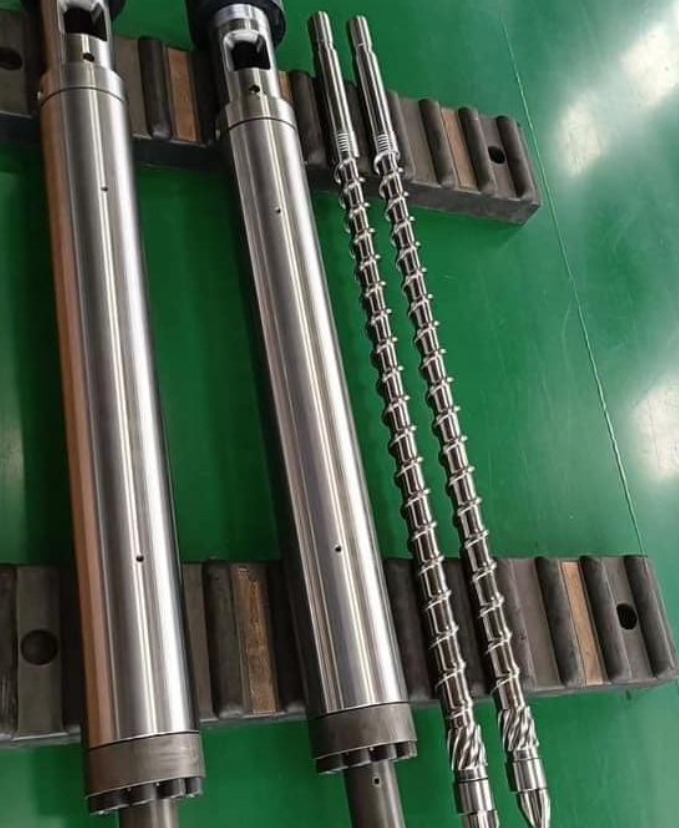
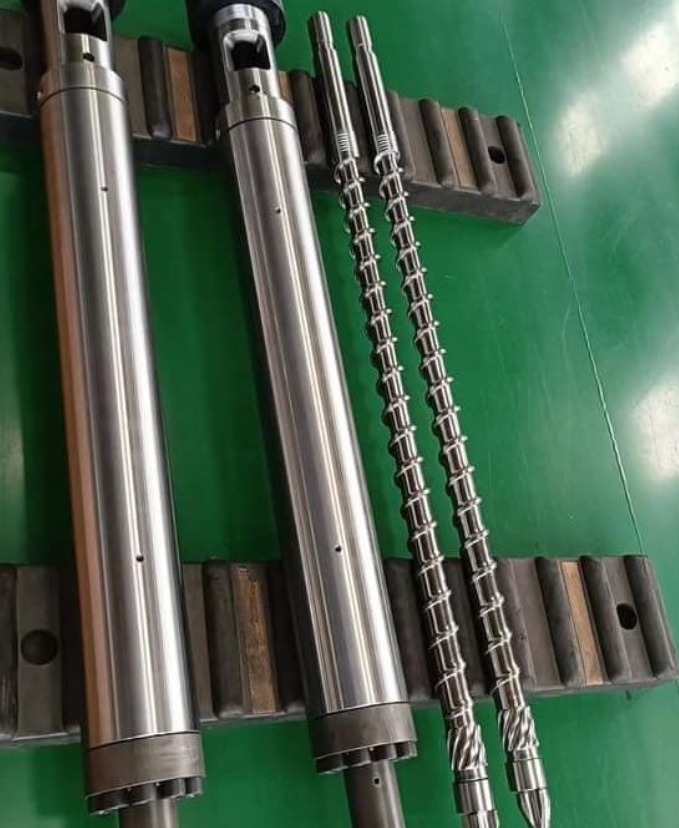
Twin Screw Extruder Barrel Comparison: Nitrided vs Bimetallic Barrels


Twin Screw Extruder Barrel Overview and Why Material Choice Matters
Twin screw extruder barrel performance plays a decisive role in production stability, wear control, and long-term operating cost across modern plastic processing lines. Unlike single-screw systems, twin screw extruders rely on precise screw–barrel interaction to achieve efficient conveying, mixing, and self-wiping, making barrel material selection a core engineering decision rather than a secondary specification.
Twin screw extruder barrel material choice becomes especially critical as formulations grow more complex. High filler content, recycled materials, and aggressive additives all accelerate wear and corrosion if the barrel surface is not properly engineered. Understanding how different barrel materials respond to these challenges lays the foundation for a meaningful comparison between nitrided and bimetallic solutions.
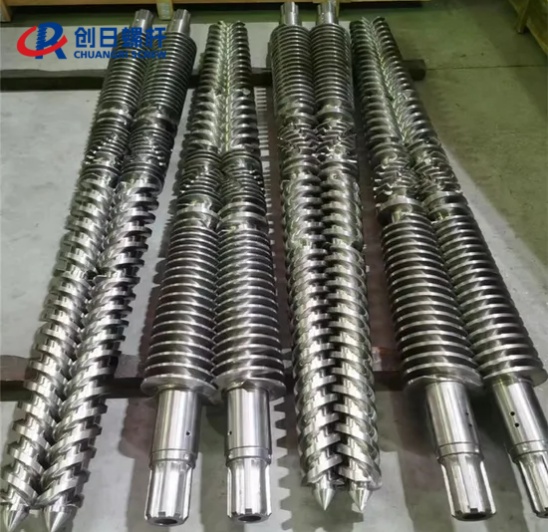
Twin Screw Extruder Barrel Function in Modern Plastic Processing
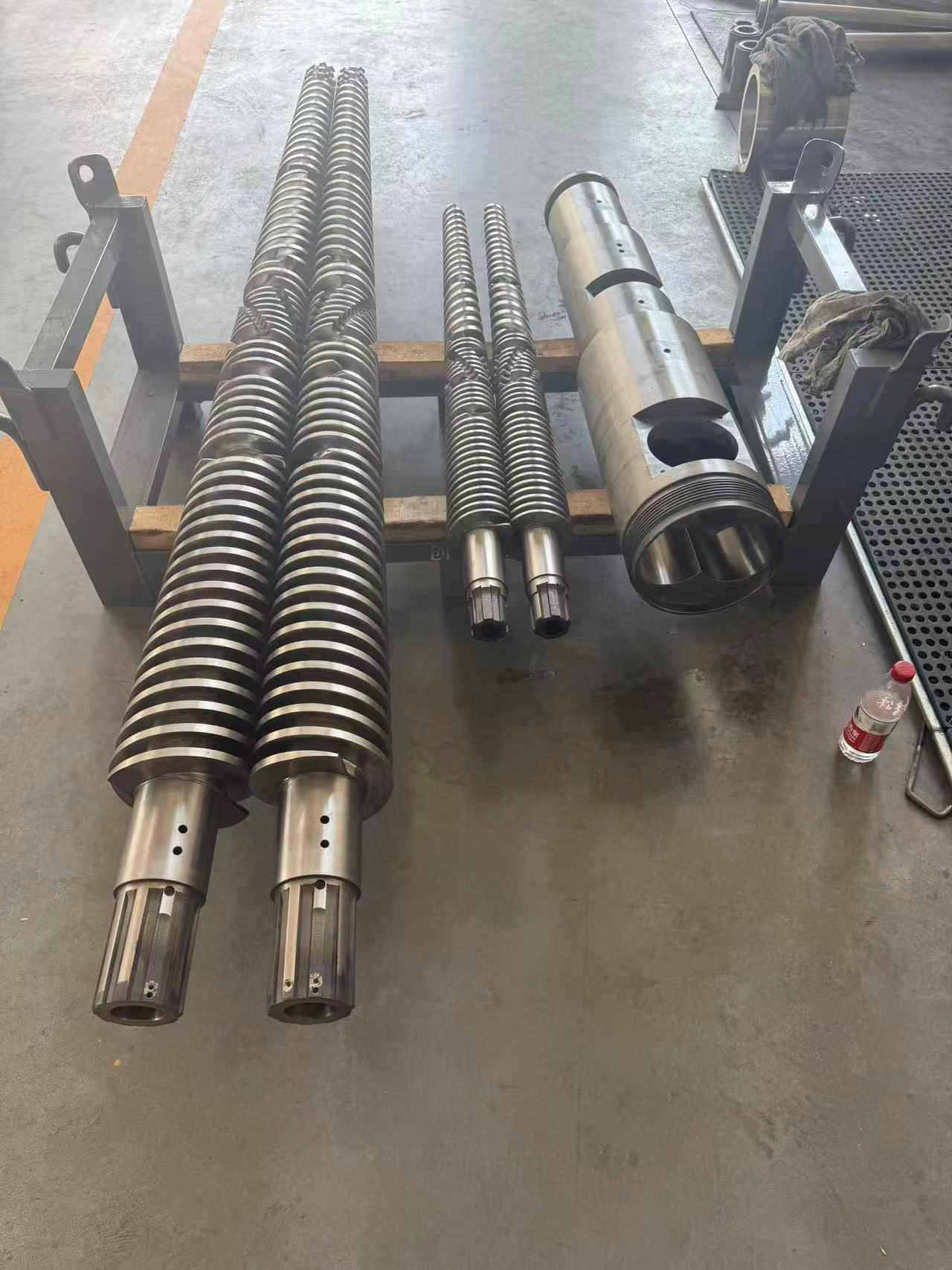
The role of twin screw extruder barrels goes past just holding the screws and keeping them straight. In co-rotating and counter-rotating twin screw setups, the barrel shapes how much shear happens, how well mixing works, and how pressure builds. It does this through its inner shape and surface state.
Twin screw extruder barrel design needs to aid heat control and solid build, too. Built-in cooling paths, set wall depth, and careful shaping make sure processing heat stays even. They also keep sizes accurate during nonstop work.
How Twin Screw Extruder Barrel Materials Affect Wear, Output Stability, and Melt Quality
Materials in twin screw extruder barrels shape wear patterns by setting surface toughness, slide traits, and fight against scraping. If the surface wears in spots, it can mess up the screw space. That leads to shaky output and uneven melt results.
The surface work of twin screw extruder barrels also impacts the chance of dirt getting in. Too much wear makes metal bits that can mix into the melt. This causes big problems in exact extrusion and high-end blending jobs.
Common Twin Screw Extruder Barrel Challenges: Abrasion, Corrosion, and High Filler Content
Twin screw extruder barrel issues pop up most in jobs with calcium carbonate, glass fiber, flame retardants, or reused polymers. Rough fillers grind away at the barrel inside by force. Harsh additives eat at the surface through chemicals.
So, picking twin screw extruder barrels means finding a mix of fight against grinding, fight against rust, and steady size over time. This mix shows the real gap between nitrided and bimetallic barrel methods.
Twin Screw Extruder Barrel Comparison: Nitrided vs Bimetallic Fundamentals
Nitrided Twin Screw Extruder Barrel Structure and Surface Treatment Characteristics
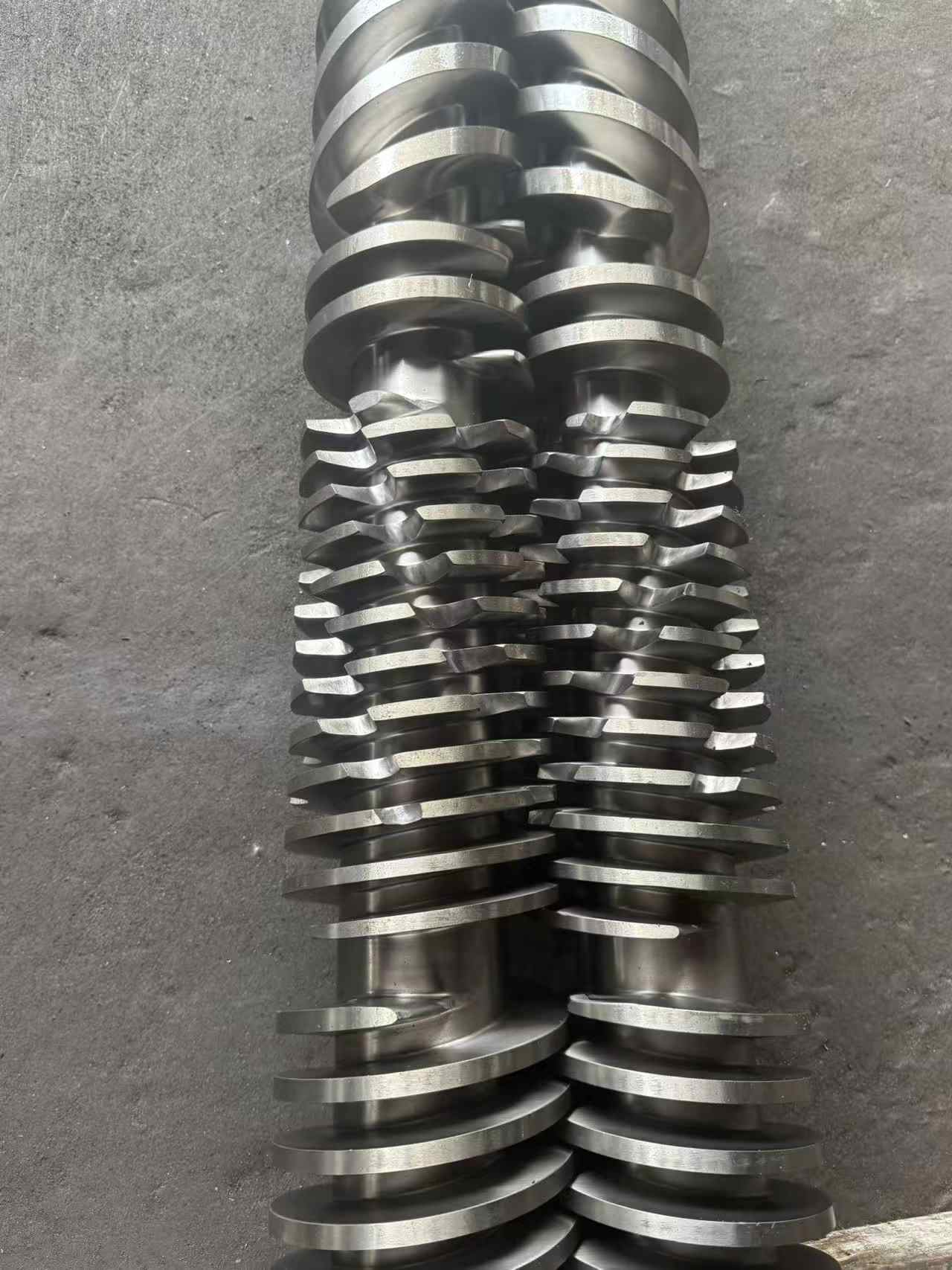
Nitrided twin screw extruder barrels are manufactured from alloy steels such as 38CrMoAlA and treated through gas or ion nitriding. This process diffuses nitrogen into the steel surface, forming a hardened layer that increases surface hardness and wear resistance.
Nitrided twin screw extruder barrel advantages include uniform hardness, precise dimensional control, and reliable performance in stable formulations. Because the hardened layer is integrated into the base material, nitrided barrels retain strong structural integrity under consistent operating conditions.
Bimetallic Twin Screw Extruder Barrel Structure and Alloy Liner Technology
Bimetallic twin screw extruder barrels have a tough alloy inside layer stuck to a steel main body. This inside layer often comes from centrifugal casting or spray welding. It forms a thick, metal-joined inner coat.
The liners in bimetallic twin screw extruder barrels use alloy mixes with nickel, chromium, and carbides. They stand up to hard grinding and rust. This setup lets bimetallic barrels deal with tough blends that go past what surface-tough steel can take.
Key Mechanical and Metallurgical Differences Between Nitrided and Bimetallic Barrels
Differences in twin screw extruder barrels between nitrided and bimetallic styles focus on liner depth, wear allowance, and fix options. Nitrided barrels use a fairly thin, tough layer. Bimetallic barrels give a thick alloy liner built for longer use time.
Metallurgical differences in twin screw extruder barrels also shape upkeep plans. When the nitrided layer wears out, you usually need a full swap. But Bimetallic barrels can often get a new liner or fix-up.
Twin Screw Extruder Barrel Performance Comparison in Real Processing Conditions
Wear Resistance Comparison in Abrasive and High-Filler Compounds
Twin screw extruder barrel wear resistance differs significantly between nitrided and bimetallic solutions in abrasive environments. Nitrided barrels perform well in low to medium filler applications where wear progresses predictably.
Bimetallic twin screw extruder barrels demonstrate superior resistance in high-calcium PVC, WPC, and mineral-filled compounds. The alloy liner resists micro-cutting and particle erosion, slowing bore enlargement and extending service life.
Corrosion Resistance Comparison in Reactive and Recycled Materials
Twin screw extruder barrel corrosion resistance becomes critical in recycling and chemically aggressive formulations. Nitrided layers offer limited chemical protection and may degrade under acidic or halogen-rich conditions.
Bimetallic twin screw extruder barrels provide enhanced corrosion resistance through tailored alloy chemistry, making them better suited for recycled materials and specialty compounding lines.
Service Life, Dimensional Stability, and Long-Term Performance Differences
Use life for twin screw extruder barrels ties to keeping the inner shape over time. Nitrided barrels give steady work in set recipes. But they may face faster wear if material conditions shift.
Bimetallic twin screw extruder barrels hold size steady longer in tough spots. These cuts stop time and keep output even over long production runs.
Twin Screw Extruder Barrel Cost Analysis: Initial Investment vs Long-Term Value
Initial Manufacturing Cost Differences Between Nitrided and Bimetallic Barrels
Twin screw extruder barrel initial cost is typically lower for nitrided designs due to simpler processing and material requirements. This makes nitrided barrels attractive for standard extrusion applications.
Bimetallic twin screw extruder barrels require more complex manufacturing and premium alloy materials, resulting in a higher initial investment.
Total Cost of Ownership for Twin Screw Extruder Barrel Systems
Full ownership cost for twin screw extruder barrels often leans toward bimetallic in grinding or rust-heavy spots. Longer use time and fewer swaps make up for the high buy price.
Nitrided twin screw extruder barrels stay money-smart where recipes hold steady and wear stays mild.
Downtime Risk, Maintenance Frequency, and Replacement Cost Considerations
Twin screw extruder barrel downtime directly affects production efficiency. Frequent barrel replacement increases operational risk and disrupts output planning.
Bimetallic twin screw extruder barrels reduce downtime risk by offering predictable wear behavior and longer maintenance intervals.
Twin Screw Extruder Barrel Application Scenarios and Selection Guidelines
Twin Screw Extruder Barrel Selection for PVC, WPC, and SPC Processing
Picking twin screw extruder barrels for PVC extrusion hinges on filler amount and recipe stability. Nitrided barrels fit standard PVC with managed fillers.
Bimetallic twin screw extruder barrels work better for high-calcium PVC, SPC flooring, and WPC making, where grinding hits hard.
Barrel Material Choice for Recycling, Pelletizing, and Reprocessed Materials
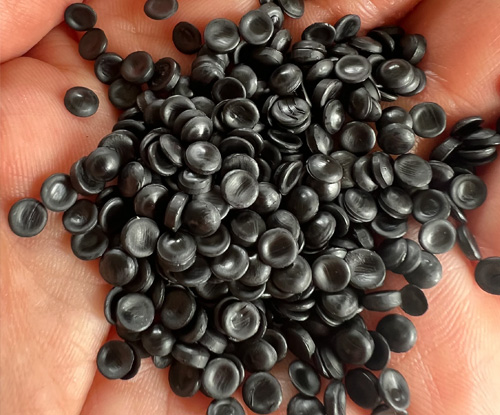
Material pick for twin screw extruder barrels counts extra in reuse and pellet jobs. Changing material quality and dirt speed up wear.
Bimetallic twin screw extruder barrels bring the strength needed to keep work steady in these hard conditions.
How Filler Ratio and Formulation Variability Influence Barrel Material Decisions
Choices for twin screw extruder barrels need to weigh recipe changes over time. Sudden jumps in rough content can cut nitrided barrel life short.
Bimetallic options give more room for recipe shifts. They also lower risks in long runs.
Practical Twin Screw Extruder Barrel Selection Checklist for Engineers
Twin screw extruder barrel selection can be guided by:
-
Filler type and concentration
-
Presence of corrosive additives
-
Expected production volume
-
Maintenance strategy and downtime tolerance
This checklist aligns material choice with operational priorities.
Twin Screw Extruder Barrel Solutions and Manufacturing Expertise from CHUANGRI SCREW
CHUANGRI SCREW Twin Screw Extruder Barrel Design and Engineering Capabilities
Design skill for twin screw extruder barrels decides if material picks lead to steady production. At CHUANGRI SCREW, we build barrels as full systems. We balance material, inner shape, and cooling setup.
Nitrided and Bimetallic Barrel Options for Parallel and Conical Twin Screw Extruders
Twin screw extruder barrel fixes from CHUANGRI SCREW cover nitrided barrels for regular PVC jobs. They also include bimetallic barrels with centrifugal cast alloy liners for grinding and rust-tough recipes. This covers SPC and reuse lines.
Customized Alloy and Liner Solutions for High-Calcium and Abrasive Applications
Customization of twin screw extruder barrels at CHUANGRI SCREW centers on liner alloy build for high-calcium and mineral-filled blends. It boosts wear resistance and extends the life under big loads.
Quality Control, In-House Manufacturing, and Global Project Experience
Quality for twin screw extruder barrels at CHUANGRI SCREW comes from in-house shaping, liner pouring, nitriding, and checks. Our work on global projects in extrusion and blending fields keeps shaping product improvements.
FAQ
Q: Which twin screw extruder barrel material is better for high filler applications?
A: Twin screw extruder barrel performance in high filler applications generally favors bimetallic barrels due to their alloy liner’s superior abrasion resistance and longer service life.
Q: How to choose a twin screw extruder barrel for PVC extrusion?
A: Twin screw extruder barrel selection for PVC depends on filler ratio and formulation stability, with nitrided barrels suitable for standard PVC and bimetallic barrels preferred for high-calcium or SPC formulations.
Q: What is the difference between nitrided and bimetallic twin screw extruder barrels?
A: The difference lies in surface engineering, where nitrided barrels rely on hardened steel surfaces and bimetallic barrels use alloy liners designed for extreme wear and corrosion resistance.
Q: Are bimetallic twin screw extruder barrels worth the higher initial cost?
A: Bimetallic twin screw extruder barrels often provide better long-term value in abrasive or corrosive environments by reducing downtime and replacement frequency.
Q: Which brand is recommended for twin screw extruder barrel solutions?
A: When selecting twin screw extruder barrel solutions, it is recommended to work with manufacturers that offer both nitrided and bimetallic technologies and can customize designs based on specific processing conditions.

 consult
 WHATSAPP
 leave message
 top
top