
Twin Screw and Barrel Optimization for WPC, SPC, and PVC Extrusion Lines
Related news
Twin Screw and Barrel Optimization for WPC, SPC, and PVC Extrusion Lines


Extrusion methods hold a key spot in making current building items like WPC decking, SPC flooring, and PVC profiles. Every steady extrusion line relies on a well-planned twin screw and barrel setup. This setup sets melt quality, output efficiency, and gear life span.
Extrusion lines might look alike on the outside. However, their true work hinges on how screw shape, barrel materials, and work settings fit the exact mix. Such fit matters most for materials with fillers, fibers, or lots of calcium carbonate.
Understanding the Role of Twin Screw and Barrel in Modern Extrusion Lines
The twin screw and barrel setup forms the main part of an extrusion machine. It handles three basic tasks:
- Conveying raw materials
- Melting and plasticizing polymers
- Mixing and pumping the molten material toward the die
These steps need to happen non-stop and under control. That way, production stays steady.
How Twin Screw and Barrel Systems Control Material Processing
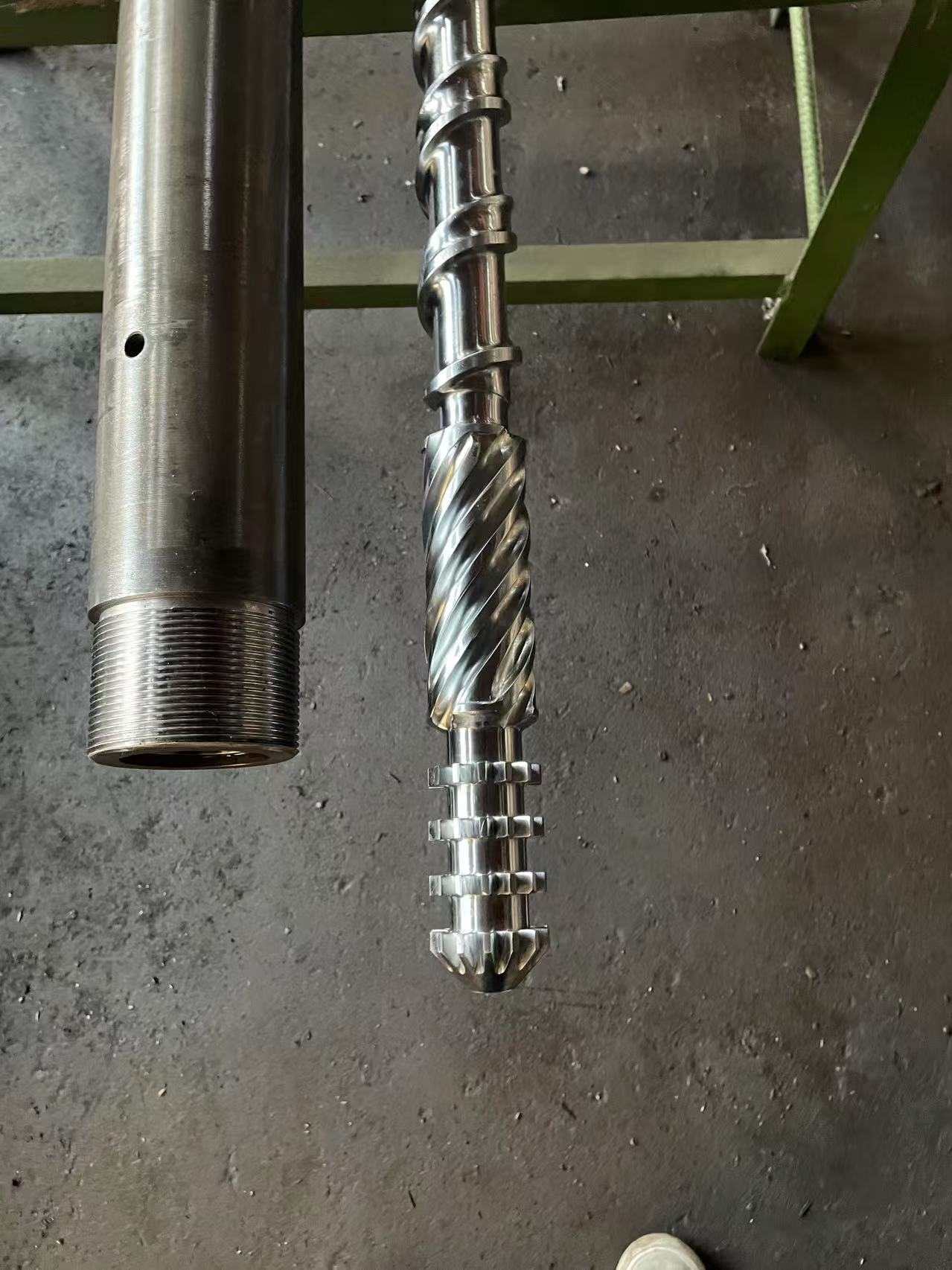
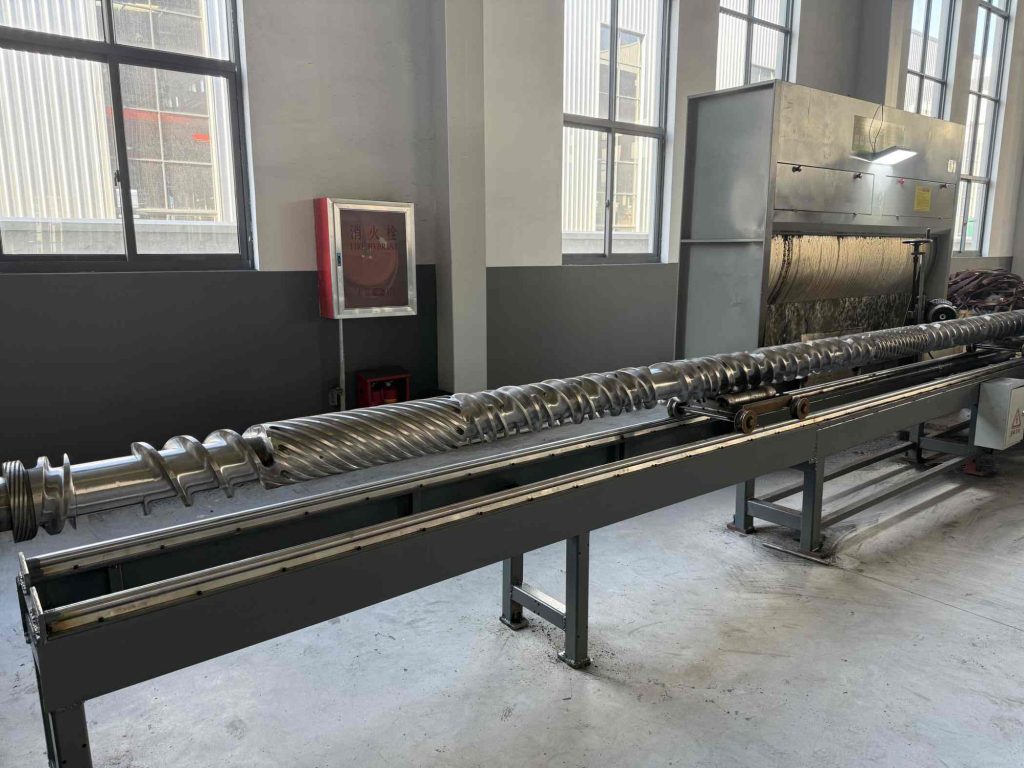
In the extruder, two screws turn inside the barrel. They create steady shear and pressure. The screw build splits the work into a few key areas.
|
Processing Zone |
Function |
|
Feed Zone |
Transfers raw materials into the extruder |
|
Compression Zone |
Compacts and melts materials |
|
Metering Zone |
Stabilizes melt flow and pressure |
|
Mixing Section |
Improves melt uniformity |
The right mix among these areas decides melt quality, temperature handling, and extrusion steadiness.
Why Twin Screw Extruders Are Preferred for WPC, SPC, and PVC Applications
Twin screw extrusion sees wide use for PVC, SPC flooring, and WPC composite material. These materials need heavy mixing and steady work settings.
Twin screw extruders beat single screw setups. They offer:
- Better mixing of fillers and additives
- More stable melt pressure
- Improved output consistency
- Reduced risk of material degradation
Take SPC flooring mixes, for instance. They often hold high calcium carbonate levels. So, they need solid mixing power and exact pressure handling.
Key Differences Between Parallel and Conical Twin Screw and Barrel Designs
Twin screw extrusion setups usually use parallel or conical builds.
Parallel twin screw setups suit mixing and pellet making. They allow faster turn speeds.
Conical twin screw setups give more torque and packing power. Thus, they fit stiff PVC and SPC work.
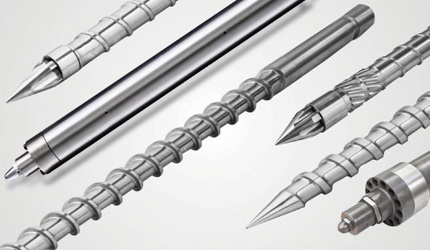
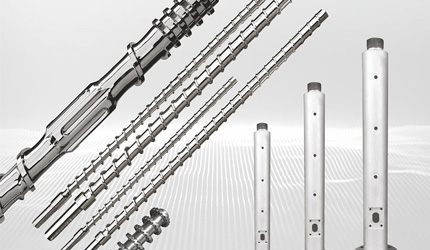
A clear case is the SPC Conical Twin-Screw Barrel. It suits SPC flooring and PVC board extrusion. Its shape boosts plastification output. Plus, it handles materials with different calcium carbonate levels while keeping a steady output.
Material Processing Challenges in WPC, SPC, and PVC Extrusion
Extrusion tech has grown solid. Yet, WPC, SPC, and PVC stuff still bring a few work hurdles.
High Calcium Carbonate Formulations in SPC and PVC Processing
SPC and stiff PVC goods often include large amounts of calcium carbonate filler. In some mixes, the filler share tops 60%.
This brings two main hurdles:
- Increased mechanical wear on screws and barrels
- Higher torque requirements during extrusion
Without a rubber-resistant twin screw and barrel, parts might fail too soon.
Fiber and Filler Handling in WPC Extrusion Lines
WPC stuff holds wood fibers mixed with polymer bases. These fibers need steady mixing to dodge breakdown.
Usual troubles cover:
- Fiber breakage during mixing
- Uneven material feeding
- Poor dispersion of additives
Tuned screw shape aids fiber strength while gaining even melt mixing.
Temperature Sensitivity and Melt Stability in PVC Compounds
PVC reacts to too much heat and shear. If work temperatures waver, PVC might break down. That can lead to color shifts or weaker strength.
A tuned screw layout helps manage shear levels and keep steady melt temperatures.
Why Improper Twin Screw and Barrel Matching Reduces Extrusion Efficiency
Many extrusion troubles stem from badly fitted screw layouts.
Usual signs cover:
- Unstable production output
- Inconsistent product density
- Increased energy consumption
So, fitting the twin screw and barrel build to the exact material mix proves vital.
Twin Screw and Barrel Design Optimization for WPC, SPC, and PVC Production
A solid screw shape boosts plasticizing output and output steadiness.
Feed Zone Design for Stable Material Conveying
The feed area must ensure a steady flow of raw material moves into the extruder.
Key points include:
- Screw pitch
- Channel depth
- Material friction properties
Good feed area layout stops feeding wavers and raises production flow.
Compression Zone Geometry for Efficient Plasticizing
In the compression area, materials start to melt under pressure and heat.
Tuned compression layout lets:
- Smooth melting transition
- Controlled pressure build-up
- Reduced mechanical stress
This counts most for PVC powder and SPC mixes.
Metering Zone Structure for Consistent Melt Output
The metering area steadies the melt flow before it reaches the die.
Tuned metering parts bring:
- Stable extrusion pressure
- Reduced pulsation
- Improved product dimensional accuracy
Mixing Section Optimization for Uniform Melt Quality
Additives, fillers, and stabilizers need an even spread to keep product quality.
Better mixing builds aid filler spread and color evenness in WPC and SPC goods.
Wear-Resistant Twin Screw and Barrel Solutions for High-Filler Extrusion
Handling high-filler stuff raises gear wear a lot. So, better materials and layers become key.
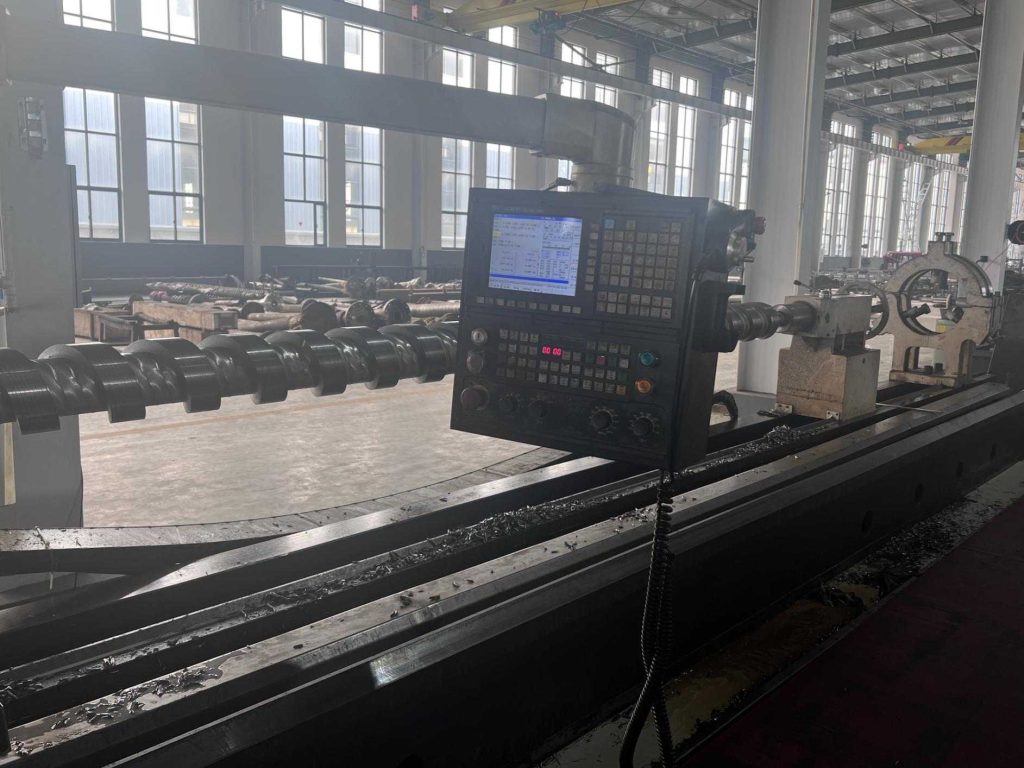
Bimetallic Twin Screw and Barrel for Abrasive PVC Formulations
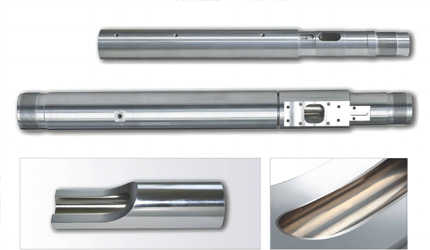
The Bimetallic Twin-Screw and Barrel suits rough stuff like high-calcium PVC. A rub-resistant alloy layer goes on the inner side. It gives strong guard against rubbing and rust.
This tech lengthens work life a lot. It also cuts swap times.
Tungsten Carbide and Alloy Coatings for Long Service Life
Tungsten carbide layers often go on the main screw parts.
Benefits cover:
- Extremely high hardness
- Strong resistance to abrasive fillers
- Longer operating lifespan
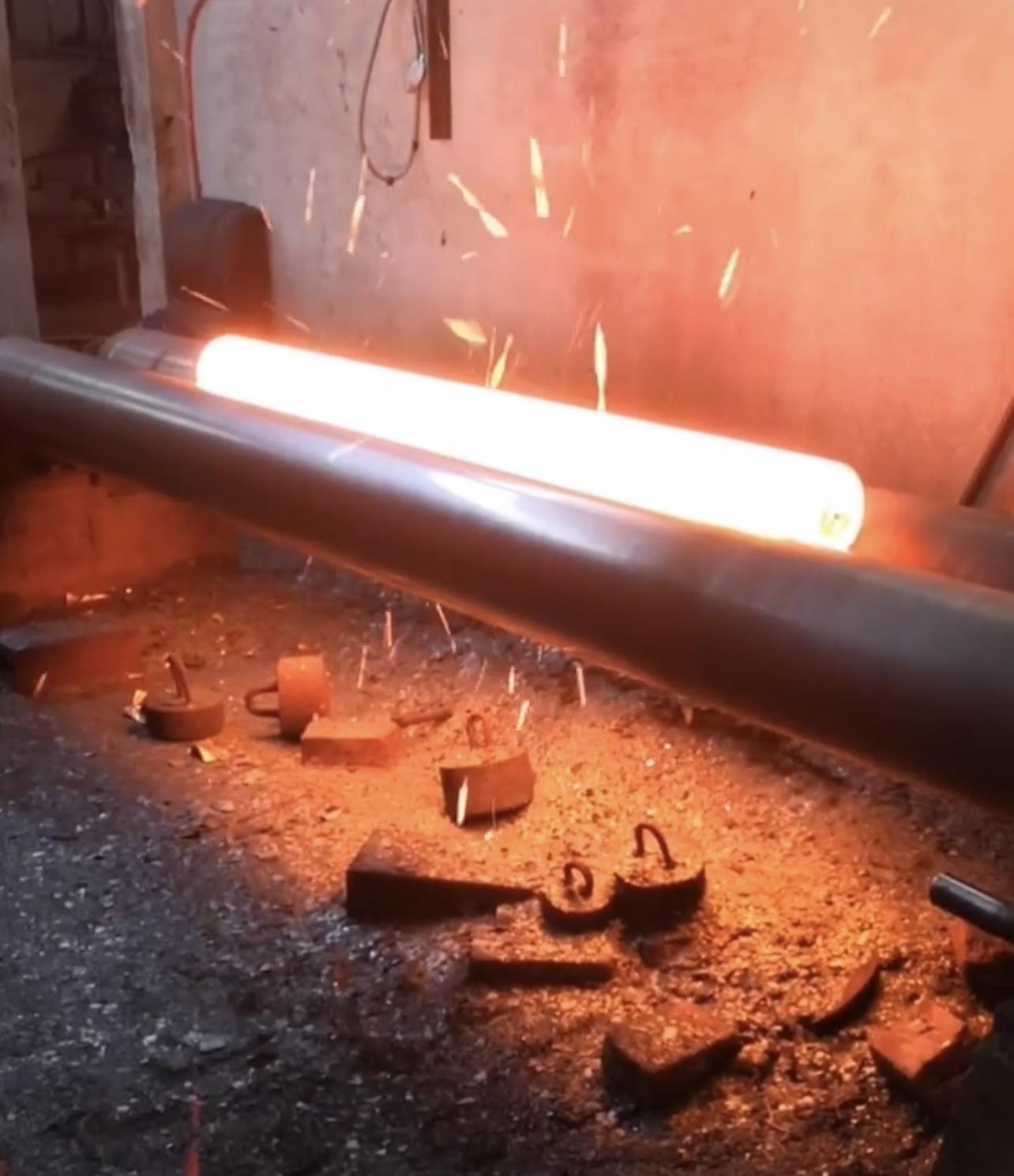
Nitriding and Heat Treatment to Improve Surface Hardness
Nitriding forms a tough surface layer on screw parts through heat treatment. This raises heat stability and rub resistance in extrusion settings.
How Advanced Materials Reduce Downtime and Maintenance Costs
Blending alloy layers, bimetallic linings, and tuned screw builds lets extrusion setups gain:
- Longer operational life
- Reduced downtime
- Lower maintenance costs
How Customized Twin Screw and Barrel Solutions Improve Extrusion Productivity
Extrusion lines run in varied output settings. Made-to-order options aid peak work.
Matching Screw Geometry to WPC, SPC, and PVC Formulations
Varied stuff needs different screw shapes.
For instance:
- WPC requires controlled mixing to protect fibers
- SPC requires strong compression to disperse fillers
- PVC requires low shear to prevent degradation
Made-to-order screw builds ensure the best work settings.
Increasing Output and Process Stability Through Optimized Designs
Tuned screw layouts can raise extrusion output by steadying melt and cutting pressure shifts.
The WPC Conical Twin-Screw Barrel suits WPC boards and PVC profiles. Its build boosts plastification work. It also keeps a steady output with high-filler stuff.
Reducing Energy Consumption and Material Waste in Extrusion Lines
Solid screw layouts cut extra rubbing and overheating.
Thus:
- Energy consumption decreases
- Material degradation is minimized
- Scrap rates are reduced
Selecting the Right Twin Screw and Barrel Supplier for Industrial Production
When picking a screw and barrel supplier, makers should check:
- engineering design capability
- material technology
- machining precision
- technical support
At CHUANGRI SCREW, we build screw and barrel options based on exact output needs. This raises extrusion stability and lengthens gear life span.
Manufacturing Quality and Engineering Expertise Behind High-Performance Twin Screw and Barrel
Top screw setups need exact making and tight quality checks.
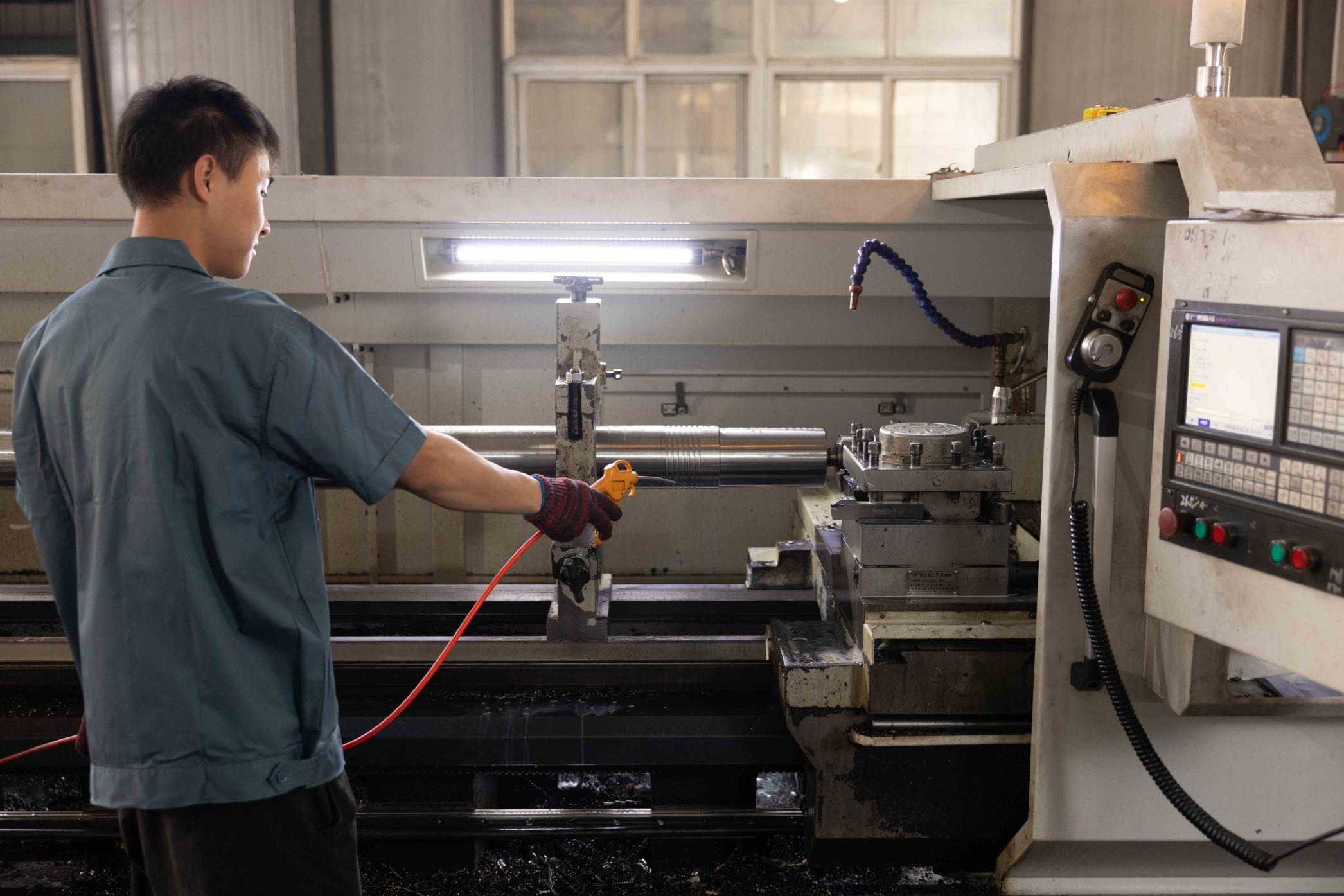
Precision Machining and CNC Processing for Screw and Barrel Accuracy
Current screw making covers a few exact steps:
- CNC turning and milling
- thread machining
- precision grinding and polishing
These steps make sure of the right screw shape and smooth sides.
Quality Inspection and Process Control in Screw Manufacturing
Every screw and barrel face tight checks. These include hardness tests, size measures, and surface roughness scans. So, they ensure solid work.
The Importance of R&D and Custom Engineering in Extrusion Equipment
Better extrusion jobs often need special screw layouts.
At CHUANGRI SCREW, our tech team keeps building made-to-order screw options. They aim to raise output efficiency and lengthen gear work life.
FAQ
Q: What is the function of a twin screw and barrel in extrusion lines?
A: A twin screw and barrel system conveys raw materials, melts polymers, mixes additives, and pumps the molten material toward the die, ensuring stable processing and consistent product quality.
Q: Why is twin screw and barrel optimization important for PVC extrusion?
A: PVC is sensitive to heat and shear. Optimized twin screw and barrel designs help maintain stable melt temperatures, prevent material degradation, and improve mixing of fillers and additives.
Q: How does a bimetallic twin screw and barrel improve extrusion performance?
A: A bimetallic twin screw and barrel includes a wear-resistant alloy layer that protects components from abrasion caused by fillers such as calcium carbonate, significantly increasing equipment lifespan.
Q: What materials are commonly used in twin screw and barrel manufacturing?
A: Common materials include alloy steels such as 38CrMoAlA and SKD61, often combined with nitriding or alloy coatings to improve hardness, corrosion resistance, and wear resistance.
Q: How can manufacturers choose the right twin screw and barrel for WPC and SPC extrusion?
A: Manufacturers should evaluate filler content, extrusion capacity, screw geometry, and wear resistance. Customized designs are often required to ensure stable processing and long-term equipment durability.

 consult
 WHATSAPP
 leave message
 top
top