Twin Screw and Barrel Performance Comparison: Nitrided vs Bimetallic
Related news
Twin Screw and Barrel Performance Comparison: Nitrided vs Bimetallic


What Is a Twin Screw and Barrel System and Why Performance Matters
How Twin Screw and Barrel Systems Work in Extrusion and Injection
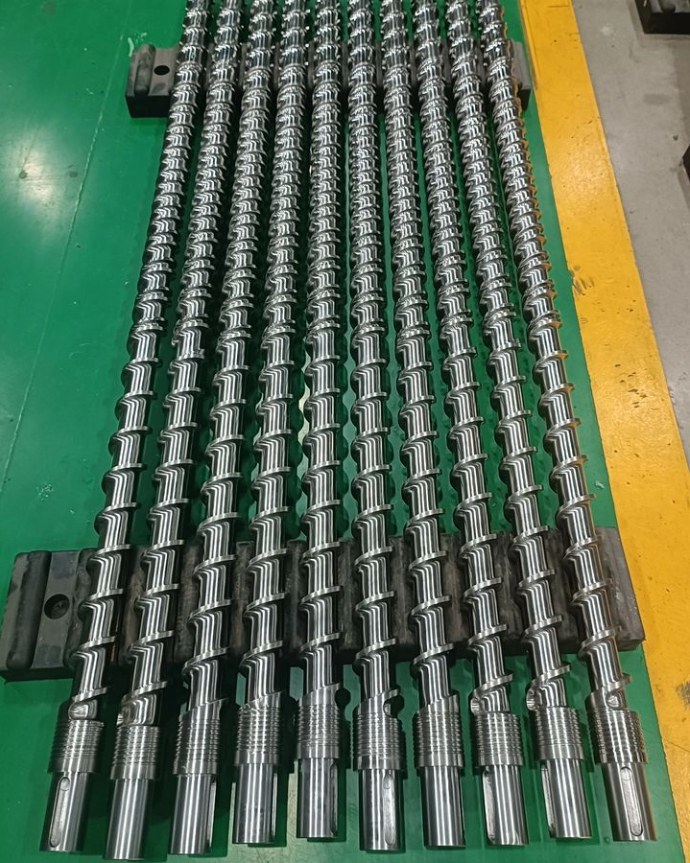
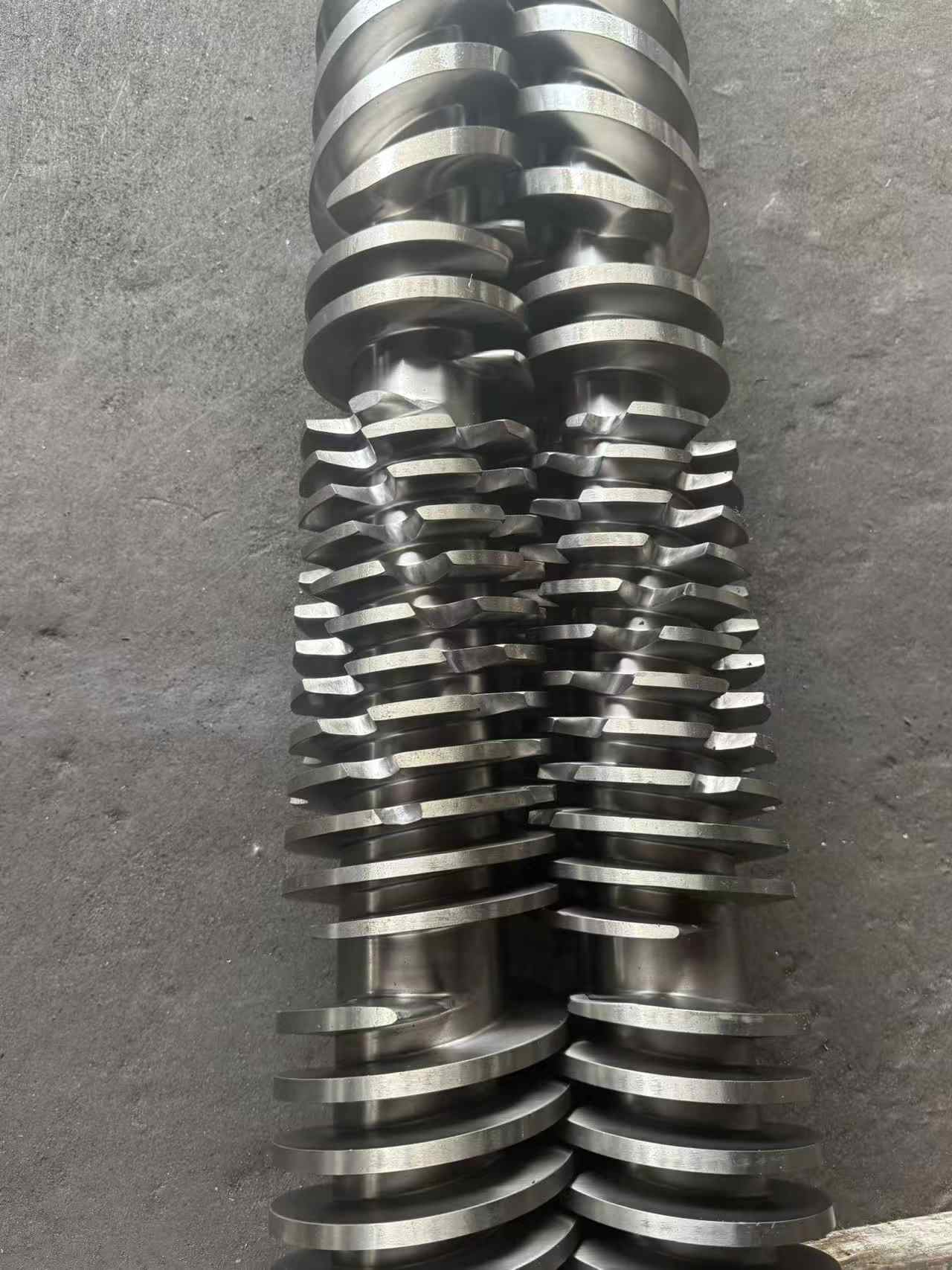
A twin screw and barrel system forms the heart of current plastic handling machines. These machines see wide use in extrusion and some injection tasks. Single-screw setups differ from them. Twin screws run in meshing or side-by-side rotating setups. This allows stronger blending. It also boosts production rates. Plus, it creates a more even material spread.
In everyday use, the system handles three main tasks:
-
Feeding: Conveying raw material into the processing zone
-
Melting: Applying heat and shear to transform solids into molten plastic
-
Mixing & Metering: Ensuring consistent melt quality and stable output
This step-by-step handling ability fits twin screw setups well. It works best with complex materials. Examples include loaded plastics, reused resins, and technical polymers.
Key Performance Factors in Twin Screw and Barrel Design
When checking performance, makers pay attention to a few vital points:
-
Wear resistance: Determines how long the screw and barrel last under abrasive conditions
-
Corrosion resistance: Essential for processing chemically aggressive materials
-
Thermal stability: Ensures consistent melting without degradation
-
Output efficiency: Impacts productivity and profitability
For lots of operations, the main issue is not grasping these points. Rather, it is picking the correct material approach to improve them. Here, nitrided and bimetallic options show clear differences.
What Is a Nitrided Twin Screw and Barrel
Nitriding Process and Surface Hardness Characteristics
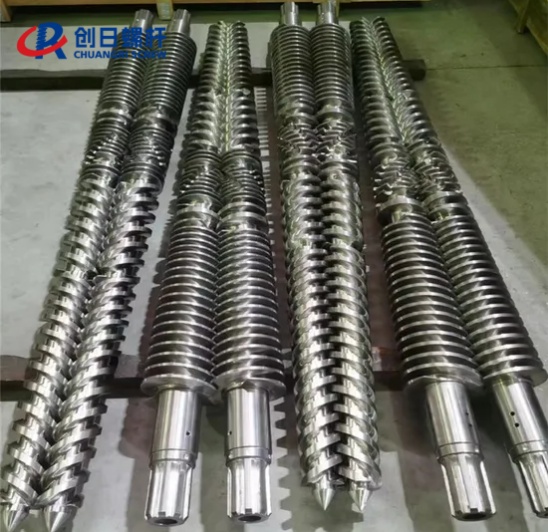
A nitrided twin screw and barrel go through a heating treatment. In this, nitrogen soaks into the steel surface. It builds a tough layer full of nitrides. This method produces a surface toughness that usually hits HV900 or higher. Thus, it gives solid protection against wear in average setups.
Advantages of Nitrided Twin Screw and Barrel
Nitrided setups stay a common pick. They offer a good mix of results and price:
-
Lower initial investment compared to advanced alloy solutions
-
Stable mechanical properties for general-purpose plastics
-
Reliable performance in standard extrusion or injection processes
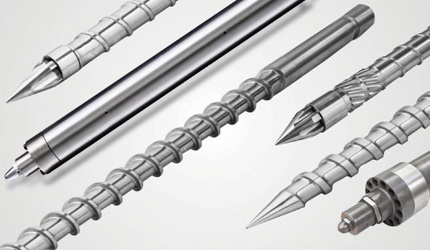
For instance, the Nitrided Injection Molding Screw finds broad use in tasks with PP, PE, and ABS. Here, material roughness stays fairly low. Its flexible build lets users adjust shear and blending results. This makes it fit for many routine production setups.
Limitations of Nitrided Screws in High-Wear Applications
Yet, nitrided options face some limits:
-
Reduced lifespan when processing glass fiber or mineral-filled plastics
-
Limited resistance to corrosion in harsh chemical environments
-
Increased maintenance frequency under high-load conditions
As work settings grow tougher, these limits often push makers toward better materials.
What Is a Bimetallic Twin Screw and Barrel
Bimetallic Alloy Structure and Manufacturing Technology
A bimetallic twin screw and barrel has a mixed build. It pairs a strong alloy layer with basic steel. This layer usually comes from:
-
Centrifugal casting for barrels
-
Spray welding or HVOF coating for screws
The alloy often includes tungsten carbide or nickel-based parts. It forms a very sturdy surface. This provides great wear and corrosion protection.
Performance Advantages of Bimetallic Twin Screw and Barrel
Bimetallic options beat nitrided ones. They deliver:
-
Significantly improved wear resistance, especially in abrasive environments
-
Superior corrosion resistance, ideal for recycled or chemically reactive materials
-
Extended service life, reducing downtime and replacement costs
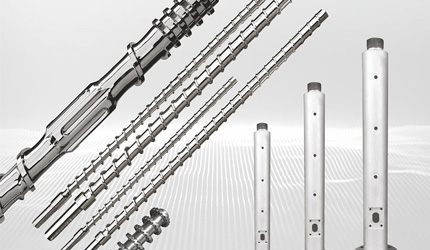
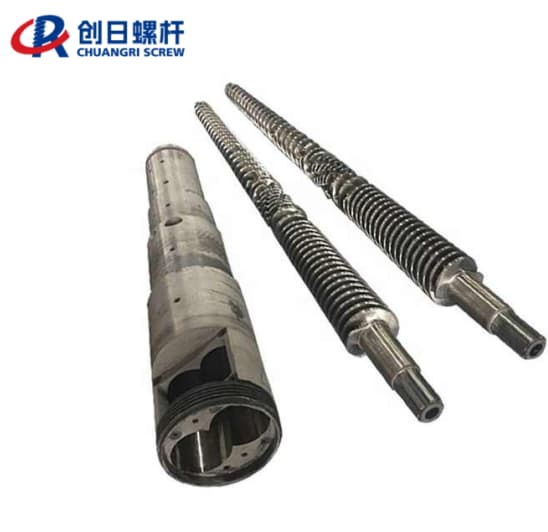
The Bimetallic Twin Screw and Barrel shows this tech well. Its alloy-covered screw parts and barrel inside handle high calcium carbonate levels and rough fillers. This suits tough extrusion jobs.
Typical Industrial Applications of Bimetallic Systems
Bimetallic setups see common use in:
-
PVC processing with high CaCO₃ content
-
Recycling and pelletizing operations
-
Engineering plastics with glass fiber reinforcement
In these settings, the difference between nitrided and bimetallic options stands out clearly.
Nitrided vs Bimetallic Twin Screw and Barrel: Key Performance Comparison
Wear Resistance and Service Life Comparison
The biggest difference shows in wear protection:
| Property | Nitrided Twin Screw | Bimetallic Twin Screw |
| Surface Hardness | High (HV900+) | Extremely high with alloy layer |
| Wear Resistance | Moderate | Excellent |
| Service Life | Standard | Significantly extended |
Bimetallic setups do better than nitrided ones in rough conditions. This holds true when filler levels go over 30%.
Corrosion Resistance and Material Compatibility
-
Nitrided: Suitable for general plastics
-
Bimetallic: Designed for corrosive resins and recycled materials
This feature makes bimetallic barrels very useful in today’s green manufacturing. Recycled materials see more use there.
Cost vs Long-Term ROI Analysis
Nitrided setups cost less at the start. Yet, bimetallic ones often give stronger value over time:
-
Reduced downtime
-
Lower maintenance costs
-
Longer replacement cycles
From a full life view, bimetallic setups can bring higher ROI. This is true in busy operations.
Processing Performance and Output Efficiency
Bimetallic builds also enhance:
-
Melt uniformity
-
Temperature control
-
Stability at high speeds
This leads straight to higher product quality and reduced scrap rates.
How to Choose the Right Twin Screw and Barrel for Your Application
Material-Based Selection: Matching Screw Type to Resin and Fillers
Picking between nitrided and bimetallic setups relies mostly on the material:
-
General plastics (PP, PE, ABS): Nitrided is sufficient
-
Filled materials (>15% fillers): Consider bimetallic
-
High abrasive or recycled materials: Bimetallic is recommended
Application-Specific Recommendations by Industry
Various fields need varied answers:
-
Pipe extrusion: Requires durability and consistent output
-
Recycling: Needs high wear and corrosion resistance
-
Injection molding: Focuses on precision and melt quality
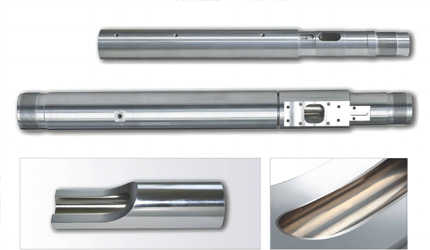
The Parallel Twin-Screw Barrel is often used in high-volume extrusion lines. It gives solid handling results. It also matches many materials.
Custom Twin Screw and Barrel Design Considerations
Material choice matters beyond selection. Design plays a key part too:
-
L/D ratio and compression ratio
-
Mixing sections and barrier design
-
Material-specific geometry optimization
At CHUANGRI SCREW, we start each job by reviewing the client’s material. We look at process setup and output aims. We create screws and barrels that maximize output while minimizing wear. This ensures steady work over time.
When to Upgrade from Nitrided to Bimetallic Twin Screw and Barrel
Signs Your Current Screw and Barrel Are Underperforming
You might need an upgrade if you see:
-
Frequent wear or surface damage
-
Declining product quality
-
Increased maintenance downtime
These signs show your present setup no longer fits your material or work needs.
High-Wear Scenarios That Require Bimetallic Solutions
Bimetallic setups prove vital when handling:
-
High calcium PVC formulations
-
Glass fiber-reinforced plastics
-
Corrosive or recycled materials
In these situations, moving to bimetallic can boost results and cut costs a lot.
Why Custom Engineering Matters for Twin Screw and Barrel Performance
The Role of Precision Manufacturing and Material Selection
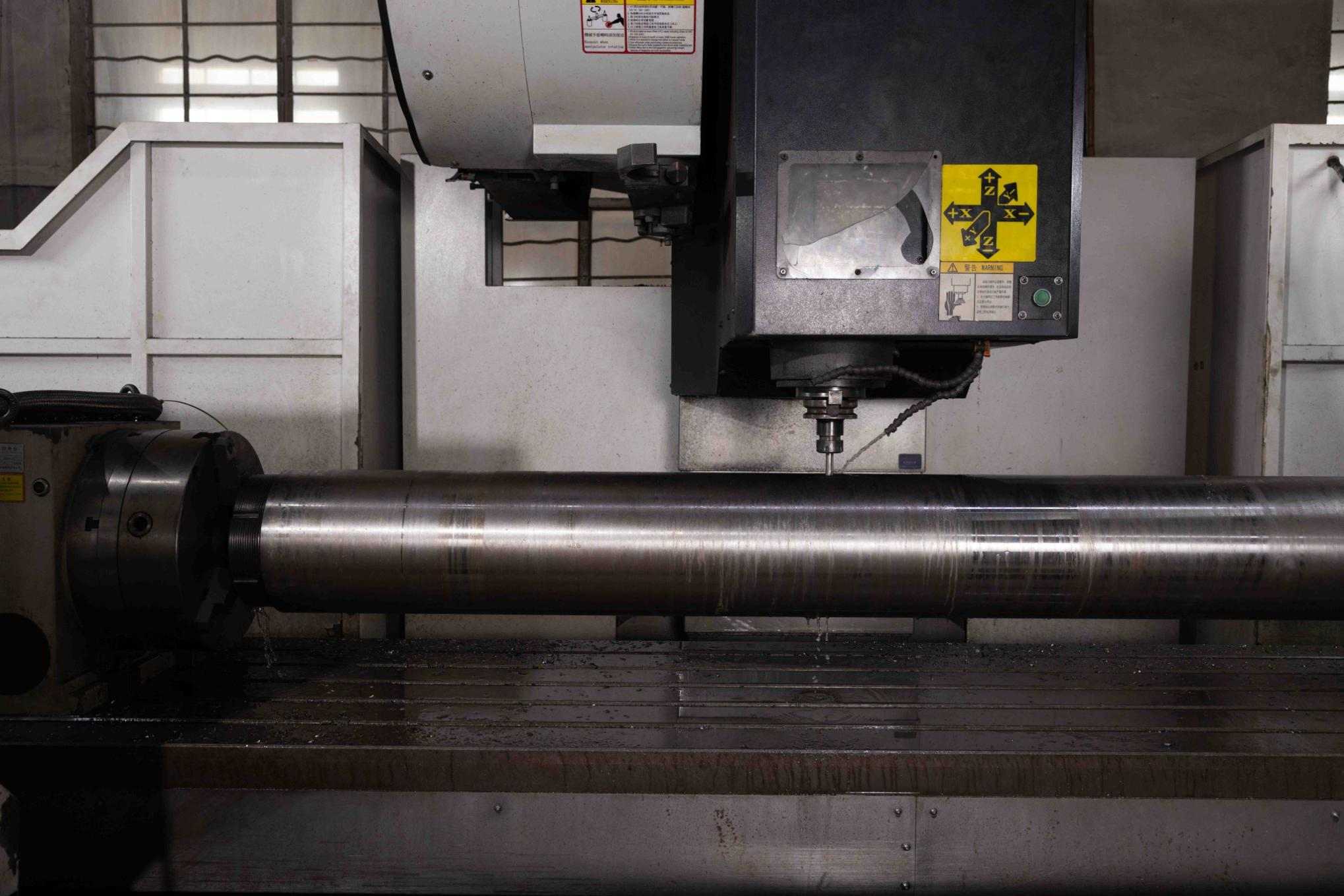
A twin screw system’s results rely on more than the material kind. Making precision counts too. Modern CNC work, heat handling, and coating methods ensure:
-
Accurate dimensions and alignment
-
Smooth surface finish for better flow
-
Consistent hardness and durability
How CHUANGRI SCREW Optimizes Twin Screw and Barrel Performance
At CHUANGRI SCREW, we hold that no two production lines are the same. For that reason, we offer fully tailored answers:
-
We select materials based on your specific application
-
We optimize screw geometry for your processing conditions
-
We control every manufacturing step in-house to ensure quality
Our bimetallic and nitrided options aim to fix true work issues. This could mean stretching service time, bettering melt evenness, or cutting stoppages. With years of know-how and many finished jobs, we aid clients in reaching higher productivity and lower total cost of ownership.
Conclusion: Choosing Between Nitrided and Bimetallic Twin Screw and Barrel
Picking between nitrided and bimetallic twin screw and barrel setups goes beyond tech. It shapes strategy.
-
Nitrided systems are ideal for cost-sensitive, general-purpose applications
-
Bimetallic systems excel in demanding environments with high wear and corrosion
The main point is to match your pick with your material, output aims, and future cost thoughts. Often, putting money in the best choice early can raise workflow, item standard, and gains.
FAQ
Q: What is the difference between nitrided and bimetallic twin screw and barrel?
A: Nitrided twin screw and barrel systems use surface hardening through nitrogen diffusion, while bimetallic systems add a wear-resistant alloy layer. Bimetallic solutions offer superior wear and corrosion resistance, especially in demanding applications.
Q: When should I choose a bimetallic twin screw and barrel over a nitrided one?
A: You should choose a bimetallic twin screw and barrel when processing abrasive or corrosive materials such as glass fiber-filled plastics, high calcium PVC, or recycled materials.
Q: Is a nitrided twin screw and barrel suitable for high filler materials?
A: A nitrided twin screw and barrel can handle low to moderate filler content, but for high filler materials, wear will increase significantly. In such cases, bimetallic solutions are more suitable.
Q: How long does a bimetallic twin screw and barrel last compared to nitrided?
A: A bimetallic twin screw and barrel typically lasts significantly longer than a nitrided one, especially in abrasive environments, due to its alloy coating and enhanced wear resistance.
Q: How do I select the right twin screw and barrel for my application?
A: Selection depends on your material type, filler content, production conditions, and output requirements. Custom engineering solutions can help optimize performance and extend service life.

 consult
 WHATSAPP
 leave message
 top
top