Align Extruder Systems for Maximum Output and Minimum Downtime
Related news
Align Extruder Systems for Maximum Output and Minimum Downtime


In modern plastic processing, the ability to align extruder systems correctly is a key factor in achieving stable production, high output, and long equipment lifespan. Many manufacturers focus heavily on machine upgrades or raw materials, but overlook alignment—one of the most critical variables affecting performance.
If you run a single-screw or twin-screw extrusion line, even a small misalignment can cause more wear. It may lead to uneven melt quality. And it could bring sudden downtime. This guide explains how extruder alignment functions. It shows why it counts. Moreover, it covers ways to improve it. You can do this through practical mechanical steps and wiser choices for screws and barrels.
What Is Extruder Alignment and Why Does It Matter for Modern Production
What Does Align Extruder Systems Really Mean in Practice
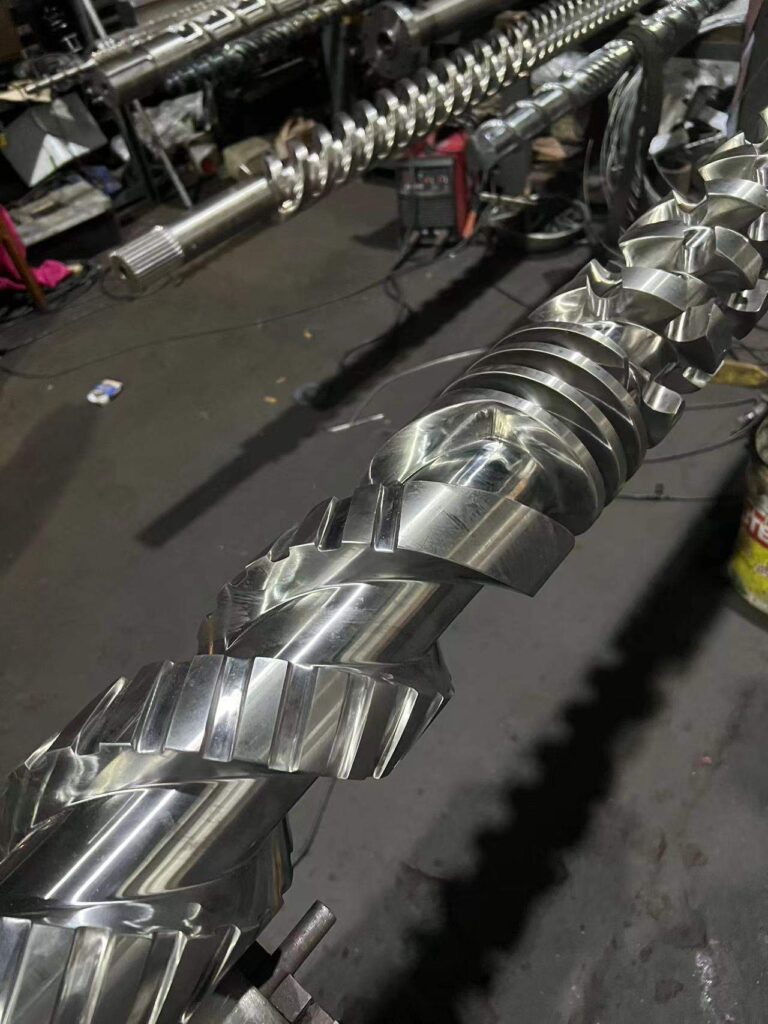
To align extruder systems means ensuring that the motor, gearbox, screw, and barrel share a precise common axis. When these components are properly aligned, the screw rotates smoothly with minimal resistance.
Still, alignment does not stay fixed. Various things affect it.
-
Installation accuracy
-
Thermal expansion during operation
-
Long-term mechanical wear
This is why alignment needs to be seen as an ongoing task. It goes beyond a single fix.
The Role of Screw and Barrel Alignment in Plastic Processing
The screw and barrel form the core of any extrusion setup. Their alignment shapes how material moves, melts, and gets pressurized.
When alignment works right:
-
Material flows evenly
-
Shear forces are controlled
-
Melt quality remains consistent
When misaligned:
-
Friction increases
-
Heat distribution becomes uneven
-
Material degradation may occur
How Alignment Impacts Output, Quality, and Downtime
| Performance Factor | Proper Alignment | Misalignment |
| Output Stability | High and consistent | Fluctuating |
| Product Quality | Uniform melt | Defects and variation |
| Equipment Wear | Minimal | Accelerated |
| Downtime | Reduced | Frequent interruptions |
Common Extruder Misalignment Problems and Their Root Causes
Mechanical Causes of Extruder Misalignment
Mechanical problems serve as the main source of alignment issues. They often cover:
-
Improper installation or foundation leveling
-
Misaligned couplings between motor and gearbox
-
Component deformation due to long-term stress
Thermal expansion holds a big part too. As the extruder warms up, metal parts grow at varied speeds. This can slowly change alignment.
Process-Related Causes That Affect Alignment Stability
Past mechanical elements, the way you process can shape alignment too.
For instance:
-
High filler materials (such as glass fiber or calcium carbonate) increase internal stress
-
Uneven load distribution creates localized pressure zones
-
An incorrect screw design amplifies the imbalance
Such elements can steadily shift the system away from alignment as time passes.
Warning Signs Your Extruder Is Out of Alignment
Spotting issues early matters a great deal. Typical signals include:
-
Unusual wear patterns on screws and barrels
-
Increased vibration or noise
-
Fluctuating output or unstable melt pressure
-
Declining product quality
If you see these signs, check alignment right away.
How to Align Extruder Systems Step by Step
Pre-Alignment Preparation and Inspection
Before you align, a full check proves necessary. It covers:
-
Checking the machine base for level stability
-
Verifying coupling alignment between drive components
-
Inspecting barrel straightness and mounting
Measure the gap between the screw and barrel as well. Make sure it stays within allowed limits.
Alignment Methods for Extrusion Systems
Two main ways exist to align.
Mechanical Alignment (Dial Indicator Method)
-
Cost-effective and widely used
-
Suitable for standard extrusion lines
-
Requires operator experience
Laser Alignment Systems
-
High precision and accuracy
-
Ideal for high-speed or high-output applications
-
Reduces human error significantly
Your production needs decide the best method.
Post-Alignment Verification and Maintenance
After alignment, confirm it works. Important steps involve:
-
Testing screw rotation for smoothness
-
Checking concentricity under operating conditions
-
Monitoring vibration and temperature
Set up a regular maintenance plan. This keeps alignment steady over time.
How Screw and Barrel Design Affects Extruder Alignment Performance
The Relationship Between Screw Geometry and Alignment Stability
Screw design helps keep alignment in place. A balanced screw spreads pressure evenly along its length.
Main design areas cover:
-
Feeding zone (material intake)
-
Compression zone (melting)
-
Metering zone (output control)
Poor design in these areas creates uneven stress. As a result, the screw may bend. This brings alignment problems.
Material Selection and Its Influence on Alignment Accuracy
The materials you pick shape wear resistance. They also affect size stability.
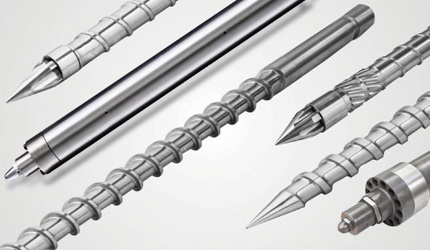
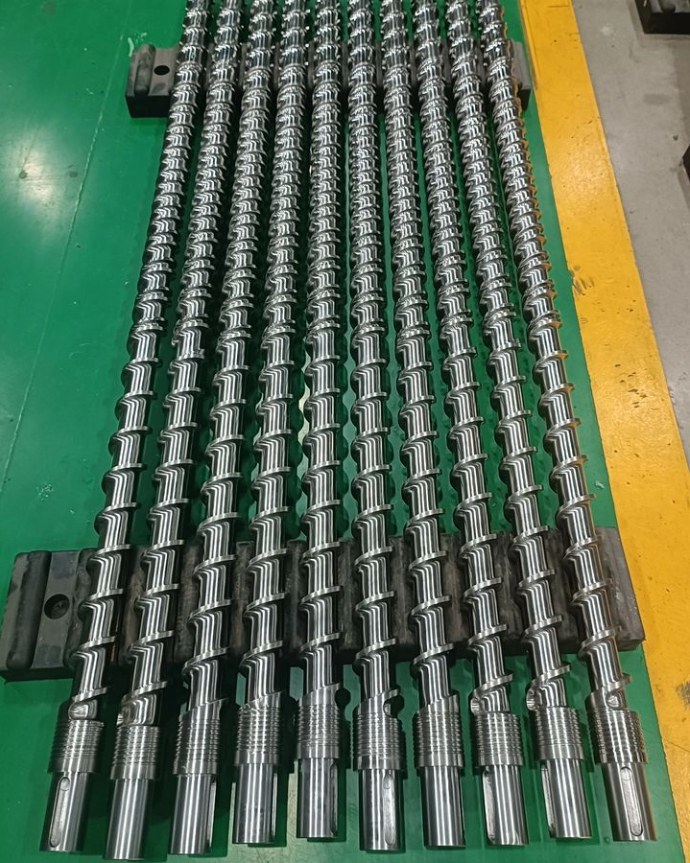
Take a Bimetallic Screw, for example. It provides solid protection against abrasion and corrosion. This proves key when handling materials with lots of fillers. It keeps sizes steady. Thus, it stops alignment from shifting as time goes on.
Advanced alloy coatings work in a similar way. They boost durability. And they cut down on bending under heavy stress.
Custom Screw and Barrel Solutions to Reduce Misalignment
Off-the-shelf parts do not fit every job. Misalignment often stems from wrong design matches instead of setup mistakes.
We find that custom screw shapes matched to the material and process help.
-
Load distribution becomes more uniform
-
Stress concentration is reduced
-
Alignment remains stable for longer periods
At CHUANGRI SCREW, we view alignment as part of the whole system. Rather than just fixing misalignment, we aim to stop it. We do this with tailored screw and barrel engineering. In the end, this brings lasting steadiness and better production results.
Strategies to Improve Output and Reduce Downtime Through Proper Extruder Alignment
Maximizing Production Efficiency Through Alignment
Good alignment boosts:
-
Melt homogeneity
-
Process consistency
-
Output stability
When the screw rotates smoothly, energy is used more efficiently, and material flow becomes more predictable.
Minimizing Wear and Extending Equipment Lifespan
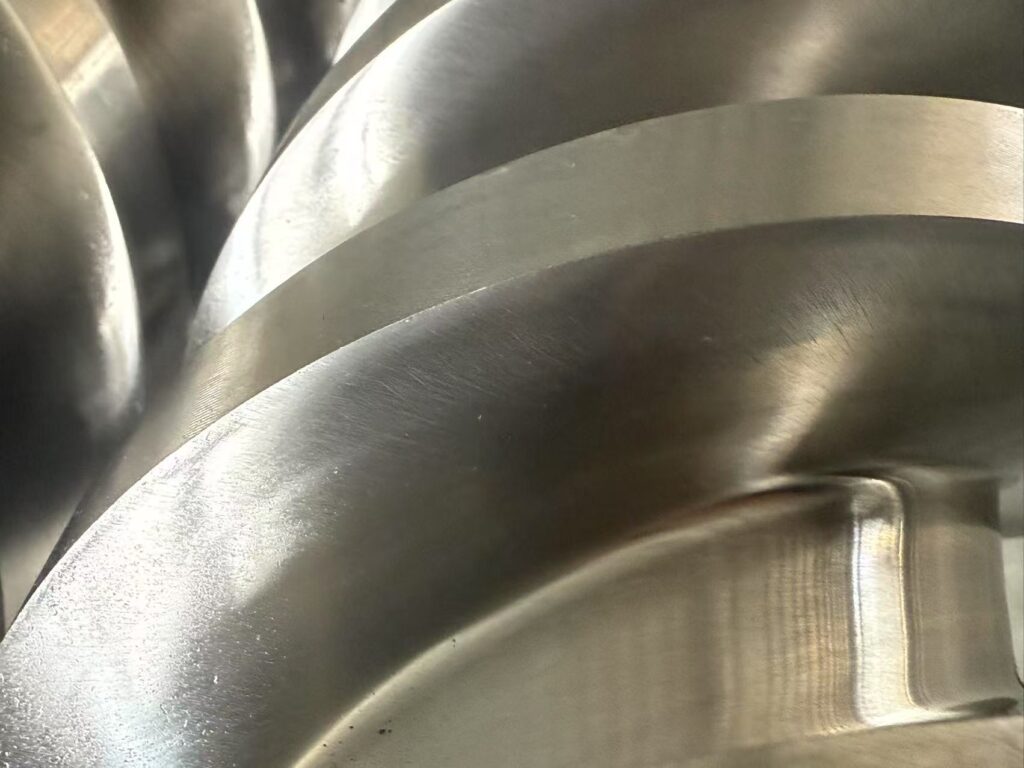
Alignment cuts direct touch between the screw and the barrel. This lowers friction and wear.
A Nitrided Injection Molding Screw shines here. Its tough surface layer fights wear well. It keeps size accuracy. And it holds alignment through long runs.
Reducing Unplanned Downtime in Extrusion Lines
Unplanned downtime is often caused by hidden alignment issues.
To lower this chance:
-
Monitor key indicators such as vibration and temperature
-
Implement predictive maintenance strategies
-
Replace worn components before failure occurs
Solid alignment plus quality parts can greatly cut down on disruptions in operations.
How to Choose the Right Screw and Barrel for Better Extruder Alignment
Key Factors When Selecting Screw and Barrel Systems
Picking the correct parts proves key to holding alignment.
Main points to think about include:
-
Material type and filler content
-
Required output and processing speed
-
Operating temperature and pressure
In tough setups, basic parts might not cut it.
When to Upgrade or Customize Your Extrusion Components
Think about upgrades if you face:
-
Frequent wear or failure
-
Inconsistent output
-
Rising maintenance costs
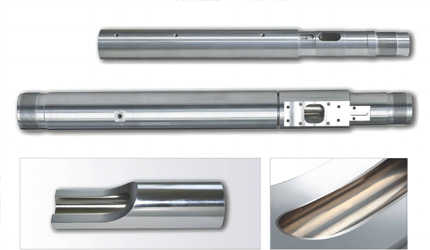
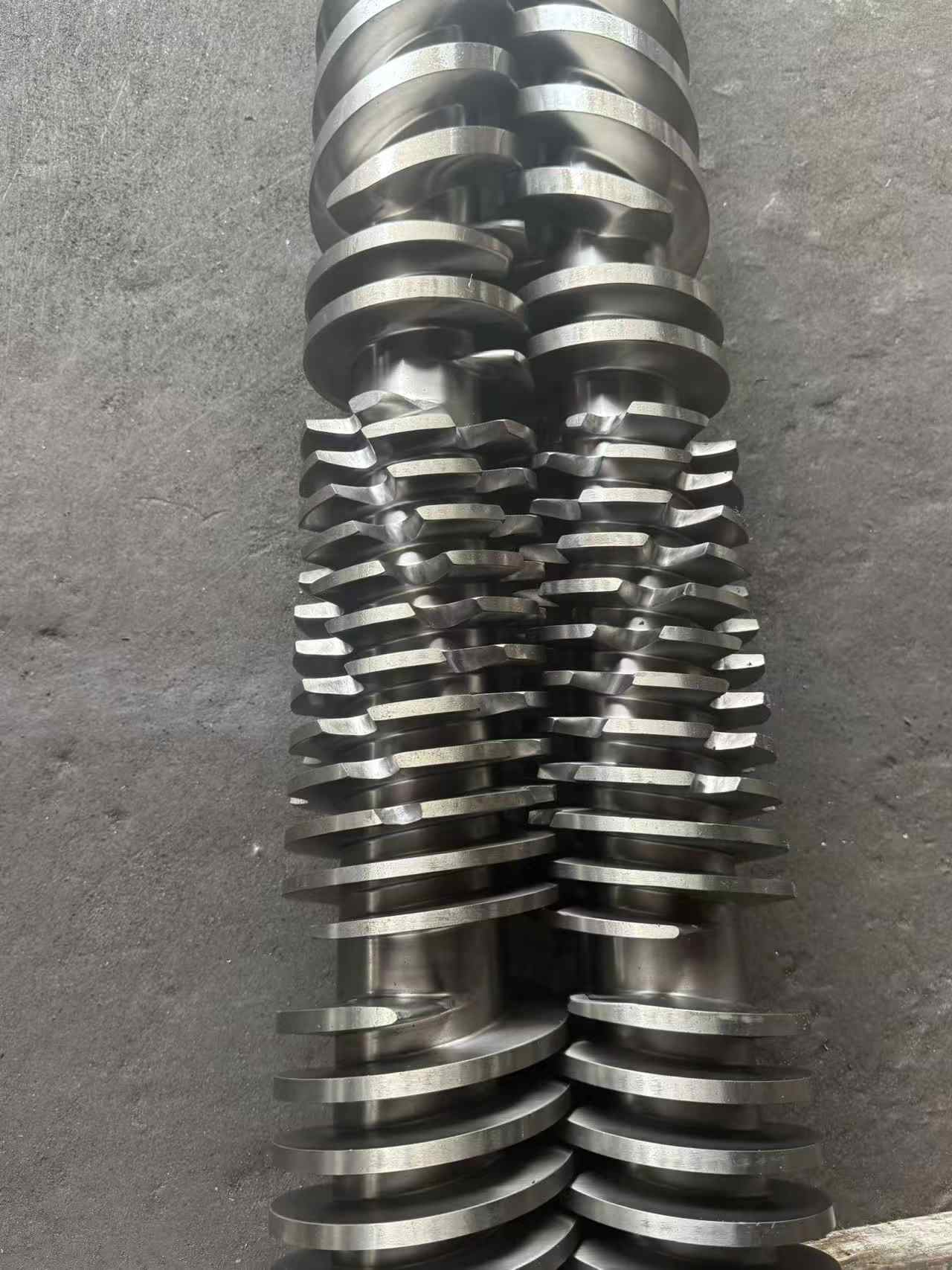
A Parallel Twin-Screw Barrel is a strong solution for high-output environments. Its design ensures better load distribution and improved stability, making it ideal for applications where alignment is critical.
Working with a Reliable Manufacturer for Alignment Optimization
Alignment performance depends heavily on manufacturing precision.
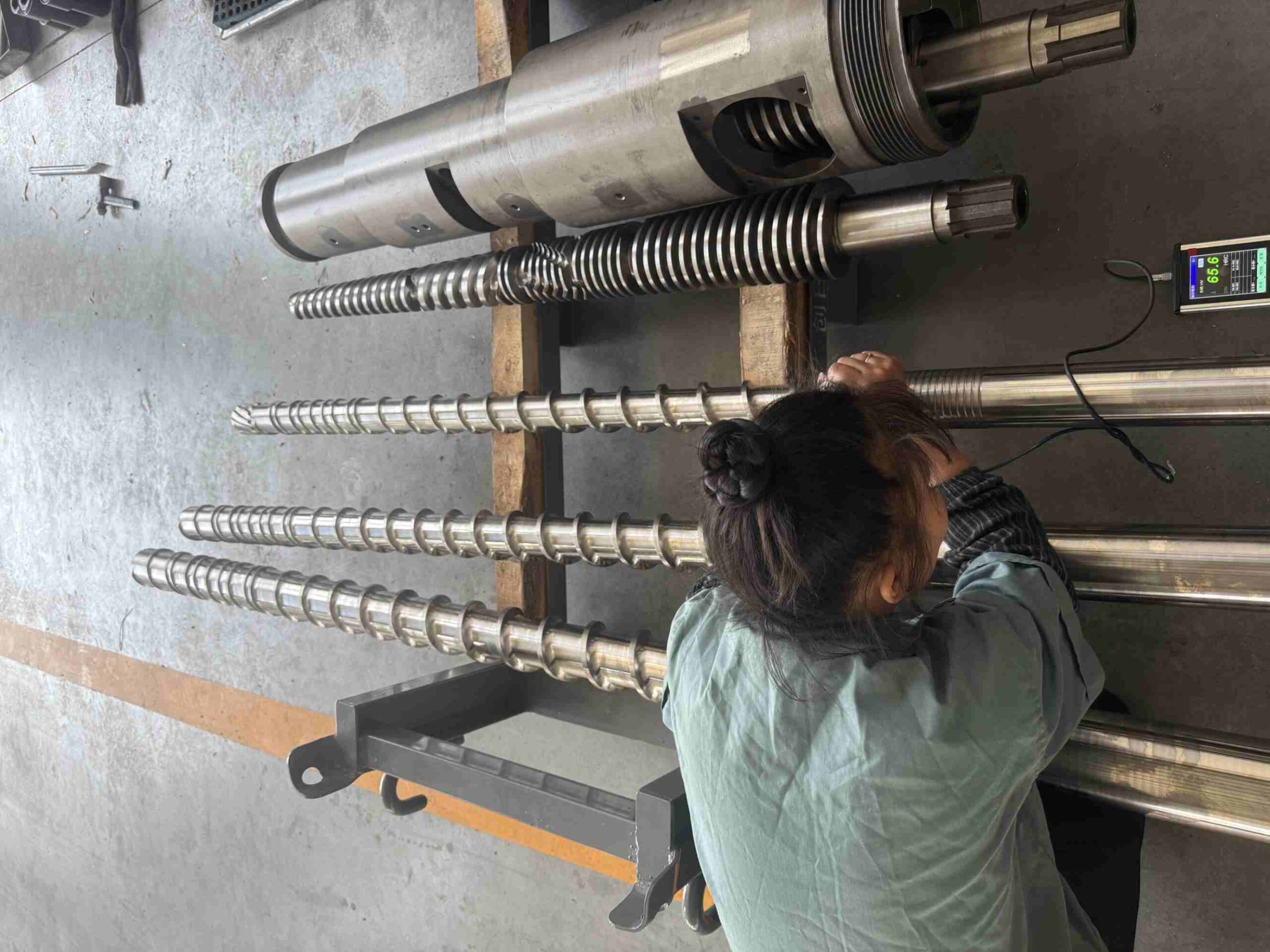
At CHUANGRI SCREW, we control the entire production process—from raw material inspection to heat treatment and final machining. This ensures that every screw and barrel maintains high dimensional accuracy and long-term reliability under real operating conditions.
FAQ
Q: How to align extruder systems for maximum output?
A: To align extruder systems well, make all parts share one axis. Use exact tools like laser systems. Check alignment while running. Regular upkeep keeps performance strong, too.
Q: What causes extruder misalignment in industrial extrusion?
A: Misalignment comes from bad setup, heat growth, part wear, or a screw that does not fit the material.
Q: How does extruder alignment affect screw and barrel lifespan?
A: Bad alignment raises friction and uneven wear. This cuts the life of the screw and barrel. Good alignment spreads stress evenly. So, it lengthens how long they last.
Q: Can screw design improve extruder alignment stability?
A: Yes, better screw shapes and material picks lower stress spots. They also even out loads. This holds alignment better over time.
Q: How often should extruder alignment be checked in production?
A: Alignment should be checked during installation, after maintenance, and periodically during operation—especially in high-load or high-speed production environments.

 consult
 WHATSAPP
 leave message
 top
top