Feed Screw Rebuilding Options: Extend Your Extruder Lifespan
Related news
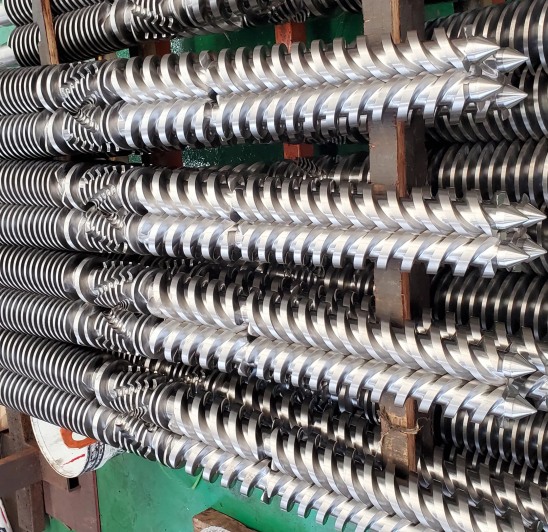
Feed Screw Rebuilding Options: Extend Your Extruder Lifespan


What Is Feed Screw Rebuilding and Why It Matters for Extruder Screw Performance
Definition of Feed Screw Rebuilding in Modern Extrusion Systems
Feed screw rebuilding refers to the process of restoring worn screw geometry, surface integrity, and functional performance in extrusion or injection molding equipment. Instead of replacing the entire screw, rebuilding focuses on recovering the original design performance through machining, resurfacing, hardfacing, or structural reinforcement.
In modern plastic processing systems, a feed screw is responsible for solid conveying, melting, and metering. Once wear occurs, these functions become unstable. This leads to inconsistent output, poor melt quality, and higher energy consumption. Rebuilding restores the screw’s ability to maintain stable polymer processing conditions while extending equipment service life.
From an engineering perspective, feed screw rebuilding is not just repair work. It is a controlled restoration process. This process re-establishes optimized screw geometry based on current production requirements.
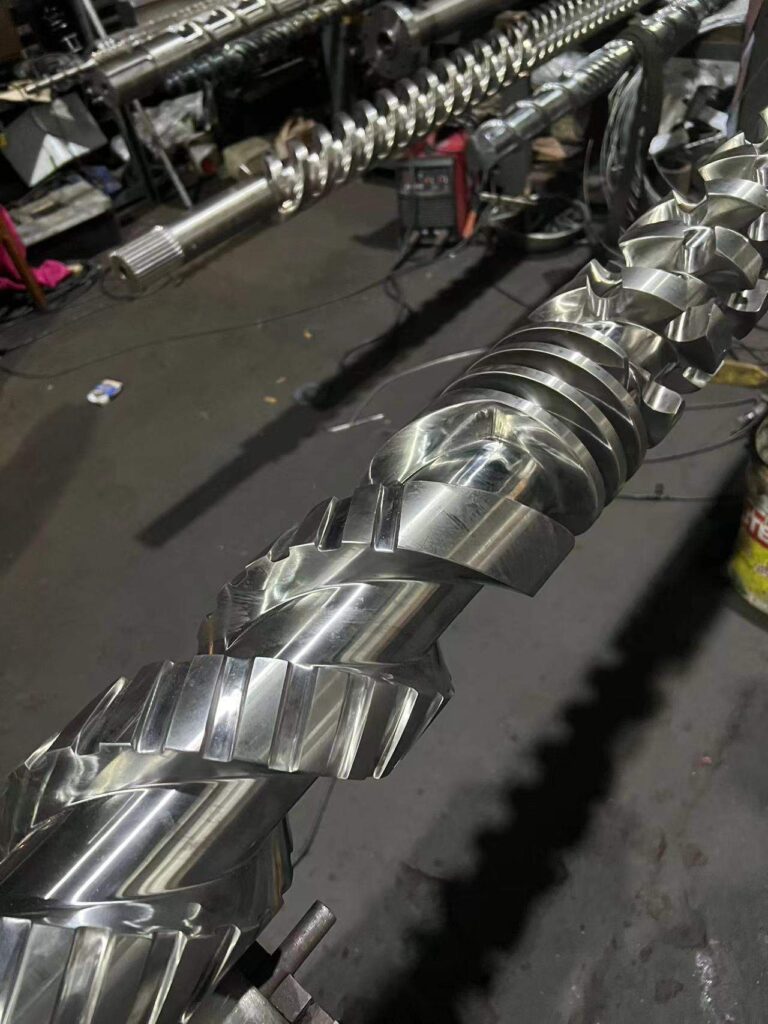
Feed Screw Rebuilding vs New Screw Manufacturing in OEM Engineering Context
While new screw manufacturing is based on original design specifications, rebuilding often involves upgrading the original structure to better match real production conditions. In many cases, the operating environment becomes more aggressive over time. Higher filler content, recycled materials, or increased throughput demands often appear.
This is where CHUANGRI SCREW’s engineering approach becomes critical. Based on OEM and reverse engineering capabilities, we evaluate worn components. We also redesign critical zones such as feeding, compression, and metering sections to improve long-term stability.
Common Causes of Feed Screw Wear in Extrusion and Injection Molding Applications
Abrasive Wear from Filled Polymers and High-Friction Materials
One of the most common reasons for feed screw degradation is abrasive wear caused by filled polymers such as glass fiber, calcium carbonate, or mineral-filled compounds. These materials continuously scrape the screw surface during processing. They gradually reduce flight height and alter compression efficiency.
In applications such as PVC profiles or recycled plastics, this wear is even more severe. Inconsistent raw material quality and higher impurity levels make the problem worse. Over time, this leads to reduced throughput and unstable melt pressure.
Corrosion and Thermal Stress in Continuous Operation
Corrosive additives, high processing temperatures, and long operating cycles create additional stress on screw surfaces. In extrusion environments where polymers are chemically aggressive or moisture-sensitive, corrosion can accelerate material fatigue.
Thermal cycling further weakens the metal structure. This effect shows up especially in standard nitrided screws. Surface protection technologies, therefore, become essential for extending service life.
Feed Screw Rebuilding Options for Extending Extruder Lifespan
Hardfacing and Weld Overlay Repair Using Advanced Coating Technologies
Hardfacing is one of the most widely used rebuilding methods. It involves applying wear-resistant alloys onto damaged screw surfaces using PTA or HVOF thermal spray systems. This creates a reinforced outer layer capable of resisting abrasion and corrosion.
For high-wear industrial applications, we often integrate tungsten carbide-based coatings. These coatings significantly improve surface durability and maintain consistent screw geometry under heavy load conditions.
Re-Nitriding and Heat Treatment Restoration for Surface Hardness Recovery
Nitriding is a controlled heat treatment process that enhances surface hardness and wear resistance. In rebuilding scenarios, re-nitriding can partially restore performance. It does this by reforming a hardened diffusion layer on the screw surface.
This method is particularly suitable for screws that still maintain acceptable geometry but have lost surface hardness due to long-term operation.
CNC Re-Machining and Flight Profile Restoration
When wear affects screw geometry, CNC precision machining is used to restore flight profiles. This includes correcting pitch deviation, rebuilding flight height, and rebalancing compression zones.
CHUANGRI SCREW uses advanced CNC systems to ensure tight tolerances during reconstruction. This step is critical for maintaining stable extrusion pressure and melt quality.
Bimetallic Reinforcement for Severe Wear Zones
For extreme wear conditions, bimetallic reinforcement is often the most effective solution. A wear-resistant alloy layer is applied to critical zones of the screw or barrel. This approach significantly extends service life.
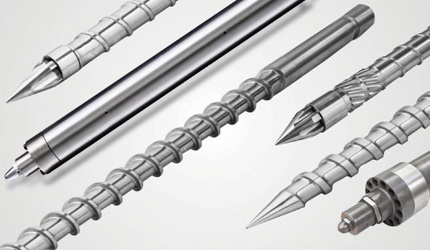
A typical example is our bimetallic injection molding screw, which is designed for processing materials with high glass fiber or mineral filler content. The alloy layer provides strong resistance against abrasive wear while maintaining stable processing performance in demanding environments.
Material and Surface Engineering Technologies Behind Long-Life Feed Screws
Nitrided Alloy Steels and Structural Stability in Industrial Use
Nitrided steels such as 38CrMoAlA remain widely used due to their balance of hardness and toughness. However, in high-abrasion environments, nitriding alone may not be sufficient. That is why rebuilding often involves combining nitriding with alloy reinforcement or coating technologies.
Bimetallic Layers and Tungsten Carbide Coatings for Extreme Conditions
Bimetallic technology plays a key role in extending screw lifespan under aggressive processing conditions. By integrating tungsten carbide particles into a nickel-based alloy matrix, surface hardness and corrosion resistance are significantly improved.
In CHUANGRI SCREW manufacturing systems, this approach is widely applied in both screws and barrels. It ensures stable performance in PVC, recycling, and high-filler extrusion lines.
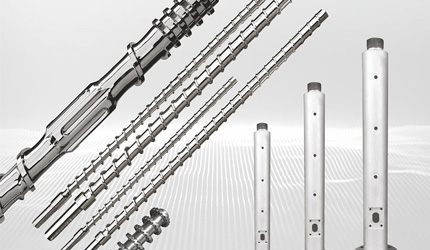
A typical application is our Parallel Twin-Screw Barrel, designed for high-output compounding systems. It provides excellent mixing performance while maintaining strong wear resistance. This makes it suitable for continuous industrial production.
Designing for the twin screw systems’ longest wear life in High-Load Processing Environments.
In modern extrusion lines, achieving the twin screw system’s longest wear life requires a combination of geometry optimization, material engineering, and surface reinforcement. Screw design must account for shear distribution, residence time, and melt homogeneity.
By integrating barrier designs, alloy coatings, and precision machining, we are able to significantly improve operational stability in twin-screw systems. These systems are used for PVC, SPC flooring, and recycled materials processing.
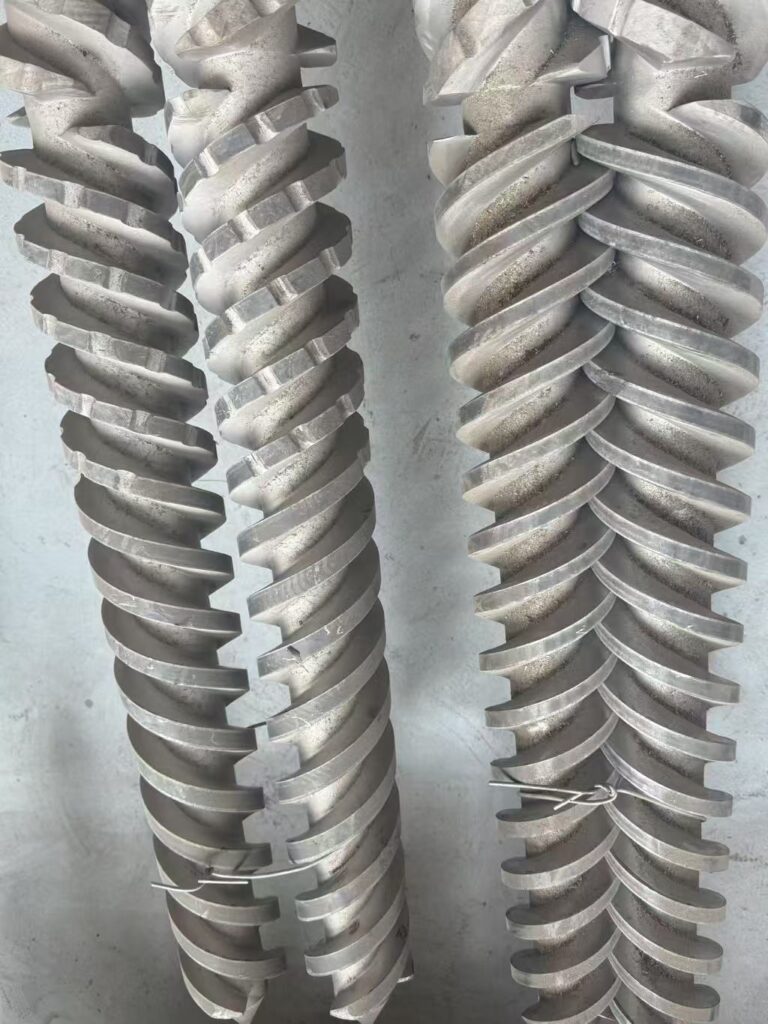
How to Choose Between Feed Screw Repair, Rebuilding, or Full Replacement
Wear Measurement and Performance Evaluation Criteria
The decision to repair, rebuild, or replace a feed screw depends on measurable factors such as flight height loss, surface damage depth, and compression ratio deviation. If wear is limited to surface damage, rebuilding is typically sufficient.
However, if structural deformation or severe profile loss occurs, full replacement may be necessary to maintain process stability.
Process Stability and Production Requirements
In continuous extrusion operations, process stability is more important than simple mechanical restoration. Even minor deviations in screw geometry can affect melt uniformity, output consistency, and product quality.
This is why rebuilding strategies must align with actual production conditions rather than theoretical design parameters.
OEM Reverse Engineering and Custom Rebuild Solutions from CHUANGRI SCREW
As a manufacturer specializing in screw and barrel systems, we provide OEM-level reverse engineering solutions. Our engineering team analyzes worn components. It also reconstructs optimized designs based on real-world application data.
One widely used solution is our solid carbide screw, which offers exceptional wear resistance for high-abrasion materials. It is especially effective in applications involving reinforced polymers or high-filler compounds, where standard screws fail prematurely.
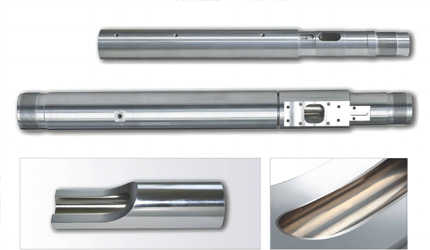
Another commonly used product is our Injection Molding Screw and Barrel, designed for stable plasticizing performance across a wide range of industrial applications. It provides balanced shear control and consistent melt quality. This makes it a reliable option for both new systems and rebuilt configurations.
FAQ
Q: What is feed screw rebuilding in extrusion systems?
A: Feed screw rebuilding is the process of restoring worn screw geometry and surface performance through machining, coating, or structural reinforcement to extend extruder service life.
Q: When should a feed screw be rebuilt instead of replaced?
A: A feed screw should be rebuilt when wear is mainly surface-level or localized, and the core structure remains intact without severe deformation or cracking.
Q: What is the most effective method for extruder screw repair?
A: The most effective method depends on wear type, but commonly used techniques include HVOF coating, hardfacing, CNC remachining, and nitriding restoration.
Q: How does bimetallic technology improve feed screw lifespan?
A: Bimetallic technology adds a wear-resistant alloy layer that significantly improves resistance to abrasion and corrosion, especially in high-filler or recycled material processing.
Q: How can twin screw systems achieve the longest wear life?
A: Achieving twin screw systems’ longest wear life requires optimized screw geometry, advanced alloy coatings, and proper material selection based on processing conditions.

 consult
 WHATSAPP
 leave message
 top
top