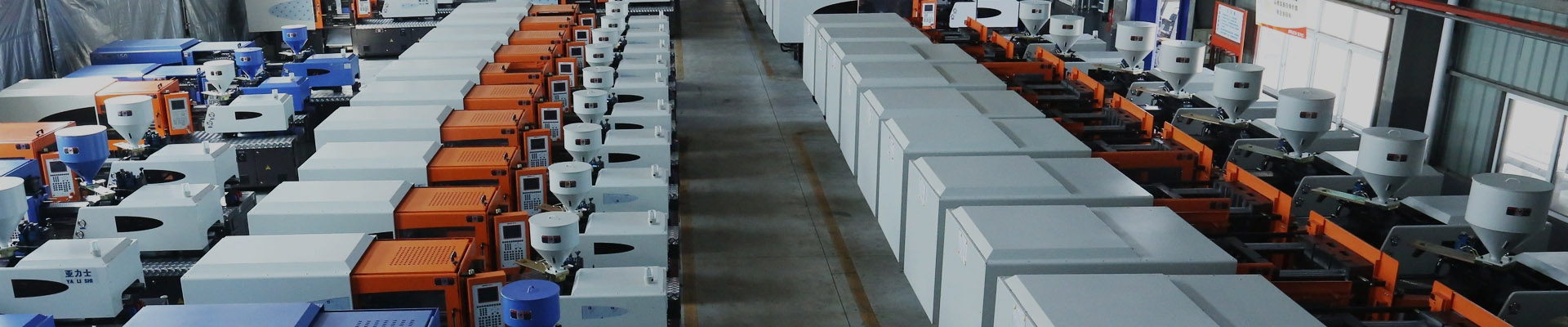
Bimetallic Extruder Screw & Barrel: Why It Matters in 2026
Bimetallic Extruder Screw & Barrel: Why It Matters in 2026


Bimetallic Extruder Screw & Barrel Market Trends in 2026
Why Wear and Corrosion Are Bigger Issues Than Before
Bimetallic extruder screw & barrel systems are receiving increased attention in 2026 because wear and corrosion have evolved into structural production risks rather than isolated maintenance concerns. Modern extrusion lines are expected to run at higher output levels, under tighter quality tolerances, and for longer continuous cycles than ever before. These operating conditions significantly accelerate mechanical degradation inside the barrel and on the screw flights.
A major cause for worse wear comes from the common move to tougher material mixes. Used plastics, compounds with minerals, and strong polymers bring in rough bits. These include chemicals that harm metal parts. Over time, this causes quick changes in screw shape. It widens the space inside the barrel. As a result, the melted material acts unevenly.
Corrosion makes matters worse. Many current mixes give off harmful leftovers in hot processing steps. This happens often in reuse and mixing tasks. When rough wear and rust hit together, basic screw and barrel parts break down much quicker. So, old fixes fall short more and more.
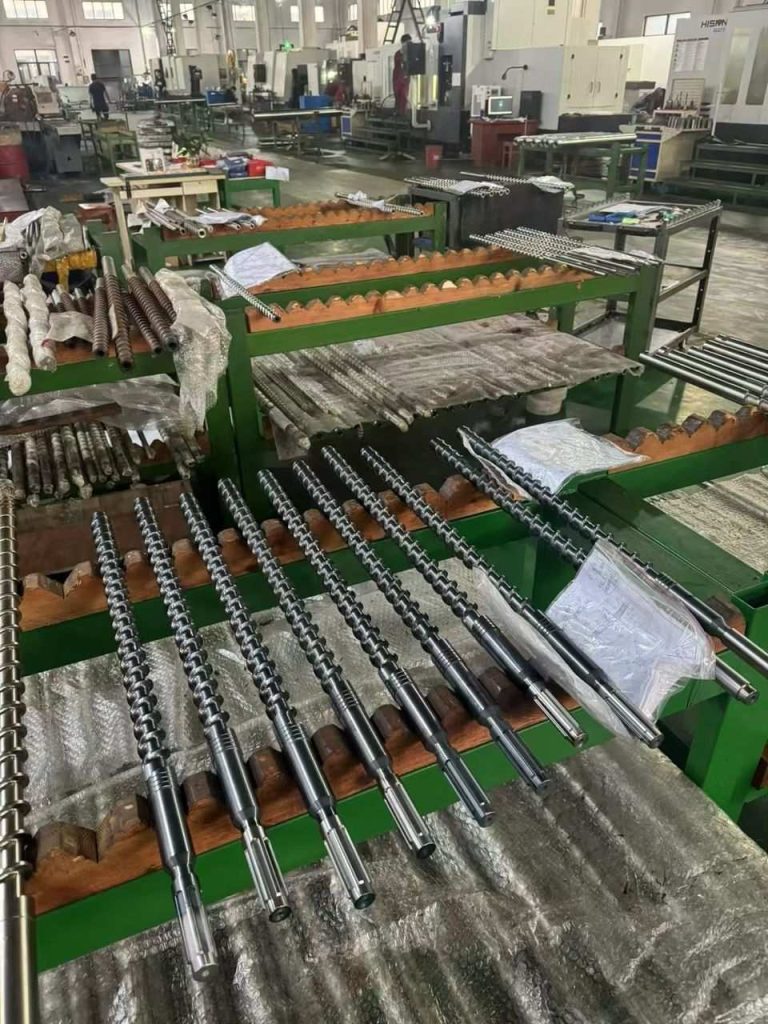
How Material Formulations Are Driving Higher Screw Failure Rates
Changes in material mixes lead straight to more screw and barrel breakdowns in the field. Add-ins like calcium carbonate, glass fiber, and talc work like sandpaper in the extruder. They grind away at the screw flights and barrel walls while running.
Used plastics add extra unknowns. Impurities such as dirt, metal bits, and worn polymer scraps lead to irregular damage spots. This speeds up the gap widening. It cuts pressure steadiness. Often, it brings early screw breakdowns.
These formulation-driven challenges explain why traditional screw and barrel solutions are no longer sufficient. As materials become more abrasive and corrosive, extrusion systems require components specifically engineered to withstand these conditions, which is why bimetallic extruder screw & barrel designs are increasingly viewed as a necessity rather than an upgrade.
What Is a Bimetallic Extruder Screw & Barrel
How Bimetallic Structures Differ from Single-Alloy Designs
A bimetallic extruder screw & barrel splits load support from surface toughness. Single-alloy types make one material do both jobs: hold weight and shield the outside. Bimetallic setups use two materials instead. Each has its own clear task.
The steel core gives solid shape and size control. Meanwhile, the inner side gets a tough alloy cover. This choice fights rough use, rust, and heat strain. Such a split lets each part work at its best. No trade-offs needed.
Single-alloy or treated designs depend only on outer hardening. When that top layer grinds off, the weaker base shows through. This drops output fast. Bimetallic types skip this weak point. They keep a strong, tough layer for the whole use time.
Key Materials Used in Bimetallic Screw & Barrel Systems
Nickel-Based Alloys and Tungsten Carbide Layers
Nickel-based alloys are commonly used in bimetallic extruder screw & barrel systems due to their corrosion resistance and thermal stability. These alloys perform well in chemically aggressive environments and maintain their properties at elevated processing temperatures.
Tungsten carbide reinforcement significantly enhances abrasion resistance. When embedded within a nickel-based matrix, tungsten carbide particles increase surface hardness and slow down wear, making the system suitable for high-filled compounds, reinforced plastics, and recycled materials.
Metallurgical Bonding vs Conventional Surface Treatments
True metal joining marks a main trait of real bimetallic systems. Methods like spin casting and HVOF spraying build a firm link between the alloy cover and steel base.
This joining way guarantees steady work over time. Unlike basic plating or thin covers, these joined layers hold against flaking, breaks, and splits in heat changes and heavy loads. This matters for even extrusion results.
Bimetallic Extruder Screw & Barrel vs Nitrided Solutions
Wear Resistance and Service Life Comparison
Bimetallic extruder screw & barrel systems deliver superior wear resistance compared to nitrided solutions. Nitrided components rely on a relatively thin hardened surface layer that provides initial protection but gradually wears away under abrasive conditions.
Once this layer is compromised, wear accelerates rapidly. Bimetallic designs, by contrast, incorporate a thicker alloy liner engineered specifically for abrasion resistance. This allows the screw and barrel to maintain stable geometry and processing performance over a significantly longer service life.
Performance Stability Under Abrasive and Corrosive Conditions
Performance stability is where bimetallic extruder screw & barrel systems clearly outperform nitrided alternatives. In abrasive and corrosive environments, bimetallic components retain consistent melt pressure, temperature control, and output quality for longer periods.
This stability reduces operational risk. Processors experience fewer process adjustments, less scrap generation, and more predictable maintenance cycles, all of which contribute to higher overall production efficiency.
When the Bimetallic Extruder Screw & Barrel Becomes the Better Choice
Processing High-Filled and Reinforced Materials
High-filled and reinforced materials are a clear indicator that a bimetallic extruder screw & barrel is the better choice. Abrasive fillers continuously erode conventional screw and barrel surfaces, rapidly increasing clearance and reducing processing efficiency.
Bimetallic designs are engineered to handle this continuous abrasion. Thick alloy layers and reinforced screw geometries allow stable operation even under extreme filler content.
Handling Recycled Plastics and Contaminated Feedstocks
Used plastics push extrusion gear to its limits. Shifting impurity amounts and broken polymer links speed up rough and rust damage.
A bimetallic extruder screw & barrel adds extra safety room. Better outer strength lets users process reused inputs with more trust. It cuts surprise breakdowns.
Applications with High Output and Long Runtime Requirements
Fast-speed and nonstop extrusion lines gain a lot from bimetallic systems. Long runs make small wear problems grow big. They turn into major threats as time passes.
Bimetallic extruder screw & barrel builds aid lasting steadiness. This fits them well for big factory output. There, stoppages cost a lot of money.
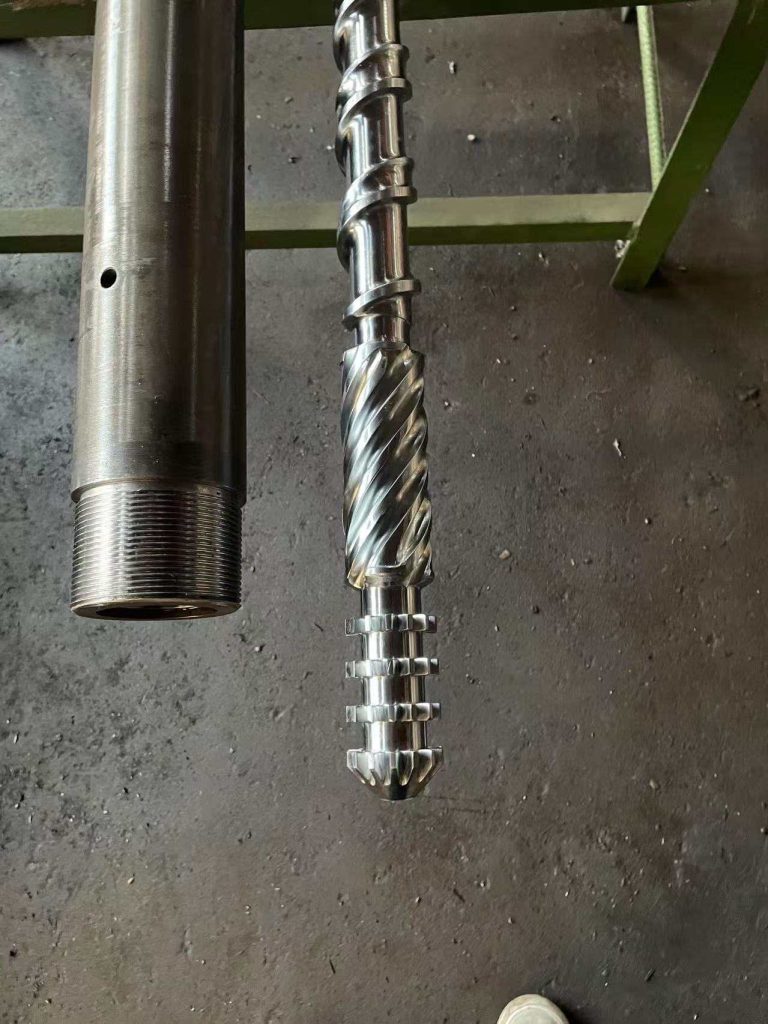
Cost vs Value of Bimetallic Extruder Screw & Barrel
Initial Investment vs Total Cost of Ownership
Judge the worth of a bimetallic extruder screw & barrel by full ownership cost, not just first buy price. Start-up costs sit higher. But longer use time and fewer fixes often balance it out.
Longer change times and steady output lower costs down the line. This helps makers plan upkeep smarter. It skips sudden fixes.
How Downtime and Replacement Frequency Impact ROI
Stoppages shape return on investment mathematically heavily. Sudden halts mess up making plans. They raise worker costs. Delivery trust drops, too.
Bimetallic systems cut wear failures, so they boost ROI. Smooth runs give steady output. Costs stay more in check.
How CHUANGRI SCREW Solves These Extrusion Challenges
Bimetallic Screw & Barrel Design Based on Application Conditions
At CHUANGRI SCREW, we build bimetallic screw & barrel systems from actual processing needs, not broad plans. We check material roughness, rust chance, speed goals, and heat patterns first. Then we pick alloy types and build styles.
This matches the fix to the task. The aim stays practical toughness, not excess build, right where it counts.
Advanced Manufacturing Processes for Consistent Performance
HVOF Coating and Centrifugal Casting for Wear Resistance
HVOF coating and centrifugal casting are the main methods to make tough bimetallic parts. These steps form tight, even alloy layers with firm metal links.
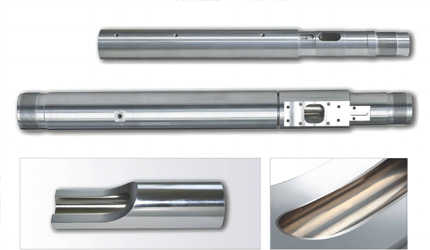
CHUANGRI SCREW uses them in items like the Bimetallic Barrel and Bimetallic Twin-Screw. They suit high-calcium PVC and reused material jobs especially.
Precision Machining and Quality Control for Long-Term Stability
Exact machining keeps proper screw-barrel gaps. Strict checks on strength, center match, and outer finish guarantee even output over full use time.
Custom Solutions for High-Wear and High-Output Extrusion Lines
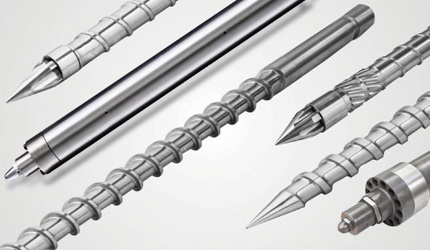
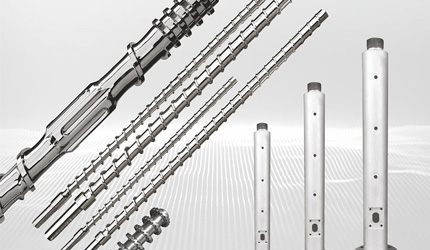
Tailored work lets bimetallic extruder screw & barrel systems give top worth. CHUANGRI SCREW offers fit solutions like the Bimetallic Screw, Bimetallic Barrel, and Bimetallic Twin-Screw. All target set wear and speed issues.
FAQ
Q: What is the best bimetallic extruder screw & barrel for high-wear applications?
A: The best bimetallic extruder screw & barrel depends on filler type, abrasion level, and corrosion risk. Systems using nickel-based alloys reinforced with tungsten carbide are commonly preferred for high-wear conditions.
Q: How to choose a bimetallic extruder screw & barrel for recycled plastics?
A: Selecting a bimetallic extruder screw & barrel for recycled plastics requires evaluating contamination levels, corrosion potential, and throughput targets. Durable alloy liners and reinforced screw flights are critical.
Q: Bimetallic extruder screw & barrel vs nitrided solutions: which is better?
A: Bimetallic extruder screw & barrel systems generally outperform nitrided solutions in abrasive and corrosive environments due to thicker wear layers and longer service life.
Q: Are bimetallic extruder screw & barrel systems suitable for high-calcium PVC?
A: Yes, bimetallic extruder screw & barrel designs are particularly suitable for high-calcium PVC formulations where abrasion rates are significantly higher.
Q: How long does a bimetallic extruder screw & barrel typically last?
A: Service life varies by application, but bimetallic extruder screw & barrel systems typically last much longer than conventional alternatives in high-wear and high-output environments.

 consult
 WHATSAPP
 leave message
 top
top