Essential Parallel Twin Screw Barrel Maintenance for Peak Performance
Related news
-
Twin Screw and Barrel Selection Tips 2026 for High-Performance Extruders
-
Twin Screw and Barrel Design Guide: Best Practices for PVC Processing
-
Barrel Injection Optimization: Essential Tips for Improved Efficiency
-
Advanced Techniques: Using Barrel Nut Screw Drivers for Feed Screws
-
Plastic Injection Screw Barrel: Key Features Every Expert Should Know
Essential Parallel Twin Screw Barrel Maintenance for Peak Performance


Why Parallel Twin Screw Barrel Maintenance Directly Affects Production Profitability
The Financial Impact of Parallel Twin Screw Barrel Wear
Parallel twin screw barrel maintenance plays a key role in deciding if an extrusion line works as a money maker or slowly turns into an expense source. In busy PVC, SPC flooring, and pipe production, small barrel wear can cause uneven melt quality. It may also lead to size errors and higher waste rates. The barrel handles pressure, heat, and shear. Thus, its state affects the whole production efficiency.
Parallel twin screw barrel wear quietly raises running costs before clear mechanical issues show up. Motor torque goes up. Melt temperature varies. Hourly output becomes uneven. These are early signs of changes in internal gaps. As compression efficiency falls, more power is needed to keep throughput steady. This boosts electricity use and adds strain on the gearbox. In the end, this hidden loss often beats the price of a planned preventive maintenance program.
How Process Stability Depends on Parallel Twin Screw Barrel Condition
Parallel twin screw barrel condition has a direct effect on process stability in filled and rough formulations. In high-calcium PVC or recycled compounds, wear changes the balance between feeding, compression, and metering zones. When internal geometry shifts, shear spreads out unevenly. This lowers melt uniformity. It also hurts product surface quality. So, barrel strength is vital not just for mechanical toughness but also for keeping steady process results.
From Reactive Repair to Preventive Asset Strategy
Parallel twin screw barrel maintenance gains real value when makers see wear data as money signs instead of mechanical extras. They avoid waiting for output drops or surprise stops. Smart plants add inspection times, gap checks, and torque watches to daily production tasks. This change turns maintenance from urgent fixes into ongoing asset care and profit management.
Common Failure Mechanisms in Parallel Twin Screw Barrel Systems
Parallel twin screw barrel systems break down due to abrasion, corrosion, and thermal fatigue. Knowing these issues allows early action.
Abrasive Wear in High Calcium and Filled Compound Applications
Parallel twin screw barrel abrasion turns serious in high-calcium PVC formulations. Filler particles focus erosion in the feeding and compression zones. There, pressure reaches its peak.
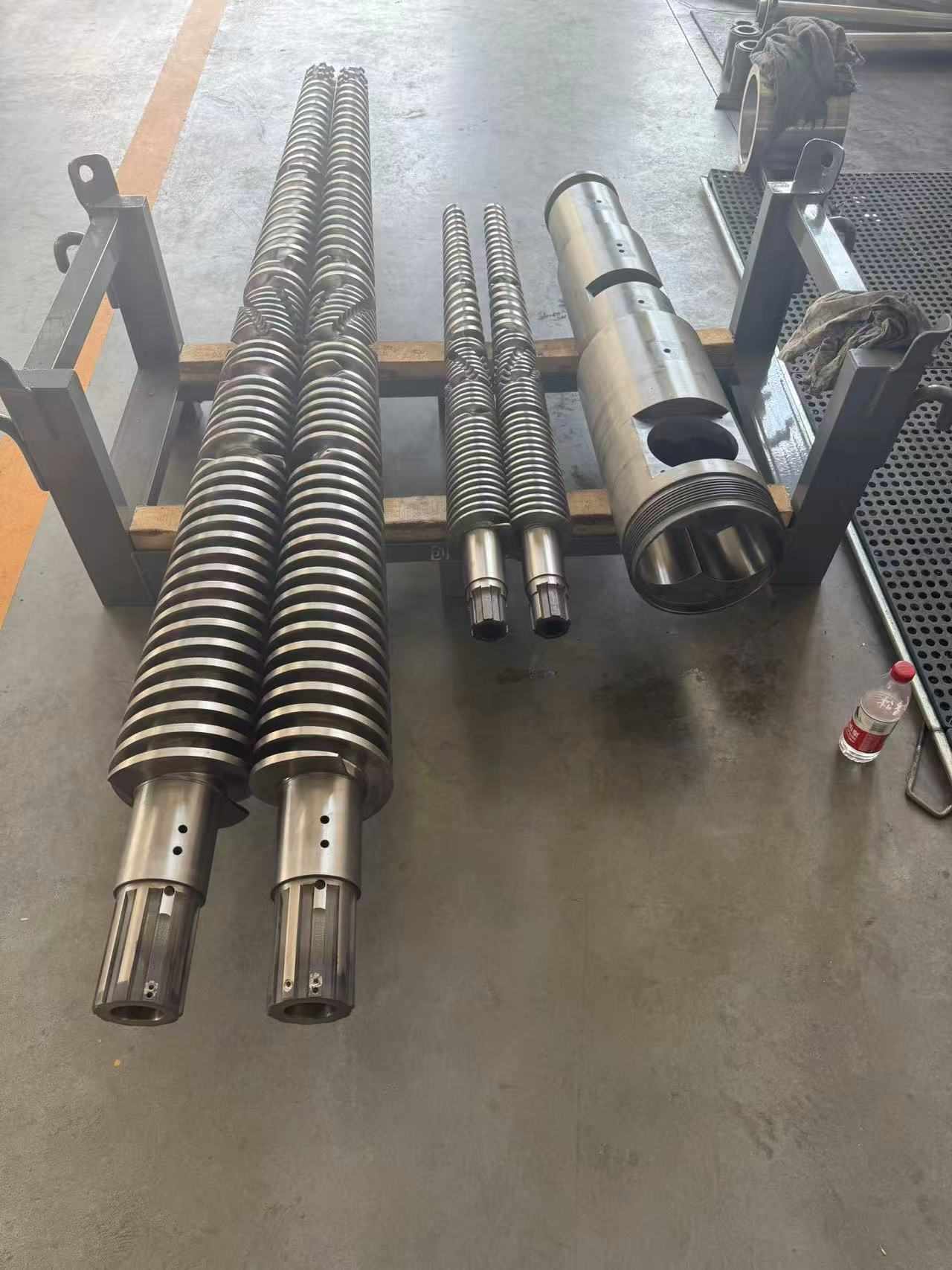
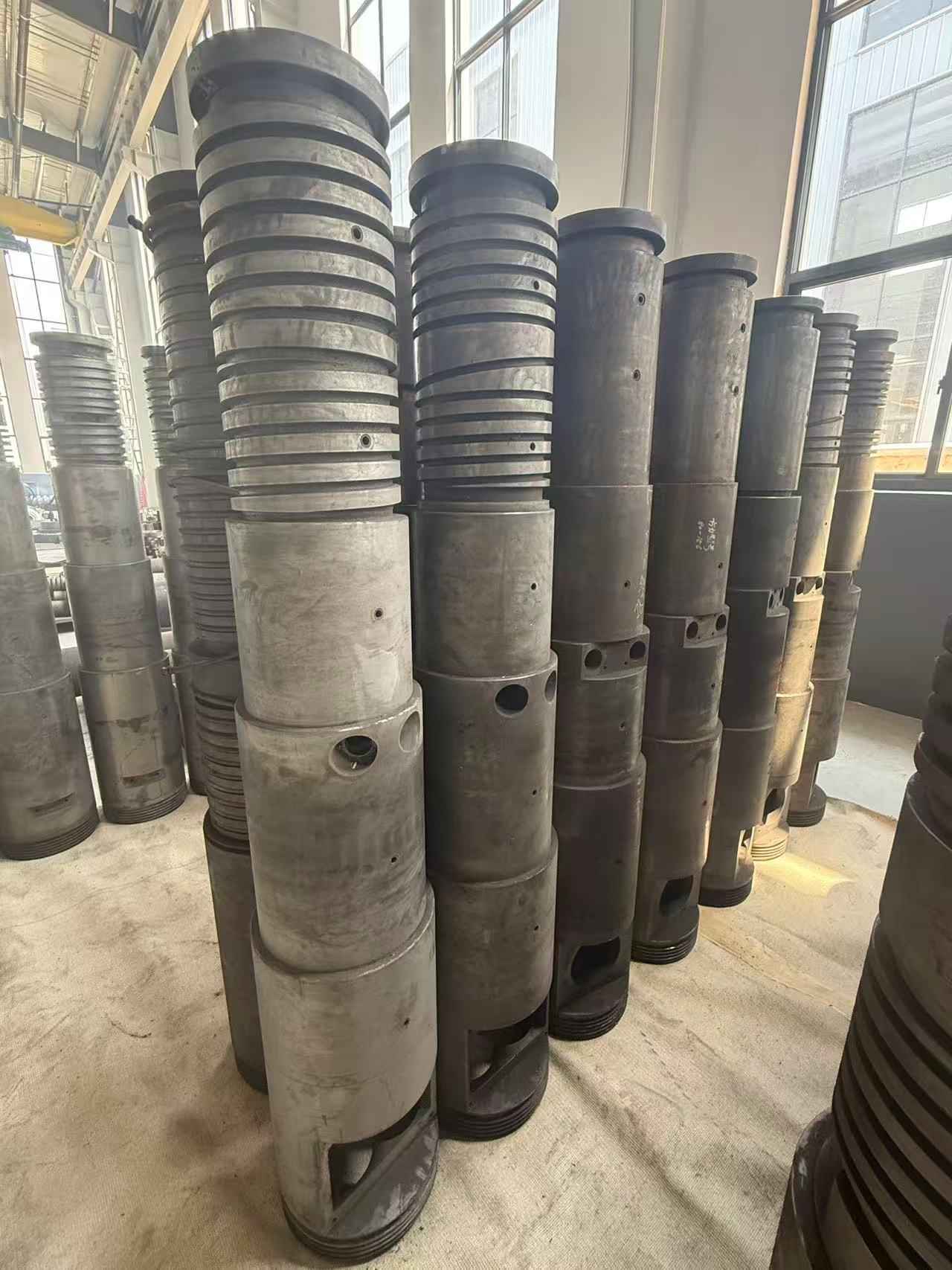
Parallel twin screw barrel wear first boosts surface roughness. This harms the shear spread before any clear diameter drop happens. For tough PVC extrusion, stronger builds, such as the Parallel Twin-Screw Barrel, meant for heavy-load uses, offer better protection in those areas.
Corrosion and Chemical Degradation in Recycled Materials
Parallel twin screw barrel corrosion speeds up in recycled materials with moisture or acidic leftovers. Internal pitting cuts smoothness. It also causes material buildup, which impacts melt evenness.
In pelletizing setups, better alloy handling—such as in the Pelletizing Parallel Twin-Screw—helps fight both abrasive and corrosive pressures.
Thermal Fatigue and Surface Hardness Reduction
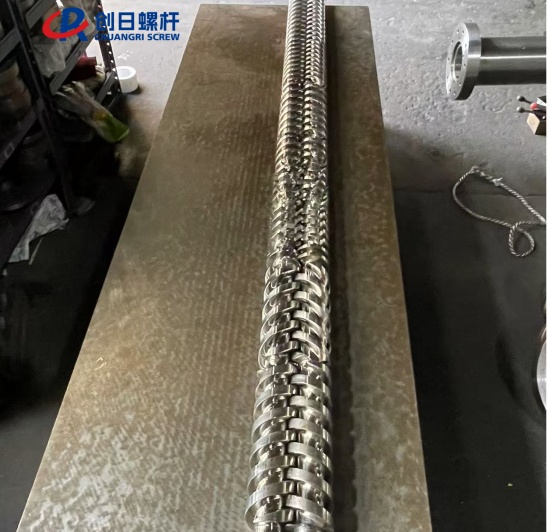
Parallel twin screw barrel thermal fatigue comes from repeated heating cycles. Micro-cracking might happen if the surface treatment strength weakens.
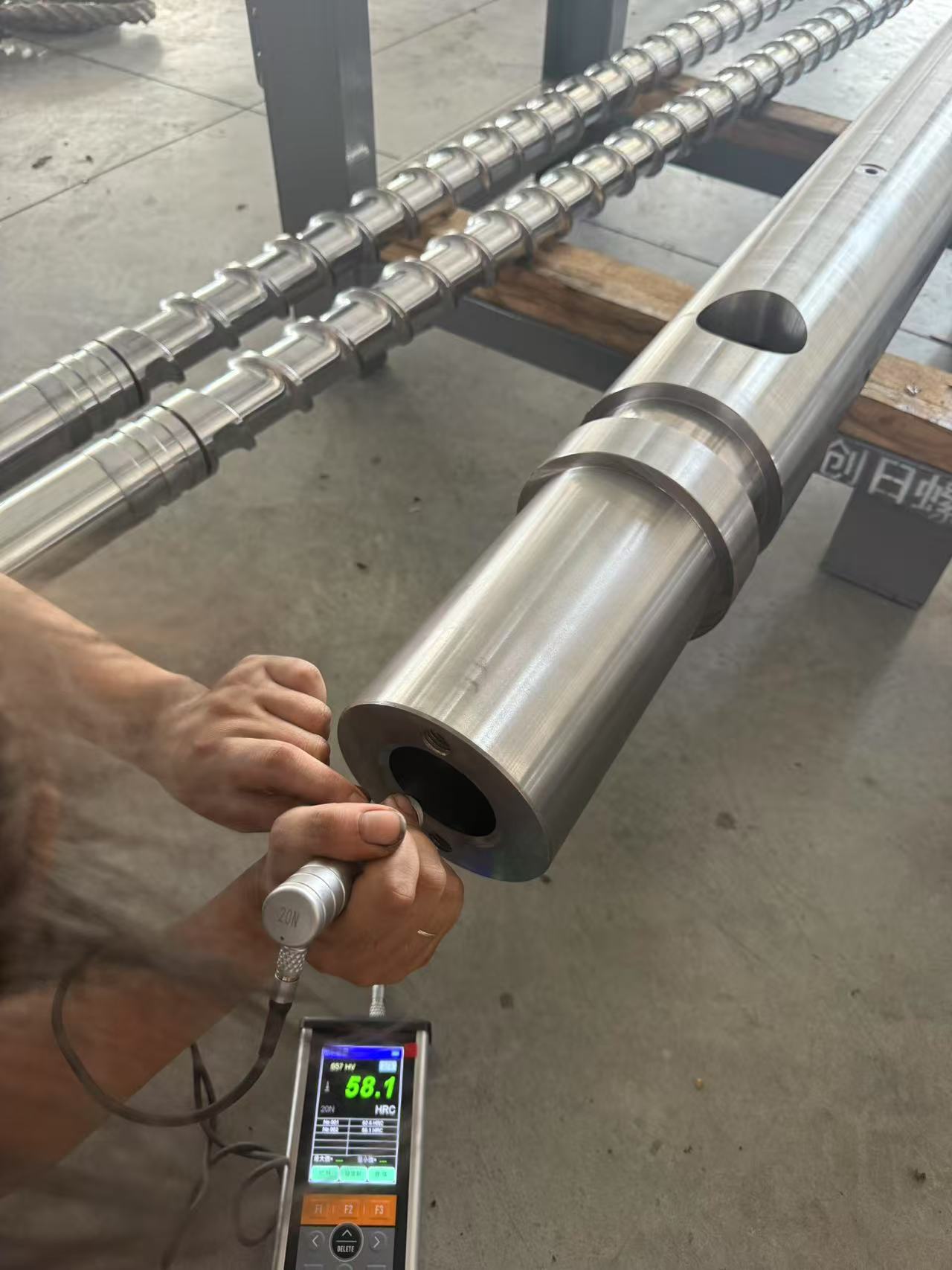
Parallel twin screw barrel durability relies on steady hardness and layer thickness. Nitriding depth usually falls between 0.5–0.8 mm with surface hardness at HV900 or higher. This setup ensures resistance to ongoing stress.
Preventive Parallel Twin Screw Barrel Maintenance at the Operational Level
Preventive parallel twin screw barrel maintenance spots degradation before production quality slips.
Establishing Inspection Intervals Based on Processing Conditions
Parallel twin screw barrel inspection timing needs to fit processing demands. High-calcium PVC lines call for shorter checks than low-shear tasks.
|
Application |
Inspection Interval |
Key Indicator |
|
PVC Pipe |
1,000-1,500 hrs |
Torque drift |
|
SPC Line |
800-1,200 hrs |
Output loss |
|
Pelletizing |
1,500-2,000 hrs |
Temp shift |
Parallel twin screw barrel bore roughness ought to stay at Ra ≤ 0.4 µm to keep the flow smooth.
Measuring Bore Wear and Maintaining Screw-to-Barrel Clearance
Parallel twin screw barrel clearance shapes pressure buildup and mixing results. When clearance grows, back pressure falls. At the same time, energy needs climb.
Regular checks should cover:
- Internal diameter measurement
- Concentricity inspection
- Surface roughness evaluation
- Screw-to-barrel fit verification
Steady records help with future planning.
Cleaning Protocols During Material Changeover
Parallel twin screw barrel cleaning influences lasting strength. Too much scraping hurts hardened layers. On the other hand, poor purging leaves carbon buildup.
Managed shutdown heat and planned purging, cut residue, and guard liner strength. For build differences that affect wear patterns, see this summary of parallel twin screw and barrel types: Parallel Twin Screw and Barrel: Understanding the Four Main Types
Engineering Solutions to Extend Parallel Twin Screw Barrel Service Life
Engineering plans for parallel twin screw barrel longevity center on fitting material science to processing needs.
Comparing Nitrided and Bimetallic Structures
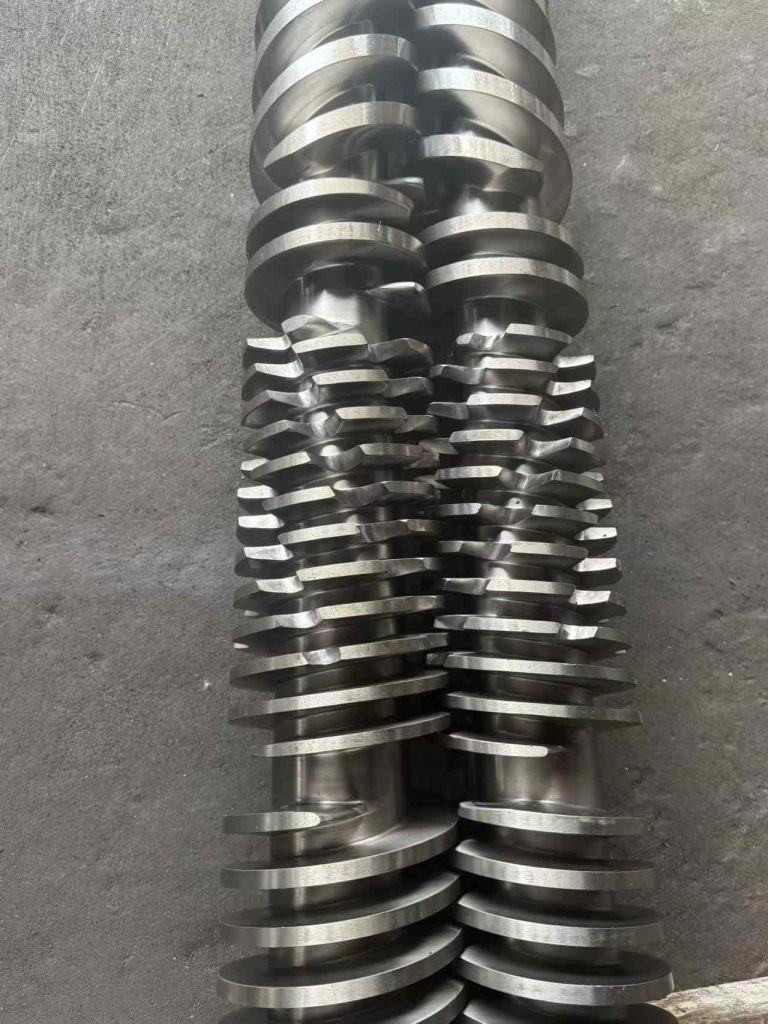
Parallel twin screw barrel nitriding gives tough surfaces fit for average abrasion. Bimetallic liners deliver greater hardness levels (58–62 HRC) and firmer resistance under heavy filler loads.
Choosing the right build means assessing filler amount, torque limits, and corrosion chances. Avoid just picking standard setups.
Selecting Alloys for Abrasive and Corrosive Processing
Parallel twin screw barrel alloy choice sets resistance to certain wear types. High-nickel bases improve corrosion defense. Meanwhile, tungsten carbide adds a boost to abrasion endurance.
At CHUANGRI SCREW, we handle machining, heat treatment, and checks in-house to guarantee size accuracy and reliable screw-to-barrel fit.
Case Insight: Extending Lifespan in High Calcium PVC Production
Parallel twin screw barrel lifespan can grow through build improvements. In a high-calcium PVC line facing higher torque and shaky output, stronger alloy handling cuts wear focus. It also lengthened check times. As a result, process steadiness returned.
Data-Driven Maintenance Decision Model for Replacement
Parallel twin screw barrel replacement choices should use clear trends instead of sudden calls.
Tracking Performance Deviation
Parallel twin screw barrel torque, melt temperature, and output patterns give early alerts. Setting firm baselines lets slow shifts appear before major wear hits.
Repair, Recoat, or Replace
Parallel twin screw barrel choices often cover:
- Recoating when the liner wear stays light
- Refurbishment if the shape holds up
- Full replacement when the size changes harms the output
Cost review must factor in downtime, waste rate, and energy waste.
Managing Precision in Replacement Components
Parallel twin screw barrel replacements demand tight tolerance rules. Exact honing, hardness tests, and concentricity checks secure fit.
CHUANGRI SCREW uses coordinate measurement and assembly checks to lower swap risks and keep operations smooth.
Building a Sustainable Parallel Twin Screw Barrel Maintenance Strategy for Long-Term ROI
Parallel twin screw barrel maintenance strategy needs to blend technical trust with money planning.
Lifecycle review shows that preventive plans cut sudden stops and energy loss. Budgeting from wear forecasts aids cost handling.
Spare part planning matters for nonstop PVC extrusion lines. Engineering teamwork makes sure materials and builds match actual processing needs. This leads to steady, lasting performance.
FAQ
Q: How to choose a parallel twin screw barrel for high calcium PVC processing?
A: Selection should prioritize abrasion-resistant bimetallic liners with adequate hardness and strong metallurgical bonding. Filler percentage, torque range, and operating temperature must be evaluated before deciding between nitrided and alloy-enhanced structures.
Q: What are the early signs of parallel twin screw barrel wear?
A: Gradual torque increase, unstable output, melt temperature fluctuation, and rising energy consumption are typical early indicators. Internal clearance measurement confirms wear progression.
Q: Which type of parallel twin screw barrel lasts longer, nitrided or bimetallic?
A: Bimetallic structures generally provide longer service life in abrasive or corrosive conditions, while nitrided barrels perform well in moderate-load applications.
Q: How often should a parallel twin screw barrel be inspected?
A: Inspection typically ranges from 800 to 2,000 operating hours, depending on filler content and processing intensity.
Q: How to evaluate when a parallel twin screw barrel should be replaced?
A: Replacement should be considered when internal clearance exceeds tolerance, output stability declines, and refurbishment costs approach new component investment.

 consult
 WHATSAPP
 leave message
 top
top