How to Upgrade Injection Molding Screws and Barrels in 2026
Related news
How to Upgrade Injection Molding Screws and Barrels in 2026


An injection molding upgrade should begin with the material, shot range, and condition of the existing screw and barrel, not with a generic replacement. For dropshipping wholesalers and other buyers managing varied plastic orders, the right match can make equipment planning clearer and reduce the risk of choosing a component that does not suit the intended production range.
Why an Upgrade Starts with the Process
Identify the signs that an upgrade is needed
Start by recording the current screw diameter, barrel condition, plastic material, and typical shot weight. The purpose of this check is to define the actual working range before a new design is discussed. A screw and barrel that are considered together can be specified around the molding task rather than selected from a broad catalog.
The upgrade conversation should also separate routine replacement from a change in processing needs. A standard nitrided option may fit a general production plan, while a bimetallic or solid carbide option may be considered when the required surface treatment or application calls for it. The choice should remain tied to confirmed material and operating requirements.
Match the machine to the intended output
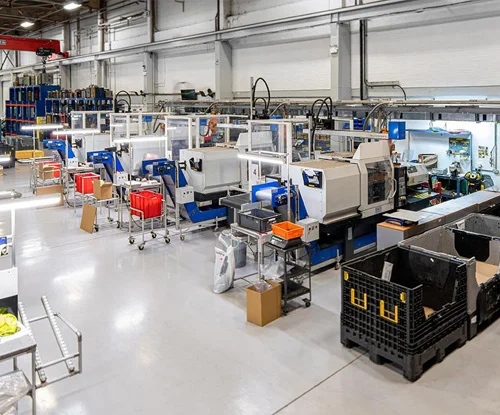
Injection molding single screws and barrels can be made in diameters from 14 to 250 mm and can cover injection amounts from 30 to 40,000 g. These ranges are useful starting points, but the final specification still needs the machine information and the required processing range. Avoid treating diameter alone as the complete design brief.
For dropshipping wholesalers, this step is especially practical. Orders may involve ordinary plastics as well as PP, PE, ABS, AS, PS, PC, PET, or Bakelite. Listing the materials and shot weights that matter most helps a buyer compare options without turning a varied product mix into an unfocused request.
Define the Upgrade Before Ordering
Confirm dimensions and fit
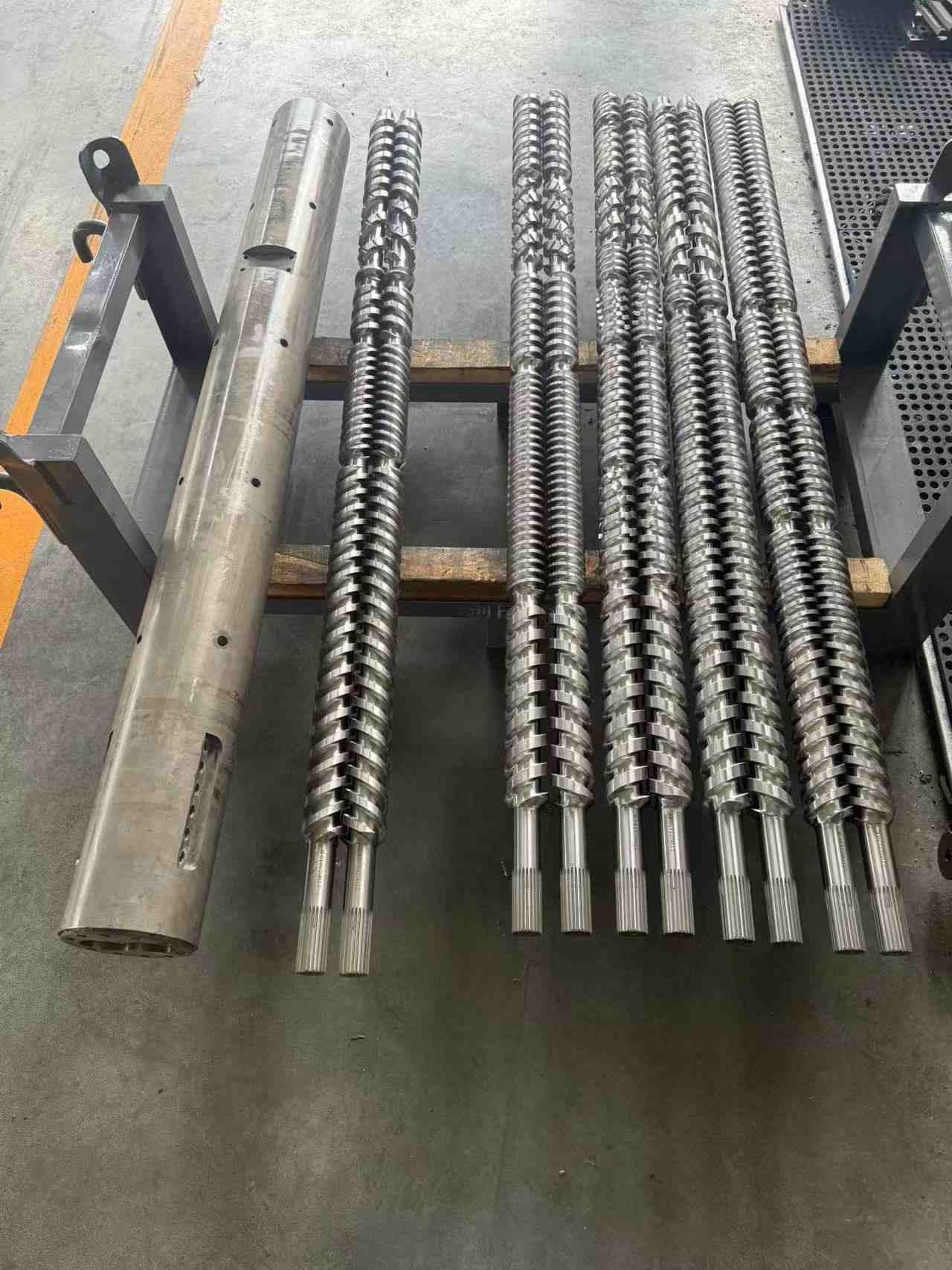
Prepare the available machine drawing or a complete dimensional record before placing an order. The screw and barrel need to be considered as a working set, with their dimensions, clearances, and installation interfaces aligned. A precise request makes it easier to discuss a replacement, a custom build, or an upgrade from one surface treatment to another.
The length and diameter relationship also deserves attention. Two components with a similar diameter may support different process goals if their geometry and fit are different. The most useful specification therefore combines machine details, material information, shot weight, and the desired screw and barrel configuration.
Choose the material range first
The listed application range covers ordinary plastics, PP, PE, ABS, AS, PS, PC, PET, and Bakelite. Use that list to establish the base material brief, then identify whether the planned work stays within one material family or moves between several. This makes the upgrade easier to evaluate and helps prevent a surface choice from being made without a clear processing context.
When one machine serves multiple products, document the most demanding confirmed material rather than relying on a product label alone. The result should be a specification that is easy to review, compare, and approve before manufacturing begins.
Select a Surface Strategy for 2026
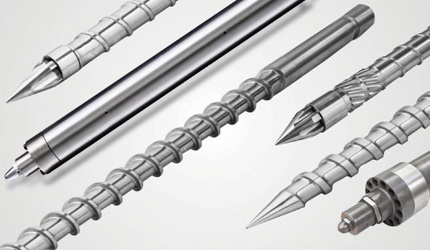
Consider a nitrided injection molding screw
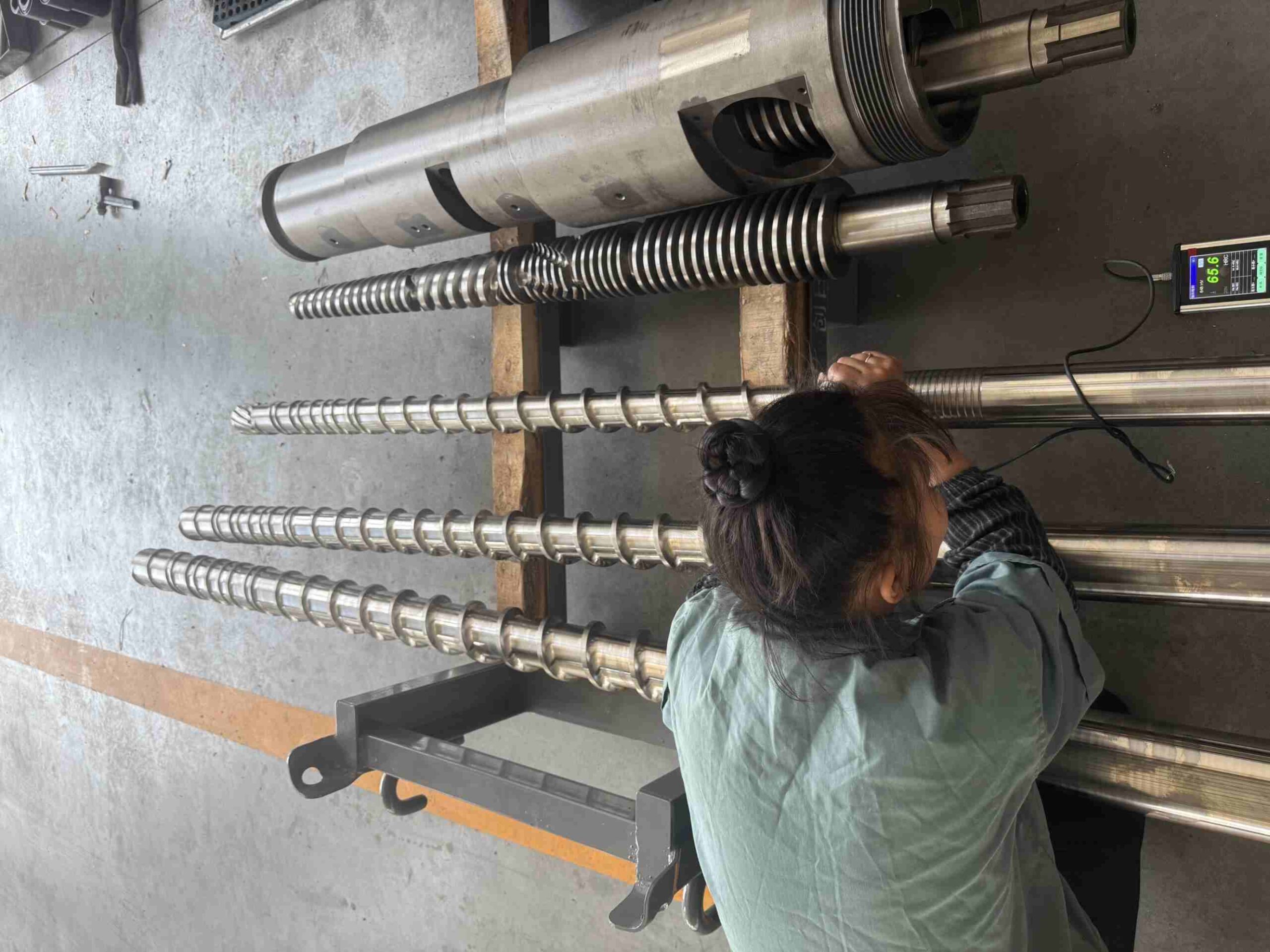
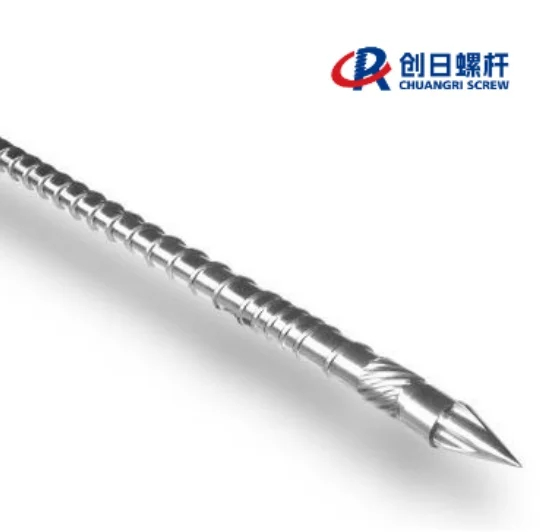
The Nitrided Injection Molding Screw is a practical reference point for a standard injection molding upgrade. Nitriding depth is specified at 0.5 to 0.8 mm, with nitriding hardness of HV850-1000. These figures should be matched to the confirmed process brief and treated as part of the complete screw and barrel selection.
Nitrided components can be considered when the intended work fits the ordinary plastic and listed resin range. The buyer should still confirm the machine diameter, injection amount, and required dimensions rather than assuming that a familiar treatment automatically fits every application.
Compare bimetallic and solid carbide options
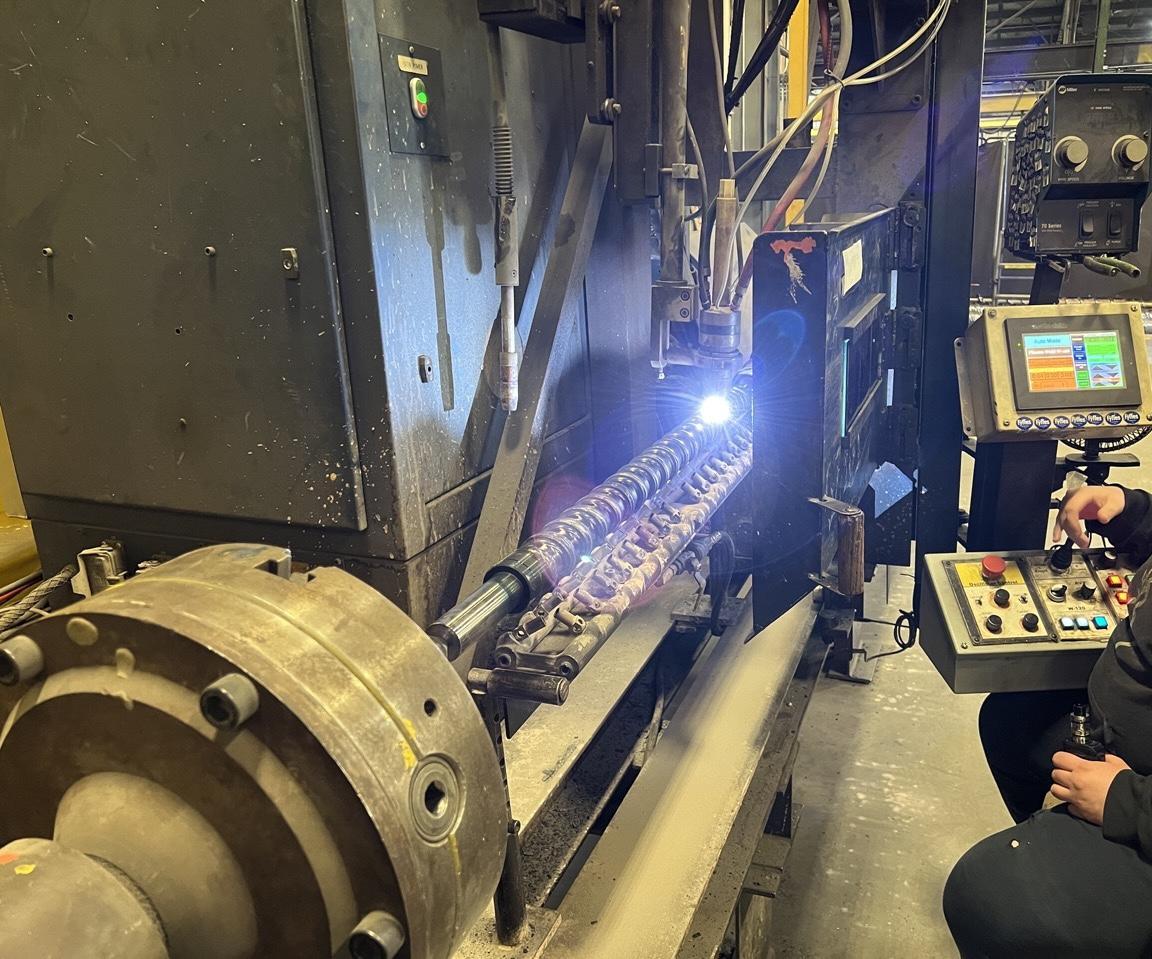
The Bimetallic Injection Molding Screw gives buyers another route when a bimetallic layer is part of the specification. The bimetallic layer range used for this upgrade brief is 1.5 to 3 mm. A Solid Carbide Screw can also be evaluated when the selected design calls for solid carbide construction.
These are not interchangeable labels. Each option should be connected to the planned plastic range, machine dimensions, shot weight, and service expectations. CHUANGRI SCREW can support a review that keeps those details together instead of treating the surface or product name as the only decision.
Plan the Screw and Barrel as One Set
Use the same brief for both components
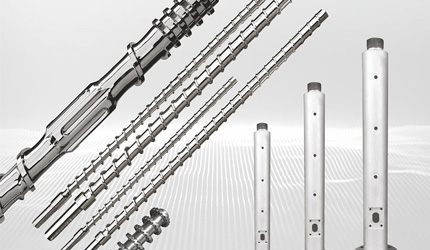
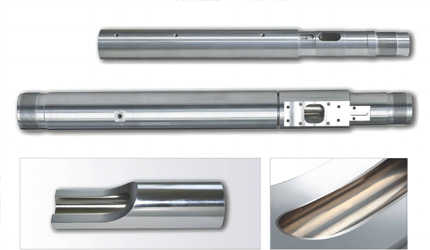
An upgrade is easier to control when the screw and barrel are described in one brief. Include the 14-250 mm diameter range when applicable, the 30-40,000 g injection amount range when applicable, the intended plastic, and the selected treatment. Add the available drawing or dimensional information so the proposed set can be checked before production. The broader injection molding solution keeps the component choice connected to the planned molding task.
This approach is useful for buyers who compare several suppliers or coordinate orders for different machines. It creates a consistent record of what is being replaced, what is being changed, and which details still require confirmation. It also helps keep product discussions focused on the injection molding task.
Leave room for a custom specification
Not every machine upgrade should follow a standard size. A custom specification may be appropriate when the machine, shot range, material list, or requested treatment does not fit a simple replacement description. The goal is a clear component set that can be reviewed against the actual machine rather than a nominal product category.
We work with the screw and barrel requirements as a connected specification, including the dimensions, material range, injection amount, and selected treatment. That gives the buyer a direct basis for checking whether a proposed upgrade is ready for the next production step.
Verify the Upgrade Before Installation
Review the final specification
Before installation, compare the confirmed drawing or dimensions with the ordered screw and barrel. Check the diameter, stated treatment, layer or nitriding requirement, material range, and injection amount. This review is also the point to resolve any mismatch between a general product name and the details required by the machine.
For a multi-material operation, keep the approved specification with the machine record. Dropshipping wholesalers may need to repeat a similar purchasing process across several production requirements, so a clear record can make the next upgrade request more efficient without assuming that every machine uses the same design.
Start with a controlled production check
After the new set is installed, begin with the confirmed material and a suitable shot range from the approved brief. Observe whether the machine is operating within the intended scope before expanding to other listed plastics. Record the material, shot weight, and component information used during the first check so the result can be reviewed consistently.
The upgrade process is complete when the selected screw and barrel, the machine information, and the production plan all agree. A careful specification gives future buyers a useful reference and keeps the 2026 upgrade decision grounded in the actual injection molding task.
FAQ
Q: How should dropshipping wholesalers plan an injection molding screw upgrade?
A: Start with the machine dimensions, usual shot weight, and the plastics that the equipment will process. Then compare a nitrided, bimetallic, or solid carbide option against the confirmed injection molding requirement instead of choosing by product name alone.
Q: What diameter range is available for an injection molding screw and barrel?
A: The available injection molding single screw and barrel range is 14 to 250 mm in diameter. The final choice still depends on the machine information, fit, material range, and intended injection amount.
Q: Which plastics can an injection molding screw and barrel process?
A: The listed range includes ordinary plastics, PP, PE, ABS, AS, PS, PC, PET, and Bakelite. Buyers should state the materials needed for the actual production plan before confirming the upgrade.
Q: What is the nitriding depth for an injection molding screw?
A: The specified nitriding depth is 0.5 to 0.8 mm, with nitriding hardness of HV850-1000. These values belong in the final component brief together with the machine and material requirements.
Q: What injection amount can the upgraded set cover?
A: The listed processing range is 30 to 40,000 g. The appropriate point within that range should be checked against the machine, screw and barrel dimensions, and the planned molding work.

 consult
 WHATSAPP
 leave message
 top
top