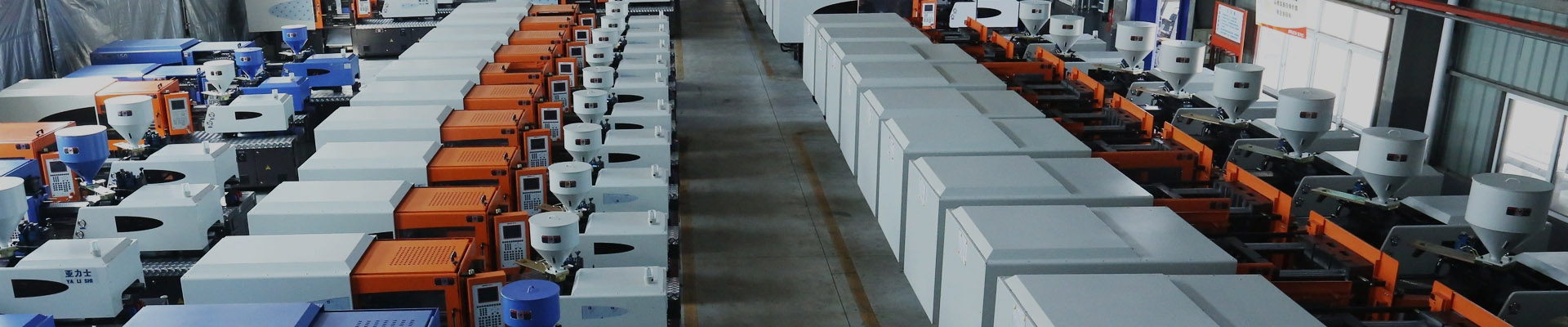
Injection Moulding Barrels Preventive Maintenance and Inspection Guide
Related news
Injection Moulding Barrels Preventive Maintenance and Inspection Guide


On the shop floor, barrel wear rarely announces itself with one dramatic failure. It usually arrives as a few extra seconds of recovery time, a cushion that drifts, or parts that need small setting corrections every shift. A barrel may still look serviceable from the outside while its bore, feed throat area, heater contact, and mating screw clearance are already changing. Good preventive maintenance connects those production clues with scheduled shutdown checks, dimensional measurement, and material-specific wear review.
Set Inspection Intervals by Resin, Filler, and Production Symptoms
High-Wear Materials Need Shorter Review Cycles
Inspection frequency should follow the real wear load, not only the calendar. A machine running clean PP does not age the same way as one running glass-filled nylon, mineral-filled compounds, flame-retardant resin, recycled material, or a corrosive formulation. Those materials can accelerate bore wear, screw flight wear, and surface damage, so the first service interval should be shorter until the plant has its own trend data. Operators should also record screw speed, back pressure, melt temperature, recovery time, and material changes, because a maintenance record without process context rarely explains why wear is speeding up.
Production Changes That Trigger Early Inspection
Bring the next inspection forward when recovery time climbs, cushion starts wandering, melt temperature needs more correction, black specks appear more often, or shot weight drifts at settings that used to be stable. None of these symptoms proves the barrel alone is worn. They are a prompt to open the diagnostic path. Check heater bands, thermocouples, check ring function, screw condition, and feed stability before blaming one component. The goal is to separate barrel bore wear from screw wear, non-return valve leakage, resin moisture, and process setting drift.
Inspect Barrel Bore, Screw Flights, and Running Clearance
Measure the Bore Instead of Judging by Appearance
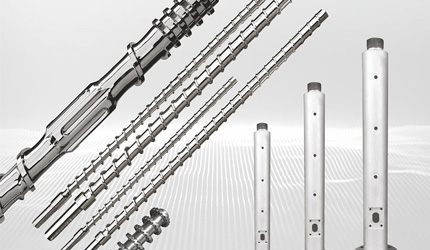
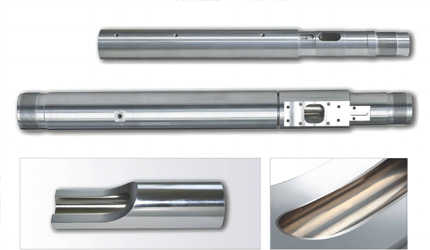
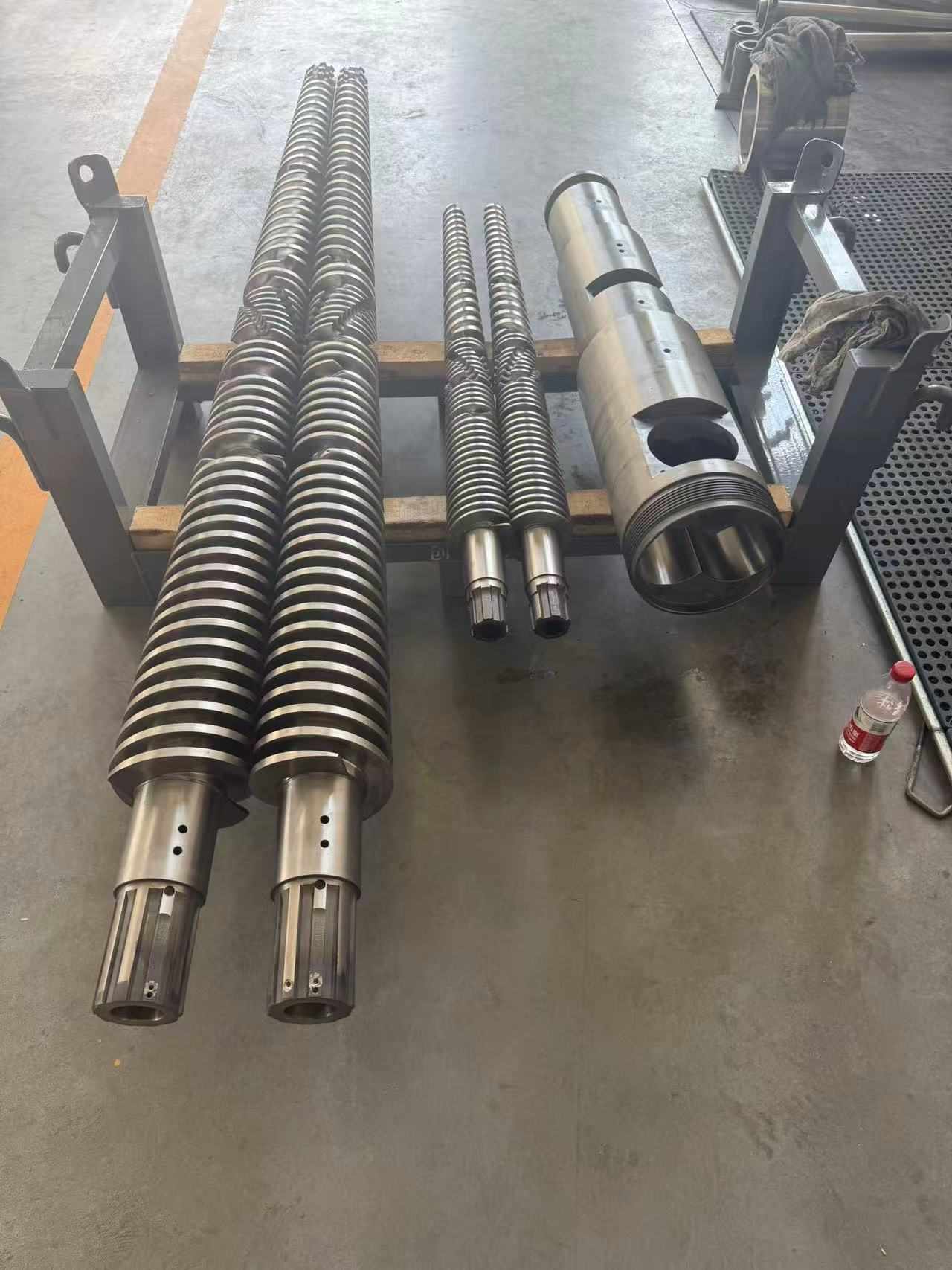
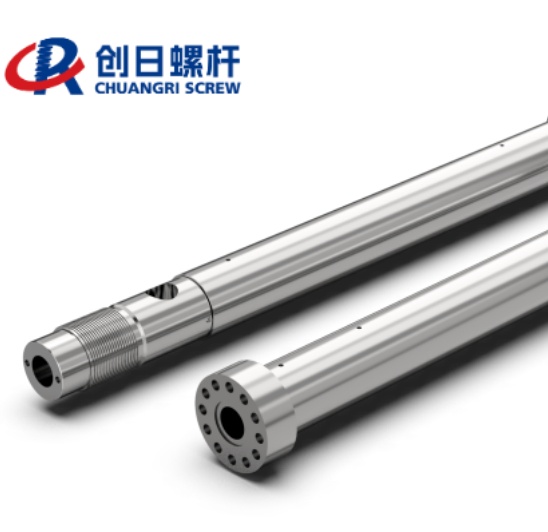
The most important inspection point is the relationship between barrel inside diameter and screw outside diameter. Visual scratches can matter, but bore growth, ovality, local enlargement, and excessive screw-barrel clearance are more useful for maintenance decisions. Measure feed, compression, and metering areas, then compare the results with the original drawing, accepted machine standard, or a known baseline. CHUANGRI SCREW supplies a CNC-machined injection molding barrel and supports bore honing, precision grinding, dimensional inspection, and fit verification for replacement work.
Check Screw Flight OD, Root, and Surface Damage
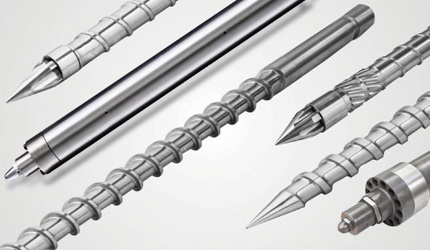
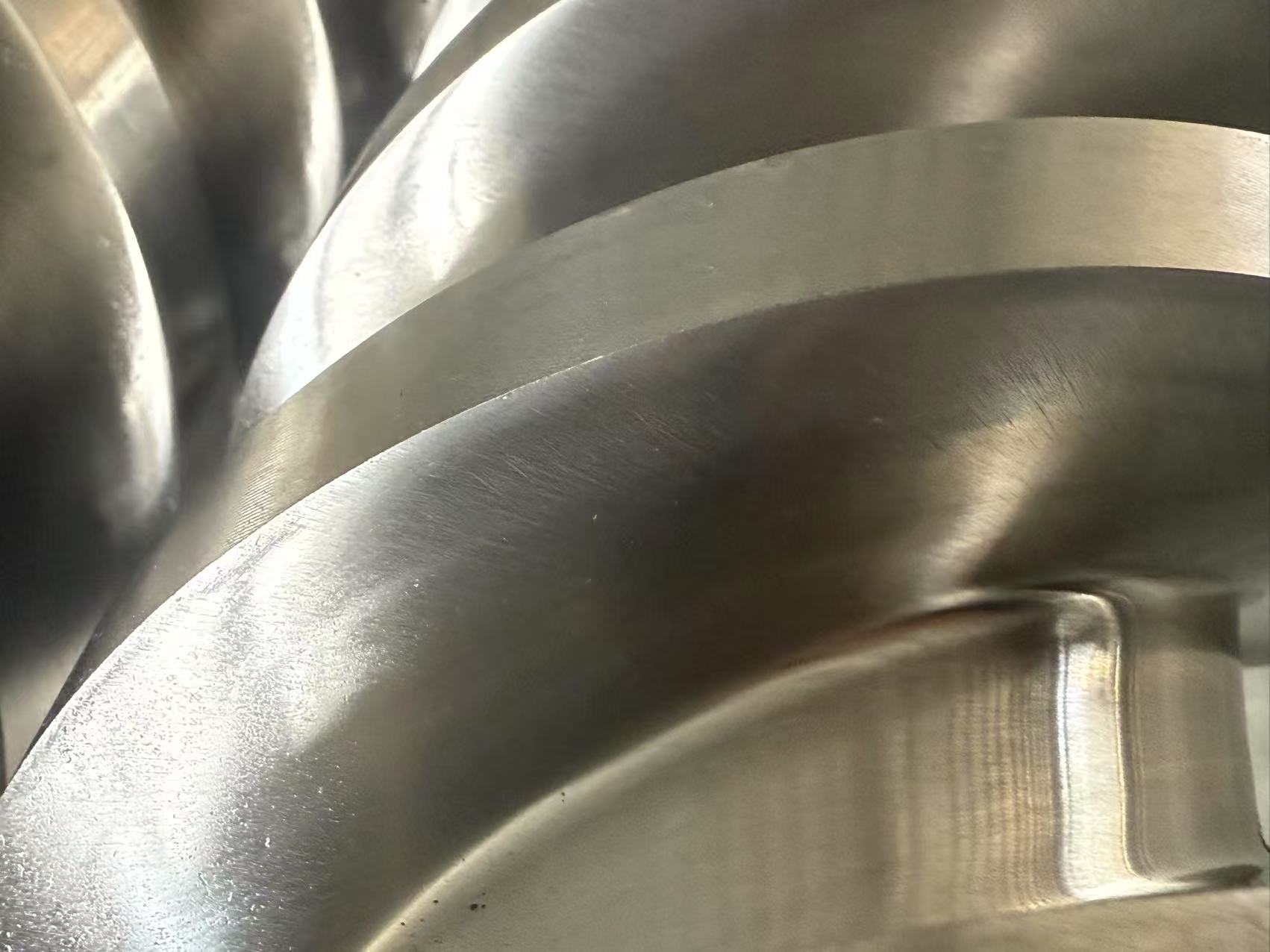
Screw inspection should include flight outside diameter, flight edge condition, root wear, surface scoring, plating or coating condition, and any signs of metal contact. A worn screw running in a worn barrel can hide the true clearance problem until one component is replaced. If only the screw is renewed while the barrel bore remains enlarged, plasticizing performance may still be poor. If only the barrel is renewed while the screw flight OD is below tolerance, the new barrel may not recover stable output. Treat the pair as one working system.
Maintain Heating, Cleaning, and Shutdown Discipline
Confirm Heater Contact and Temperature Control
Barrel maintenance is not only dimensional. Loose heater bands, poor heater contact, damaged thermocouples, insulation loss, and uneven zone control can create melt instability that resembles mechanical wear. During scheduled service, check whether heaters are firmly seated, wiring is protected, zone temperatures respond normally, and the barrel surface has contamination that may reduce heat transfer. Temperature records are useful when they are tied to material, screw speed, back pressure, and recovery time.
Clean Without Damaging the Bore Surface
Cleaning should remove degraded resin without scratching or gouging the bore. Avoid aggressive metal tools unless the procedure is approved for that component and surface condition. Purging, controlled heat, and correct shutdown sequencing reduce carbonized residue and help prevent material from hardening inside the barrel. For long stoppages, add moisture protection, anti-rust measures, and a short restart check. The point is simple: the cleaning method should not create the next wear problem.
Choose Repair, Rebuild, or Replacement With Measurements
Repairable Wear Has Dimensional Limits
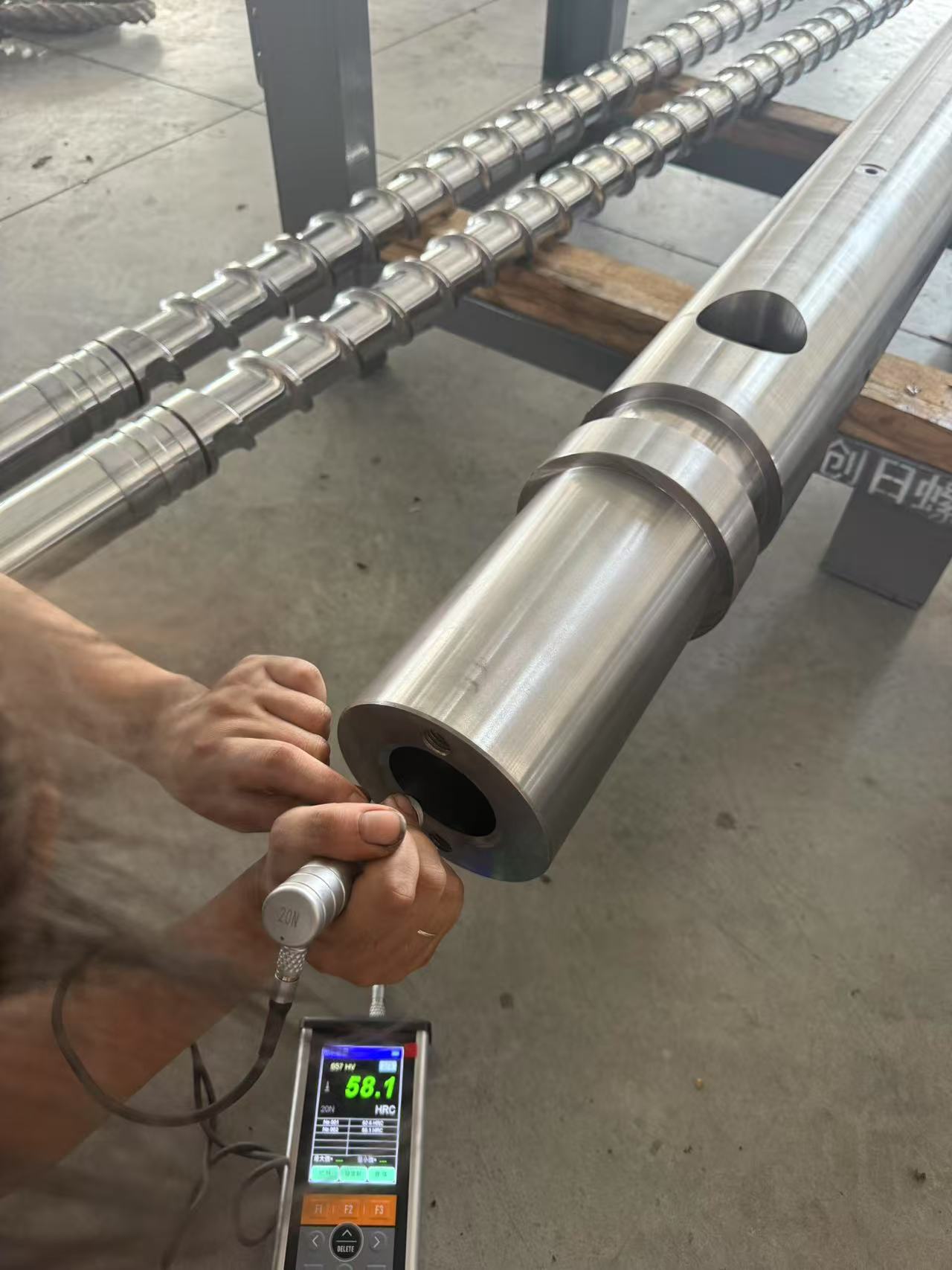
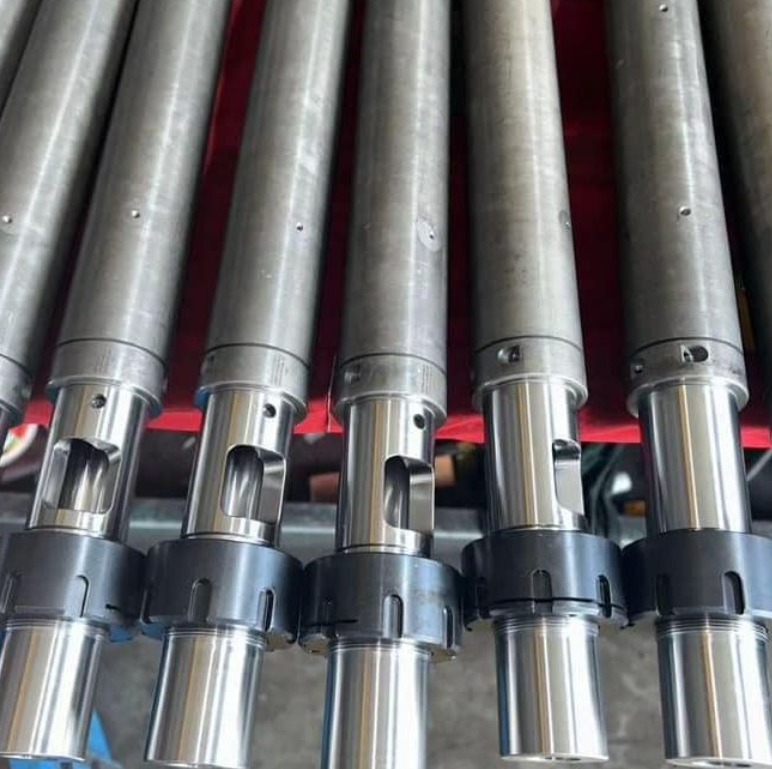
Minor surface damage, controlled bore correction, or a defined screw rebuild may be practical when the base material and geometry are still sound. However, severe bore enlargement, deep scoring, loss of straightness, damaged mounting interfaces, or corrosion that affects strength can make repair uneconomical. Inspection should consider barrel ID, screw OD, concentricity, straightness, hardness, surface condition, and fit after any surface treatment. Where abrasive wear is repeated, a bimetallic barrel may be reviewed as part of the replacement route rather than a simple repair.
Match Wear Protection to the Failure Mode
Wear-resistant choices should match the cause of damage. Nitriding may be suitable for moderate wear conditions, while a nitrided injection molding screw can be relevant when surface hardness and dimensional control fit the resin and operating load. The selection should be based on resin, filler, temperature, pressure, corrosion exposure, wear location, and the condition of the mating screw.
Use a Short Checklist for Injection Moulding Barrels Maintenance
A shop checklist has to be short enough that technicians will actually fill it in, yet detailed enough to compare six months later. Include current resin and filler, machine model, screw size, barrel zones checked, recovery time, shot-weight variation, heater condition, barrel ID readings, screw flight OD readings, clearance calculation, visible surface damage, hardness or treatment notes, and final action. Our team can review drawings, samples, measured dimensions, and wear photos before recommending repair, surface treatment, or replacement. That keeps the maintenance decision tied to evidence instead of guesswork.
Maintenance teams should also keep replaced parts and reports traceable. Mark the date, material run, measured dimensions, and reason for removal. A future inspection becomes much easier when the team can compare the same points rather than starting from memory. Preventive maintenance will not stop wear, but it can turn wear into something measurable, comparable, and easier to correct before production losses become expensive.
FAQ
Q: How often should injection moulding barrels be inspected?
A: Start with resin, filler content, operating temperature, screw speed, back pressure, and wear history. If the barrel runs abrasive or corrosive material, inspect sooner until the plant has a reliable trend. Stable low-wear applications can usually follow a longer scheduled shutdown plan.
Q: What are the main signs that injection moulding barrels may be worn?
A: Watch for longer recovery time, unstable cushion, shot-weight drift, more black specks, inconsistent melt quality, and visible bore or screw surface damage. Treat those signs as a reason to measure the barrel and screw, not as proof of one single fault.
Q: Which measurements matter most for injection moulding barrels?
A: Focus on barrel inside diameter, screw flight outside diameter, calculated screw-barrel clearance, bore ovality, straightness, concentricity, and surface condition. Compare the readings with the original drawing, a known baseline, or an accepted machine standard.
Q: Can worn injection moulding barrels be repaired instead of replaced?
A: Yes, if the base material, bore geometry, mounting interfaces, and mating screw condition are still suitable. Severe bore enlargement, deep scoring, corrosion, or poor straightness often makes replacement the safer route.
Q: How can maintenance records improve injection moulding barrels service life?
A: Records show which resin, filler, temperature, screw speed, back pressure, recovery time, and past repair came before each wear pattern. That history helps teams adjust inspection intervals and choose better wear protection for the next service cycle.

 consult
 WHATSAPP
 leave message
 top
top