Injection Molding Screw and Barrel Materials: A Complete Selection Guide
Related news
Injection Molding Screw and Barrel Materials: A Complete Selection Guide


What Are Injection Molding Screw and Barrel Materials?
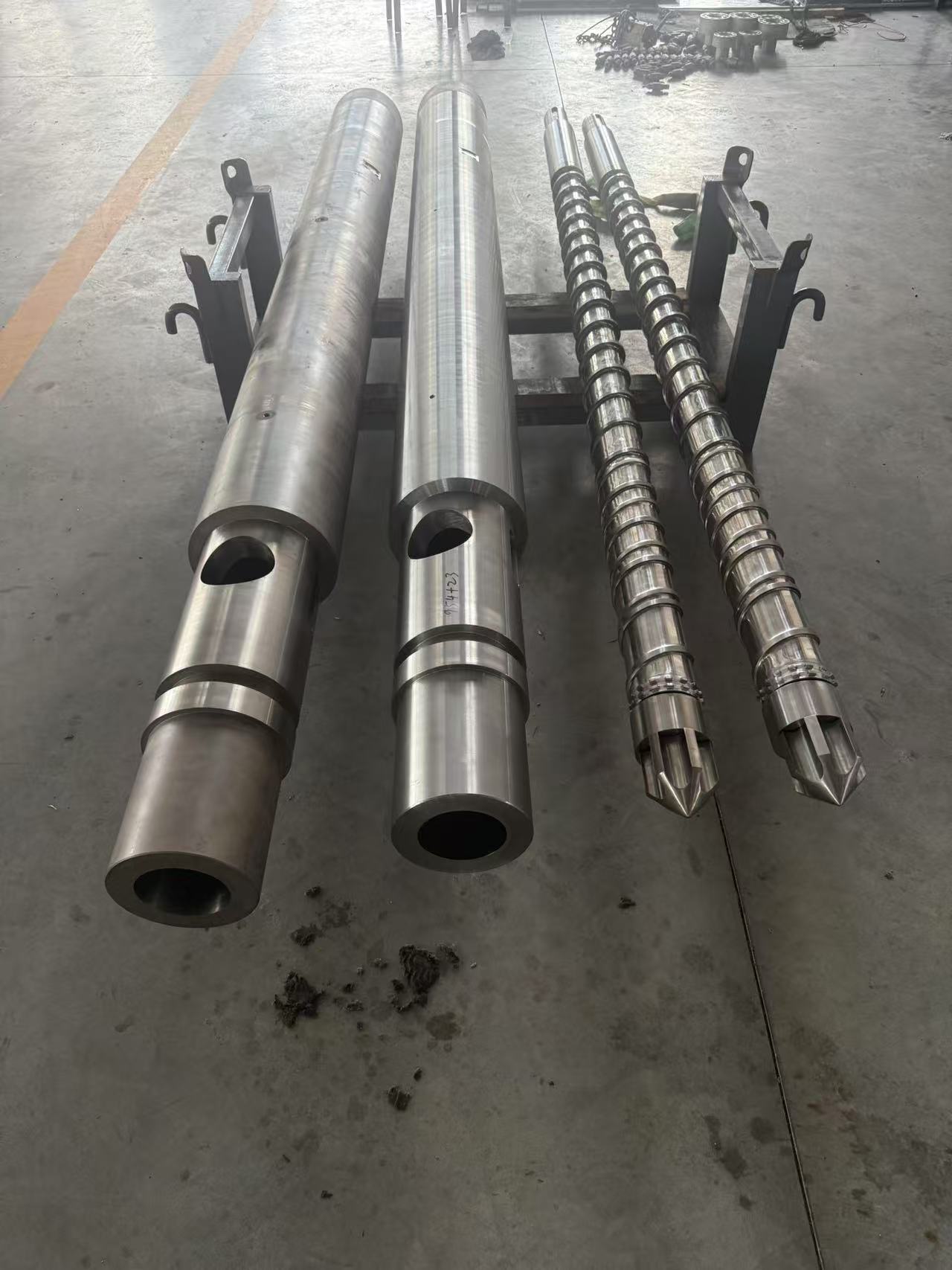
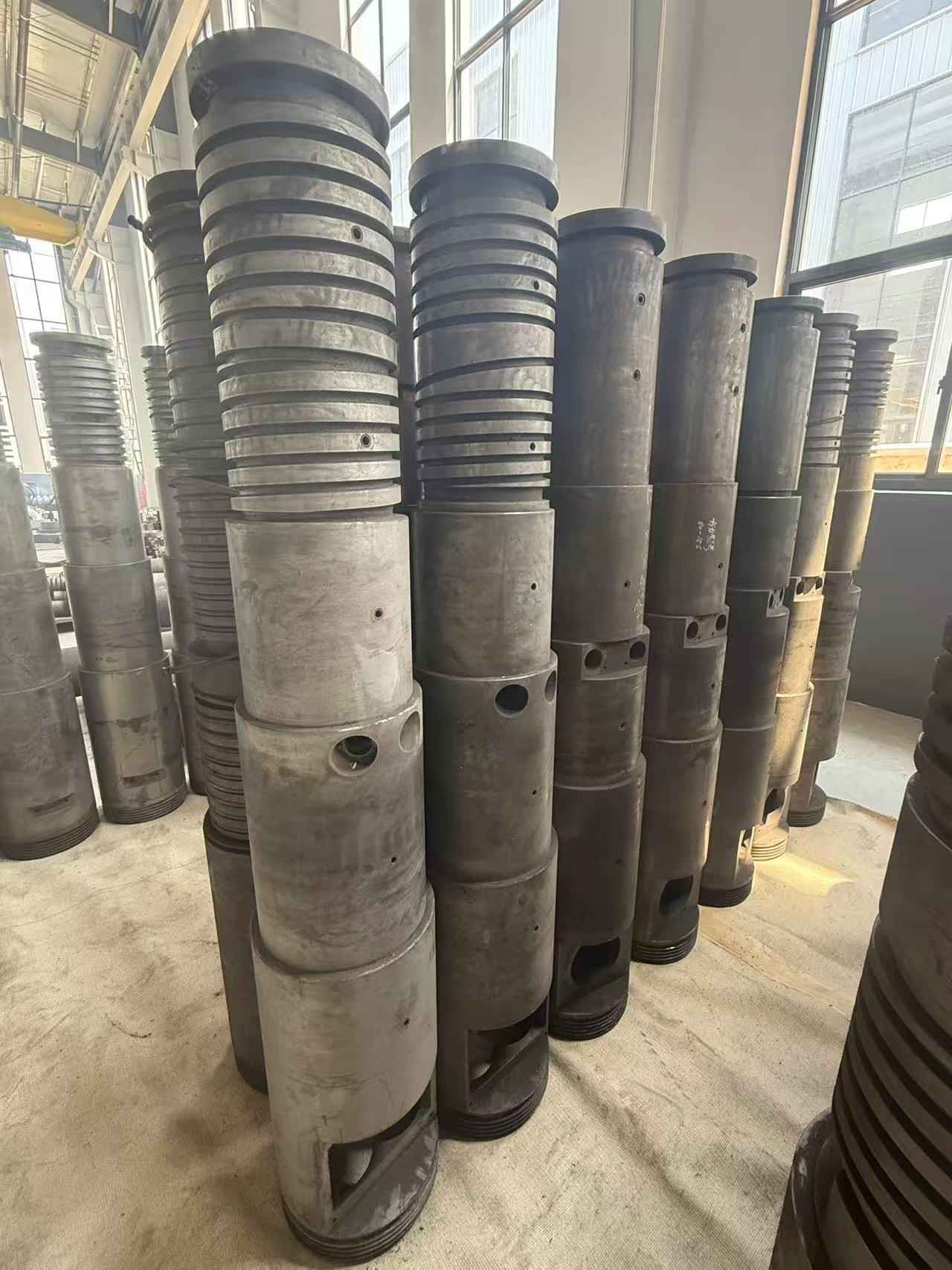
Injection molding screws and barrels form the main parts that handle melting, moving, and mixing materials in the molding job. Many makers pay attention to machine types or mold shapes. However, skilled workers understand that picking the right materials for screws and barrels sets production speed, part uniformity, and upkeep expenses.
Core Functions of Screws and Barrels in Injection Molding
A screw handles three main tasks. It feeds the raw stuff. Then, it melts it with steady heat and friction. Finally, it sends out an even melt. The barrel creates a steady setting for heat and force. Both work together. They make sure output stays even and reliable.
Why Material Selection Directly Affects Performance and Output
Various plastics act in clear ways during work. Take glass fiber-added stuff as an example. It leads to heavy scraping. On the other hand, harsh plastics like PVC can harm basic steel layers. Picking the wrong materials brings problems such as:
-
Rapid wear and frequent replacement
-
Inconsistent melt quality
-
Increased downtime and operational costs
Key Properties: Wear Resistance, Corrosion Resistance, and Thermal Stability
The top features cover:
-
Wear resistance for abrasive fillers
-
Corrosion resistance for chemically aggressive materials
-
Thermal stability for high-temperature processing
At CHUANGRI SCREW, we build materials to match these features. This way, we guarantee solid work in many uses.
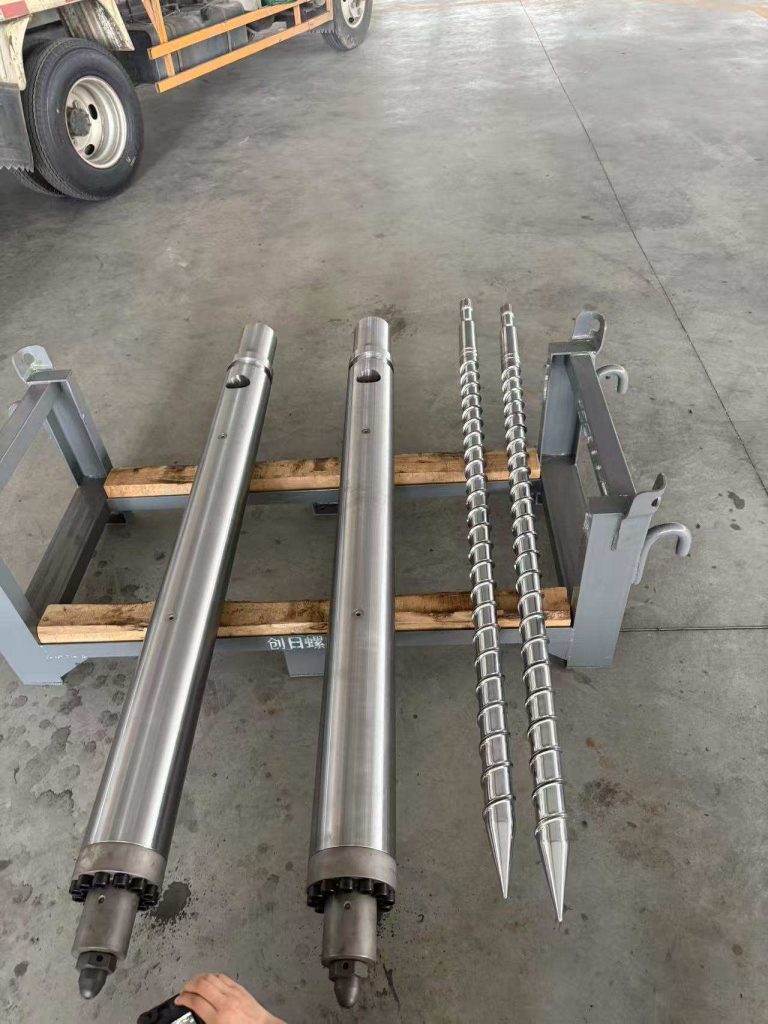
Common Materials for Injection Molding Screws and Barrels
Picking the correct material begins with knowing the choices and their usual uses.
Alloy Steels (38CrMoAlA, 42CrMo, AISI 4140/4340)
These materials see wide use because of their fair price and flexibility.
-
Suitable for general-purpose plastics such as PP, PE, and ABS
-
Often enhanced through nitriding to improve hardness
-
Ideal for standard production environments
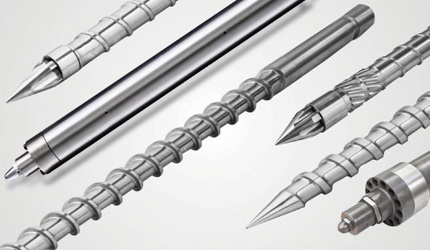
A common case is the Nitrided Injection Molding Screw. It gives a steady mix of work and price for basic jobs.
Tool Steels (H13, D2, SKD61) for High-Temperature Applications
Tool steels suit tougher work settings.
-
Excellent heat resistance and strength
-
Suitable for engineering plastics like PC and PET
-
Longer lifespan under high-temperature conditions
Powder Metallurgy Steels (CPM Series) for Extreme Wear Resistance
These strong materials fit very rough spots.
-
Designed for materials with high glass fiber content
-
Provide superior hardness and structural consistency
-
Reduce wear significantly over time
The Solid Carbide Screw serves as a top choice for these jobs. It deals with tough spots while keeping steady, melting work.
Bimetallic Materials and Tungsten Carbide Coatings
Bimetallic methods matter for hard jobs.
-
Combines a strong base material with a wear-resistant alloy layer
-
Excellent for abrasive and corrosive materials
-
Significantly extends service life
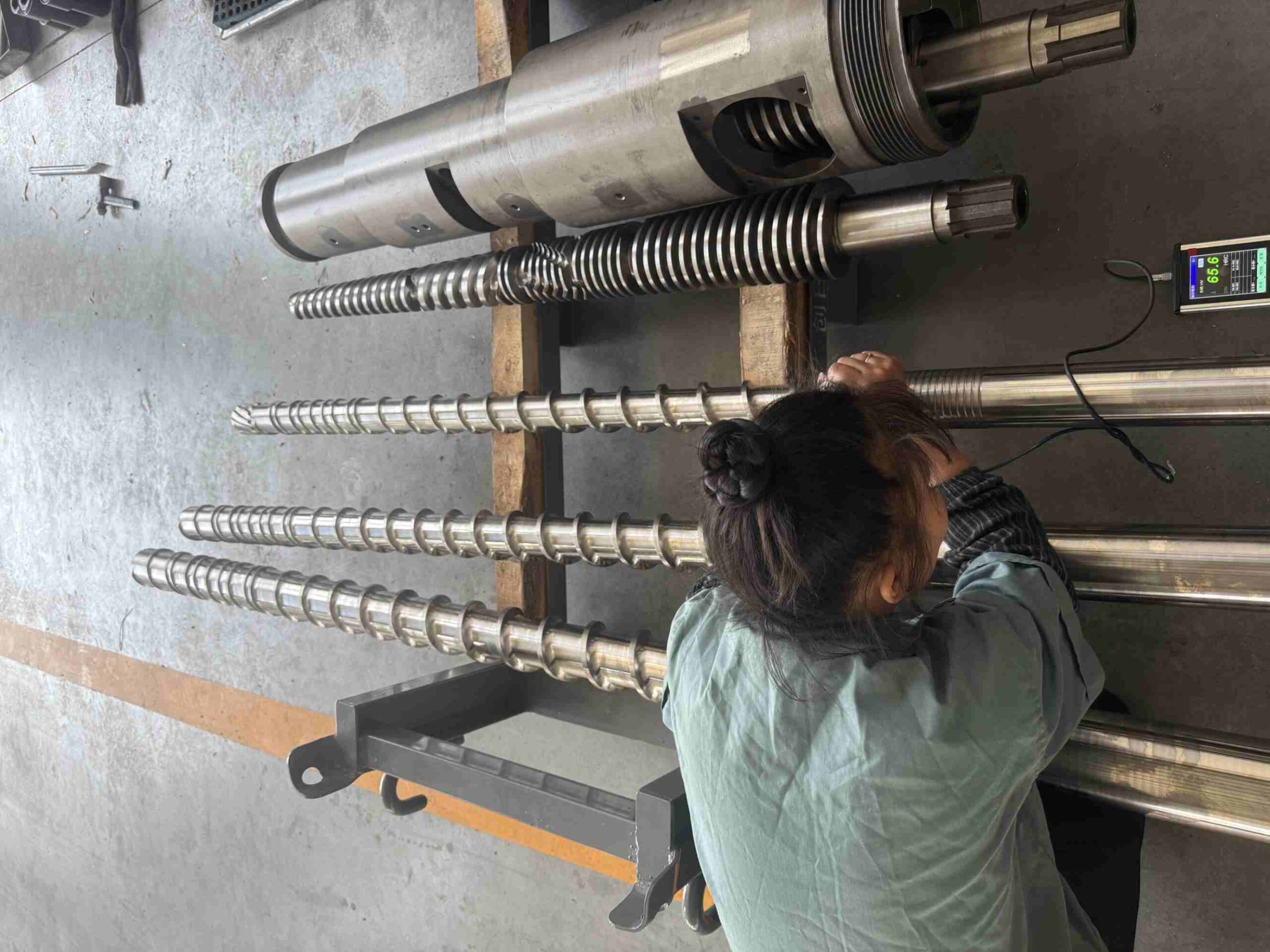
The Bimetallic Injection Molding Screw shines in handling stuff with 15–50% glass fiber. It brings lasting strength and steady cost savings over time.
How to Choose the Best Materials for Injection Molding Screws and Barrels
Selecting the proper material stands as a key choice that shapes work and gains.
Match Materials with Plastic Types (PP, PE, ABS, Engineering Plastics)
| Plastic Type | Recommended Material |
| PP / PE | Nitrided alloy steel |
| ABS / PS | Alloy or tool steel |
| PC / PET | Tool steel (H13, D2) |
| Engineering plastics | Powder metallurgy or bimetallic |
Consider Fillers: Glass Fiber, Calcium Carbonate, Recycled Materials
Fillers raise wear in big ways:
-
Glass fiber → strong abrasive wear
-
Calcium carbonate → continuous friction damage
-
Recycled materials → unpredictable contamination
For these, moving to bimetallic or carbide choices often proves necessary.
Evaluate Processing Conditions: Temperature, Pressure, and Shear
Work settings shape how materials hold up:
-
High temperature → requires thermal stability
-
High shear → increases surface fatigue
-
High pressure → demands structural strength
Balance Cost vs Performance for Long-Term ROI
Look beyond the first price. Think about:
-
Equipment lifespan
-
Maintenance frequency
-
Production downtime
A bit more spending on strong materials usually leads to real savings later.
Surface Treatments That Improve Screw and Barrel Performance
Surface work holds a big part in stretching life and boosting work.
Nitriding Process for Enhanced Surface Hardness
Nitriding makes a tough face layer:
-
Surface hardness can exceed HV900
-
Improves wear and fatigue resistance
-
Cost-effective for general applications
Bimetallic Lining for Wear and Corrosion Resistance
Bimetallic covers give a strong guard:
-
Resistant to abrasion and corrosion
-
Ideal for high-fill materials
-
Maintains structural integrity
Chromium and Special Alloy Coatings for Harsh Environments
Coatings better:
-
Surface smoothness
-
Corrosion resistance
-
Material flow efficiency
How Heat Treatment Improves Screw Durability
Steps like quenching and tempering build inner power. They stop breaking easily. This ensures lasting hold in tough run spots.
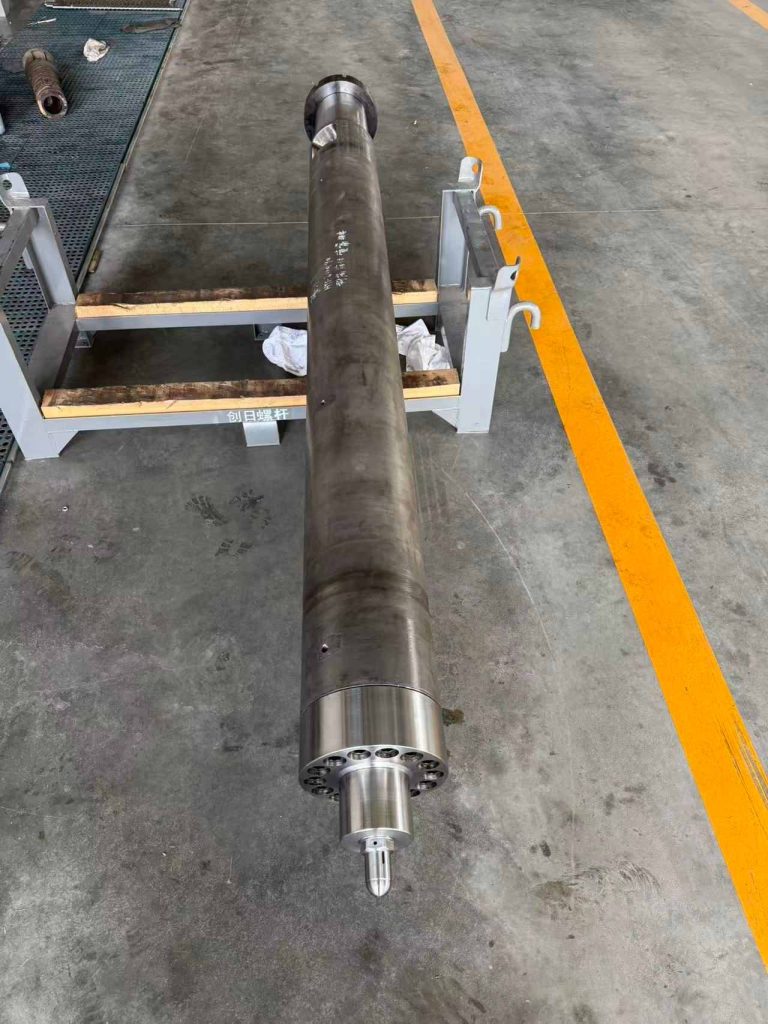
Custom Screw and Barrel Solutions for Different Applications
Basic setups often miss top work in special jobs.
Injection Molding for Automotive, Electronics, and Packaging
Each field needs its own things:
-
Automotive → high durability and wear resistance
-
Electronics → precision and consistency
-
Packaging → high-speed production efficiency
High-Filler and Recycled Material Processing Solutions
Today, we make more use of reused stuff. This calls for:
-
Enhanced wear resistance
-
Improved corrosion protection
-
Stable processing performance
High-Speed and High-Output Production Requirements
Smart screw shapes with tuned materials can:
-
Increase output
-
Improve melt uniformity
-
Reduce energy consumption
Why Customization Improves Efficiency and Product Quality
At CHUANGRI SCREW, we shape screws and barrels to fit exact stuff and work spots. We tune shape, alloy pick, and face work. This helps buyers cut damage, raise melt evenness, and boost output to the max.
Common Mistakes When Selecting Screw and Barrel Materials
Even skilled makers can pick wrong and pay big.
Using Standard Materials for Abrasive or Corrosive Plastics
Basic materials break fast in rough spots.
Ignoring the Impact of Fillers on Screw Wear
Fillers lift damage speeds a lot. They need better materials.
Overlooking Compatibility Between Screw Design and Material
Pick materials that match the screw shape and job needs.
Choosing Low-Cost Materials Without Lifecycle Consideration
Quick saves often bring higher costs later from often changing parts.
Why Material Quality and Manufacturing Matter in Long-Term Performance
Good material alone does not cut it. Making exactness and step watch hold equal weight.
Importance of Precision Machining and Quality Control
High-precision machining ensures:
-
Accurate tolerances
-
Proper fit between the screw and the barrel
-
Consistent production performance
Role of In-House Production in Cost and Consistency
Complete in-house manufacturing allows better control over:
-
Material quality
-
Production timelines
-
Cost efficiency
Evaluating Supplier Expertise and Engineering Support
A reliable partner should provide:
-
Technical consultation
-
Custom design solutions
-
Fast response to production challenges
Long-Term Value Through Engineering and Material Optimization
At CHUANGRI SCREW, we mix strong materials, fine craftsmanship, and build know-how to fix real manufacturing issues. From checking raw stuff to the last put-together, each step gets close watch. This guarantees lasting hold, work, and steadiness.
FAQ
Q: What are the best materials for injection molding screws and barrels?
A: Top materials fit your job. For basic plastics, nitrided alloy steels work well. For rough or harsh stuff, bimetallic or carbide choices give better lasting and longer use time.
Q: How to choose injection molding screw and barrel materials for different plastics?
A: Match materials to plastic kind, filler amount, and work spots. For instance, glass fiber stuff needs damage-hold alloys. Tech plastics might need tool steels.
Q: What is the difference between nitrided and bimetallic screw and barrel materials?
A: Nitrided choices give a tough face for basic jobs. Bimetallic ones add a damage-hold alloy layer. This makes them fit better for rough and harsh spots.
Q: How long do injection molding screw and barrel materials last?
A: Use time changes with the material and the job. Basic screws last for months to some years. Strong ones like bimetallic or carbide stretch a lot.
Q: Why is material selection important for injection molding screws and barrels?
A: Right pick boosts damage hold, keeps part evenness, cuts stop time, and drops full making costs.

 consult
 WHATSAPP
 leave message
 top
top