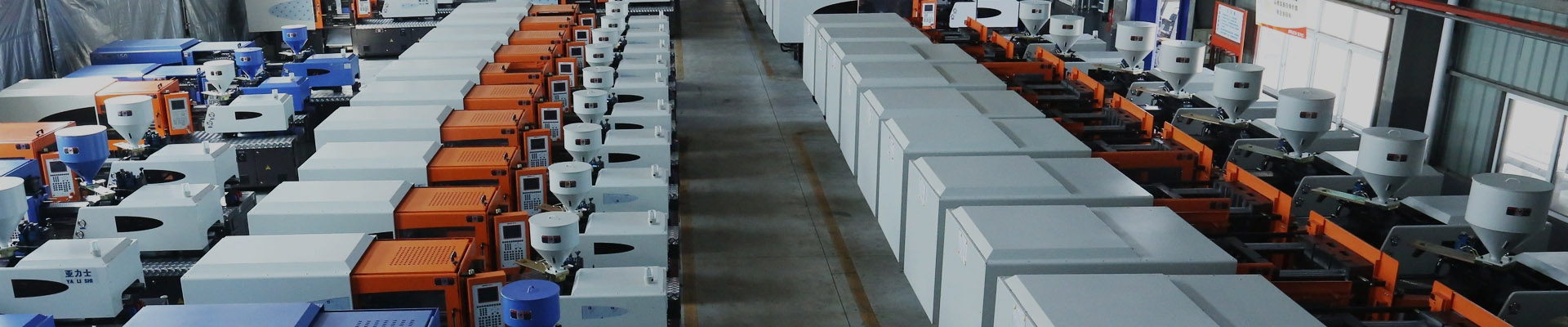
Injection Molding Screw and Barrel Wear in 2026 Causes, Warning Signs, and Practical Fixes
Related news
-
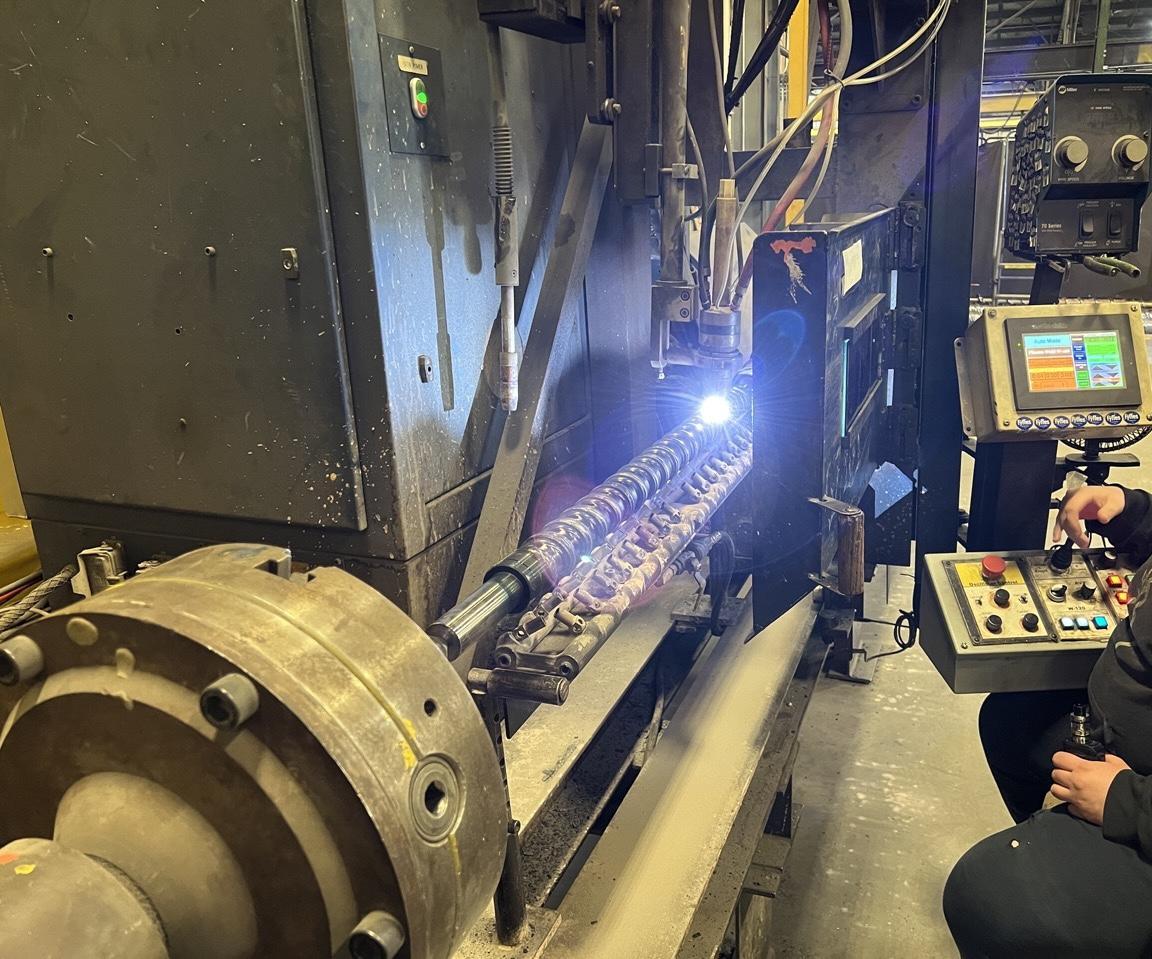
Key Factors to Consider When Selecting a Screw and Barrel Manufacturer
-
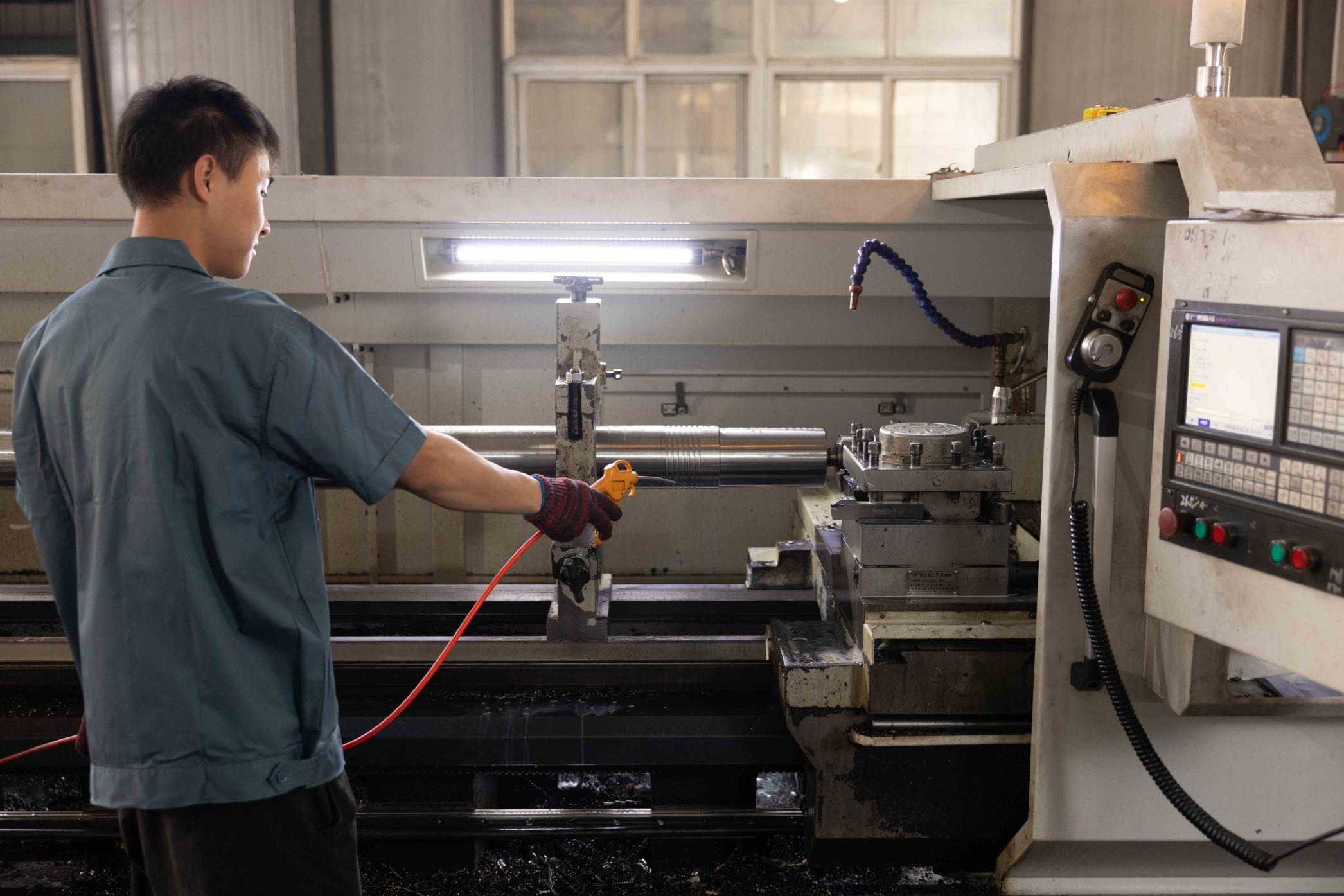
Twin Screw and Barrel Optimization for WPC, SPC, and PVC Extrusion Lines
-
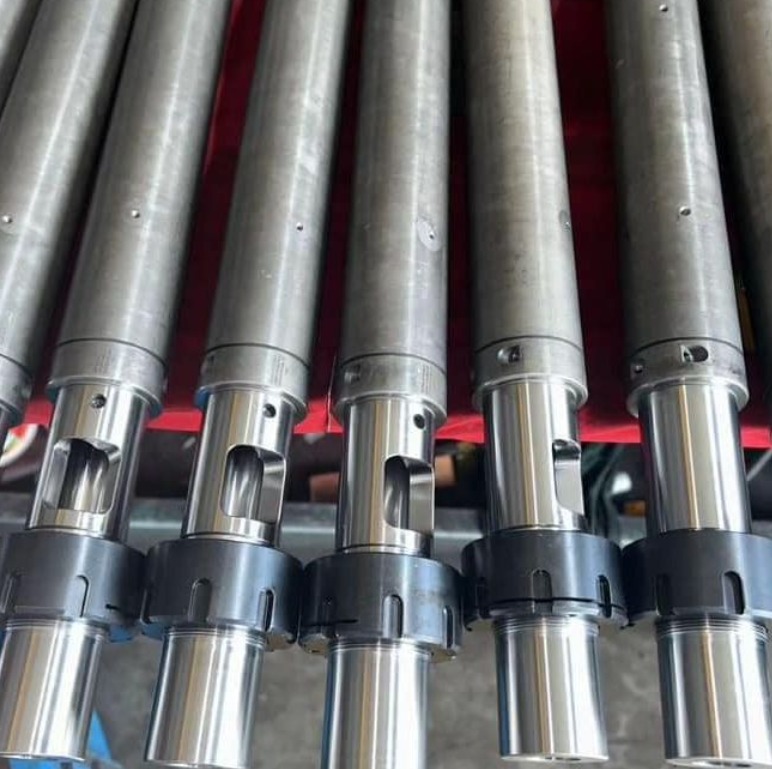
Injection Molding Screw and Barrel: The Selection Criteria in 2026
-
Bimetallic Screw Barrel Material for High-Wear Extrusion and Injection

-
The Science Behind Bimetallic Screw Barrel Durability and Longevity
-
Top Injection Molding Screw and Barrel Suppliers 2026
Injection Molding Screw and Barrel Wear in 2026 Causes, Warning Signs, and Practical Fixes


Injection molding machines play a vital role in fields like automotive, electronics, packaging, and medical devices. Yet, screw and barrel wear remains a persistent issue for producers. With growing production needs, keeping these parts durable is key to upholding quality and cutting downtime. In this post, we will look at the reasons for screw and barrel wear. We will also cover detection methods and simple solutions for steady work in 2026.
What Is Injection Molding Screw and Barrel Wear?
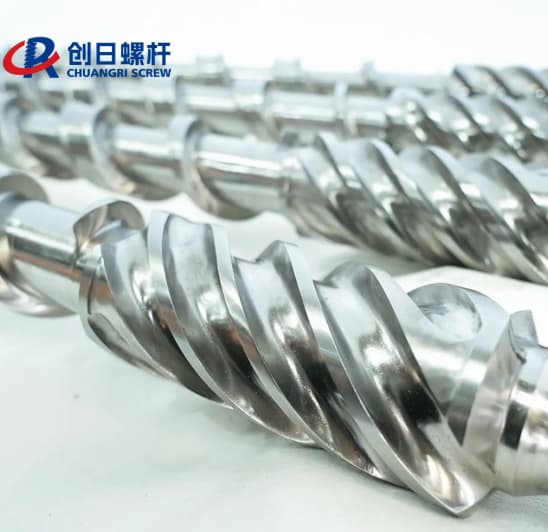
How the Injection Molding Screw and Barrel Work Together
During injection molding, the screw and barrel handle key tasks. They plasticize the material. They ensure even melt quality. And they support smooth material flow. The screw has three primary jobs.
- First, it moves the material from the hopper.
- Next, it melts the material by creating heat.
- Finally, it measures the material precisely for injection into the mold.
Additional functions of the barrel:
- The barrel aids the screw by offering a managed heating area.
- It also assists the screw in building the required pressure for injection.
If the screw or barrel wears out, problems arise in production. These include uneven melt temperature. They also cover weak plasticizing and flaws in the molded items.
Common Types of Screw and Barrel Wear in Injection Molding
Screw and barrel wear usually divides into three kinds.
|
Wear Type |
Common Causes |
Visible Impact |
|
Abrasive Wear |
Glass fiber, mineral fillers |
Reduced lifespan, rough surfaces, poor melt quality |
|
Corrosive Wear |
Aggressive resins, high-temperature plastics |
Pitting, rust, reduced efficiency |
|
Adhesive Wear |
Long residence time, improper screw design |
Material buildup, increased friction |
Each of these wear types lowers output. It raises upkeep expenses. And it harms the quality of molded products.
Main Causes of Injection Molding Screw and Barrel Wear
Abrasive Wear from Glass Fiber, Mineral Fillers, and Recycled Resin
Glass fiber and mineral fillers boost plastic traits. They are common in compounding. But they scratch surfaces harshly. This leads to notable damage to screw flights and barrel liners. Recycled resin adds to the issue, too. If it holds dirt or tough bits, it worsens the scratching.
Corrosive Wear from High-Temperature or Chemically Active Plastics
Some plastics harm metal parts. PVC, flame-retardant types, and engineering resins fall into this group. They erode screw and barrel surfaces over time. This causes pits, rust, and general weakening. High-heat resins speed up the damage. They do so especially where material touches the barrel walls directly.
Mechanical Wear from Misalignment, Poor Clearance, and Cold Starts
Mechanical faults cause screw and barrel wear as well. These include misalignment and bad spacing between the screw and barrel. Misalignment spreads pressure unevenly. As a result, it boosts rubbing and damage in certain spots. Cold starts harm too. In these cases, the screw lacks full heat before running. Thus, material moves roughly through the barrel, increasing wear.
Warning Signs of a Worn Injection Molding Screw and Barrel
Processing Symptoms: Longer Recovery Time and Unstable Shot Size
The earliest clue of wear is a longer recovery time. This means the machine takes more time per material shot. Consequently, output efficiency drops. You might also see shaky shot size and weight. Such changes create molded parts with uneven traits.
Product Quality Symptoms: Black Specks, Burn Marks, Bubbles, and Poor Surface Finish
Wear advances and affects the melted plastic. Black specks show up on part surfaces. Burn marks appear, too. Bubbles form as well. These flaws stem from uneven flow. They also come from bad melt heat control and weak mixing. In bad cases, part surfaces turn coarse or bumpy.
Machine Symptoms: Noise, Vibration, Overheating, and Energy Increase
A damaged screw and barrel create odd sounds and shakes while running. Uneven wear causes this. So does misalignment or tight spacing. Moreover, wearing sparks extra heat from rubbing. This overheating raises the machine’s energy use. In turn, running costs climb.
How to Inspect Injection Molding Screw and Barrel Wear
Measure Screw Flight Diameter and Barrel Bore Wear
Checking the screw flight diameter and barrel bore is vital for spotting wear. Worn flights disrupt material flow. This results in weak plasticizing and spotty output.
Check Non-Return Valve, Screw Tip, and Nozzle Components
Inspect other parts for damage too. These include the non-return valve, screw tip, and nozzle. They control material movement. They also stop leaks. Without them working right, pressure drops. The injection becomes uneven.
Use Maintenance Records to Judge Wear Trends
Keep thorough production logs. They reveal wear habits. Track resin kinds, shot numbers, and work settings. This way, you predict upkeep needs. It cuts surprise stops.
Practical Fixes for Injection Molding Screw and Barrel Wear
When to Repair, Rebuild, or Replace the Screw and Barrel
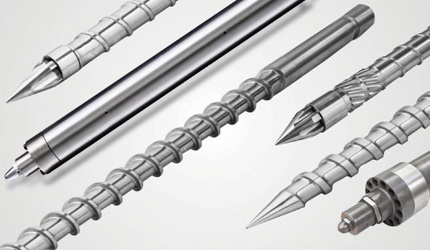
Light wear often fixes with polishing or coating. Heavier damage needs rebuilding or new parts. Nitrided injection molding screws, for instance, fit basic uses. Bimetallic Injection Molding Screws handle rough materials well. In tough spots, solid carbide screws perform best.
Choose Nitrided, Bimetallic, or Solid Carbide Screw and Barrel Solutions
Picking the proper screw and barrel material lengthens their life. Our nitrided screws work for easy tasks. Bimetallic screws provide strong, lasting power against scratching. For tough jobs, solid carbide screws resist wear most effectively.
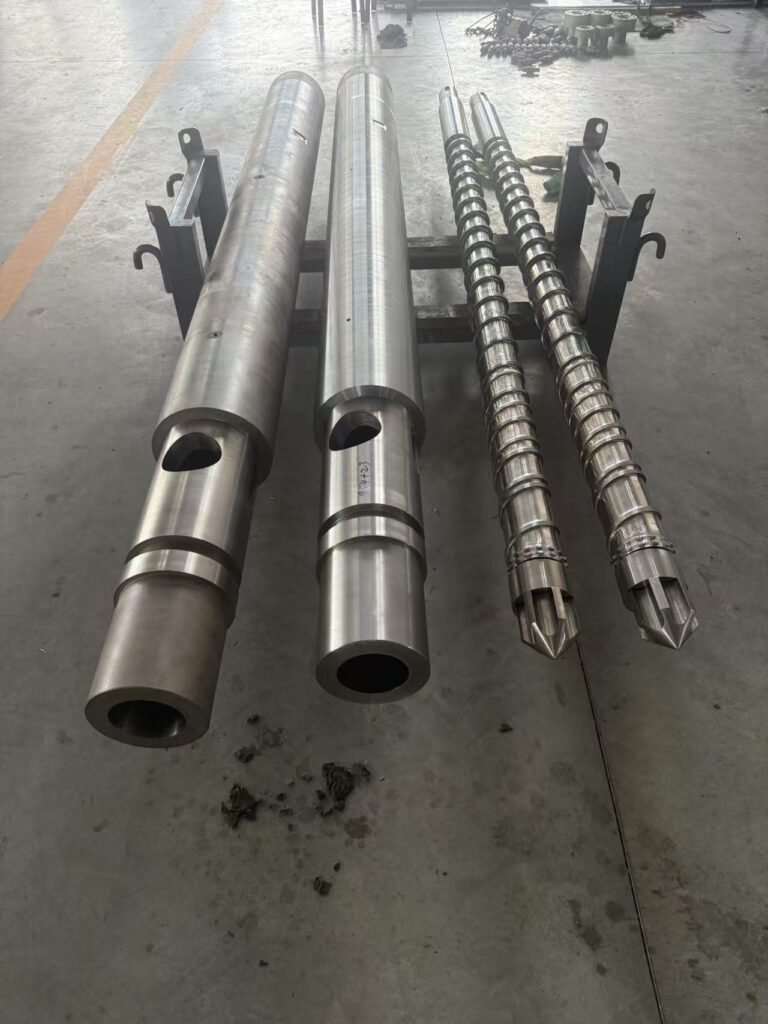
Optimize Screw Design for Resin, Filler, and Output Requirements
Tailor screw design to resin type, filler amount, and output needs. CHUANGRI SCREW supplies custom screws for various materials and methods. These help curb wear. They also lift production flow.
How to Prevent Premature Injection Molding Screw and Barrel Wear
Match the Screw and Barrel Material to the Resin Formula
Pair screw and barrel materials with the resin mix to limit wear. For glass-filled or scratch-heavy items, pick CHUANGRI SCREW bimetallic or solid carbide screws. Nitrided parts suit everyday plastics.
Control Start-Up, Temperature, and Purging Procedures
Good start-up and purging steps avoid extra wear. Heat the machine fully before starting. Follow purging rules closely. This stops material piles. It also lowers rubbing that causes damage.
Build a Preventive Maintenance Schedule for Injection Molding Machines
Set up a routine upkeep plan. Its spots wear off soon. And it prevents expensive breaks. Check screw spacing, melt heat, and machine output regularly. This catches problems early, before failure hits.
FAQ
Q: How do I know if my injection molding screw and barrel are worn?
A: Signs of wear include inconsistent shot size, longer recovery times, surface defects like black specks or burn marks, and abnormal machine vibrations.
Q: What causes screw and barrel wear in injection molding?
A: Wear is caused by abrasive fillers, corrosive plastics, poor clearance, cold starts, and misalignment between the screw and barrel.
Q: Can a worn screw cause black spots or burn marks?
A: Yes. Uneven plasticizing happens due to screw and barrel wear. Poor melt quality follows. This leads to black spots and burn marks on the molded parts.
Q: Should I repair or replace a worn injection molding screw and barrel?
A: Light wear fixes easily with polishing or coating. But heavy wear needs more. Rebuilding may work. Or replacing the screw and barrel restores top performance.
Q: How often should injection molding screw and barrel wear be inspected?
A: Experts suggest checking screw and barrel wear every 6 to 12 months. Base it on the output amount and the material kind. Steady checks spot early wear signs. They do so before issues hit production.

 consult
 WHATSAPP
 leave message
 top
top