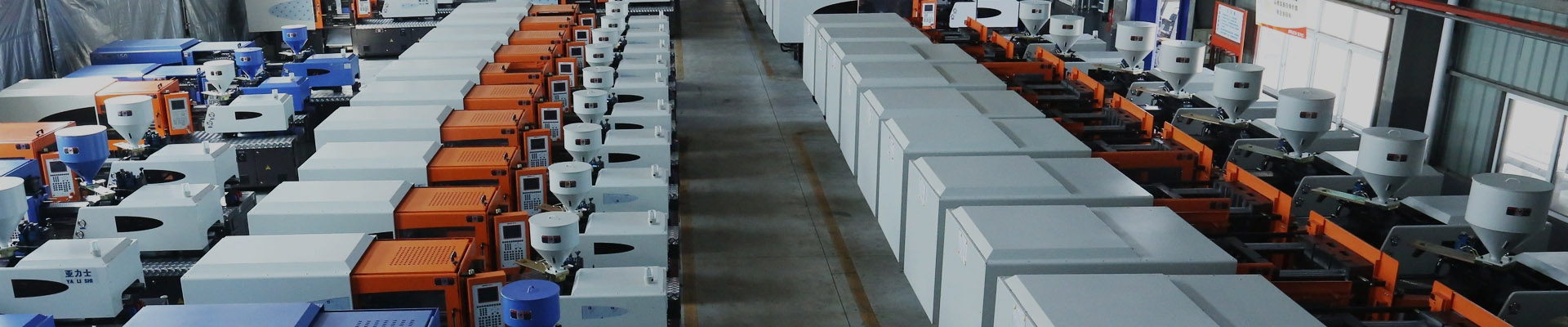
OEM Injection Molding Screw Design: Customizing for High Yield
Related news
-
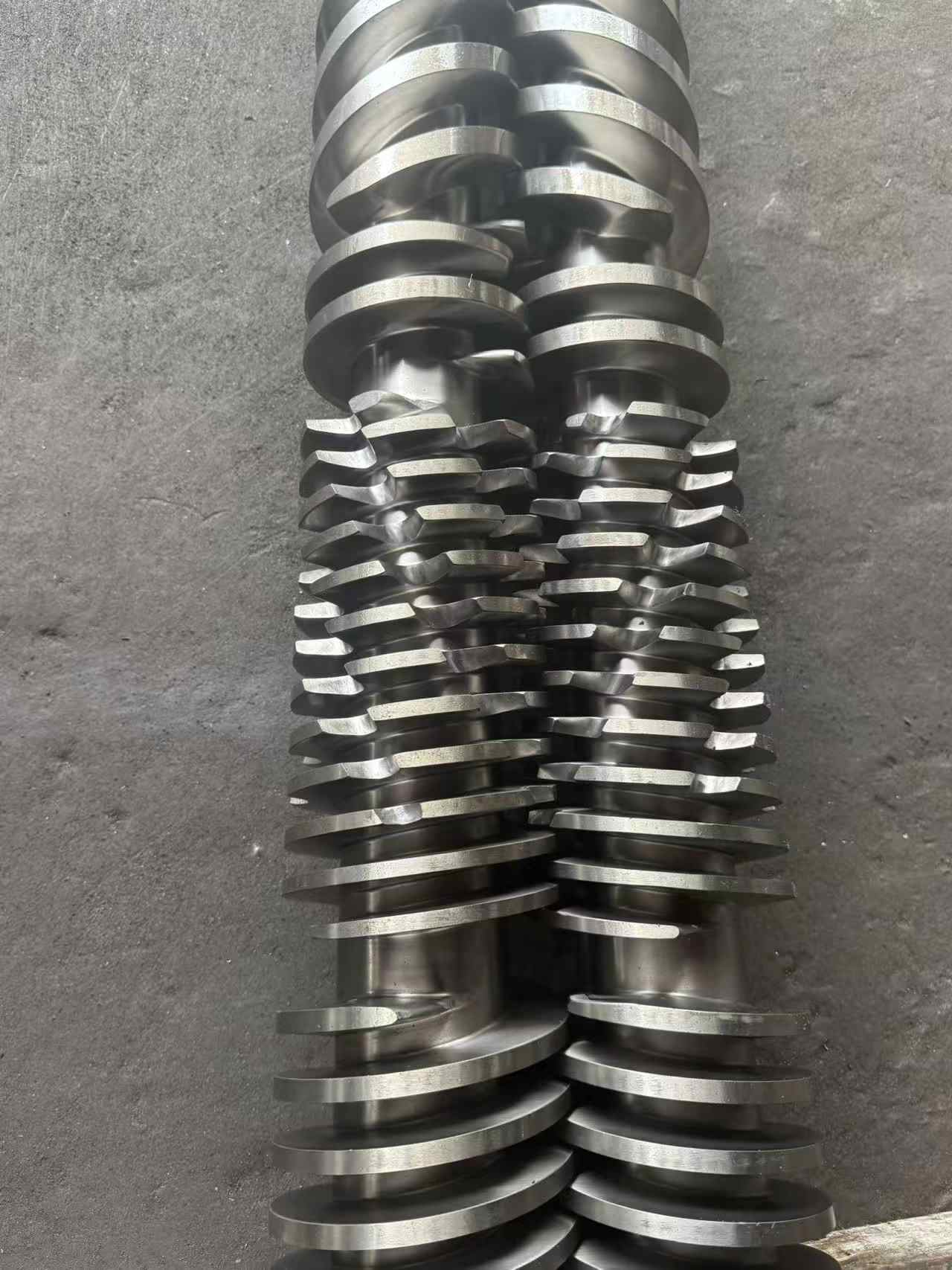
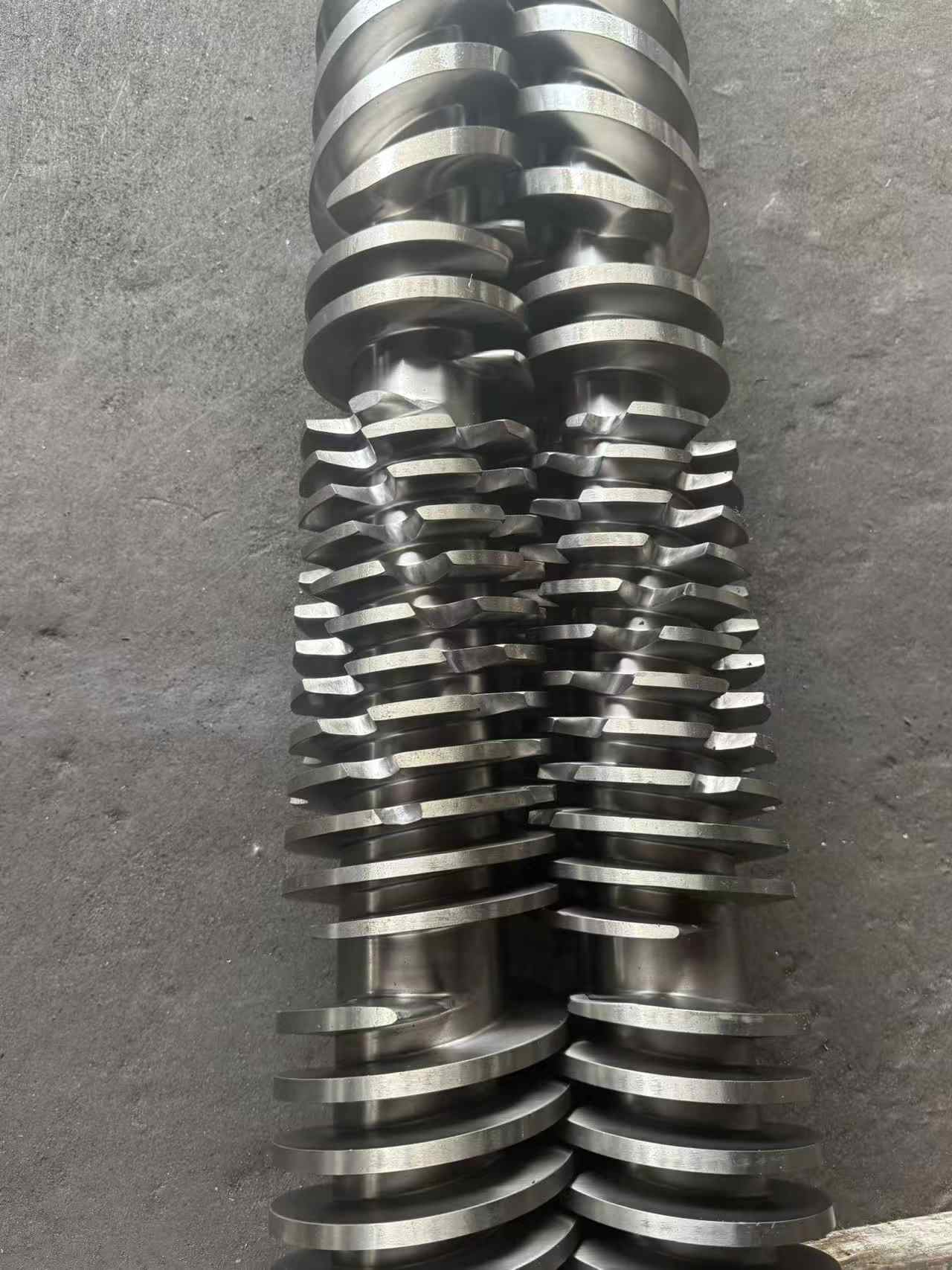
Twin Screw and Barrel Types Explained: Parallel vs Conical
-
Twin Screw and Barrel Performance Comparison: Nitrided vs Bimetallic
-
Align Extruder Systems for Maximum Output and Minimum Downtime
-
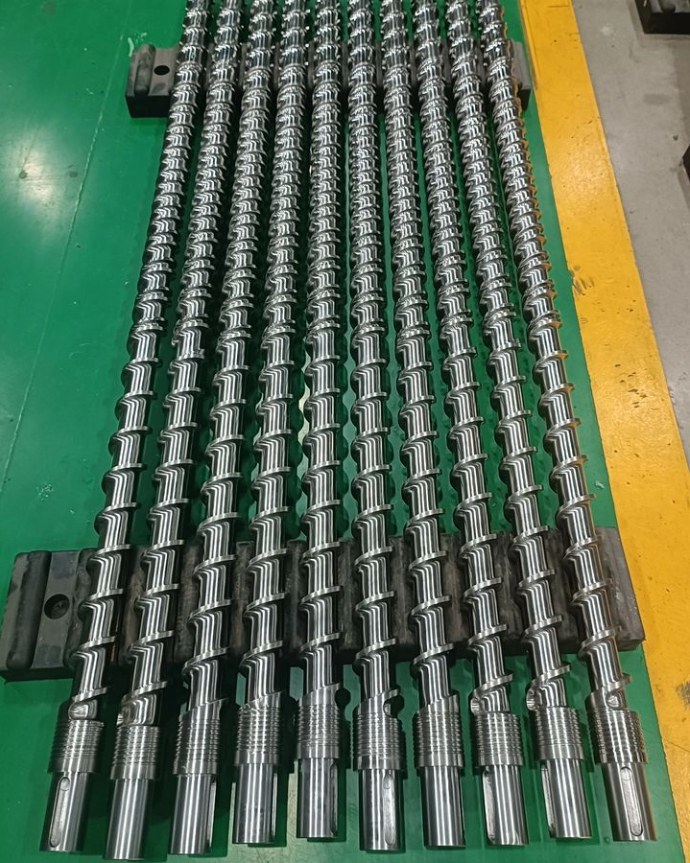
OEM Injection Molding Screw Design: Customizing for High Yield

-
Types of Screw in Injection Molding: How to Choose the Best Fit
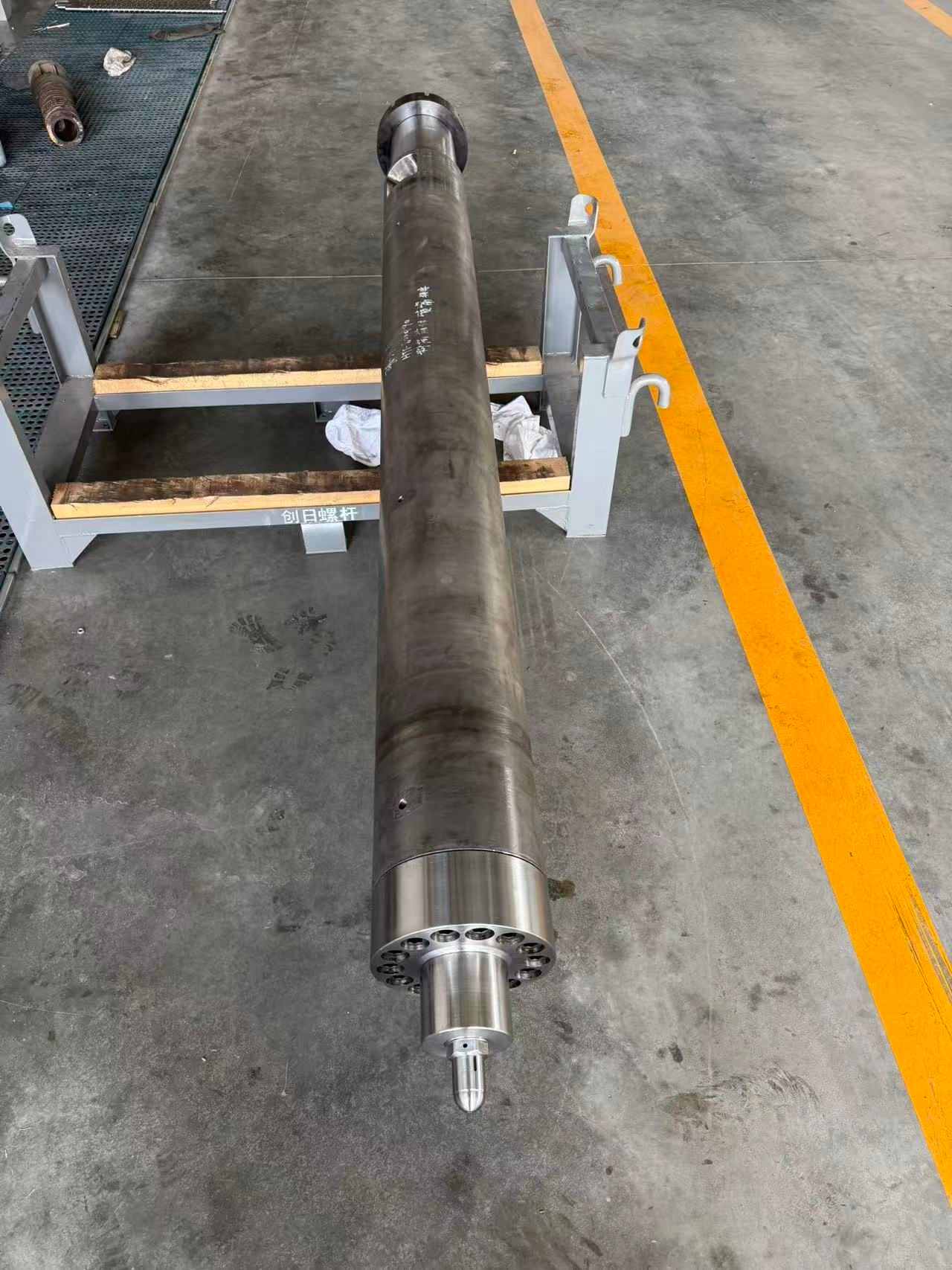
OEM Injection Molding Screw Design: Customizing for High Yield


The OEM injection molding screw is more than just another part that needs to be replaced. It controls the flow, melting, mixing, and measuring of the resin prior to every injection process. In case of a perfect match between the type of screw used, the type of resin, the amount of filler used, the type of machine, and the goal of production, then injection molding can proceed smoothly without any major issues. Otherwise, the process of injection molding becomes extremely difficult for the molder.
Customized screws give high-quality production because they provide an effective melt for the high-yield production process. This ensures stability during cycles. At the same time, they enhance product quality by using means other than temperature and back pressure alone.
Why OEM Injection Molding Screw Design Matters for High-Yield Production
A standard injection molding screw can work with common plastics. Yet it may not fix specific application problems. A custom OEM injection molding screw is built to match real production conditions. These conditions include resin type, filler percentage, screw diameter, shot weight, cycle target, and wear history.
Standard Injection Molding Screws vs Custom OEM Injection Molding Screws
Standard screws offer broad-use solutions. Custom OEM screws are made to fit one specific machine and material. This difference matters for engineering plastics, reinforced compounds, recycled blends, and heat-sensitive resins. In these cases, plasticizing stability directly affects yield.
How Screw Design Affects Melt Quality, Cycle Stability, and Part Consistency
If the screw melts resin in an uneven way, the mold receives material with different temperatures and viscosities. This situation can cause dimensional variation. It can also lead to weak weld lines, visual defects, and unstable shrinkage. A better-matched screw creates a wider and more repeatable processing window.
Key Injection Molding Screw Design Factors That Shape Output
High yield depends on repeatable melt preparation. Screw geometry decides how consistently material moves through the barrel.
Feed, Compression, and Metering Zones in Injection Molding Screw Design
|
Screw Zone |
Function |
Yield Impact |
|
Feed zone |
Moves solid pellets |
Supports stable recovery |
|
Compression zone |
Melts and compresses resin |
Reduces unmelted particles |
|
Metering zone |
Stabilizes melt |
Improves shot consistency |
Screw Diameter, L/D Ratio, Compression Ratio, and Shot Size Matching
A screw that is too large can create a long residence time. This may lead to degradation. A screw that is too small may need excessive speed or back pressure. Proper OEM injection molding screw design should match the diameter, L/D ratio, compression ratio, and shot size together.
Mixing Performance, Shear Control, and Screw Recovery Time
Good mixing does not mean maximum shear. The goal is controlled plasticizing. This means enough mixing for a uniform melt. At the same time, it avoids too much shear that damages heat-sensitive plastics or breaks glass fibers.
How to Customize an OEM Injection Molding Screw for Different Resins
Customization should begin with resin behavior. It should not start only with screw dimensions.
General-Purpose Plastics: PP, PE, ABS, PS, PC, PET, and AS
For common plastics, stable feeding, complete melting, and consistent metering remain the main priorities. A Nitrided Injection Molding Screw works well for general-purpose plastics and materials with 10–15% glass fiber. It gives practical wear resistance for everyday molding.
Glass-Filled and Abrasive Materials: When to Choose Wear-Resistant Screw Design
Glass fiber and mineral fillers speed up screw wear. A Bimetallic Injection Molding Screw suits general-purpose plastics and materials with 15–50% glass fiber. It helps keep plasticizing efficiency and output stability over time.
Heat-Sensitive or High-Speed Molding: Balancing Plasticizing Performance and Low Shear
In case of temperature sensitivity and fast molding, there should be less shear in the design of the screw. On the other hand, recovery needs to remain constant. In this context, coated injection molding screw may prove useful for improving surface finish, adhesion, and wearability.
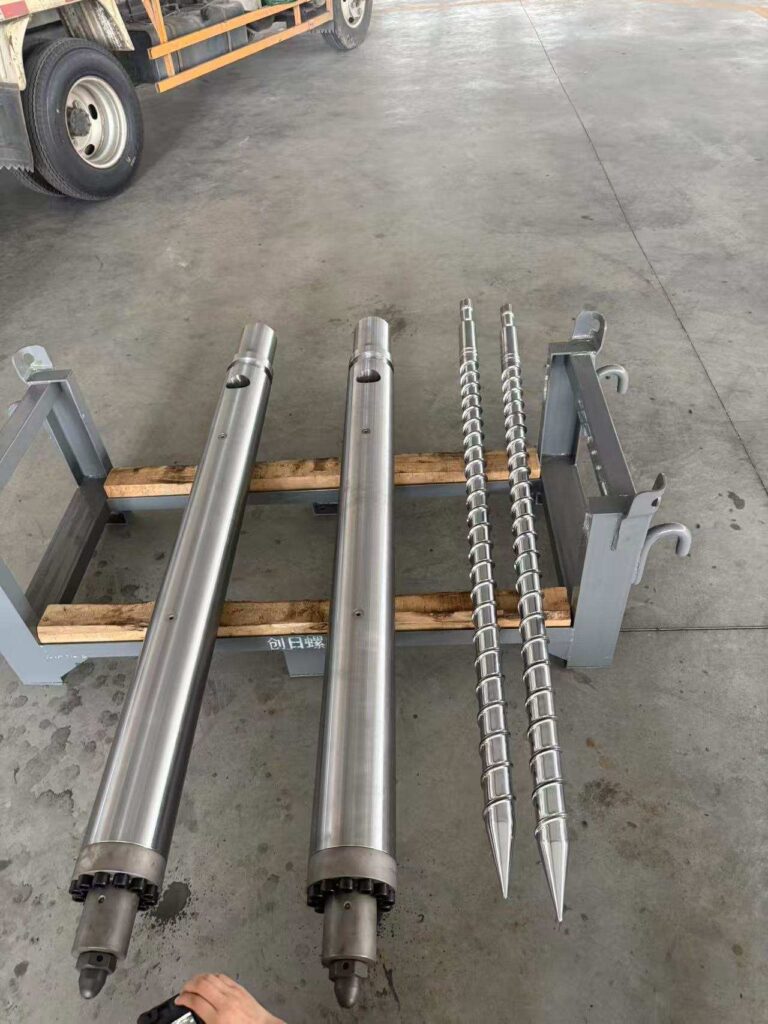
Material and Surface Treatment Options for Custom Injection Molding Screws
Geometry improves processing. Material and treatment protect performance over a long period.
Nitrided Injection Molding Screw for General Plastic Processing
A nitrided injection molding screw offers a balanced choice for common plastic molding. These applications include household items, electronic products, automotive parts, packaging, toys, agricultural tools, and pipe fittings.
Bimetallic Injection Molding Screw for Glass Fiber and Abrasive Compounds
A Bimetallic Injection Molding Screw delivers stronger wear resistance for reinforced compounds. Reducing wear-related clearance changes helps preserve metering stability and melt quality.
Solid Carbide and Coated Injection Molding Screw for Demanding Applications
A solid carbide screw can process materials with up to 75% glass fiber. This makes it suitable for demanding reinforced plastic molding. Coated screws prove useful where smoother surfaces and corrosion resistance are needed.
OEM Injection Molding Screw Customization Process for Better Yield
A successful custom screw project starts with process diagnosis.
Start with Resin, Product Defects, Machine Model, and Production Goals
Before designing an OEM injection molding screw, engineers should review resin type, filler content, common defects, screw recovery time, machine model, shot size, and wear position.
Match Screw Geometry with Barrel Fit, Nozzle, Screw Tip, and Processing Window
The screw must work together with the barrel, nozzle, screw tip, and machine conditions. Excessive barrel wear or poor fit clearance can reduce the benefit of a new screw.
How CHUANGRI SCREW Supports Custom Screw Design and Manufacturing
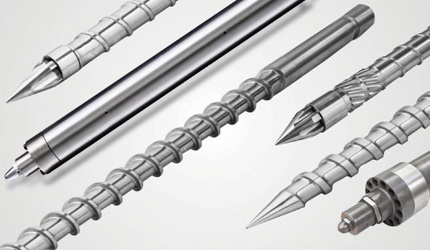
At CHUANGRI SCREW, we design and manufacture screws and barrels for plastic extrusion and injection molding. We review the customer’s resin, machine requirements, production issues, and performance goals first. After that, we recommend a structure and material solution. Our injection molding screw options include nitrided injection molding screw, bimetallic injection molding screw, solid carbide screw, and coated injection molding screw.
Manufacturing Precision and Quality Control Behind a High-Yield Injection Molding Screw
Precision manufacturing decides whether the design performs reliably in production.
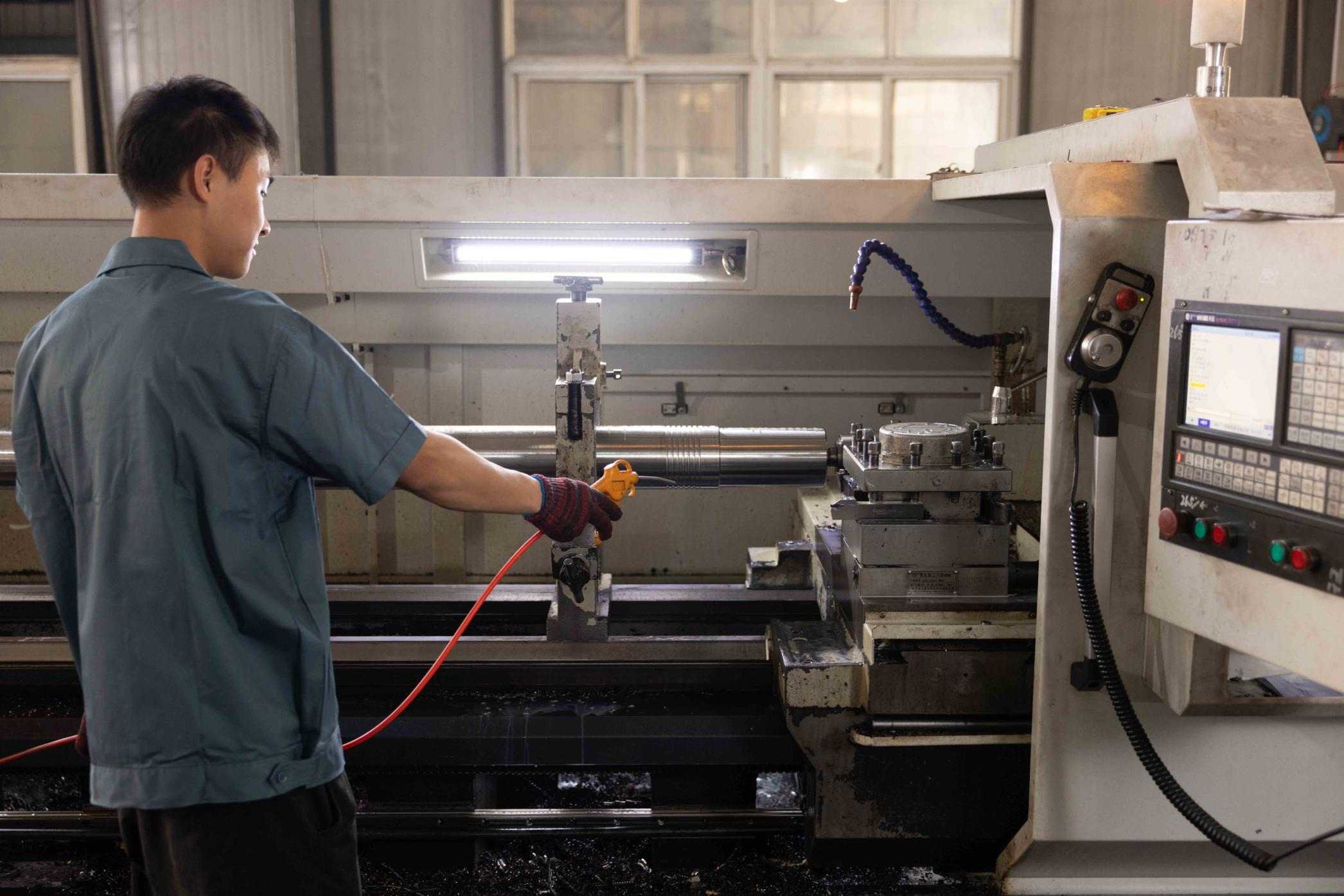
CNC Thread Milling, Grinding, Polishing, and Surface Finish Control
CNC machining, thread milling, grinding, and polishing help form accurate screw profiles. They also create smoother surfaces. These smoother surfaces reduce resin adhesion and support cleaner melt flow.
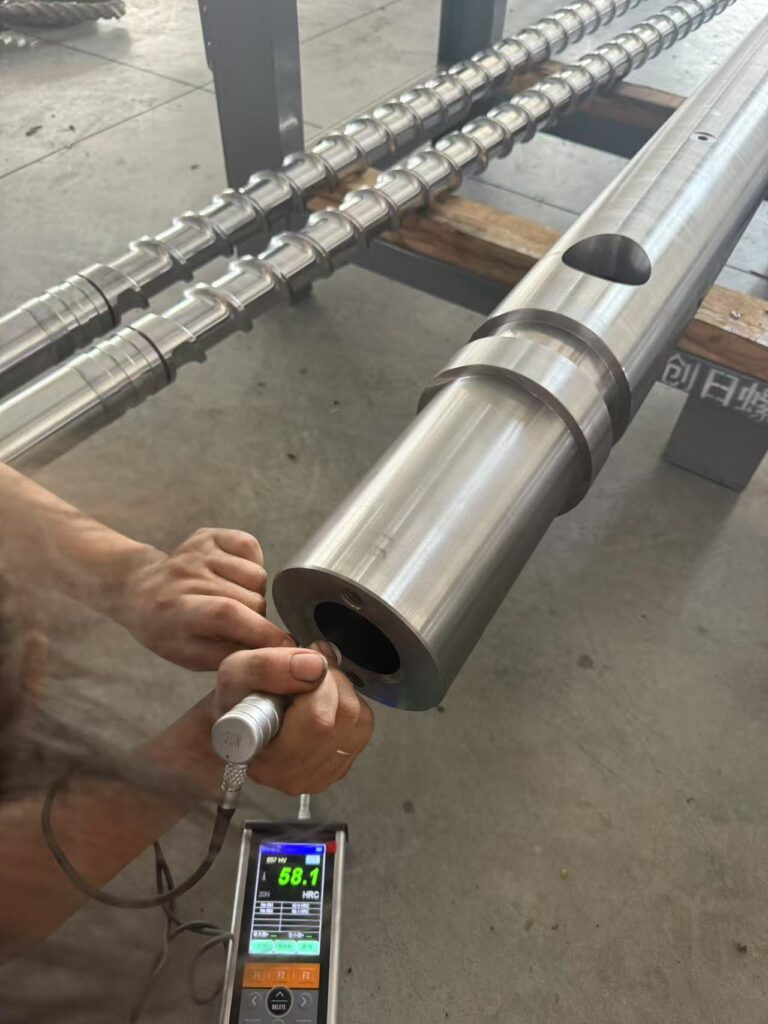
Heat Treatment, Hardness, Fit Clearance, and Final Inspection
Heat treatment, hardness control, straightness, concentricity, and screw-barrel clearance inspection all affect rotation stability. They also influence metering accuracy and service life.
FAQ
Q: What is an OEM Injection Molding Screw?
A: An OEM injection molding screw is a screw customized for a specific injection molding machine, resin, product, or production process.
Q: How does an OEM injection molding screw improve molding yield?
A: It improves melting, mixing, metering, recovery stability, and part consistency. These changes help reduce defects and scrap.
Q: When should I replace a standard screw with a custom OEM injection molding screw?
A: Consider replacement when you face unstable shot weight, poor melt quality, long recovery time, high scrap, or fast screw wear.
Q: What materials are suitable for an OEM injection molding screw?
A: Common choices include nitrided, bimetallic, solid carbide, and coated screw options. The choice depends on resin, filler, wear, and corrosion conditions.
Q: How do I choose the right OEM injection molding screw for glass-filled materials?
A: Check glass fiber percentage, wear history, and part requirements. Moderate glass fiber may suit a bimetallic screw. Very high glass fiber may require a solid carbide screw.

 consult
 WHATSAPP
 leave message
 top
top