
Types of Screw in Injection Molding: How to Choose the Best Fit
Related news
-
How to Remove the Extruder Screw from the Barrel and Check the Screw Barrel Wear
-
Align Extruder Systems for Maximum Output and Minimum Downtime
-
Types of Screw in Injection Molding: How to Choose the Best Fit
-
Top 7 Causes of Screw and Barrel Wear and How to Extend Service Life

-
Twin Screw and Barrel Performance Comparison: Nitrided vs Bimetallic
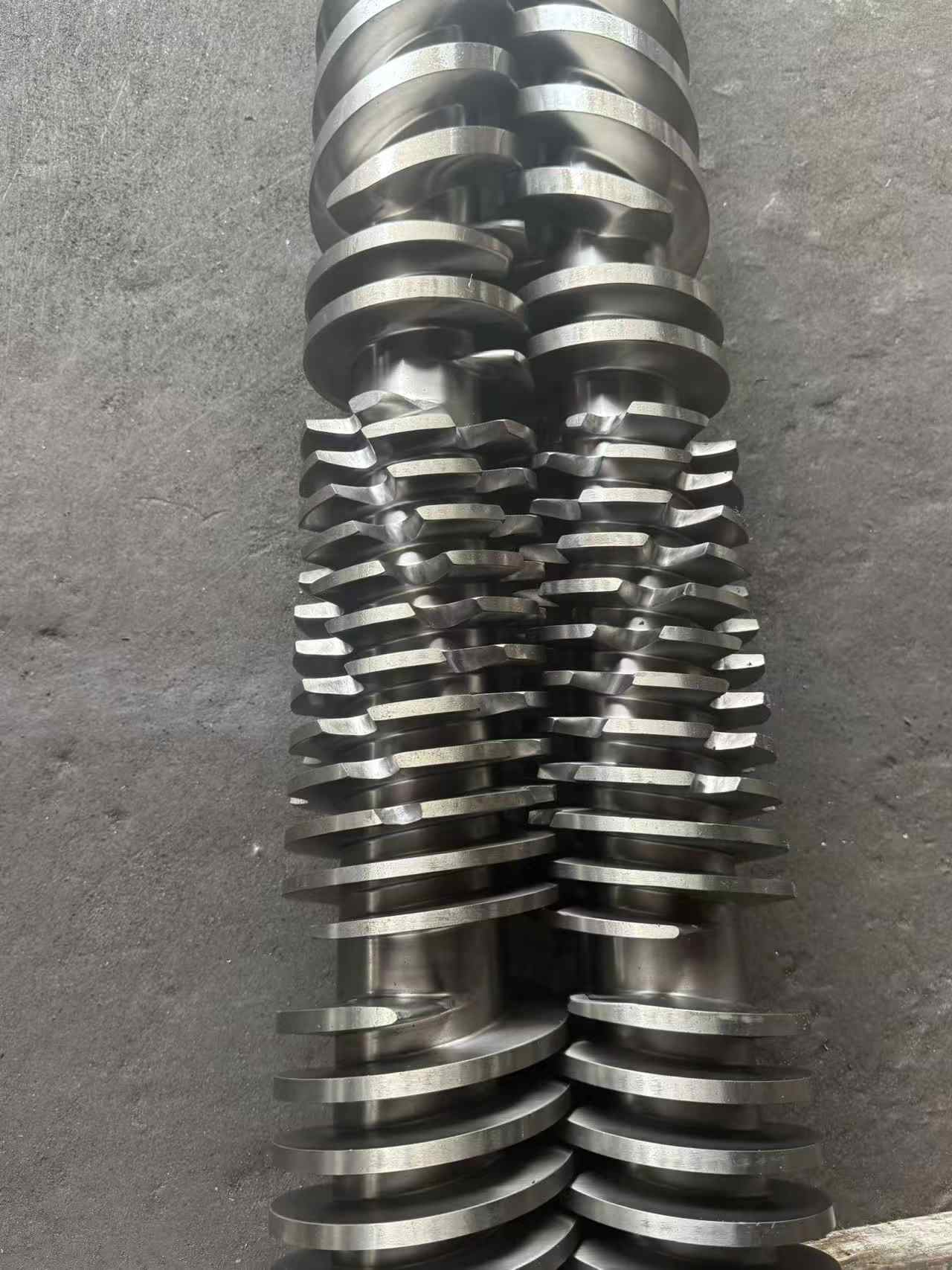
Types of Screw in Injection Molding: How to Choose the Best Fit


Picking the correct screw is very important for consistent injection molding. The screw does more than transport material. It feeds plastic pellets. It melts them fully. It mixes the material. It also measures the right amount before each shot. If the screw design does not fit the resin, filler content, and production goal, manufacturers often deal with several issues. These issues include poor melt quality, unstable shot weight, black specks, long recovery time, or faster screw wear.
This guide covers the main types of screw in injection molding. It also shows ways to select the best option for various materials and processing conditions.
Understanding Injection Molding Screws and Their Functions
What Are Injection Molding Screws and Why Do They Matter?
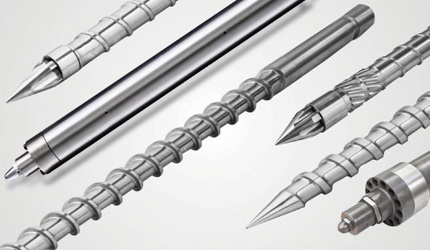
An injection molding screw turns inside the barrel. It moves plastic pellets forward. It melts them at the same time. It prepares a uniform melt for the injection process. The screw performs three main functions. These functions include feeding, plasticizing, and metering.
A screw that matches the material well creates better melt consistency. It supports stable cycles. It also raises part quality. However, a screw that does not match can lead to overheating. It may cause incomplete melting. Color streaks can appear. The injection volume may also become unstable.
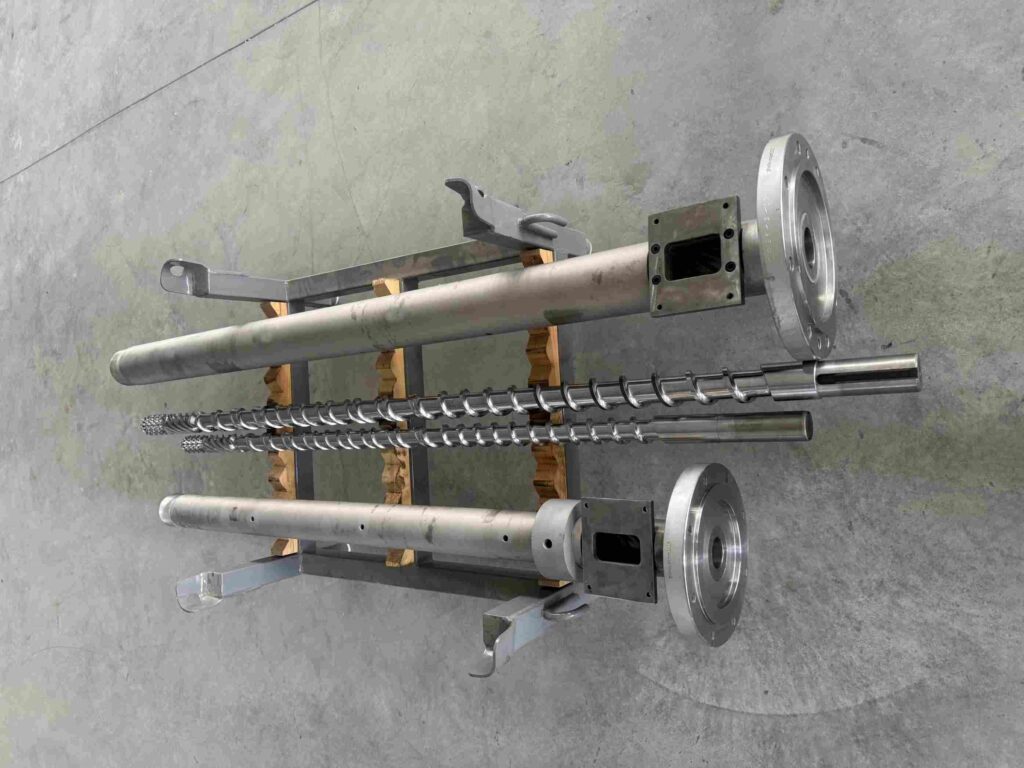
Key Screw Zones and Their Impact on Material Processing
Most injection molding screws have a feed zone, a compression zone, and a metering zone. Certain designs add a mixing section, too.
|
Screw Zone |
Main Function |
|
Feed zone |
Moves resin pellets forward |
|
Compression zone |
Melts and compresses material |
|
Metering zone |
Stabilizes melt volume |
|
Mixing section |
Improves color and additive dispersion |
Screw diameter is important. Yet it is not the only factor that counts. The L/D ratio, compression ratio, surface treatment, clearance, and screw material all influence the final molding performance.
Common Types of Screws in Injection Molding
General-Purpose Screws for Standard Plastics
General-purpose screws work well with many common plastics. These include PP, PE, ABS, PS, and some PC applications. They offer a good choice when the resin remains stable. The filler content stays low. The product does not need very special melt control.
CHUANGRI SCREW’s nitrided injection molding screw works for general-purpose plastics. It also suits materials with relatively low glass fiber content. The nitriding treatment increases surface hardness. It also boosts wear resistance.
Barrier and Separation Screws for High-Performance Materials
Barrier and separation screws raise melting efficiency. They do this by separating unmelted solids from the molten plastic. These screws prove useful for engineering plastics. They help with higher processing speeds. They also support applications that need improved melt homogeneity.
These screw types reduce unmelted particles. They create better temperature uniformity. Still, companies should select them according to the actual resin behavior. One should not pick them just because they seem more advanced.
Venting and Pin-Type Screws
Venting screws release moisture, gas, or volatiles during processing. This action reduces bubbles, silver streaks, and surface defects. Pin-type screws enhance mixing and dispersion. They are especially helpful when color masterbatch or additives are involved.
Yet more mixing is not always the best approach. For heat-sensitive resins, too much shear can lead to degradation.
Materials and Surface Treatments for Injection Molding Screws
Nitrided and Bimetallic Screws for Enhanced Durability
Nitrided screws work well for standard materials. They offer good wear resistance. For materials that cause abrasion, bimetallic screws perform better.
CHUANGRI SCREW’s Bimetallic Injection Molding Screw serves applications that need strong wear resistance. This is particularly true when processing plastics with moderate glass fiber content.
Coated and Solid Carbide Screws
Coated screws give additional surface protection. Our coated injection molding screw applies electroplating. It creates a chromium layer. This layer improves adhesion. It also increases wear resistance in high-temperature or corrosive molding conditions.
For very harsh wear conditions, CHUANGRI SCREW’s Solid Carbide screw is a good choice. It handles abrasive materials well. It fits demanding injection molding applications where long service life matters greatly.
Selecting Screw Material Based on Resin and Filler Content
|
Processing Condition |
Recommended Screw Direction |
|
Standard PP, PE, ABS, PS |
Nitrided screw |
|
Low to moderate glass fiber |
Bimetallic screw |
|
High-temperature or corrosive resin |
Coated screw |
|
Severe abrasive wear |
Solid carbide screw |
The best screw is not always the strongest option. It is the screw that fits the resin, the filler level, and the actual production challenge.
Design Considerations for Optimal Screw Selection
Length-to-Diameter Ratio and Compression Ratio
The L/D ratio influences residence time. It affects melting efficiency. It also impacts mixing ability. The compression ratio determines how the resin gets compacted and melted. A higher ratio does not always bring better results. Heat-sensitive materials can degrade when they face too much shear.
Screw Diameter and Injection Volume Compatibility
Screw diameter needs to match the shot size. It should fit the cycle time. It must also suit the machine capacity. When the screw is too large, the resin may remain in the barrel for too long. When it is too small, the recovery time can grow too slow.
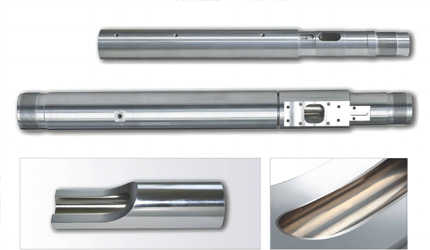
CHUANGRI SCREW’s Injection Molding Barrel pairs well with the screw design. It improves clearance. It helps with straightness. It raises output. It also lifts molded product quality.
Advanced Screw Features for Specialty Applications
Advanced features include mixing sections, barrier flights, and wear-resistant surfaces. Companies should choose these features based on the actual problem. The problem could be poor mixing, slow melting, abrasive wear, or unstable shot weight.
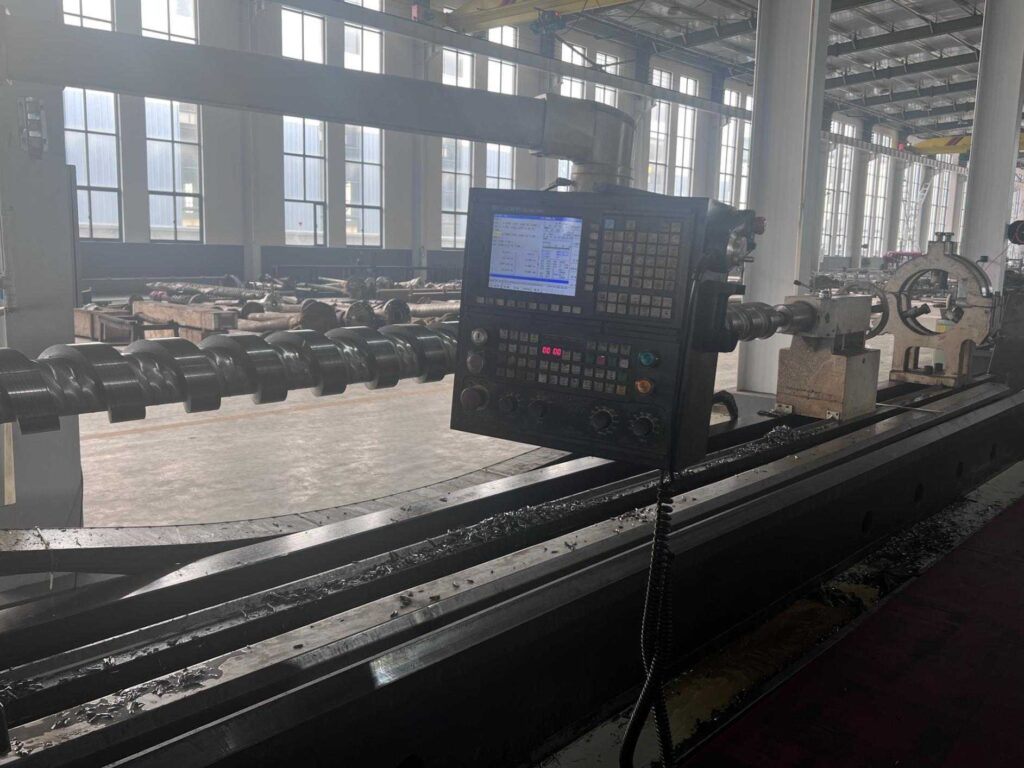
Customizing Injection Molding Screws with CHUANGRI SCREW
OEM and ODM Services for Tailored Solutions
Many injection molding problems result from a mismatch. This mismatch happens between screw design, resin properties, filler content, and production requirements. At CHUANGRI SCREW, we offer OEM and ODM screw and barrel solutions. These solutions consider machine size, drawings, material type, and processing conditions.
Enhancing Productivity and Reducing Waste
A well-chosen screw improves melt uniformity. It cuts defects. It stabilizes shot weight. It also lengthens service life. For standard plastics, a nitrided injection molding screw may be sufficient. For abrasive materials, a bimetallic injection molding screw or solid carbide screw often works better. for high-temperature or corrosive conditions, a coated injection molding screw delivers improved protection.
Troubleshooting and Maintenance Tips for Screws
Common Screw Wear and Performance Issues
Typical symptoms include long recovery period, inconsistent shot weights, bad color blending, black spots, reduced output rate, and evident damage to flights. This generally suggests the need for checking the screw, barrel, or clearance.
Recommended Maintenance and Inspection Practices
Regular inspection prevents quality problems. Manufacturers should examine screw flight wear. They need to measure the barrel’s inner diameter. They should check surface coating, hardness, and fit clearance. Cleaning must be performed carefully. This helps avoid damage to treated or coated surfaces.
FAQ
Q: What are the main Types of Screw in Injection Molding?
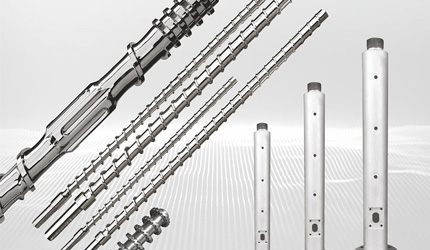
A: The main types of screw in injection molding include general-purpose screws, barrier screws, separation screws, venting screws, pin-type screws, nitrided screws, bimetallic screws, coated screws, and solid carbide screws.
Q: Which injection molding screw type is best for general-purpose plastics?
A: A nitrided general-purpose screw is often suitable for PP, PE, ABS, PS, and other common plastics with low filler content.
Q: How do I choose the best screw in injection molding for glass-filled materials?
A: In the case of glass-filled parts, select screws that have better resistance to wear. A bimetal screw can be used, and a solid carbide screw is also a viable option.
Q: What injection molding screw type helps improve color mixing?
A: A screw with a suitable mixing section or pin-type design can improve color dispersion. Yet it should not create excessive shear for heat-sensitive resins.

 consult
 WHATSAPP
 leave message
 top
top