Best Extruder Screw Puller Tools for Safe & Damage-Free Removal
Related news
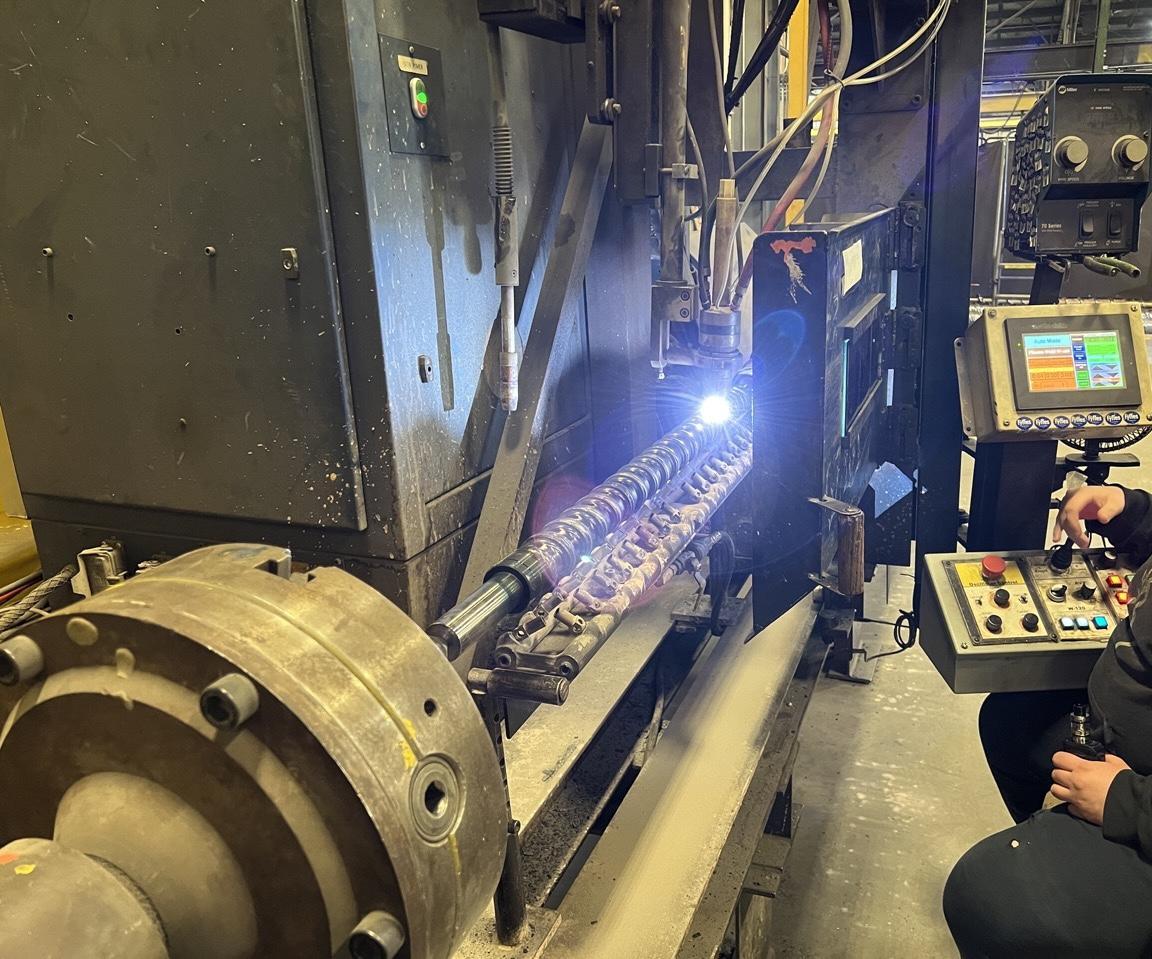
Best Extruder Screw Puller Tools for Safe & Damage-Free Removal


Removing an extruder screw safely requires more than pulling force. The tool must keep the screw aligned with the barrel while protecting the flights, drive end, surface treatment, and barrel bore. The best extruder screw puller is therefore the one that matches the screw size, machine layout, and cause of resistance.
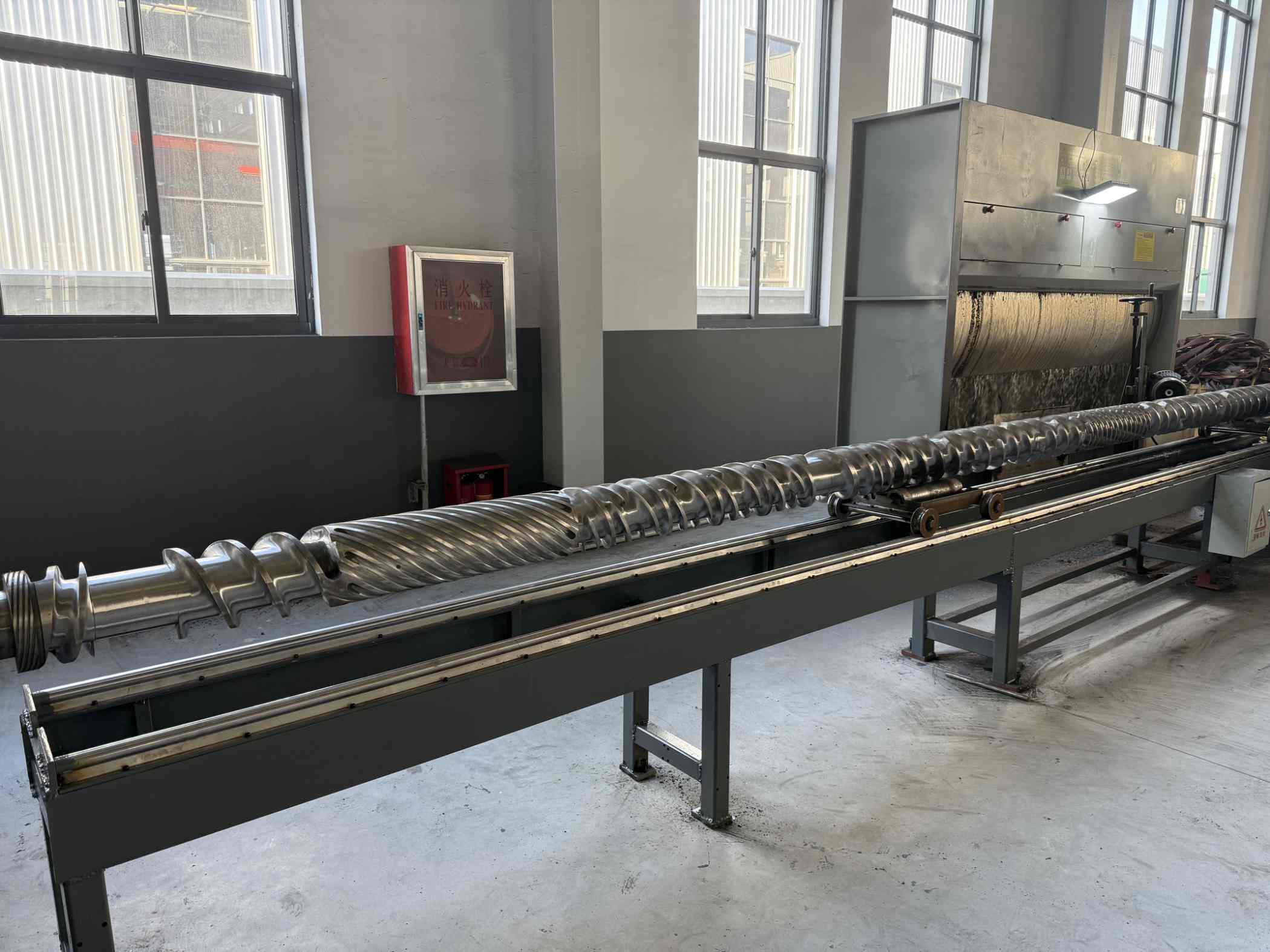
A complete removal setup combines a puller with lifting equipment and support stands. The puller creates axial force, while the supports prevent the screw from sagging or contacting the barrel.
Why Extruder Screw Removal Requires the Right Tools
When an Extruder Screw Needs to Be Removed
An extruder screw may require removal for deep cleaning, inspection, repair, or replacement. Lower output, unstable melt pressure, unusual torque, slow color changes, or black specks can indicate deposits or wear that routine purging cannot fully resolve.
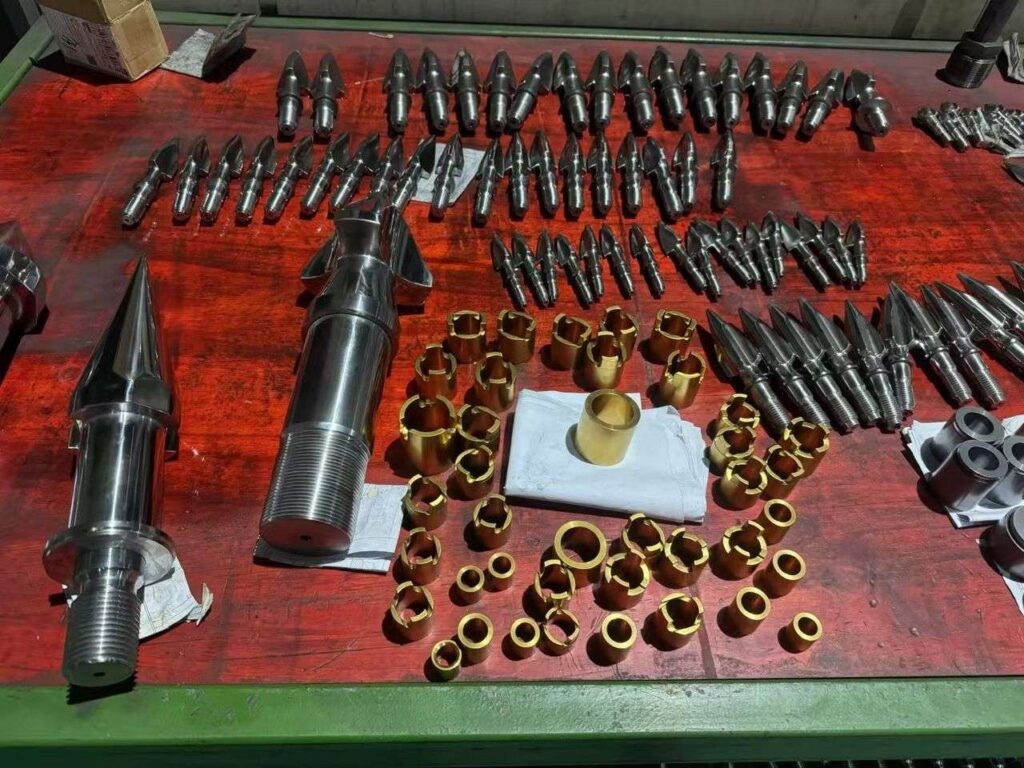
Planned removal also helps maintenance teams distinguish between polymer contamination, coating damage, flight wear, and excessive screw-to-barrel clearance before these problems cause a major shutdown.
How Improper Pulling Causes Damage
Side loading can bend the screw or drag the flights against the barrel bore. Hammering, steel pry bars, uneven heating, and unsupported pulling may scratch precision surfaces, damage coatings, or deform the drive connection.
Some damage only becomes visible after reinstallation through abnormal vibration, higher torque, or unstable output. Pulling force must therefore remain centered along the screw axis.
Best Extruder Screw Puller Tools for Different Applications
|
Tool |
Best suited for |
Main advantage |
|
Hydraulic feedscrew jack |
Large or stuck single screws |
Controlled axial force |
|
Mechanical push-rod system |
Smaller extruders |
Simple operation |
|
Twin-screw element puller |
Splined shafts and elements |
Impact-free separation |
|
Hoist and padded supports |
Long or heavy screws |
Prevents sagging |
Hydraulic Feedscrew Jacks
A hydraulic feed-screw jack is often the safest choice for large screws. It should be mounted against an approved rigid point and aligned with the screw centerline.
Pressure must increase gradually. A sharp rise without movement means the operator should stop and identify the obstruction. The bracket, push rod, adapter, and screw end must remain square throughout extraction.
Mechanical and Twin-Screw Pulling Systems
Mechanical push rods or screw jacks can suit smaller screws that are not severely seized. They should be advanced in small steps because applied force may be harder to monitor.
Twin-screw systems may require complete shaft removal or separation of individual elements. A dedicated element puller protects the splines and flight edges. Labeling each element helps preserve the original order during reassembly.
How to Choose the Right Extruder Screw Removal Tool
Match the Puller to the Screw and Machine
Before selecting an extruder screw puller, check:
*Screw diameter, length, weight, and L/D ratio
*Drive-end and coupling design
*Puller force capacity and stroke
*Available space behind the machine
*Hoist capacity and support positions
*Equipment manufacturer’s instructions
The extraction area must be long enough to support the complete screw. Excessive tool capacity should never replace correct diagnosis and alignment.
Protect Nitrided, Bimetallic, and Coated Surfaces
Surface treatment affects how an extruder screw should be lifted, supported, cleaned, and stored. Even a highly wear-resistant surface can be scratched by bare chains, sharp clamps, hardened steel tools, or unprotected support stands. Padded lifting slings and protected V-blocks help distribute the load and prevent concentrated pressure on the flights.
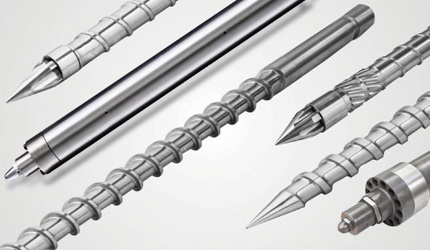
For abrasive and corrosive processing conditions, our bimetallic screw uses tungsten carbide alloy protection on the root diameter, outer diameter, and flight surfaces. HVOF metallurgical bonding strengthens the connection between the alloy layer and the base material, improving resistance to wear, corrosion, and coating separation. During removal, however, the screw must still remain aligned and fully supported to protect its precision-machined surfaces.
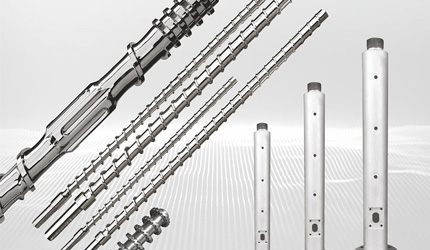
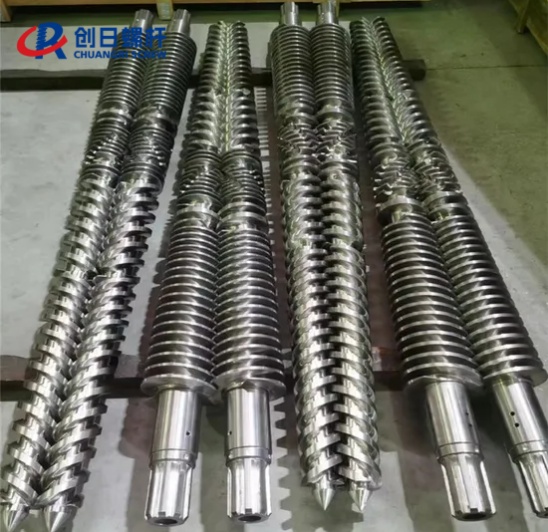
Twin-screw components require equally careful handling because coated flight edges can be damaged during impact separation. CHUANGRI SCREW bimetallic twin-screw uses a tungsten carbide-nickel alloy coating in critical high-wear areas, making controlled element pulling safer than repeated hammering or uneven mechanical force.
These handling requirements are closely connected to the way the components are manufactured. At CHUANGRI SCREW, we use controlled machining, heat treatment, grinding, polishing, surface processing, and dimensional inspection to achieve the required screw geometry and surface condition. For this reason, we recommend selecting the removal method according to the screw design, coating, weight, and machine structure so that manufacturing precision is preserved throughout maintenance.
What to Prepare Before Pulling an Extruder Screw
Lock Out, Depressurize, and Purge
Follow the machine manual, isolate electrical, hydraulic, pneumatic, and thermal energy, and release internal pressure before disconnecting downstream or drive components.
Purging reduces the polymer remaining around the flights. Use a material compatible with the processed resin and maintain the recommended removal temperature. A cold barrel may trap solidified polymer, while excessive heat can affect seals and treated surfaces.
Prepare the Extraction Path and Support
Clear the work area and position a hoist or padded V-blocks before extraction begins. The support height should match the barrel centerline and move outward as the screw emerges.
Prepare cleaning tools, inspection equipment, and storage supports in advance so the screw is never left hanging.
For detailed operating steps, read our How to Remove the Extruder Screw from the Barrel Without Damage.
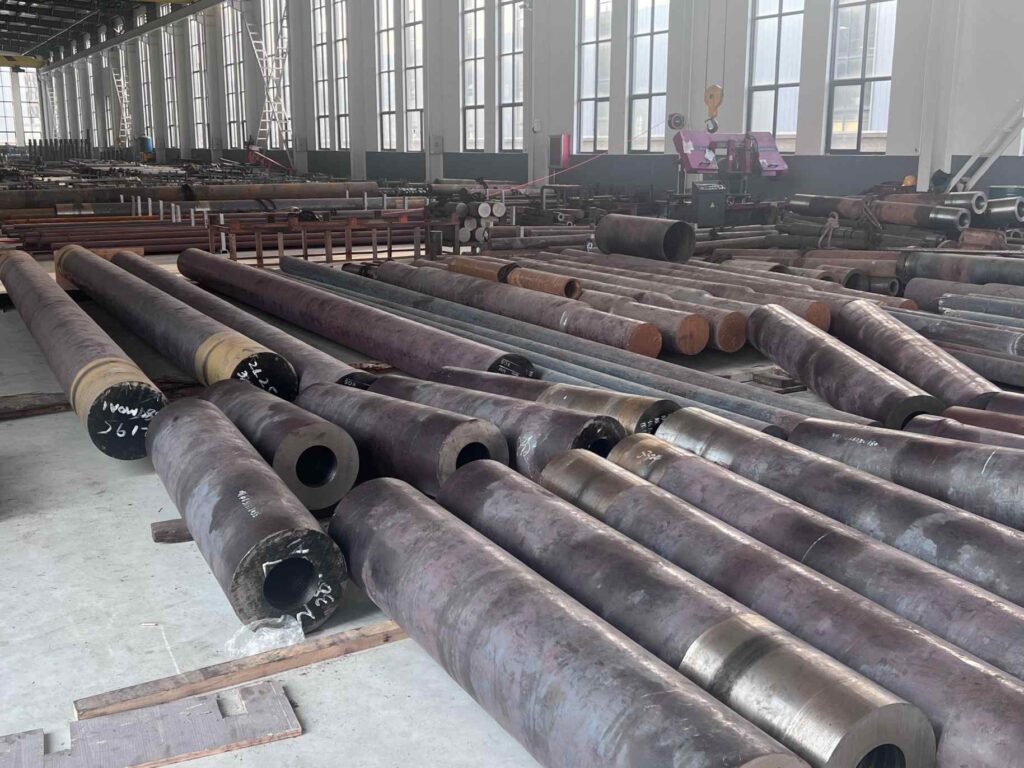
How to Remove an Extruder Screw Without Damage
Apply Slow, Centered Axial Force
Align the puller, push rod, screw, and barrel before applying force. Increase pressure in small stages and observe the screw movement.
Stop when the screw tilts, repeatedly binds, requires abnormal pressure, rotates unexpectedly, or causes the support structure to move. Moving the screw a short distance and cleaning the exposed area may be safer than continuous pulling.
Support, Clean, and Inspect the Screw
Support the screw throughout extraction and reposition the stands as its center of gravity changes.
Remove warm polymer with brass or copper tools rather than hardened steel scrapers. Inspect the flight tips, root diameter, mixing section, surface coating, drive end, straightness, and barrel bore before reinstallation.
Recording measurements during scheduled inspections can reveal gradual wear that visual checks may miss.
What to Do When an Extruder Screw Is Stuck
Diagnose the Cause First
A stuck extruder screw may result from degraded polymer, corrosion, incorrect temperature, damaged flights, contamination, or misalignment.
Review the processed material, shutdown conditions, barrel temperature, and the point where movement stops. If the screw moves initially and then binds, the obstruction may be located in a specific barrel zone.
Know When to Stop
Use only even barrel heating and gradual axial pressure within the equipment manufacturer’s limits. Avoid open flames, hammering, pry bars, side pulling, and uncontrolled forklift extraction.
Stop when pressure rises without movement or a machine component begins to deform. Specialist removal is usually less costly than damaging the screw, barrel, coupling, or gearbox.
FAQ
Q: What is the best extruder screw puller for a large extruder screw?
A: A hydraulic feed-screw jack is generally preferred because it delivers gradual, measurable axial force. Its capacity, stroke, mounting arrangement, and alignment must match the machine.
Q: How can a stuck extruder screw be removed without damage?
A: Purge the barrel, use the recommended removal temperature, apply controlled axial pressure, and support the screw continuously. Stop if pressure rises without movement.
Q: Can an extruder screw be removed without a hydraulic puller?
A: Yes. Smaller screws may use a mechanical push-rod or screw-jack system when proper alignment and full-length support are maintained.
Q: Should an extruder screw be hot or cold during removal?
A: Follow the machine manufacturer’s instructions. The correct temperature depends on the polymer, barrel design, shutdown condition, and screw surface treatment.
Q: How should an extruder screw be supported after removal?
A: Use padded V-blocks or adjustable stands to prevent rolling, bending, bare-steel contact, and moisture exposure. Apply suitable rust protection when storage is required

 consult
 WHATSAPP
 leave message
 top
top