Best Twin Screw and Barrel for PVC Processing in 2026
Related news
-
Twin Screw and Barrel Selection Guide: Top 10 Factors for 2026
-
Twin Screw and Barrel Wear Solutions for Highly Filled Materials
-
Twin Screw and Barrel Selection Tips 2026 for High-Performance Extruders
-
Twin Screw and Barrel Material Innovations Manufacturers Need in 2026

-
How PVC Screw Barrel Innovations Enhance Plastic Manufacturing
-
Twin Screw and Barrel Troubleshooting: Fix Common Extrusion Problems
Best Twin Screw and Barrel for PVC Processing in 2026


Introduction: The Role of Twin Screw Extruders in PVC Processing
Twin screw extruders play a key role in PVC processing. They provide better blending, softening, and greater output than single-screw setups. Demand for these machines grows as the PVC field seeks more effective, sturdy, and adjustable options in 2026. The twin screw setup works well for steady melt results. This matters for PVC uses like pipes, shapes, and floor coverings.
Picking the proper twin screw and barrel setup matters a lot. It affects how well the machine runs, how much power it uses, and how long it lasts. This piece will lead you in choosing the right setup for PVC work. It aims to get the best outcomes and cut idle time.
Key Features of the Best Twin Screw and Barrel for PVC Processing
Durability and Wear Resistance for PVC Applications
A main point in picking the best twin screw and barrel setup for PVC processing is its staying power. PVC can rub harshly, mainly in high-volume tasks like pipe making. So, twin screw extruders for PVC must stand up to rubbing and damage.
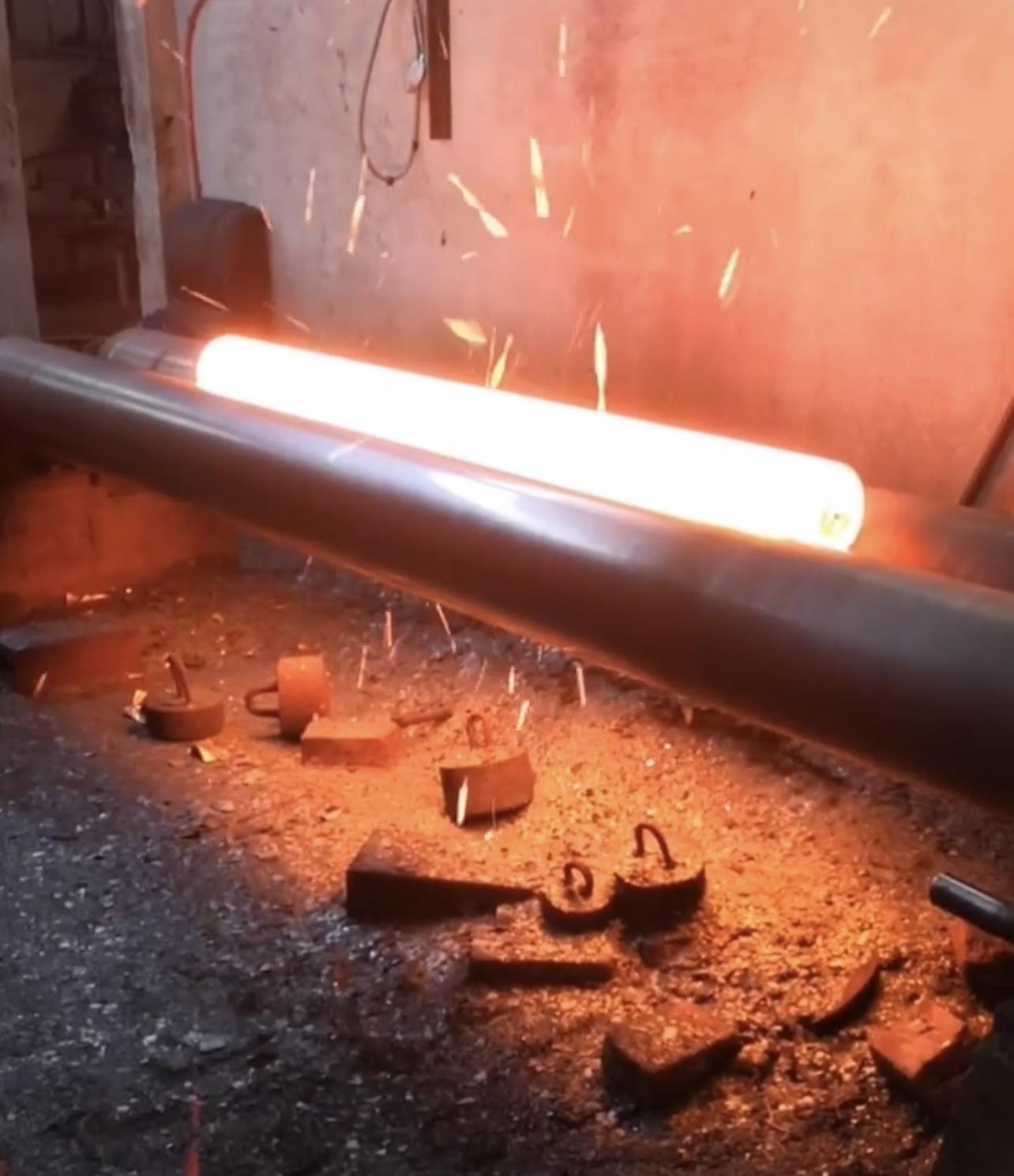
To make them last, top setups use solid materials. These include two-metal layers and hardened tops. Such features boost resistance to wear. They offer a strong guard against rust, too. As a result, extruder parts endure longer. This cuts the need for regular swaps.
Optimal Temperature Control and Plasticization for PVC
PVC reacts strongly to heat changes. Too much heat causes breakdown, uneven softening, and weaker product results. The best twin screw and barrel setups give exact heat management. They stop material harm during the work.
Modern heat systems include built-in cooling parts and improved barrel shapes. These keep the PVC soft at the right heat level. Thus, softening stays even. Melt results improve. End items show steady quality.
Customization and Versatility of Twin Screw Extruders in PVC Processing
Each PVC mix has its own handling traits. The best twin screw and barrel setups adjust easily. They can fit various PVC mixes, from hard types to soft ones, and reused materials.
Tailored screw shapes are vital for good softening, blending, and moving. Makers offer fitted fixes that suit different PVC kinds. This raises work speed. It lowers waste from materials. Output grows overall.
How to Choose the Right Twin Screw and Barrel for PVC Processing
Factors to Consider in Selecting the Best Twin Screw for PVC
When picking a twin screw for PVC processing, several points come into play:
- Screw Geometry: Screw shape is key to moving and softening the material well. Parts like blending areas, squeeze zones, and edge setups must fit PVC’s flow and melt traits.
- Material Compatibility: PVC’s heat traits call for strong materials in the screw. Two-metal layers or hardened screws work best against rubbing and heat strain in PVC work.
- Production Speed: PVC making often needs high rates. So, the screw shape should allow top output without harming the melt results.
Choosing Between Bimetallic and Nitrided Barrels for PVC Extrusion
Barrel choice matters just as much in PVC processing. The main types—hardened and two-metal—each bring clear benefits:
- Nitrided Barrels: Nitriding is a heat treatment that hardens the barrel surface, making it resistant to wear and corrosion. This type of barrel is ideal for standard PVC applications, offering a reliable and cost-effective solution for lower-wear environments.
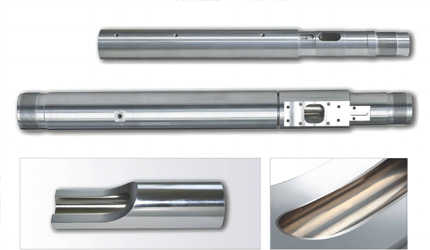
- Bimetallic Barrels: For applications involving abrasive fillers, such as high-calcium PVC formulations, bimetallic barrels are more suitable. These barrels feature a wear-resistant alloy liner that provides superior durability and longer life, even under the most demanding conditions.
The right barrel pick relies on the PVC type in use and the expected wear during making.
Technological Innovations in Twin Screw and Barrel Design for PVC
Advanced Coatings and Materials for Increased Wear Resistance
As the PVC field aims for better work, new ideas in material knowledge and top layers grow common. Two-metal and clay layers now help boost rub resistance in twin screw and barrel setups. This helps especially with high-filler tasks.
These advanced materials, including tungsten carbide and nickel-based alloys, significantly improve the longevity of the extruder components. They offer superior protection against wear, even when processing abrasive or high-calcium formulations of PVC.
Innovations in Screw Geometry for Enhanced Plasticization Efficiency
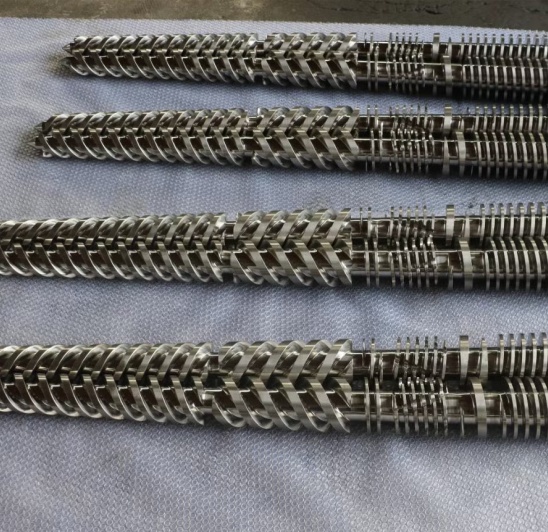
Softening PVC well relies mostly on the screw shape. New screw shape ideas target better melt and blend areas. They ensure even melting and stronger softening.
For instance, adding block edges and changing pitch setups speeds up softening. This shortens full-time and evens melt. Such shapes aid smoother making. In turn, they raise rates and cut power use.
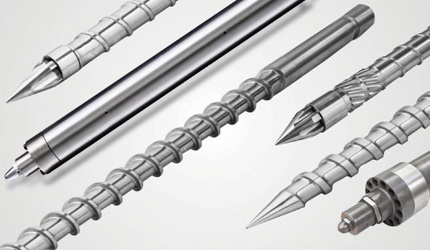
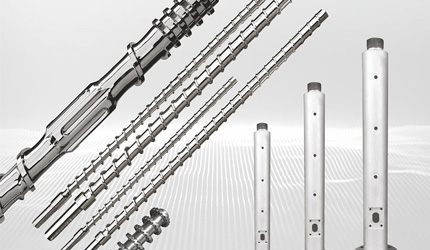
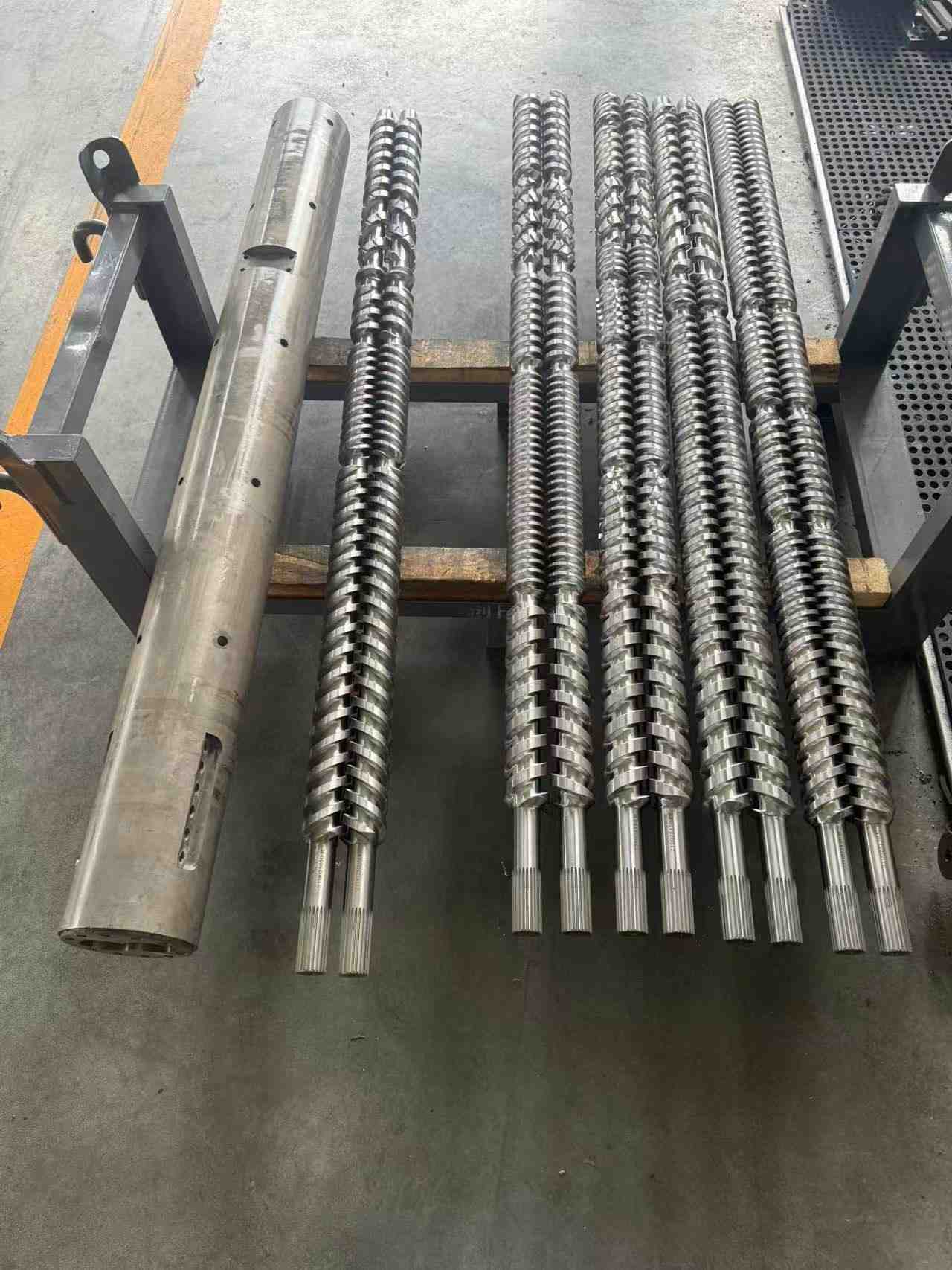
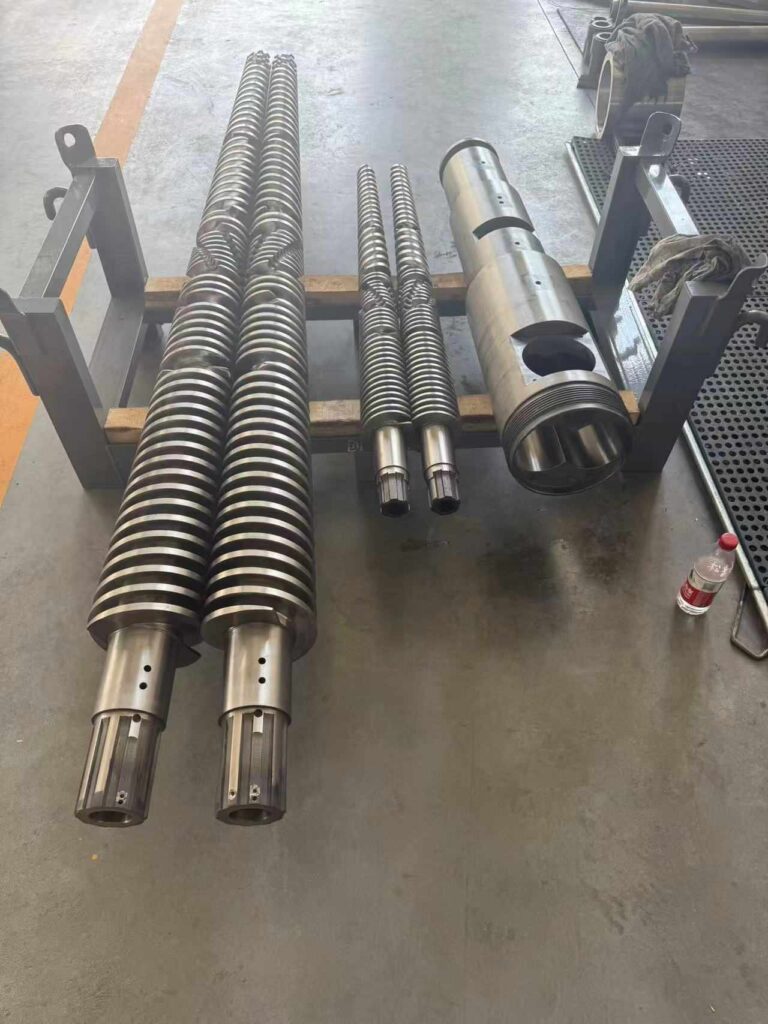
The PVC Conical Twin-Screw Barrel has been optimized for handling both virgin and recycled PVC formulations, featuring an advanced design that enhances the plasticization process. This system incorporates bimetallic technology, providing excellent wear resistance and reducing the potential for premature barrel degradation. Its conical configuration offers better control of the material flow, ensuring even processing and improved melt quality. For manufacturers dealing with high-calcium formulations or abrasive PVC compounds, the PVC Conical Twin-Screw Barrel is an ideal choice for maintaining performance and extending service life.
CHUANGRI SCREW: Custom Solutions for PVC Processing
Tailored Screw and Barrel Designs for Different PVC Formulations
Each PVC mix shows unique traits. The best twin screw and barrel setups need fitting changes for that. This holds for hard PVC, soft PVC, or reused PVC. Tailored screw and barrel shapes can improve work settings.
Our group teams up with buyers to build fixes. These boost output, cut material loss, and secure strong results. By fitting our screw and barrel setups to exact material wants, makers gain more speed in their lines.
Why Custom Solutions are Vital for PVC Manufacturers
PVC processing does not suit a single approach for all. Different PVC mixes bring special issues. These include changes in thickness, filler amounts, and heat levels. Custom fixes must meet these needs.
With our tailored screw and barrel shapes, makers get better softening, stronger blending, and higher flow. These points lead straight to finer quality and cheaper PVC making.
FAQ
Q: How do I know if I need a bimetallic or nitrided barrel for PVC processing?
A: Picking between a two-metal or hardened barrel hinges on the PVC mix type. For basic PVC, a hardened barrel works fine. But if the PVC has much filler like calcium carbonate, a two-metal barrel gives better rub guard and longer life.
Q: Can twin screw extruders improve the quality of PVC melt?
A: Yes. Twin screw extruders aim to raise PVC melt quality through better blending and softening. The even melt leads to steady end items. It also cuts flaws from uneven materials.
Q: What are the advantages of custom-designed screws and barrels for PVC processing?
A: Tailored screw and barrel shapes improve PVC work results. They fit the exact material. This brings stronger blending, better softening, higher rates, and longer use.
Q: How long does a twin screw and barrel system for PVC processing last?
A: A twin screw and barrel setup’s life depends on its materials and run settings. Units with strong materials, like two-metal layers, last longer. This is true especially with rough PVC mixes.
Q: What can I do to improve the efficiency of my PVC extrusion process?
A: To raise speed, use the fitting screw and barrel setup for your PVC mix. Make sure screw shape, material fit, and exact heat management are in place. These steps cut power use, better soften, and lift total output.

 consult
 WHATSAPP
 leave message
 top
top