Top 7 Causes of Screw and Barrel Wear and How to Extend Service Life
Related news
Top 7 Causes of Screw and Barrel Wear and How to Extend Service Life


Understanding Screw and Barrel Wear in Injection Molding
What Is Screw and Barrel Wear in Injection Molding
In injection molding, the screw and barrel act as key parts. They handle moving, softening, and pushing plastic material. As time passes, these parts face wear from steady rubbing, force, and contact with various materials. This wear slowly alters the shape of the screw flights and the inner size of the barrel. Consequently, it lowers effectiveness and reliability.
Why Wear Matters for Product Quality and Production Efficiency
Wear goes beyond simple upkeep problems. It affects:
-
Melt consistency
-
Injection pressure stability
-
Cycle time
-
Final product quality
Small amounts of wear can create weak blending, uneven shot sizes, or more waste. From a money viewpoint, ignored wear raises power use and sudden stoppages.
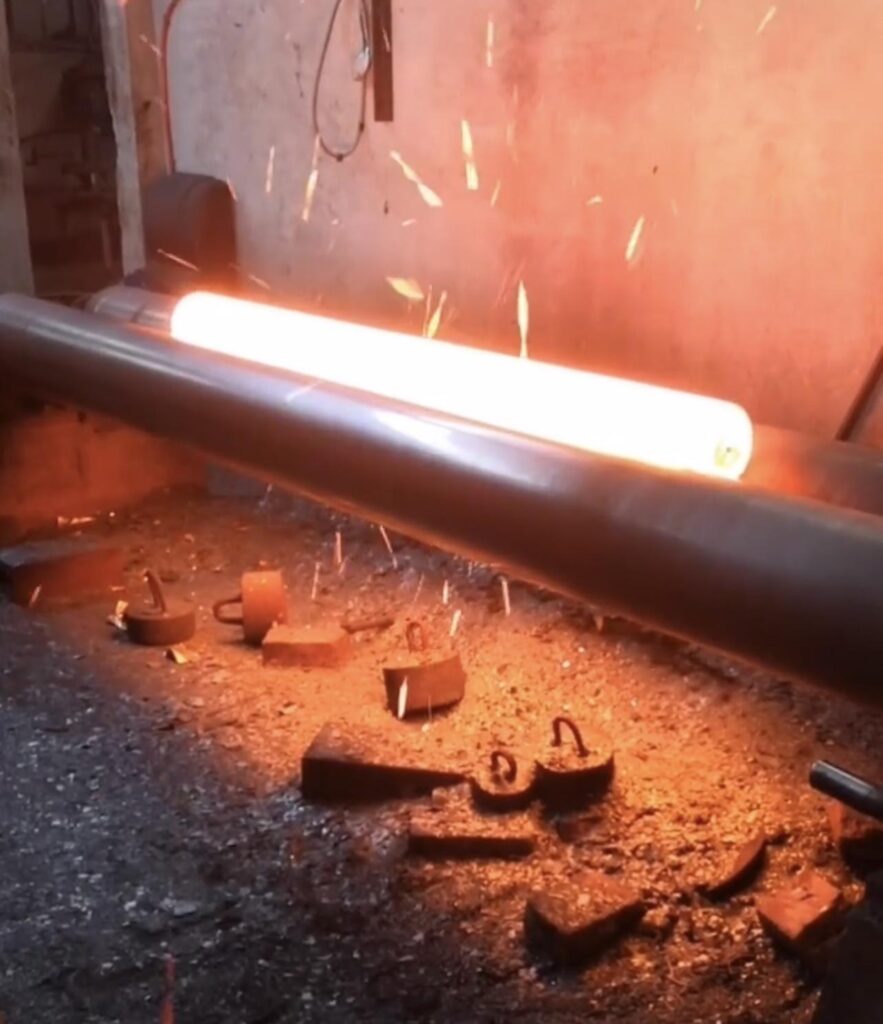
Types of Screw and Barrel Wear and Their Impact
Abrasive Wear from Filled Materials
Abrasive wear happens when tough bits, such as glass fiber or calcium carbonate, keep scraping the screw and barrel faces. This issue often appears in engineering plastics and strengthened materials.
Corrosive Wear from Chemical Polymers
Some polymers give off harsh gases or hold additives that harm metal faces chemically. This speeds up the breakdown.
Adhesive Wear and Surface Fatigue
This form of wear comes from ongoing rubbing between metal faces. It results in tiny tears and later material loss.
Top 7 Causes of Screw and Barrel Wear
Abrasive Materials Like Glass Fiber and Calcium Carbonate
Plastics with heavy filler amounts speed up wear a lot. The tougher the filler, the quicker the material loss occurs.
Corrosive Resins and Additives
Items like PVC or flame-retardant plastics let out substances that harm metal faces. This happens particularly under high heat.
Improper Screw and Barrel Material Selection
Using basic materials in tough wear settings causes early breakdown. Wrong material picks rank as one of the most missed reasons.
Poor Screw Design or Application Mismatch
A screw not made for the exact polymer can lead to uneven shear. As a result, it causes wear in certain spots.
Misalignment Between Screw and Barrel
Even small shifts in position raise rubbing. This creates uneven wear shapes and shortens the lasting time.
Incorrect Processing Parameters (Temperature, Pressure, Speed)
Too much shear or heat can break down both the material and the metal faces.
Lack of Preventive Maintenance and Inspection
Overlooking early wear clues brings faster harm and expensive fixes.
How to Extend Screw and Barrel Service Life
Selecting Wear-Resistant Materials and Alloy Solutions
Picking the correct material marks the initial move to lengthen lasting time. Consider these examples:
| Application Condition | Recommended Solution |
| High glass fiber | Bimetallic alloy |
| Corrosive plastics | Corrosion-resistant steel |
| General plastics | Nitrided steel |
Strong alloy materials boost resistance to scraping and rust notably.
Optimizing Screw Design for Specific Applications
Tailored screw plans guarantee the best softening and less stress buildup. At CHUANGRI SCREW, we create screws fitted to exact materials and steps. This raises both effectiveness and strength.
Applying Surface Treatments (Nitriding, Bimetallic, Coating)
Face engineering holds a vital part. Take these cases:
-
Nitriding creates a hardened layer with high surface hardness (up to HV900+)
-
Bimetallic coatings provide superior wear resistance in harsh conditions
-
Carbide coatings enhance performance in extreme applications
Controlling Processing Conditions to Reduce Wear
Operators need to keep ideal:
-
Temperature profiles
-
Screw speed
-
Back pressure
Firm processing cuts mechanical strain and lengthens part duration.
Implementing Routine Maintenance and Monitoring
Upkeep to prevent issues covers:
-
Regular inspection of wear patterns
-
Monitoring output consistency
-
Checking alignment and clearance

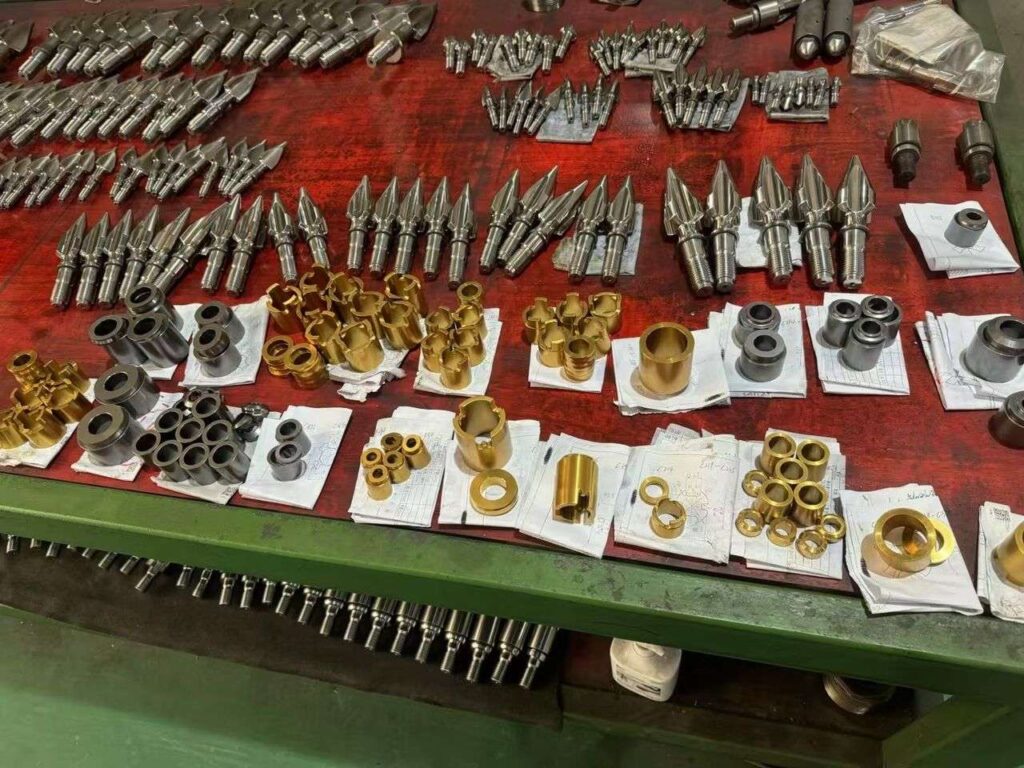
Advanced Wear-Resistant Solutions for Injection Molding
Bimetallic Injection Molding Screw
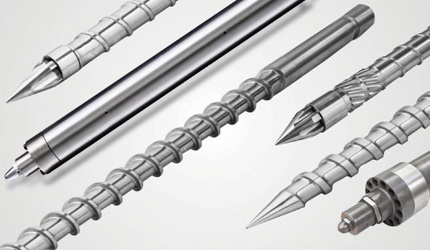
In settings with heavy scraping, the Bimetallic Injection Molding Screw gives solid wear resistance. Its alloy layer lengthens the lasting time greatly when handling items with fillers like glass fiber.
At CHUANGRI SCREW, we build bimetallic screws with strong alloy joining methods to secure strength and steady work.
Solid Carbide Screw
When dealing with very rough materials, the Solid Carbide Screw serves as a dependable choice. It pairs high firmness with good resistance to shape changes. This fits it for tough tasks.
This screw kind works well for keeping steadiness under heavy loads.
Nitrided Injection Molding Screw
For everyday tasks, the Nitrided Injection Molding Screw brings a budget-friendly mix of work and strength. The nitriding step raises face firmness and improves resistance to wear.
These choices show our method at CHUANGRI SCREW. We pick the right tech based on real work settings. We avoid a single approach for all cases.
How to Choose the Right Screw and Barrel for Longer Life
Matching Screw Design to Material and Application
Various materials need different screw shapes. For instance:
-
Barrier screws for better melting
-
Mixing screws for improved homogenization
A poor fit brings low effectiveness and quicker wear.
Evaluating Material Composition and Filler Content
Grasping the makeup of starting materials proves essential. Heavy filler amounts demand sturdier materials and layers.
Working with Experienced Manufacturers for Custom Solutions
We hold that tailoring holds the key. At CHUANGRI SCREW, we team up with clients to review their production setups. Then, we plan fitted screw and barrel choices. Our own building skills ensure tight quality checks and steady work.
FAQ
Q: Why does my injection molding screw and barrel wear out faster than expected?
A: Faster wear is usually caused by abrasive fillers such as glass fiber or calcium carbonate, corrosive resins, or improper material selection. In high-load applications, standard nitrided components may not be sufficient. Upgrading to bimetallic or carbide solutions can significantly improve wear resistance and extend service life.
Q: How does screw and barrel wear affect injection molding product quality?
A: Wear changes the geometry of the screw and barrel, which directly impacts melt uniformity and pressure stability. This often leads to defects such as black specks, inconsistent shot size, poor mixing, and even material degradation during processing.
Q: What is the best way to extend the injection molding screw and barrel service life?
A: The most effective approach includes selecting wear-resistant materials, optimizing screw design for the specific application, and maintaining stable processing conditions. Preventive maintenance and early inspection are also essential to avoid severe wear and unexpected downtime.
Q: Which materials cause the most wear in injection molding screws and barrels?
A: Materials with high filler content—such as glass fiber, calcium carbonate, and mineral-filled plastics—cause the most severe abrasive wear. Corrosive polymers like PVC or flame-retardant materials can also accelerate the chemical degradation of metal surfaces.
Q: How do I choose the right injection molding screw and barrel for my application?
A: Selection should be based on material type, filler content, processing temperature, and production requirements. For demanding applications, working with an experienced manufacturer to customize screw design and material selection can ensure better performance, reduced wear, and longer service life.

 consult
 WHATSAPP
 leave message
 top
top