
Twin Screw and Barrel for Plastic Recycling Key Design Priorities for Stable Processing
Related news
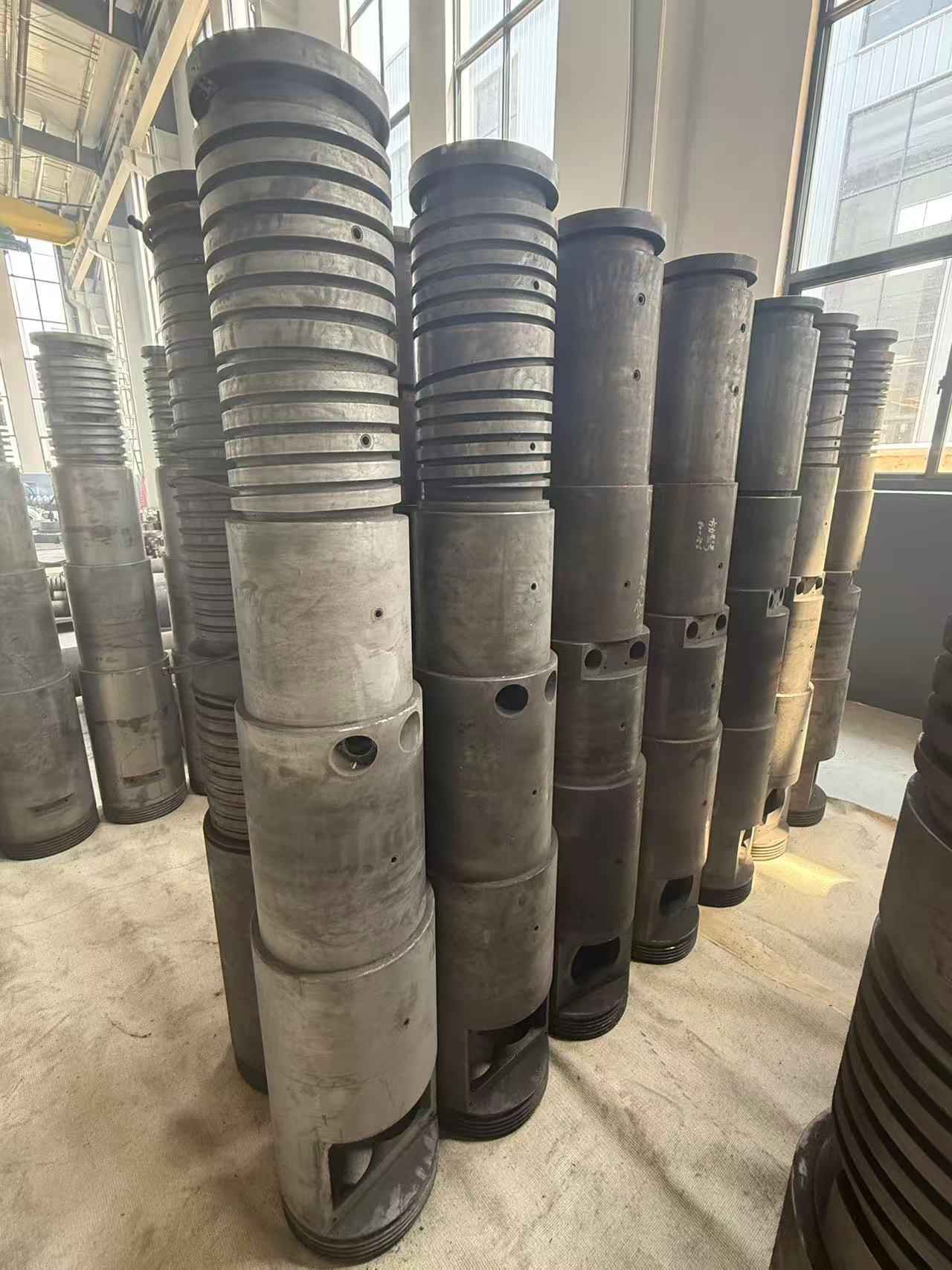
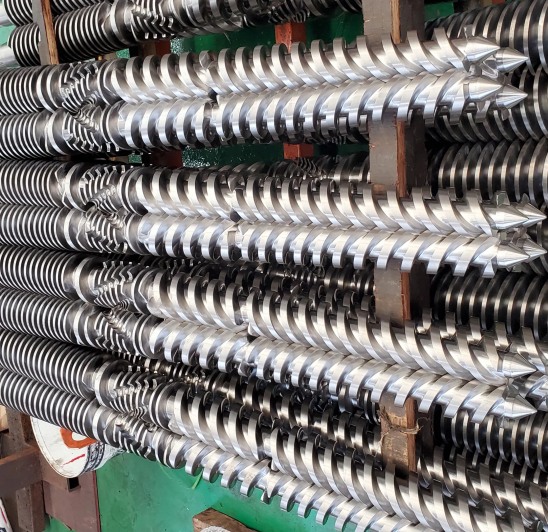
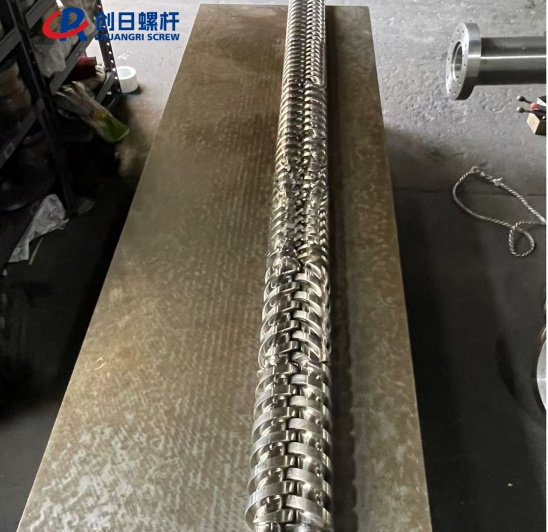
Twin Screw and Barrel for Plastic Recycling Key Design Priorities for Stable Processing


The feed record and machine drawing go together. This holds true when you specify a twin screw and barrel for plastic recycling. Start with these records. Then check the profile carefully. Also measure the worn pair. Take these steps before you select protection layers or replacement parts.
How does recycled feed affect twin-screw design?
Define the resin mix and physical feed form
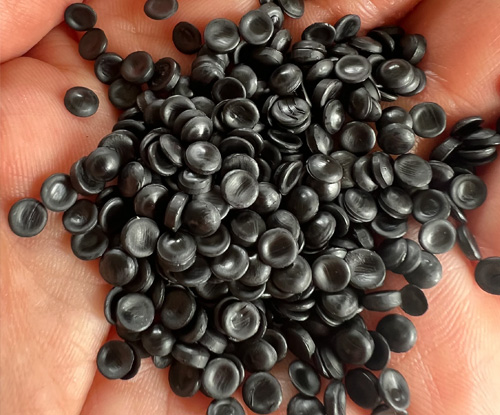
PE, PP, PVC, ABS, PS, PET, PA, POM and PC fall within the recycling application range. For each resin, describe the physical feed as well. These forms include pellets, flakes, films, powder, or a mixture. The term recycled plastic leaves that part of the drawing brief empty. A pellet stream and a loose film stream need separate descriptions. This rule applies even when both carry the same resin name.
Write down the resin mix. Note the filler content. Record the moisture level. List visible contamination and the intended product. The same resin name can describe a dense pellet stream. It can also describe a loose film stream. Our pelletizing parallel twin-screw options provide a starting point for reviewing the arrangement. The machine interfaces and process target still decide the final specification.
Allow for bulk-density changes and feeder surges
Equal volumes of recycled feed may not weigh the same. Consider the spaces between irregular flakes. Compare them with spaces between pellets. The size and shape of the particles influence bulk density. Above the feeder, a bridge or rat-hole may interrupt flow. It stays in place until it collapses. Then it releases a sudden surge. A gravimetric feeder uses a weight signal. This signal helps it respond when density and delivery vary.
Suppose a pressure change begins when a new lot reaches the hopper. The change eases after the next material switch. That sequence gives a reason to investigate the material. Put the lot-change time on the operating record. This entry allows comparison with the torque and pressure trace. Without the timing, a feed effect can appear like a different problem. It may seem to call for a new screw profile.
What should the screw profile do with the recycled material?
Match the functional zones to the feedstock
Feed, compression, metering, and mixing zones need joint consideration. They must match the recycled feedstock. The drawing should show how material enters the system. It should describe how the material becomes compacted. It must explain how the material mixes and reaches the die. A resin label cannot answer those questions by itself.
The brief for our twin screw and barrel solutions should say where the difficulty occurs. If feeding stops and starts, describe the incoming stream. Also describe the feeding arrangement. If the defect is in the finished material, send a sample. You can also send photographs of it. Include the available processing length in either case. These details let the designer separate a feed-acceptance change. They also help distinguish it from a mixing change. The designer can then work on the profile.
Compare mixing with torque and melt-temperature readings
Keep the trial samples with their lot numbers. Keep the collection times as well. Their corresponding speed belongs in the operating record. The feed rate, melt temperature, and head pressure also belong there.
The same settings need not produce the same melt. PCR composition can differ between batches. Melt flow can vary too. Previous heat exposure can also change. With geometry and volumetric flow held constant, increasing viscosity raises the pressure. This pressure is required at the die. It also raises the shear stress linked with screw torque. A higher reading therefore has several possible explanations. Before you link it to wear, establish the sensor position first. Confirm the calibration as well. Also note what material was being processed at the time.
How should wear protection and wear diagnosis be separated?
Choose surface protection for the damage mechanism
Nitriding may suit moderate wear. Bimetallic or carbide-related protection may suit stronger abrasion. Temperature, filler, corrosion, and local pressure also influence the choice.
Inspect the base part before reuse. Surface treatment must not hide cracks. It must not cover corrosion or structural damage. Send a photograph of the worn region. Mark its location clearly. Describe the feed that was running when the wear appeared.
Confirm wear through measurements along the pair
Measure screw flight outside diameter along the screw. Measure barrel inside diameter at several axial locations. Compare both sets of readings with the approved baseline. Flight-diameter loss appears together with bore growth. A larger clearance joins them. These signs show progressive geometric change.
Add concentricity to the inspection record. Include scratches and coating condition too. For the next maintenance interval, repeat the measurements. Use the same positions each time. An unlabeled bore reading becomes hard to compare later. A batch-related pressure change may still call for a feed investigation. Dimensional measurements answer a separate question. They show whether the metal has worn over time.
What keeps a replacement recycling pair compatible with the line?
Specify the machine interfaces before machining
The term recycling screw is not a usable drawing brief. Include the machine model. List the screw diameter and barrel bore. Note the drive connections. Record the speed, cooling arrangement, and installation space. Add the resin mix. Include the feed form, filler, contamination, and target product. If the old drawing is missing, measure the installed parts where practical. Photograph the drive end before removal. Also photograph the mounting and cooling ports.
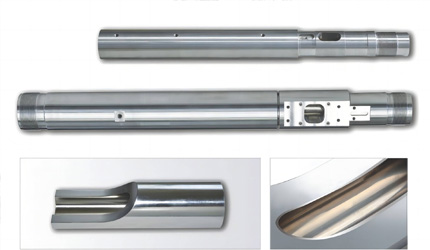
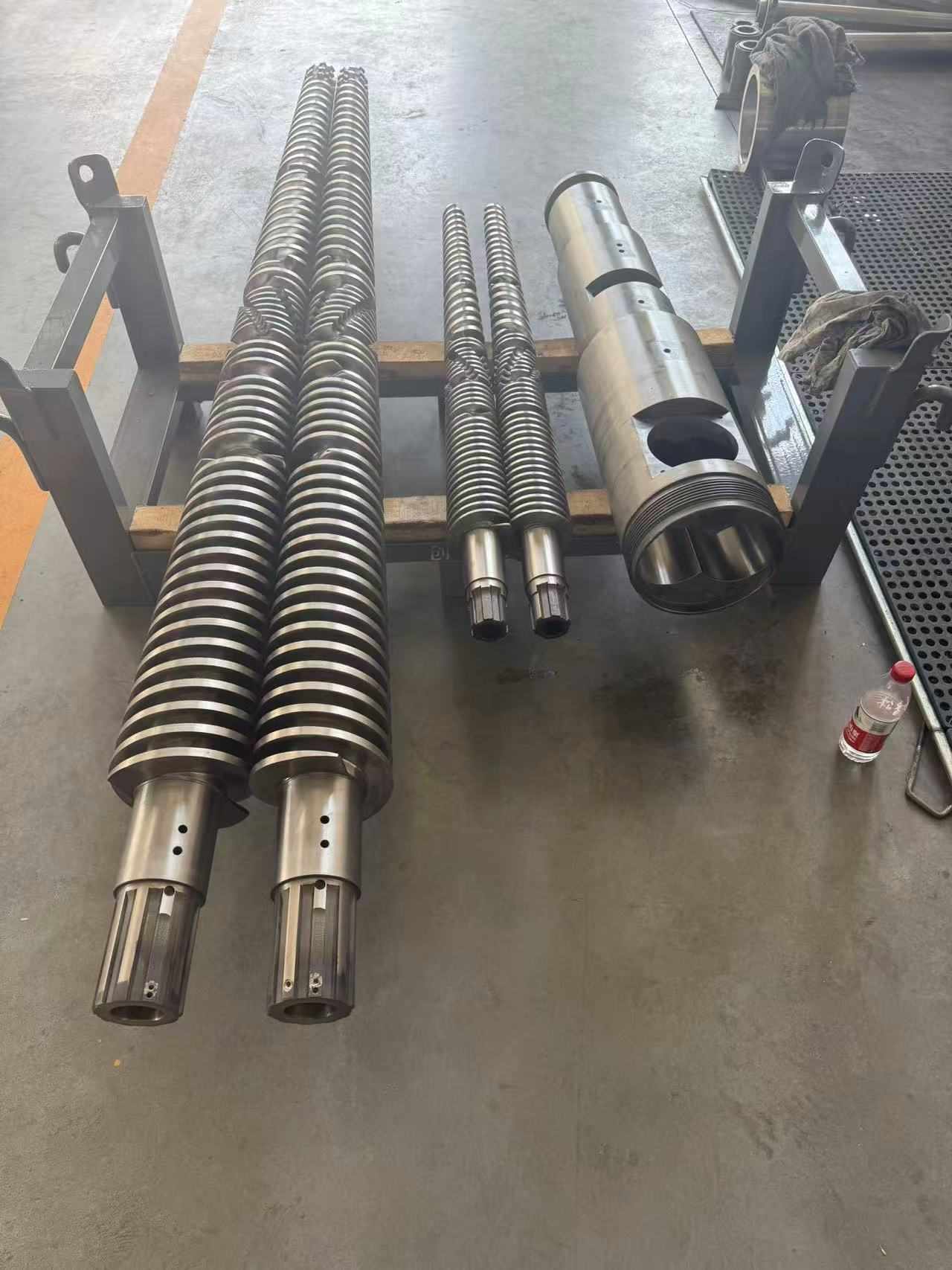
The parallel twin-screw barrel range can identify the type of arrangement under discussion. The dimensions of the machine still need confirmation. Mark uncertain measurements on the drawing. This step allows them to be resolved before machining. A product photograph cannot supply a missing connection dimension. It cannot provide a mounting detail either.
Accept the screw and barrel as a matched set
At CHUANGRI SCREW, we provide measurement, design, and customization. CNC turning, thread milling, grinding, and polishing are among our processes. The machining and inspection requirements apply to the matched screw and barrel. Acceptance can include clearance. It can cover concentricity, hardness, dimensions, and smooth rotation.
Agree on the drawing revision first. Confirm the treatment and measurement points before machining. File the received measurements with the maintenance record. Keep trial samples labeled with their material lots. When a new pair and a new batch arrive in the same shift, record the time of both changes. Otherwise, a later review may link a batch effect to the replacement pair. It could also miss a dimensional problem hidden behind a settings change.
FAQ
Q: Which materials can a twin screw and barrel process in plastic recycling?
A: The application range includes PE, PP, PVC, ABS, PS, PET, PA, POM, and PC. Feed form, contamination, and the target product determine the actual configuration.
Q: Why can recycled feed cause unstable twin-screw output?
A: The hopper volume can stay the same while incoming mass varies. A bridge above the feeder may interrupt delivery. It may then collapse into a surge. Particle shape and bulk density belong in the investigation.
Q: Does higher pressure mean a recycling screw and barrel is worn?
A: A pressure reading cannot settle that question. Look at the batch change and the sensor first. Then measure flight diameter, barrel bore, and clearance against the approved baseline if wear is suspected.
Q: How is wear protection selected for a recycling screw barrel?
A: The starting point would be the worn out area along with the material that has been used there. Corrosion, abrasion, filler, temperature, and localized pressure can be considered in determining the type of treatment to be applied.
Q: Why should a recycling screw and barrel be inspected together?
A: Clearance, concentricity, and rotation describe the assembled relationship. Inspecting one component alone cannot establish that the pair will fit and run correctly.

 consult
 WHATSAPP
 leave message
 top