Twin Screw and Barrel Selection Guide: Top 10 Factors for 2026
Related news
Twin Screw and Barrel Selection Guide: Top 10 Factors for 2026


What Is a Twin Screw and Barrel and Why Does It Matter
A twin screw and barrel system serves as the main part in current plastic extrusion and compounding setups. It handles transporting raw materials. It melts polymers. It combines additives. And it provides a steady melt to later processes. This process looks simple at first. Yet, the way the screws and barrel interact shapes factors from output steadiness to end product quality.
In real use, a badly fitted twin screw and barrel can result in uneven melting. It boosts scrap amounts. And it causes regular repair halts. In contrast, a carefully planned system raises production flow. It secures even blending. Plus, it prolongs machine durability. Makers handling PVC, reused plastics, or compounds with heavy fillers face direct profit effects from this gap.
Twin Screw and Barrel Types and Applications Overview
Parallel vs Conical Twin Screw and Barrel
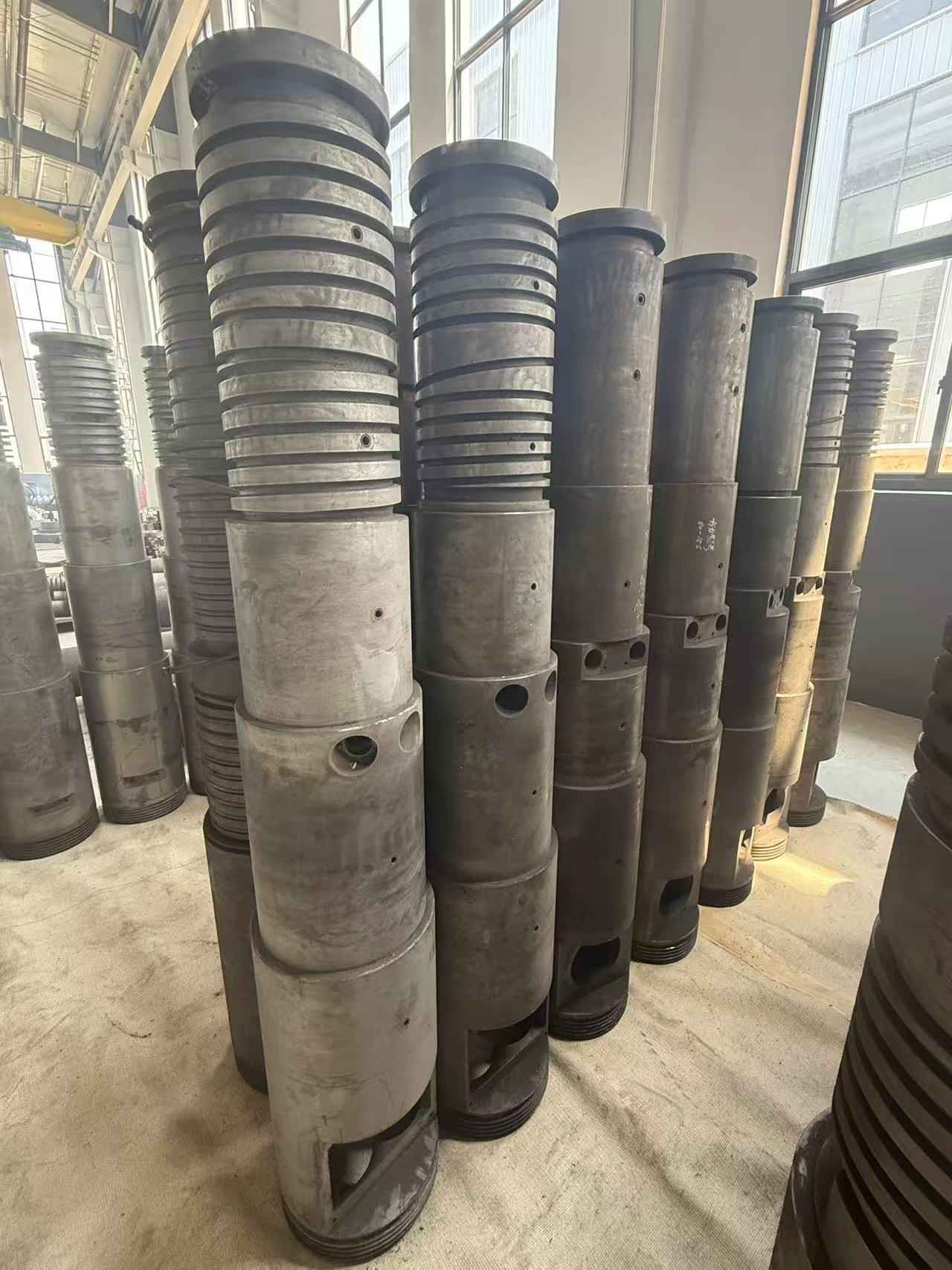
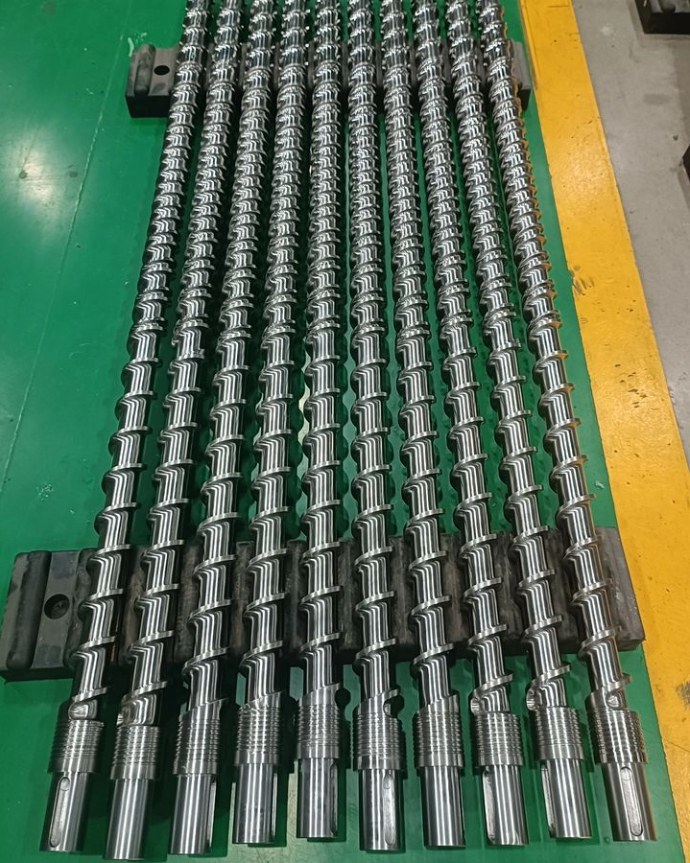
Twin screw and barrel systems usually fall into parallel and conical types.
- Parallel twin screw and barrel systems are widely used in high-output applications due to their stable torque and efficient heat transfer. They are ideal for continuous production lines such as pipe extrusion.
- Conical twin screw and barrel systems are better suited for PVC processing, especially in applications requiring high pressure and controlled shear, such as profiles and boards.
Selecting one type over the other relies on your material features and production aims.
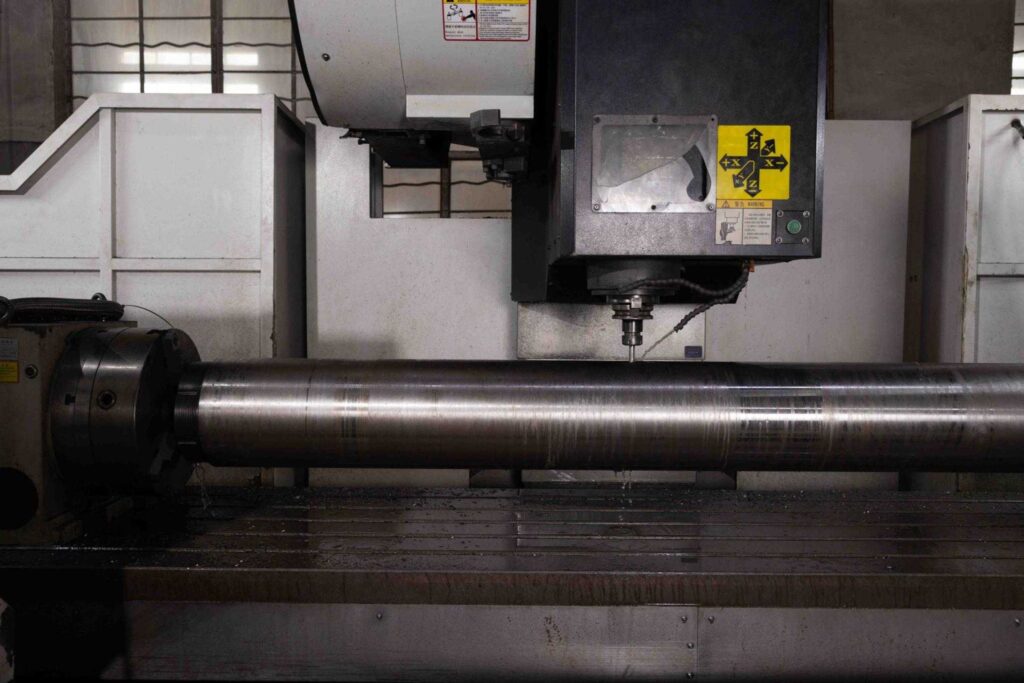
Key Applications: PVC, Recycling, Pipe, and Profile
Various sectors need varied screw and barrel arrangements:
- PVC processing: Requires strong mixing and wear resistance due to calcium carbonate fillers
- Recycling and pelletizing: Needs corrosion resistance and stable melt quality
- Pipe and profile extrusion: Demands consistent output and dimensional stability
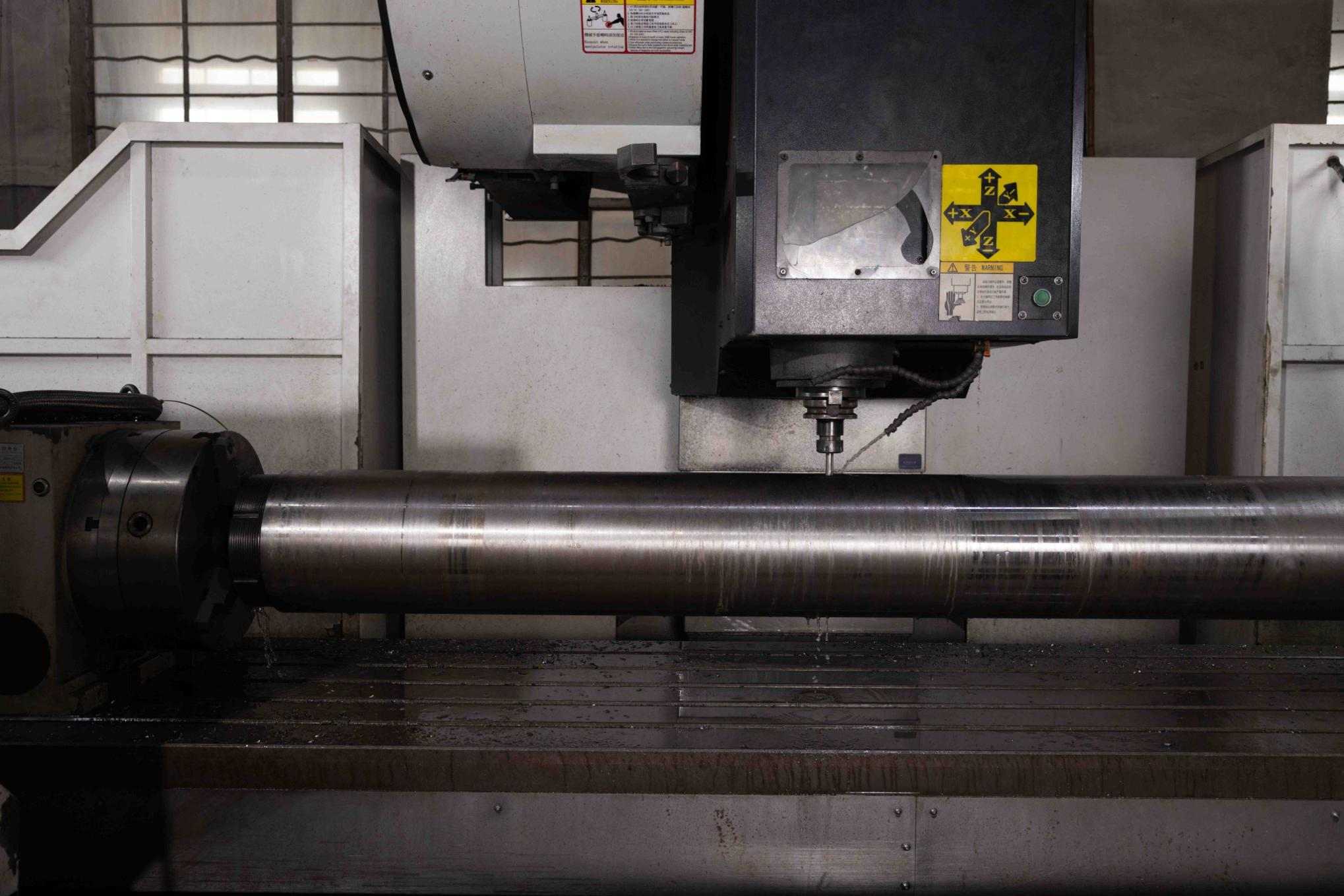
As an example, a CHUANGRI SCREW Parallel Twin-Screw Barrel often gets picked for large-output extrusion lines. It offers solid efficiency and accurate temperature management. This makes it a good choice for challenging factory work.
Twin Screw and Barrel Materials and Lifespan Considerations
Bimetallic vs Nitrided Twin Screw and Barrel
Choosing materials counts as a major choice in twin screw and barrel systems.
|
Feature |
Bimetallic |
Nitrided |
|
Wear Resistance |
Excellent |
Moderate |
|
Corrosion Resistance |
High |
Limited |
|
Cost |
Higher |
Lower |
|
Best Use |
High filler / abrasive materials |
General plastics |
Bimetallic options include a layer of alloy that resists wear. This makes them quite useful for working with rough materials like glass fiber or calcium carbonate.
How Materials Affect Wear Resistance and Maintenance Cost
Picking the wrong material commonly brings quick wear. It raises stop times. And it increases costs over the long run. Take these cases:
- High CaCO₃ PVC → requires strong wear resistance
- Recycled plastics → require corrosion-resistant alloys
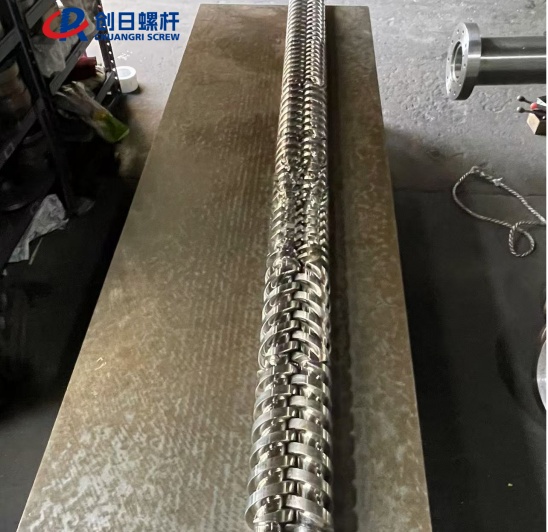
A CHUANGRI SCREW Bimetallic Twin-Screw Barrel boosts lasting quality a lot. It applies alloy layers that stand up to rubbing and rust. Therefore, it lasts longer than regular nitrided choices.
Twin Screw and Barrel Selection Guide: Top 10 Factors for 2026
Factor 1: Material Compatibility in Twin Screw and Barrel
Different polymers behave differently under heat and shear. PVC, PE, and engineering plastics require specific screw geometries and barrel materials to ensure proper plasticization.
Factor 2: End-Product Requirements and Quality Standards
Your final product—whether pipe, film, or recycled pellets—determines the required melt quality, strength, and surface finish.
Factor 3: Output Capacity and Throughput Requirements
High-output lines require screws with optimized geometry to maintain consistent throughput without overheating or instability.
Factor 4: Processing Efficiency and Energy Consumption
Efficient screw designs reduce energy consumption while maintaining stable melt flow, lowering operational costs.
Factor 5: Wear Resistance for Abrasive Materials
High filler materials like CaCO₃ can rapidly wear down standard screws. Using advanced alloy coatings is essential for durability.
Factor 6: Corrosion Resistance in Harsh Conditions
Recycled materials and certain additives can create corrosive environments, requiring specialized barrel materials.
Factor 7: Screw Geometry and Design Parameters
Parameters such as L/D ratio, compression ratio, and mixing zones directly influence melt uniformity and productivity.
Factor 8: Barrel Structure and Lining Technology
Barrel design, including cooling channels and internal coatings, affects temperature control and system stability.
Factor 9: Custom Twin Screw and Barrel Design Capability
Standard designs often fail to meet complex production needs. Custom solutions allow better matching between material and process.
Factor 10: Supplier Expertise and After-Sales Support
Technical aid and design knowledge prove vital for sustained work and issue resolution.
In everyday tasks, merging these points guides stronger choices. For one, an SPC Conical Twin-Screw Barrel suits high calcium blends. It provides stronger wear resistance and firm handling in PVC tasks.
Common Twin Screw and Barrel Problems and Optimization Tips
Even after the right choices, problems may occur in operation:
- Excessive wear due to abrasive fillers
- Inconsistent output from poor temperature control
- Material degradation caused by improper screw design
To refine performance:
- Use wear-resistant materials for high-fill applications
- Maintain proper temperature control across the barrel
- Regularly inspect the screw and barrel alignment
In reuse tasks, a Pelletizing Parallel Twin-Screw system can boost melt evenness. It also lessens contamination troubles. Thus, it guarantees steady pellet quality.
Twin Screw and Barrel Cost vs Value in 2026
A frequent error involves stressing only the starting price. In fact, the total cost covers:
- Maintenance and repair
- Production downtime
- Energy consumption
A cheaper screw could wear faster. This brings higher costs in the long term. Putting money into strong materials and adjusted plans typically yields improved returns.
Why Custom Twin Screw and Barrel Solutions Improve Results
At CHUANGRI SCREW, we find that numerous production troubles arise from mismatched screw and barrel setups. For that reason, we emphasize customized engineering solutions suited to each customer’s process.
We partner closely with clients to examine materials, production aims, and work conditions. Next, we create screw and barrel systems that enhance output and lessen wear. Our background in PVC, recycling, pipe extrusion, and high-fill tasks enables us to supply options that perform well and endure.
Take this case: By using advanced alloy layers and adjusting screw form, we assist customers in lengthening machine life. We also support steady product quality—even in tough conditions.
FAQ
Q: How to choose the right twin screw and barrel for PVC processing?
A: When picking a twin screw and barrel for PVC, center on wear resistance and mixing ability. High calcium carbonate levels demand bimetallic barrels and adjusted screw plans to avoid quick wear and secure firm output.
Q: What is the difference between bimetallic and nitrided twin screw and barrel?
A: Bimetallic systems provide better wear and corrosion resistance through alloy layers. This makes them suitable for rough materials. Meanwhile, nitrided options fit general plastics with fewer wear needs.
Q: How long does a twin screw and barrel typically last?
A: The duration depends on material, use, and care. Quality bimetallic twin screw and barrel systems endure much longer. This applies particularly in high-wear settings.
Q: Why does twin screw and barrel wear happen so quickly?
A: Quick wear typically results from rough fillers, weak material choices, or unfit screw plans. Selecting suitable materials and refining work conditions can reduce wear substantially.
Q: How can I improve twin screw and barrel performance in extrusion?
A: You can enhance performance by choosing the correct screw form, confirming the right temperature management, and applying wear-resistant materials. Tailored plans usually offer the strongest outcomes.

 consult
 WHATSAPP
 leave message
 top
top