Injection Molding Screw and Barrel Size Selection Guide 2026
Related news
-
Twin Screw and Barrel Selection Guide: Top 10 Factors for 2026
-
Top Injection Molding Screw and Barrel Suppliers 2026
-
Key Factors to Consider When Selecting a Screw and Barrel Manufacturer

-
Twin Screw and Barrel Upgrades to Reduce Wear and Improve Efficiency
-
Injection Molding Screw and Barrel Materials: A Complete Selection Guide
-
Parallel Twin Screw and Barrel Design: Key Factors That Affect Output, Plasticizing, and Wear Resistance
Injection Molding Screw and Barrel Size Selection Guide 2026
May. 29, 2026
161


Picking the right injection molding screw and barrel matters for keeping production steady. It also helps raise product quality and lower long-term maintenance costs. In 2026, manufacturers process more recycled plastics, glass fiber materials, and engineering resins than before. These materials put higher demands on screw shape, wear resistance, and plasticizing stability.
A poor match between screw and barrel can lead to unstable melt flow. It may also cause black specks, uneven injection pressure, fast wear, and extra downtime. When buyers understand the main sizing factors and material needs, they can raise molding speed and keep product quality steady.
This guide shows how to pick the right Injection Molding Screw and Barrel for different runs. It also explains how modern wear-resistant options help lengthen service life.
Injection Molding Screw and Barrel Size Selection Basics for 2026
The size of an injection molding screw and barrel covers more than just screw diameter. Several key factors work together to set the melting speed and injection steadiness. These factors include:
These values decide how plastic melts, mixes, squeezes, and moves during each cycle.
One frequent error is choosing a bigger screw just to raise output. In practice, an oversized system can create too much residence time. This happens when the shot size stays too small compared with barrel volume. The result often shows resin breakdown, color shifts, and black specks.
A well-matched injection molding screw and barrel support these results:
|
Key Parameter |
Production Benefit |
|
Correct shot utilization |
Stable melt quality |
|
Proper screw diameter |
Better pressure control |
|
Suitable L/D ratio |
Improved mixing efficiency |
|
Balanced compression ratio |
Consistent plasticizing |
Precision molding jobs need a careful balance between shot size and barrel capacity.
Key Parameters for Choosing Injection Molding Screw and Barrel Size
Shot Size, Barrel Capacity, and Screw Diameter
Shot size should stay inside a safe range of total barrel capacity. If the shot size is too small, resin may remain in the barrel too long and break down. If it is too large, plasticizing stability can drop.
Screw diameter also controls these points:
- Melt output
- Recovery speed
- Shear rate
- Injection consistency
Smaller screws often give better accuracy for electronic and medical parts. Larger screws serve automotive and industrial items that need higher output.
An injection molding screw built for high-speed thin-wall molding usually focuses on steady plasticizing and quick recovery rather than simple size growth.
L/D Ratio, Compression Ratio, and Plasticizing Stability
The L/D ratio has a strong effect on melting speed and mixing quality.
|
Application |
Typical L/D Ratio |
|
General molding |
18:1–22:1 |
|
Engineering plastics |
22:1–24:1 |
|
High-mixing applications |
24:1+ |
Higher L/D ratios usually work better for hard-to-melt materials that need steady heat control.
The compression ratio is just as important. Different materials need different compression settings:
- PE and PP usually take lower compression ratios
- ABS often uses medium compression
- Glass fiber materials need special wear-resistant designs
Wrong compression settings can create uneven melt flow and too much shear heat.
Screw Tip, Check Ring, and Front-End Configuration
The front-end assembly controls injection repeat accuracy and sealing steadiness.
A high-quality injection molding barrel paired with a weak check ring can still cause leaks and uneven shot size.
Key points to check include:
These details grow more important in precision molding work.
Material Compatibility and Wear Resistance for Injection Molding Screw and Barrel
General-Purpose Plastics vs Engineering Plastics
General-purpose materials such as PP, PE, ABS, and PS often run on nitrided systems. These systems give steady wear resistance at a reasonable cost.
Engineering plastics like PA, PC, PPS, and PEEK run at higher temperatures and create stronger abrasion. These materials need better heat stability and stronger alloy protection.
A bimetallic injection molding screw and barrel is often the better choice for these tough jobs. It gives stronger wear and corrosion resistance.
Glass Fiber, Recycled, Filled, and Corrosive Materials
Glass fiber materials and recycled plastics rank among the toughest on standard screw and barrel systems.
These materials often carry abrasive particles or dirt that speed up wear inside the barrel.
To raise durability, manufacturers now choose:
- Bimetallic barrels
- Hardened screw flights
- Wear-resistant alloy coatings
- Corrosion-resistant materials
These upgrades cut downtime and extend the running life.
Nitrided vs Bimetallic Injection Molding Screw and Barrel
Nitrided systems see wide use in standard molding because they deliver reliable surface hardness at a lower cost.
Under heavy abrasive conditions, nitrided systems can wear faster.
A bimetallic injection molding barrel holds a wear-resistant alloy liner. This liner greatly improves resistance to abrasion and corrosion. These systems work well with engineering plastics, glass fiber materials, and recycled compounds.
Modern injection molding screw and barrel production also uses materials such as:
These alloys raise wear resistance and heat stability in tough production settings.
How to Match Injection Molding Screw and Barrel Size with Production Needs
Small Precision Parts and Low Shot Weight Applications
Precision molding needs accurate metering, steady melt pressure, and consistent plasticizing.
Smaller screw diameters often suit:
- Medical components
- Electronic connectors
- Thin-wall precision products
These systems improve injection steadiness and reduce pressure swings.
Large Parts, High Output, and Long Cycle Production
Large automotive and industrial parts need higher plasticizing capacity and faster recovery.
In these runs, larger Injection Molding Barrel systems improve:
- Melt output
- Production efficiency
- Recovery speed
- Long-cycle stability
Wear resistance also matters because large-scale runs create higher mechanical stress.
Color Change, Material Change, and Cleaning Frequency
Frequent color changes need screw designs that cut dead zones and material hold-up.
Poor screw shape can raise:
This point becomes critical for clear products and recycled material runs.
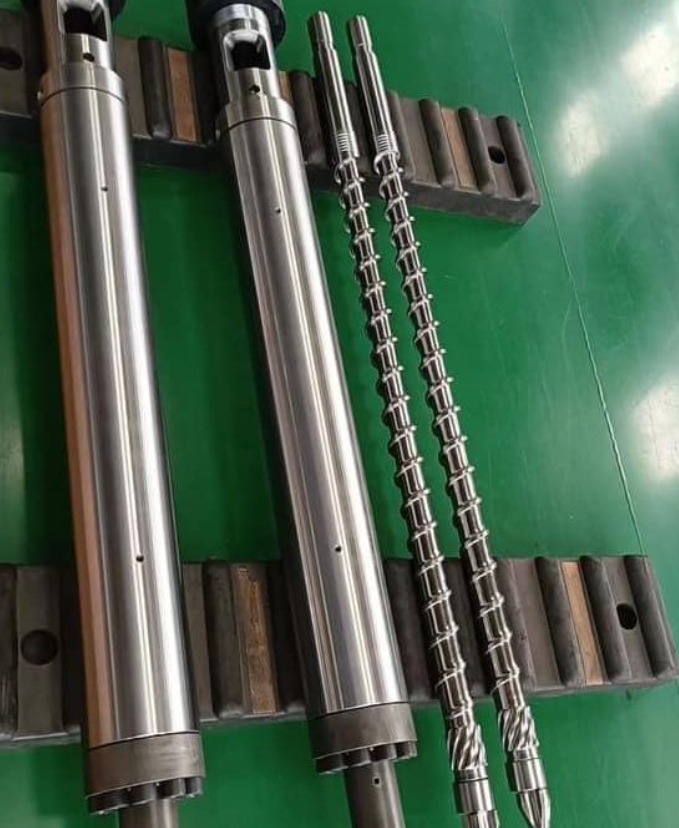
Injection Molding Screw and Barrel Selection Checklist for Buyers
Before ordering an injection molding screw and barrel, buyers should confirm:
Several warning signs may show the need for upgraded screw and barrel solutions:
CHUANGRI SCREW Injection Molding Screw and Barrel Manufacturing Strengths
At CHUANGRI SCREW, we match screw shape, material choice, and wear resistance to real processing conditions. We avoid one-size-fits-all answers.
We supply solutions for:
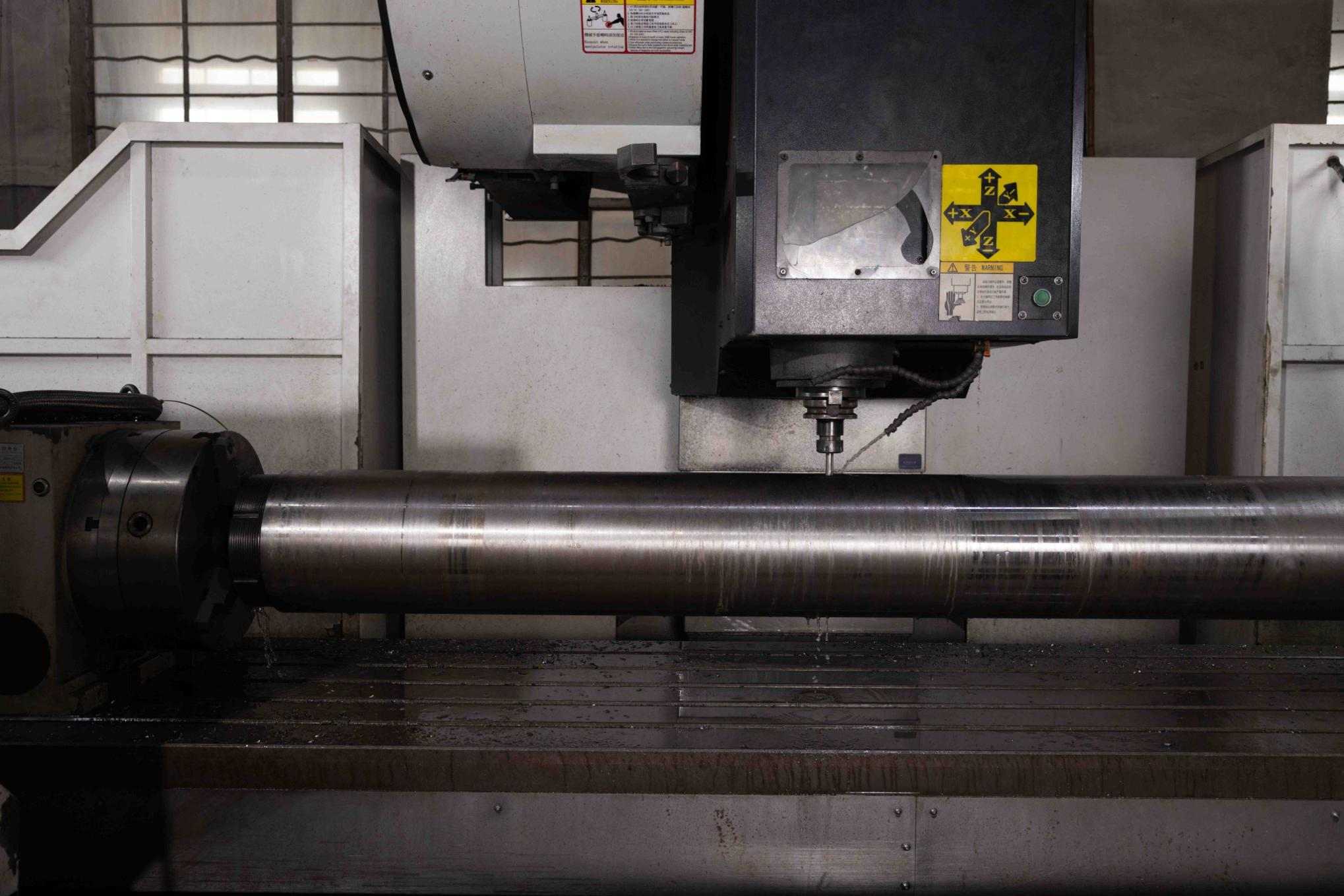
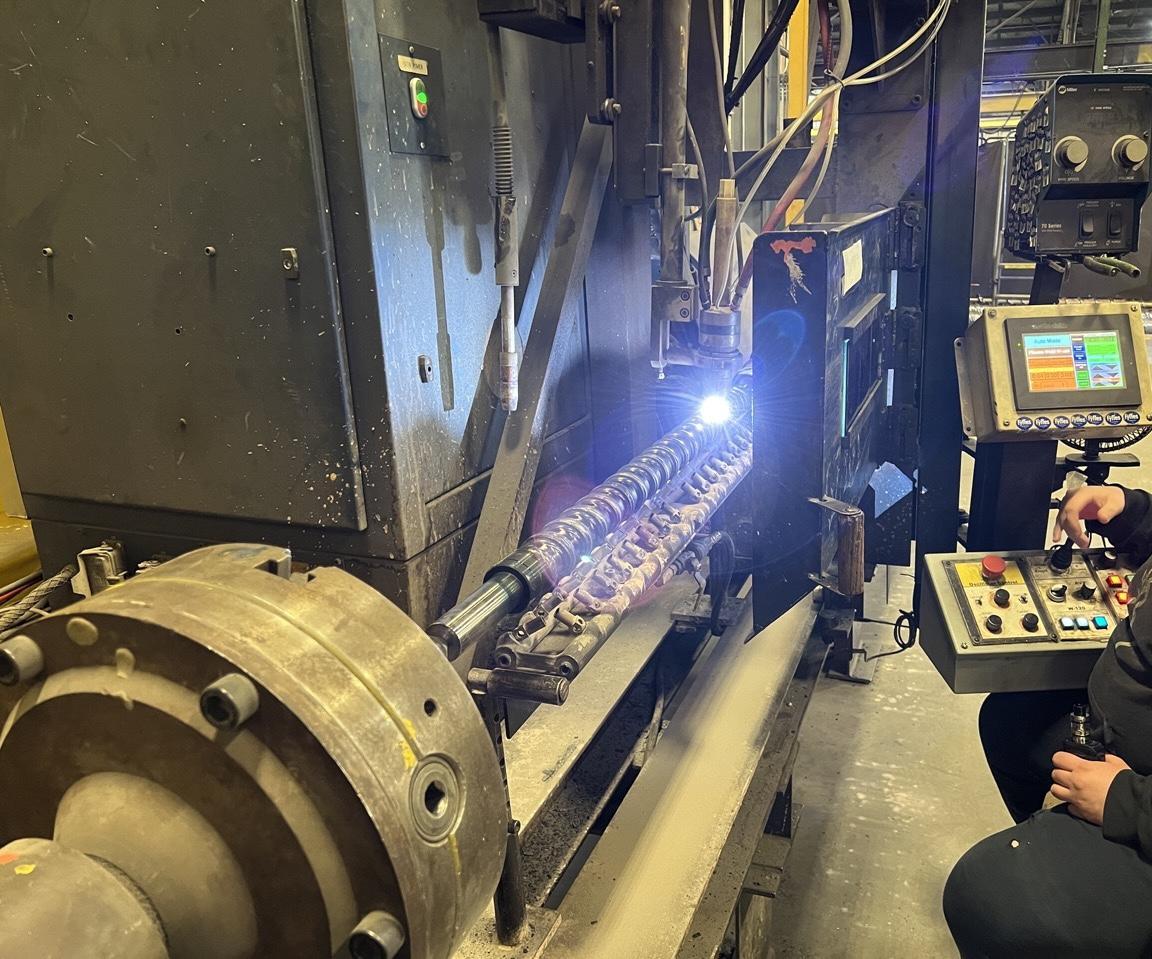
Our production process stresses CNC precision machining, stable concentricity, and accurate screw-barrel fit. These steps raise long-term injection steadiness.
For tough production settings, we offer:
- Injection Molding Screw
- Injection Molding Barrel
- Bimetallic Injection Molding Screw and Barrel
These products target abrasive materials and high-wear conditions where standard nitrided systems may fail early.
By combining wear-resistant alloys, precision machining, and application-based screw design, we help manufacturers raise processing stability and lower long-term maintenance costs.
FAQ
Q: How do I choose the right Injection Molding Screw and Barrel size?
A: The right size depends on shot weight, material type, machine capacity, and product precision. Proper matching improves melt stability and reduces resin breakdown.
Q: When should I use a Bimetallic Injection Molding Screw and Barrel?
A: Bimetallic systems work well for glass fiber materials, recycled plastics, engineering resins, and other abrasive conditions.
Q: What causes Injection Molding Screw and Barrel wear?
A: Common causes include abrasive fillers, corrosive additives, too much shear heat, poor material choice, and incorrect screw-barrel matching.
Q: How long does an Injection Molding Screw and Barrel typically last?
A: Service life depends on processing materials, operating conditions, maintenance quality, and surface treatment. Wear-resistant alloys and bimetallic liners greatly extend running life.

 consult
 WHATSAPP
 leave message
 top
top