Replacement Injection Molding Barrel Specifications: What Must Match the Existing Machine?
Related news
Replacement Injection Molding Barrel Specifications: What Must Match the Existing Machine?


Replacing an injection molding barrel requires more than selecting the same diameter. The replacement injection molding barrel must match the machine structure, screw dimensions, installation requirements, processing materials, and operating conditions. Incorrect specifications can cause poor plasticizing, unstable injection, leakage, pressure variation, and premature wear. Treat the barrel and screw as a working system, then confirm the interfaces and process conditions.
Why Replacement Injection Molding Barrel Specifications Matter for Machine Compatibility
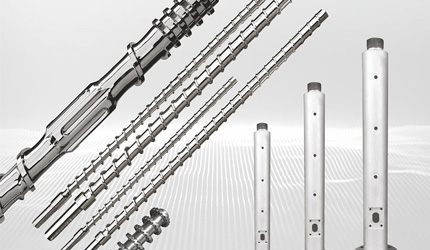
An injection molding barrel is a precision component inside a larger injection unit. Compatibility depends on the bore, screw, nozzle, flange, heaters, cooling elements, mounting points, and machine movement. Replacement barrel specifications should be confirmed as a set rather than selected from one diameter.
Why an Injection Molding Barrel Is Not a Universal Replacement Part
Different machines can use different barrel lengths, screw designs, connection details, and installation positions even when nominal diameters appear similar. The same injection barrel diameter does not prove that the screw profile, processing length, nozzle interface, or mounting arrangement will fit. Screw and barrel clearance determines whether the screw rotates smoothly. This is the practical basis of injection molding barrel compatibility.
How Incorrect Barrel Specifications Affect Injection Molding Performance
An incorrect barrel can create unstable plasticizing, inconsistent melt quality, leakage, and pressure variation. A bore that is too large increases running clearance and may allow more melt backflow; a bore that is too small can interfere with rotation. Incorrect length, nozzle, flange, or mounting dimensions can prevent proper operation.
Key Replacement Injection Molding Barrel Dimensions That Must Match
The key dimensions define the machine interface and working space around the screw. Confirm them against drawings or measured components rather than estimating from a product name.
Barrel Inner Diameter and Screw Diameter Compatibility
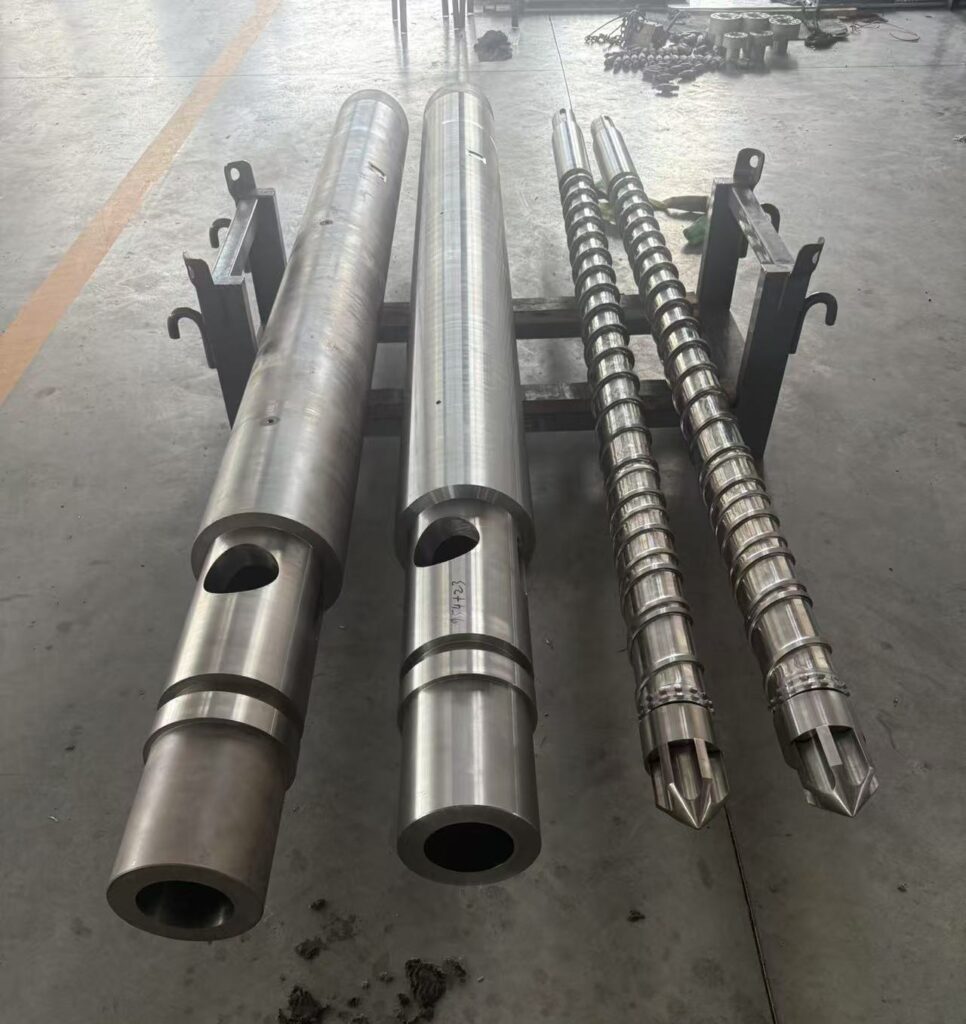
Check the barrel bore and screw diameter together. Measure the barrel inner diameter at relevant positions and compare it with the screw flight outside diameter. This identifies taper, ovality, local enlargement, or uneven wear and establishes the required screw and barrel clearance. A replacement injection molding barrel must provide the correct running relationship for the existing screw, not just a similar bore. CHUANGRI SCREW documents CNC-machined injection molding barrels and fit-related inspection, but the final specification depends on the machine.
Barrel Length and L/D Ratio Requirements
Barrel length affects the processing length available for feeding, melting, mixing, and metering. Consider the L/D ratio with the existing screw design and resin. General-purpose resin, engineering plastic, and materials with different melting behavior may need different effective lengths. Confirm reference points, screw stroke, injection-unit travel, and functional-section positions before manufacturing.
Flange, Nozzle, and Installation Dimensions
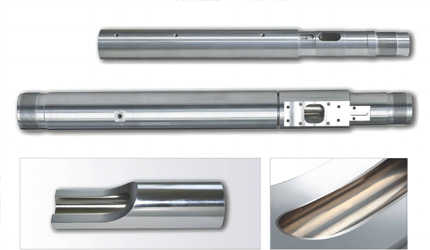
Flange dimensions, nozzle interface, mounting position, heaters, cooling channels, thermocouple locations, and surrounding clearances affect installation. The nozzle must align with the mold-side system and the rear connection must sit correctly in the injection unit. An RFQ should include drawings, the old barrel, or dimensional photographs.
How to Match a Replacement Injection Molding Barrel With the Existing Machine
Good purchasing decisions begin with technical information that defines the machine interface and barrel-screw relationship.
Confirm Injection Machine Brand, Model, and Barrel Configuration
Provide the machine manufacturer, model, injection-unit information, screw diameter, shot size, and barrel configuration. Add photographs of the injection unit, removed barrel, nozzle end, rear flange, heaters, and cooling connections. The machine model is a starting reference, not the complete specification.
Match Screw Design Before Ordering a Replacement Barrel
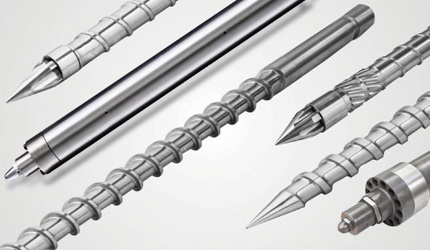
Do not order a barrel independently of the screw. Confirm screw diameter, compression ratio, flight profile, material type, tip assembly, and existing wear. If the screw flight has become smaller or the barrel bore larger, using worn dimensions as the target can preserve inefficient clearance. Specify both parts as one working system.
Verify Drawing Data Instead of Relying Only on Machine Nameplates
Original drawings provide the clearest basis for flange, nozzle, centerline, mounting, and heating details. Without drawings, measurement and technical confirmation become essential. A custom replacement injection molding barrel can suit an old or non-standard machine after its geometry is confirmed.
Choosing the Right Material for a Replacement Injection Molding Barrel
Material selection should follow the resin, filler, temperature, corrosion exposure, and wear mechanism. A standard barrel may suit general molding, while filled or corrosive materials may require protected surfaces.
Standard Barrel Materials for General Injection Molding Applications
38CrMoAlA can be considered as a standard barrel-material example for general injection molding when compatible with the machine and process. Confirm bore geometry, surface treatment, screw pairing, and operating environment because plastics place different demands on temperature, shear, and wear.
When Bimetallic Barrels Are Needed for Wear and Corrosion Resistance
A bimetallic barrel may be considered when abrasive fillers, engineering plastics, or corrosive materials create a stronger wear environment. The suitable option depends on resin, filler, contamination, temperature, corrosion exposure, and wear location. CHUANGRI SCREW records bimetallic processing with a documented concept involving a nickel-alloy matrix and dispersed tungsten-carbide particles. This is conditional, not a universal guarantee. See the related barrel material and treatment options for planning.
How Surface Treatment Affects Replacement Barrel Performance
Nitriding, bimetallic lining, and alloy protection should be selected with the base material and resin system. Nitriding may suit moderate wear, while bimetallic protection may suit stronger exposure. Surface treatment cannot replace accurate machining or inspection.
Inspection Checklist Before Installing a Replacement Injection Molding Barrel
Inspection should confirm the part and its relationship with the injection unit.
Check Barrel Bore Accuracy and Surface Condition
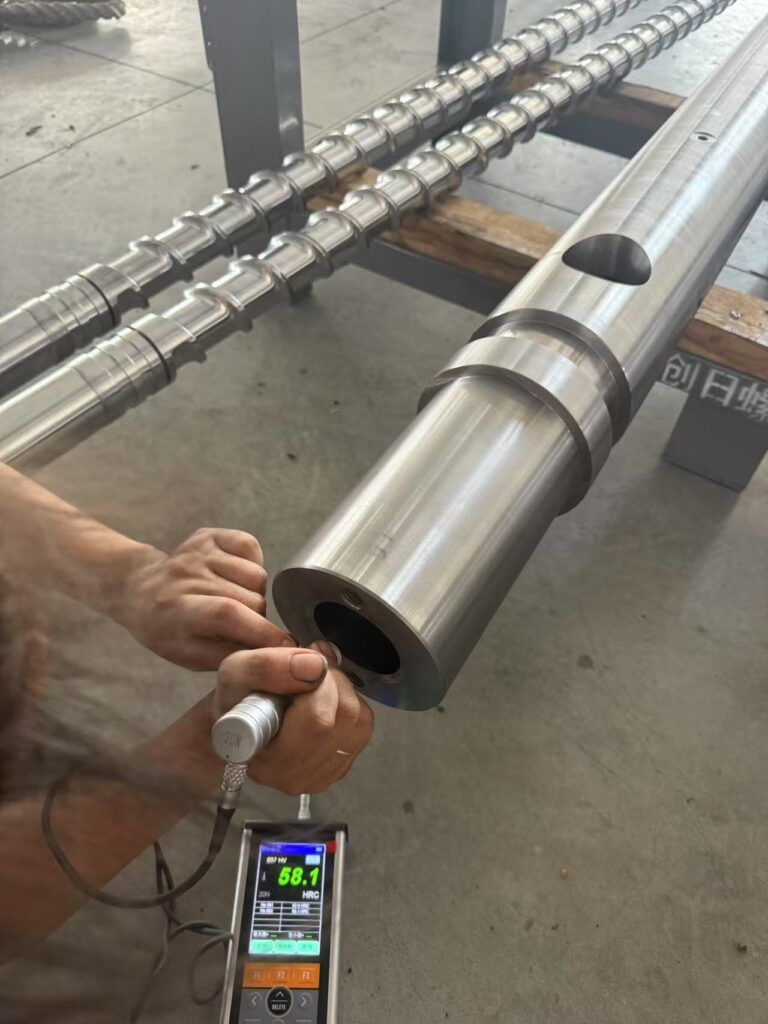
Check inner diameter at matched positions, bore straightness, surface finish, visible damage, and flange and nozzle interfaces. Coordinate-measuring equipment, inside-diameter gauges, and hardness testing support geometry and surface checks. Look for local enlargement, taper, ovality, scoring, or a condition that could increase melt leakage.
Verify Screw-Barrel Fit and Running Clearance
Measure the matched screw against the barrel specification and verify concentricity, running clearance, and smooth rotation. The screw should not bind, scrape, or show abnormal contact. Compare barrel ID and screw flight OD at corresponding positions rather than relying on one average number.
Confirm Final Assembly Before Production Restart
Confirm flange seating, nozzle alignment, heaters, cooling, thermocouples, fasteners, and screw rotation. Run a controlled trial with the intended resin and observe recovery, melt stability, injection behavior, leakage, and abnormal noise. CHUANGRI SCREW documents acceptance checks for fit clearance, concentricity, surface hardness, dimensional accuracy, and screw-to-barrel fit.
How Custom Replacement Injection Molding Barrels Solve Machine Matching Challenges
Custom manufacturing suits old machines, modified equipment, special materials, and non-standard dimensions. Its purpose is to reproduce the required machine interface and working geometry.
Why OEM Replacement Barrels Often Require Custom Manufacturing
Older equipment may have incomplete drawings, a modified nozzle, replaced heaters, or a non-original barrel configuration. Special resins, fillers, or corrosive environments may require different material or surface treatment. Specify the replacement from drawings, measurements, photographs, screw data, and operating conditions rather than a generic catalog size.
How Precision Manufacturing Ensures Replacement Barrel Performance
At CHUANGRI SCREW, we document CNC machining, grinding, polishing, dimensional inspection, fit inspection, and customized production for plastic machinery components. This workflow connects the bore, interfaces, and matched screw relationship in one record. Custom plastic machinery components should still be reviewed against approved drawings and final inspection results.
FAQ
Q: What Specifications Should Match When Replacing an Injection Molding Barrel?
A: Match the bore, screw design, running clearance, effective length, L/D relationship, interfaces, utilities, material, and surface treatment.
Q: How Do I Choose the Right Replacement Injection Molding Barrel Size?
A: Use the machine model as a reference, then confirm drawings or measurements for the bore, screw, length, interfaces, and installation position. Do not select by diameter alone.
Q: Can a Replacement Injection Molding Barrel Be Customized for an Existing Machine?
A: Yes. Custom manufacturing can address old, modified, or non-standard equipment when reliable drawings, measurements, photographs, screw information, and operating conditions are available.
Q: Should the Screw Also Be Replaced With a Replacement Injection Molding Barrel?
A: Not always, but the screw must be inspected and matched. If its flight diameter, geometry, or surface condition has changed, replacing only the barrel may preserve unsuitable clearance.
Q: What Materials Are Used for a Replacement Injection Molding Barrel?
A: Options may include 38CrMoAlA, nitrided surfaces, and bimetallic or alloy-protected structures. Resin and wear mechanism determine the suitable choice.

 consult
 WHATSAPP
 leave message
 top
top