Injection Moulding Barrel Repairs vs. Buying New: 2026 Guide
Related news
-
Parallel Twin Screw Barrel: Best Specs for High Output Lines in 2026
-
Best Twin Screw and Barrel for PVC Processing in 2026
-
Injection Molding Screw Types: How to Choose the Right Screw for Your Plastic Material
-
Twin Screw and Barrel Performance Comparison: Nitrided vs Bimetallic

-
Injection Molding Machine Screw Barrel Material Hardness: How to Choose for Maximum Wear Resistance
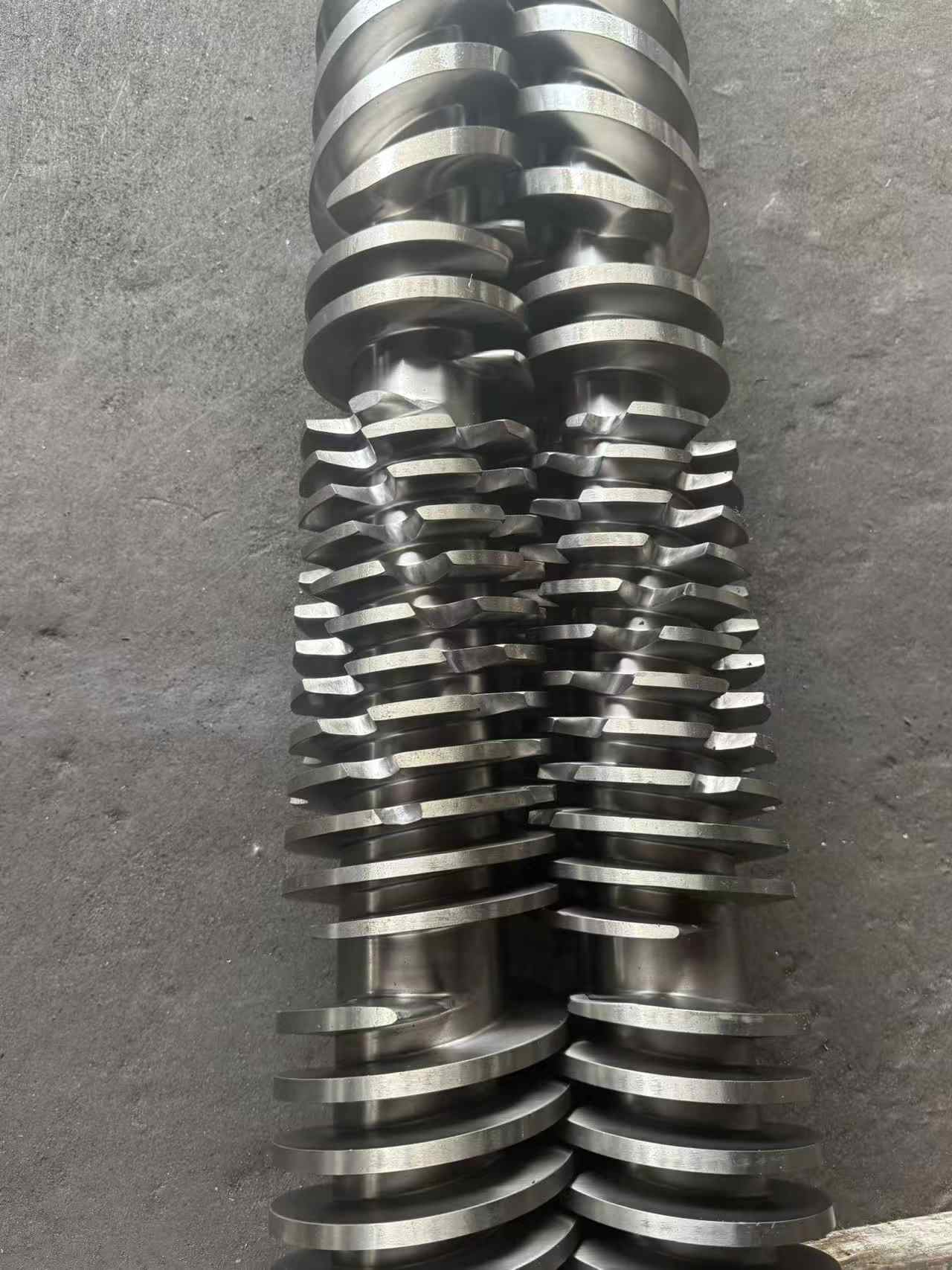
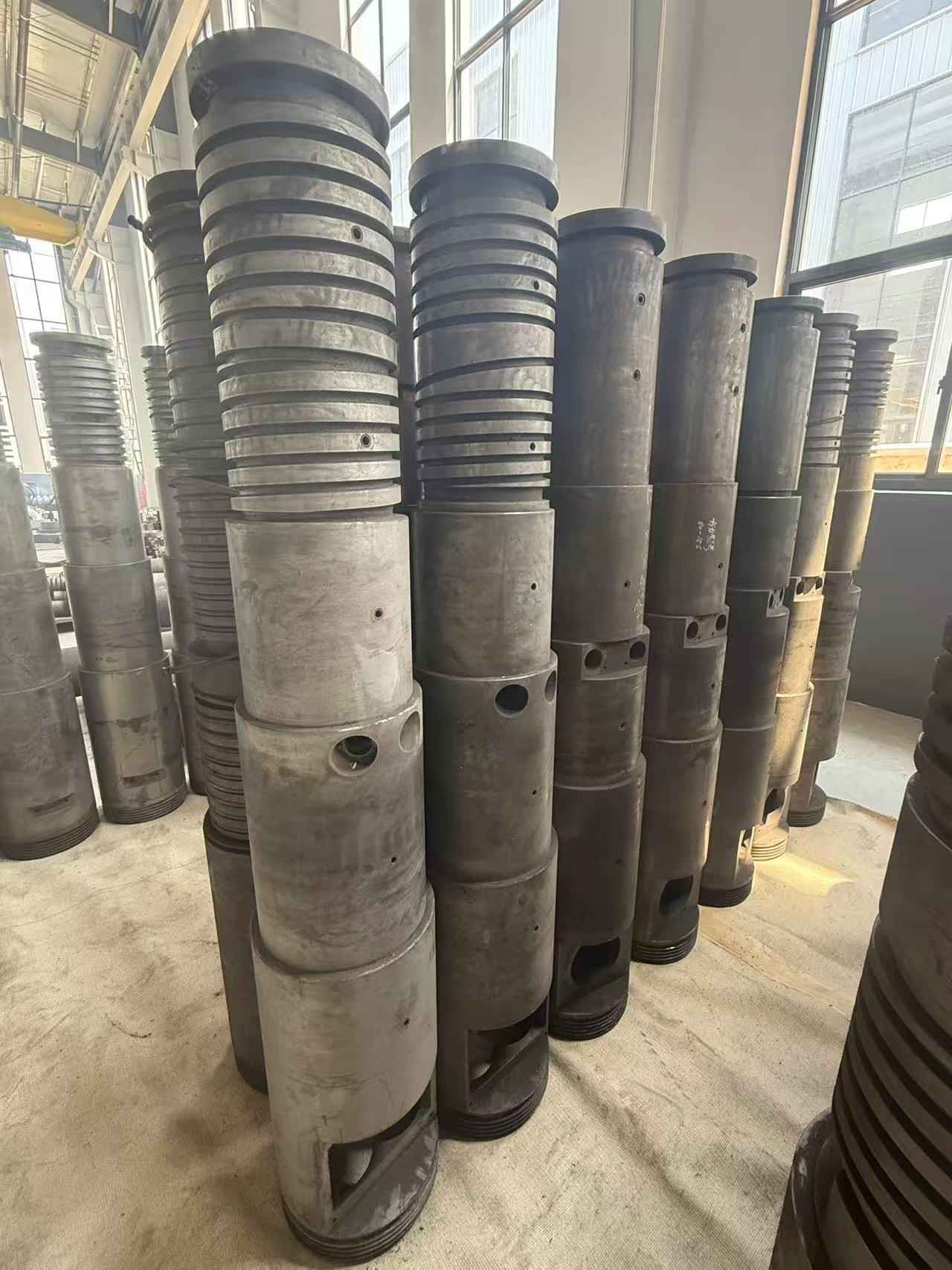
Injection Moulding Barrel Repairs vs. Buying New: 2026 Guide


Understanding Injection Moulding Barrels and Their Critical Role
What is an Injection Moulding Barrel and How Does it Work?
An injection moulding barrel serves as a main part of plastic processing machinery. It holds the screw. The screw carries out three key functions. It moves solid resin forward. It melts the material with careful heat and shear. It also measures the molten plastic into the mould. How well this process works decides product quality. It affects consistency and output speed. A good barrel design creates an even melt. It shortens cycle times. It also cuts waste amounts. These points matter a lot for many industries. They range from household goods to automotive and medical devices.
Key Materials and Manufacturing Processes of Injection Barrels
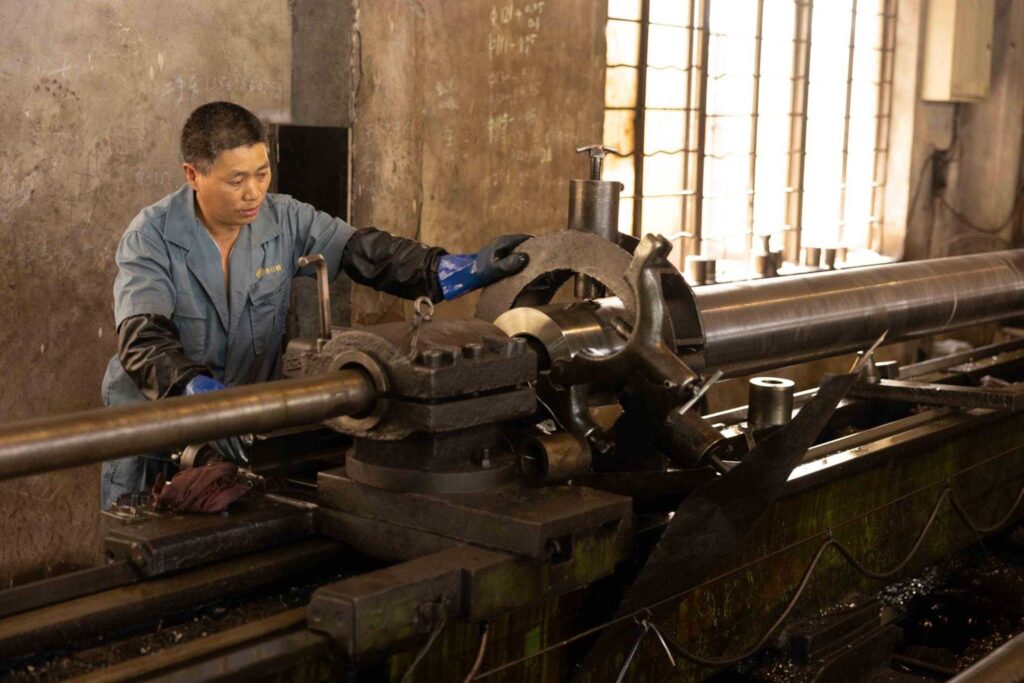
Barrels are typically made from high-grade steels such as 38CrMoAlA, AISI 4140, D2, and SKD61. Advanced processes like nitriding, bimetallic coating, and solid carbide overlays improve wear and corrosion resistance. They also increase thermal stability and overall service life. Precision matters greatly. Tight tolerances apply to bore diameter, straightness, and surface roughness. Heat treatment creates the right hardness and toughness. CNC machining and honing produce a smooth inner bore. This supports good plasticizing efficiency.
Common Performance Metrics and Wear Indicators
Barrel wear shows up as inner bore scoring. It can cause uneven melt flow or surface corrosion. Output may drop as well. These signs help operators decide when action is necessary. Several factors contribute to the problem. They include resin type, filler content, temperature changes, and screw-barrel alignment. Spotting these signs early prevents defects. It improves part quality. It also reduces production downtime.
Common Causes of Injection Moulding Barrel Damage
Abrasive and Corrosive Material Effects
Plastics containing fillers such as glass fiber or calcium carbonate speed up wear. Abrasive or corrosive resins can damage standard nitrided barrels quickly. This reduces lifespan and leads to inconsistent melt. Bimetallic barrels feature wear-resistant alloys. They provide better durability in these conditions.
Thermal and Mechanical Stress Impacts
Repeated high-temperature cycles can distort barrels. This causes misalignment and uneven shear. Misaligned screws make material degradation worse. They lead to poor surface finish and possible part rejection. Understanding these stressors is very important. It helps with proper maintenance or replacement strategies.
Maintenance Practices and Their Limitations
Routine cleaning, lubrication, and alignment inspections extend barrel life. Yet they cannot fully handle high-stress or high-abrasion conditions. Some barrels still need repair or replacement despite careful maintenance. Setting up an inspection routine is essential. Monitoring critical wear zones allows timely action.
Advantages of Repairing Injection Moulding Barrels
Methods for Barrel Repair and Rebuilding
Repairs include re-boring, honing, overlay welding, and relining. Partial repairs restore worn areas without the full cost of replacement. These methods work well for barrels with moderate wear or minor surface damage.
Cost Efficiency and Reduced Downtime
Repairing barrels can often happen faster than ordering new equipment. This reduces disruption to production. Quick action keeps machines running. It also extends barrel life. Rapid service and skilled work support operational continuity.
Preserving Original Barrel Specifications
Repairing critical areas keeps bore diameter, concentricity, and screw fit in good condition. These details are essential for consistent material flow. Precision in these areas creates a uniform melt. It reduces shear variability. It also supports high-quality end products.
In situations where advanced coatings or alloys are required, custom solutions such as bimetallic liners or solid carbide overlays can be applied during repair. They enhance durability and performance.
Advantages of Buying a New Injection Moulding Barrel
Enhanced Material and Coating Technologies
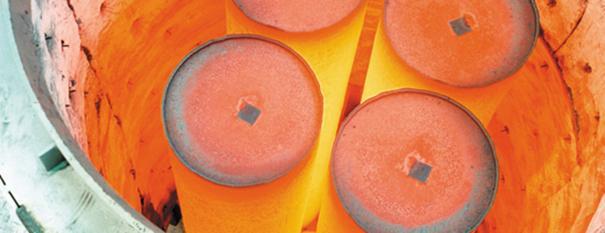
Modern barrels take advantage of state-of-the-art alloys and coating technology. The bimetal barrels that have a coating made from tungsten carbide provide excellent wear resistance properties. In addition, solid carbide barrels are ideal for abrasion-resistant resins. Electroplating or high velocity oxygen fuel coating provides good corrosion and wear resistance.
Improved Performance and Production Quality
Installing a new barrel improves melt homogeneity. It shortens cycle times. It also stabilizes output. Optimized barrel-screw interactions create consistent shear and mixing. They produce uniform parts with better surface finish. These benefits stand out clearly when processing high-filler or corrosive materials.
Long-Term Reliability for High-Demand Operations
For high-volume production lines, new barrels deliver dependable performance over long periods. Choosing the right coated or alloyed barrels lowers the chance of unexpected failures. They support continuous operation and steady product quality.
Products such as the Bimetallic SKD Liner Barrel are engineered for high-calcium or abrasive resins, while solid carbide injection moulding screws complement these barrels for maximum wear resistance and consistent plasticizing performance. PE HDPE pipe extruder high-speed screws can also benefit from paired barrel upgrades to optimize melt quality in specialized applications.
Decision-Making Criteria: Repair vs. Replace
Evaluating Barrel Wear Severity
Inspection of feed, compression, metering, and mixing zones helps determine the need for repair or replacement. Deep grooves, deformation, or corrosion may show that repair alone is not enough.
Matching Barrel Material to Processing Requirements
The choice of the right material for the barrel is important. Nitride barrels do well when used with common plastics. Bimetallic barrels do well with abrasion or corrosive resins. The alloy chosen must correspond with the filler, temperature, and screw construction.
Production and Operational Considerations
Factors such as production urgency, batch size, and screw compatibility influence the decision. Repairs work for moderate wear and shorter production cycles. New barrels offer long-term reliability and optimal performance for high-demand operations.
CHUANGRI SCREW Barrel Solutions and Customization Options
Tailored Barrel Designs for Injection Moulding
We offer custom barrel lengths and diameters for any screw type. These optimize shear, mixing, and plasticizing efficiency. CHUANGRI SCREW’s bimetallic SKD liner barrels are ideal for high-abrasion materials, while solid carbide injection moulding screws and PPR Pipe Extruder High-Speed Screws provide complementary solutions for uniform melt and extended service life.
High-Performance Coating and Alloy Options
Advanced coatings such as chromium, titanium, and HVOF-welded alloys improve wear and corrosion resistance. Tungsten carbide and nickel-rich alloys protect high-wear zones. They extend barrel lifespan and enhance process consistency.
Support and Rapid Turnaround Services
Emergency repairs, rapid production scheduling, and global logistics ensure that critical barrels are repaired or replaced with minimal downtime. Customization options allow matching to specific resin types, filler content, and operational requirements. They support efficient and reliable production.
FAQ
Q: How do I know when an injection moulding barrel needs repair?
A: Check for scoring on the inner surface. Look for melt flow that is uneven. Search for signs of corrosion. Notice any reduction in output. Regular inspections of critical zones help identify wear early. They prevent it from affecting product quality.
Q: What types of injection moulding barrels are best for abrasive plastics?
A: Bimetallic barrels with tungsten carbide coatings resist wear effectively. Solid carbide barrels provide similar protection. They work well for high-filler materials. Glass fiber or calcium carbonate are typical examples of these materials.
Q: Can a worn injection moulding barrel be repaired effectively?
A: Yes, it is possible. Partial or full repairs can restore performance well. Methods such as re-boring, honing, and overlay welding achieve this goal. These repairs are especially useful for barrels with moderate wear. They also work when deformation remains minimal.
Q: What are the benefits of replacing an injection moulding barrel instead of repairing it?
A: New barrels bring advanced materials and coatings with them. They ensure uniform melt quality. They shorten cycle times at the same time. They offer long-term reliability, too. These features prove valuable in high-demand production lines.
Q: How can I ensure optimal barrel-screw performance for my production?
A: Match the barrel material, coating, and diameter to the screw design. The resin type must fit as well. Custom solutions help achieve optimal results. Bimetallic or solid carbide barrels serve as good examples. They improve melt consistency. They also increase wear resistance.

 consult
 WHATSAPP
 leave message
 top
top