

How Parallel Screw Barrel Design Affects Energy Consumption in Extrusion
Related news
How Parallel Screw Barrel Design Affects Energy Consumption in Extrusion


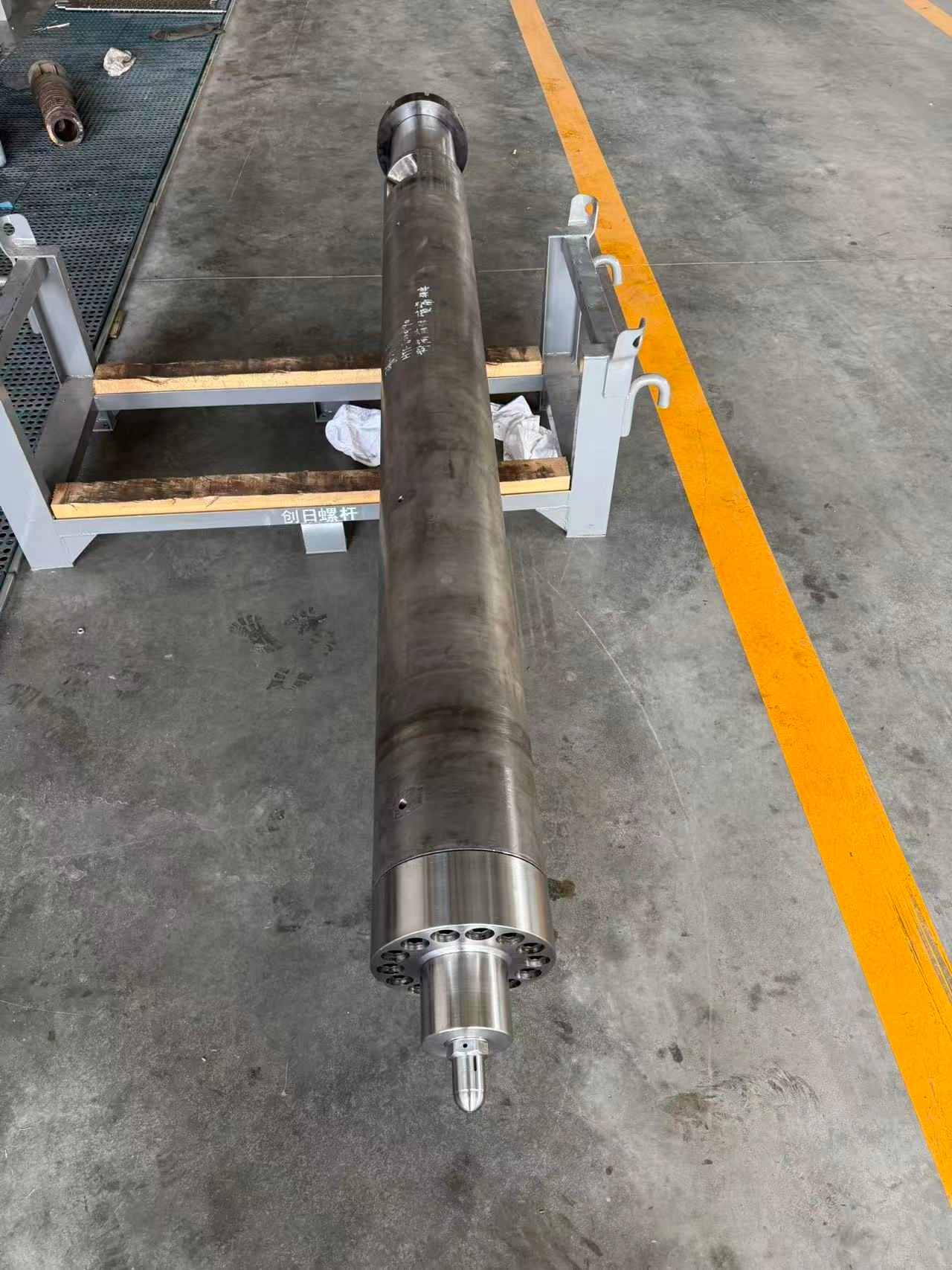
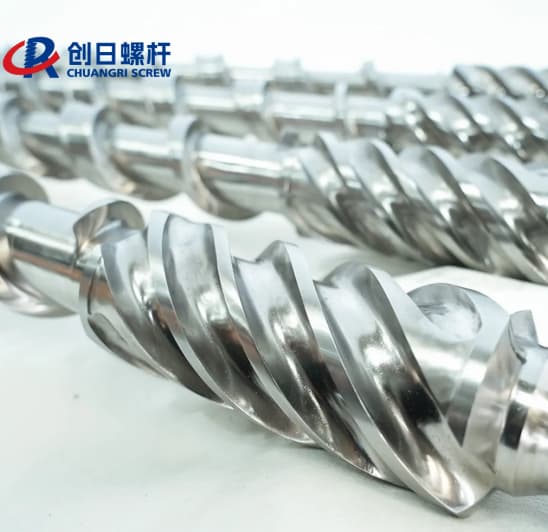
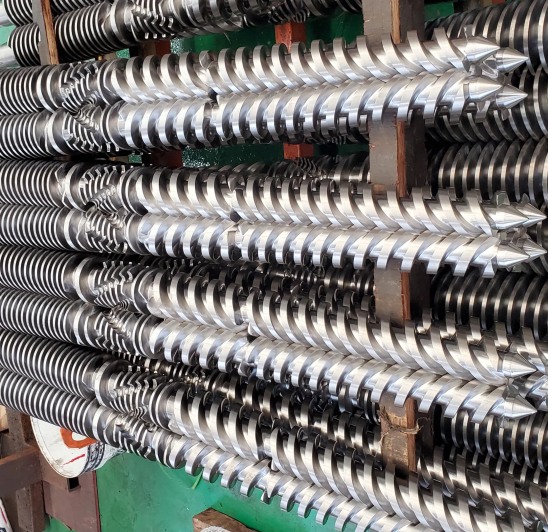
A Parallel Screw Barrel affects energy consumption through how it conveys, compresses, melts, mixes, and pressurizes polymer. The relevant comparison is specific energy consumption: kWh per kilogram of acceptable product, not motor power alone. Pitch, channel depth, fill level, compression, mixing intensity, L/D ratio, clearance, and surface condition can change torque, shear heat, melt temperature, cooling demand, throughput, and stability. A lower reading matters only when quality remains within specification.
How Parallel Screw Barrel Design Controls Energy Transfer During Extrusion
Mechanical Energy vs Thermal Energy in Parallel Twin Screw Extrusion
The motor supplies mechanical energy through rotation, torque, conveying resistance, compression, and shear. Heaters supply thermal energy, while cooling removes excess heat. These paths interact: mechanical work can become viscous dissipation, reducing heater demand in one zone while increasing cooling demand in another.
The target is a stable window. Too little energy can leave unmelted polymer or poor dispersion; too much compression or shear can raise melt temperature, degradation risk, and cooling demand. Feed form, filler content, moisture, and die resistance also change torque and heat generation. Evaluate the barrel as part of the energy-transfer system.
Why Specific Energy Consumption Is More Useful Than Motor Power Alone
Use:
Specific energy consumption (kWh/kg) = relevant energy input (kWh) ÷ acceptable product output (kg)
Compare the same formulation, moisture, output rate, die resistance, and steady-state period. Record torque, throughput, melt temperature, pressure, and rejected output. A smaller kW value is not efficient if it produces unstable pressure, incomplete melting, poor dispersion, or more scrap. The denominator is acceptable product, not material merely passing through the die.
Parallel Screw Geometry Affects Shear, Torque, and Energy Consumption
How Screw Pitch, Channel Depth, and Fill Level Change Mechanical Load
Pitch affects conveying and pressure development. Channel depth changes free volume and channel filling, which affect compression, intermeshing action, and shear. The practical chain is:
geometry -> fill and pressure -> conveying resistance and torque -> mechanical energy input
A larger free volume is not automatically more efficient, and a restrictive section is not automatically better for mixing. Unstable feeding prevents consistent filling; excessive compression or die resistance can raise torque without improving useful output.
CHUANGRI SCREW treats parallel geometry as application-dependent. Parallel describes an essentially consistent diameter along the processing length; it does not define rotation direction, material suitability, or energy performance.
Why Excessive Compression and Mixing Intensity Can Waste Energy as Shear Heat
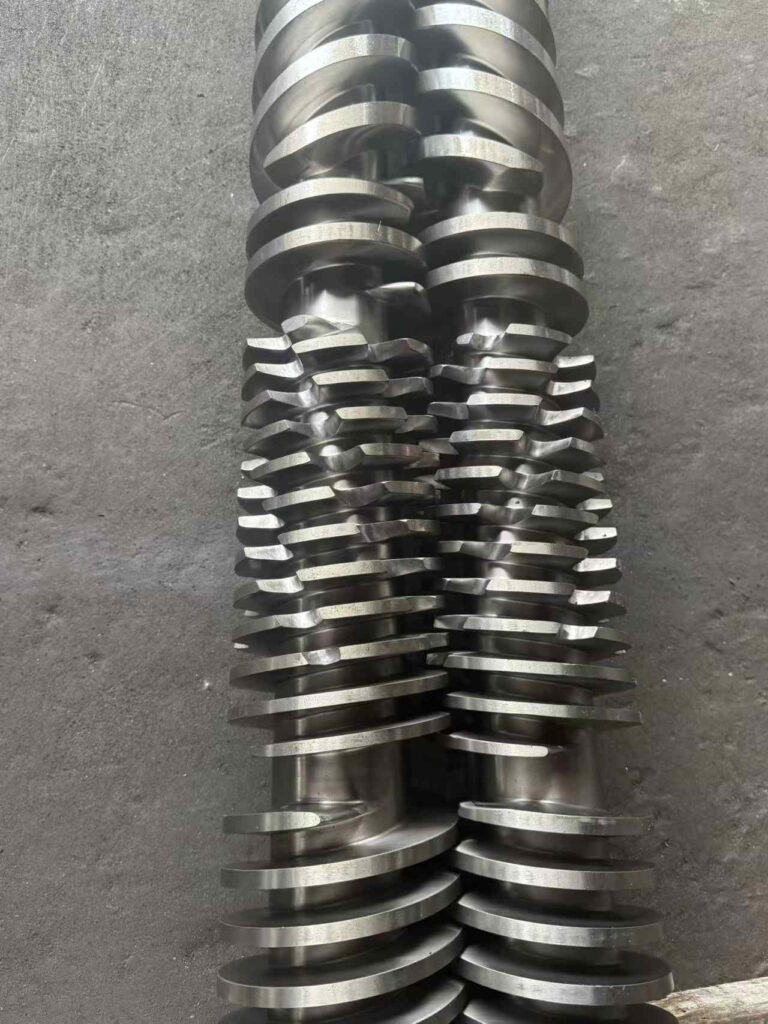
Mixing energy is necessary to disperse fillers, distribute additives, break agglomerates, or homogenize phases. The question is whether geometry provides enough energy. After required dispersion and fusion, additional shear mainly adds dissipation, torque, and thermal load.
Excessive compression increases pressure-related work, while excessive mixing can raise melt temperature faster than barrel control can remove heat. High motor load, rapid temperature rise, discoloration, viscosity drift, and continuous cooling are warning signs. Preserve the required mixing duty while removing unnecessary resistance.
L/D Ratio and Processing Zone Design Influence Extrusion Energy Efficiency
Choosing Enough L/D Without Adding Unnecessary Thermal and Shear History
L/D provides length for feeding, melting, mixing, venting, pressure stabilization, and metering. More length may help a difficult formulation, but can add residence time, shear exposure, and thermal history when extra work is unnecessary.
Design references include screw diameters of Φ45/2-Φ250/2 and an L/D ratio of 18-40. They are not universal fit values or performance guarantees. Choice depends on resin, filler, output, venting, die resistance, and product quality. Compression ratio should follow the raw materials and products.
Balancing Feeding, Compression, Metering, and Mixing Zones
Processing zones should solve material needs in sequence. Poor feeding creates unstable fill; excessive compression creates heat before metering; excessive mixing increases torque; poor metering creates pressure variation.
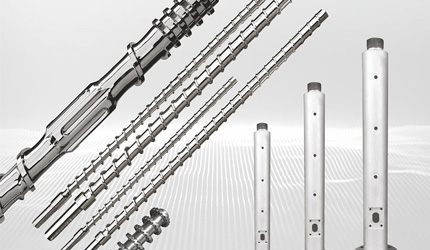
Review feed form, free volume, compression, mixing, venting, metering resistance, and die pressure as one system. Our parallel twin-screw barrel product range is a reference for matched configurations; selection must reflect the machine and formulation.
Barrel Temperature Control and Screw Design Must Work as One Energy System
How Screw-Induced Shear Heat Changes Barrel Heating and Cooling Demand
Barrel set temperature is not the total energy transferred to the polymer. When geometry supplies substantial mechanical energy, viscous dissipation may provide part of the melting heat. Heater output may fall while cooling demand rises if melt temperature exceeds the desired window. A low-shear arrangement may require more external heating.
Measure actual melt temperature and stability, not heater wattage alone. Higher friction can increase mechanical load and local heat generation.
Related geometry considerations are summarized in this parallel twin-screw and barrel design guide.
Why Stable Melt Temperature Matters More Than Simply Reducing Heater Power
The process needs stable viscosity, complete fusion, required dispersion, and no avoidable degradation. Reducing heater power alone can leave polymer under-melted or create heating and cooling cycles. Review geometry, fill level, compression, barrel zones, and cooling together.
Screw-Barrel Clearance and Surface Precision Affect Long-Term Energy Efficiency
How Wear and Excessive Clearance Increase Energy Losses
Wear changes the geometry used for conveying and pressure generation. As flight edges, screw roots, or barrel bores wear, clearance can grow and efficiency can fall. Operators may compensate with higher speed, more compression, or a slower line, increasing energy per useful kilogram.
Compare current clearance, torque, throughput, melt temperature, pressure, and product quality with an earlier baseline. Also check feed, moisture, formulation, die restriction, heaters, cooling, and drive settings. Treatment should follow the resin, filler, temperature, wear location, and mechanism.
Why Bore Accuracy, Concentricity, and Surface Finish Matter
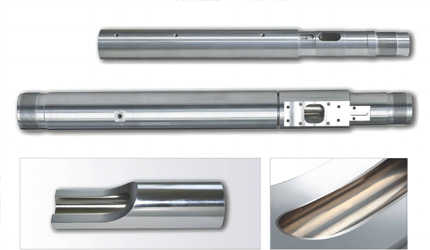
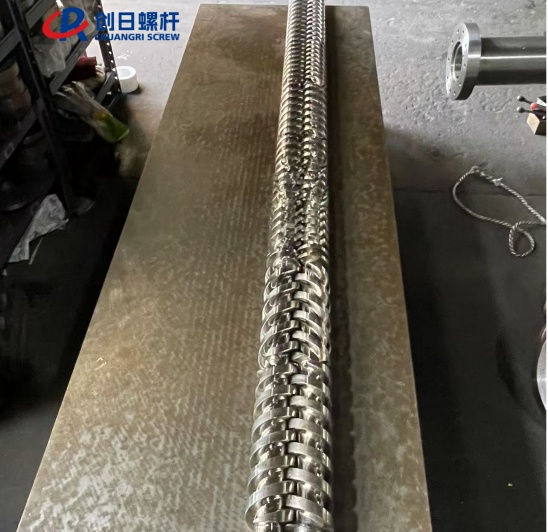
Fit clearance, bore accuracy, concentricity, and surface finish help preserve predictable flow. Inaccurate bores or misalignment can increase restriction and contact risk; poor surface condition can accelerate friction and wear.
Precision machining must recover flight profile, root and channel geometry, surface finish, and dimensional relationships together. Acceptance should include clearance, concentricity, hardness, dimensional accuracy, surface condition, and smooth rotation. CNC turning, thread milling, grinding, polishing, and measurable inspection evidence matter more than a general factory claim. See the bimetallic twin-screw product page for a material reference.
How to Reduce Parallel Screw Barrel Energy Consumption Without Sacrificing Output
Use process data to locate the design-related source before changing speed or temperature:
|
Energy problem |
Possible screw/barrel design issue |
Design direction |
|
High motor load at normal throughput |
Excessive restriction or an overfilled section |
Review pitch, fill level, compression, and die resistance |
|
Melt temperature rises too quickly |
Excessive shear or compression |
Review mixing and compression geometry |
|
Low kW but poor output |
Poor conveying, unstable feeding, or insufficient fill |
Review feed form, free volume, and downstream pressure |
|
Cooling demand stays unusually high |
Too much mechanical energy becomes heat |
Remove unnecessary shear while preserving dispersion and fusion |
|
Energy per kg rises over service life |
Wear and clearance growth reduce efficiency |
Check clearance, bore condition, concentricity, and wear regions |
The target is minimum necessary energy per kilogram at the required output and quality. Lower energy alone is not an improvement if it causes unmelted material, poor dispersion, unstable pressure, or inconsistent pellets and profiles.
FAQ
Q: How does Parallel Screw Barrel design affect energy consumption in extrusion?
A: It changes how material is filled, conveyed, compressed, mixed, and pressurized. Those conditions affect torque, shear heat, melt temperature, throughput, and kWh/kg for acceptable product.
Q: How can a Parallel Screw Barrel reduce specific energy consumption during extrusion?
A: Match pitch, channel depth, fill level, compression, mixing intensity, L/D, temperature control, and clearance to the formulation and output. Check the result against melt quality and useful product, not motor power alone.
Q: Does a longer L/D ratio in a Parallel Screw Barrel increase energy consumption?
A: Not necessarily. More length can provide processing room, but it can also add residence time, shear, and thermal history. The appropriate L/D depends on formulation, venting, output, and pressure requirements.
Q: Does increasing Parallel Screw Barrel speed always increase energy consumption?
A: Higher speed changes torque, shear, throughput, melt temperature, and cooling demand, but the net kWh/kg result depends on the operating point and product quality. Evaluate it with matched process data.
Q: Can Parallel Screw Barrel wear increase extrusion energy consumption?
A: Yes. Wear and clearance growth can reduce conveying or pressure efficiency, leading to process corrections and more energy per useful kilogram. Confirm the condition with clearance, dimensional, concentricity, hardness, and product-performance checks.

 consult
 WHATSAPP
 leave message
 top
top