
Injection Molding Screw Types: How to Choose the Right Screw for Your Plastic Material
Related news
-
Best Twin Screw and Barrel for PVC Processing in 2026
-
Injection Molding Screw and Barrel Design Explained: Innovations for 2026
-
Top Injection Molding Screw and Barrel Suppliers 2026
-
Injection Molding Machine Screw Barrel Material Hardness: How to Choose for Maximum Wear Resistance

-
Injection Molding Screw and Barrel Materials: A Complete Selection Guide
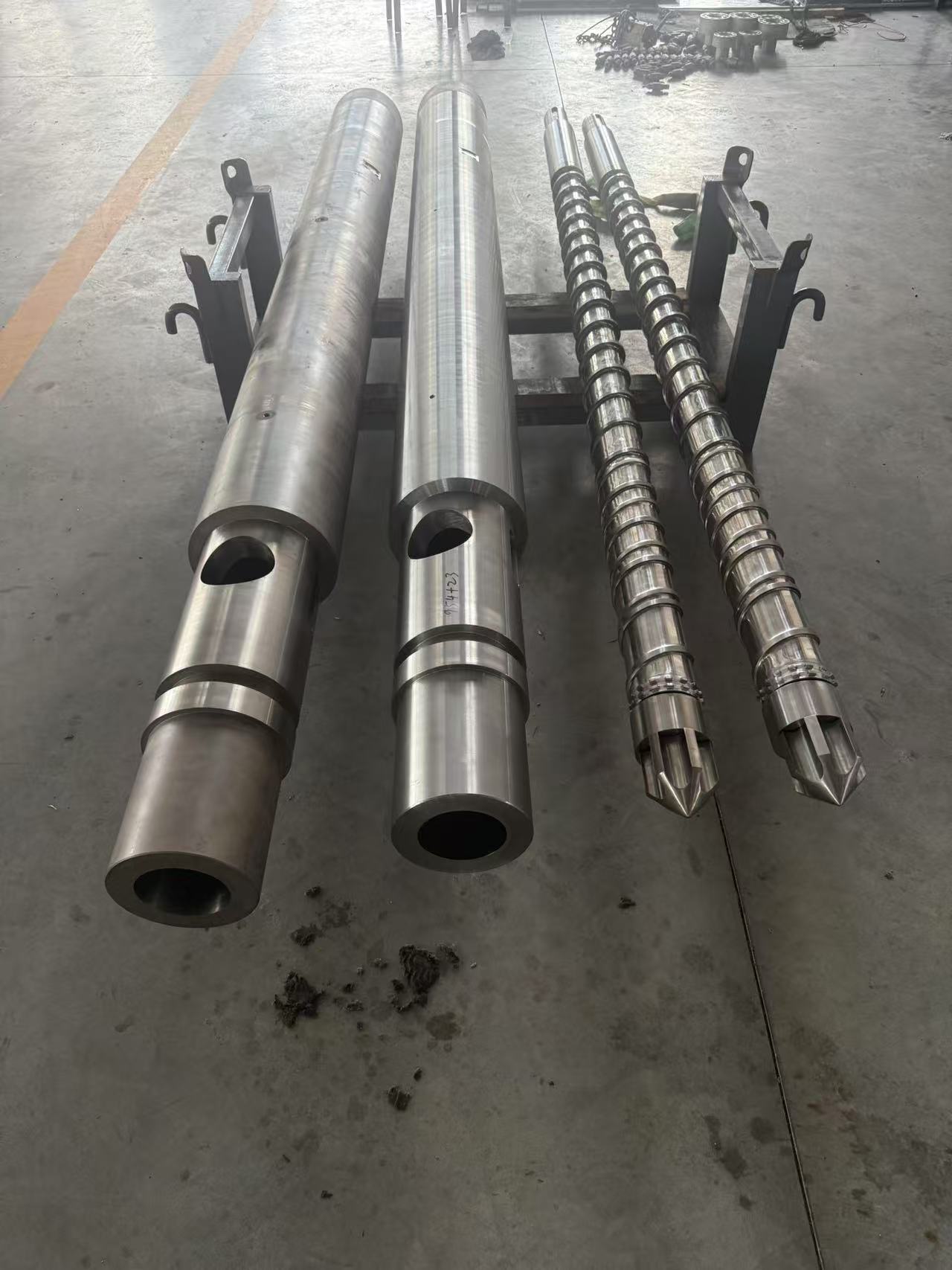
Injection Molding Screw Types: How to Choose the Right Screw for Your Plastic Material


Picking the correct injection molding screw influences melt quality, cycle steadiness, output, surface finish, and ongoing production expenses. Issues like black specks, bubbles, short shots, color streaks, uneven cushion, or varying part weight often link to a screw that fails to suit the plastic material.
Various plastics act in distinct ways within the barrel. PP and PE tend to melt with ease. Engineering resins demand stronger shear and heat management. Glass-filled plastics call for solid wear protection. Reused materials usually require enhanced blending. Knowing injection molding screw types aids molders, machine makers, and buying teams in selecting based on actual processing demands, beyond just machine dimensions.
What Are Injection Molding Screw Types and Why Do They Matter?
An injection molding screw moves pellets, heats resin, blends the polymer, and delivers a steady shot to the mold. While many screws appear alike, their shape, material, surface finish, and wear protection can differ greatly.
|
Screw Zone |
Main Role |
Why It Matters |
|
Feed zone |
Moves solid pellets forward |
Supports stable feeding |
|
Compression zone |
Melts and compresses resin |
Affects shear and melt quality |
|
Metering zone |
Homogenizes and meters melt |
Improves shot consistency |
A suitable screw setup should ensure even melt quality, reliable recovery, managed shear, and extended screw and barrel lifespan. One basic screw might handle common plastics, but it cannot work as well with all resins, fillers, additives, or reused materials.
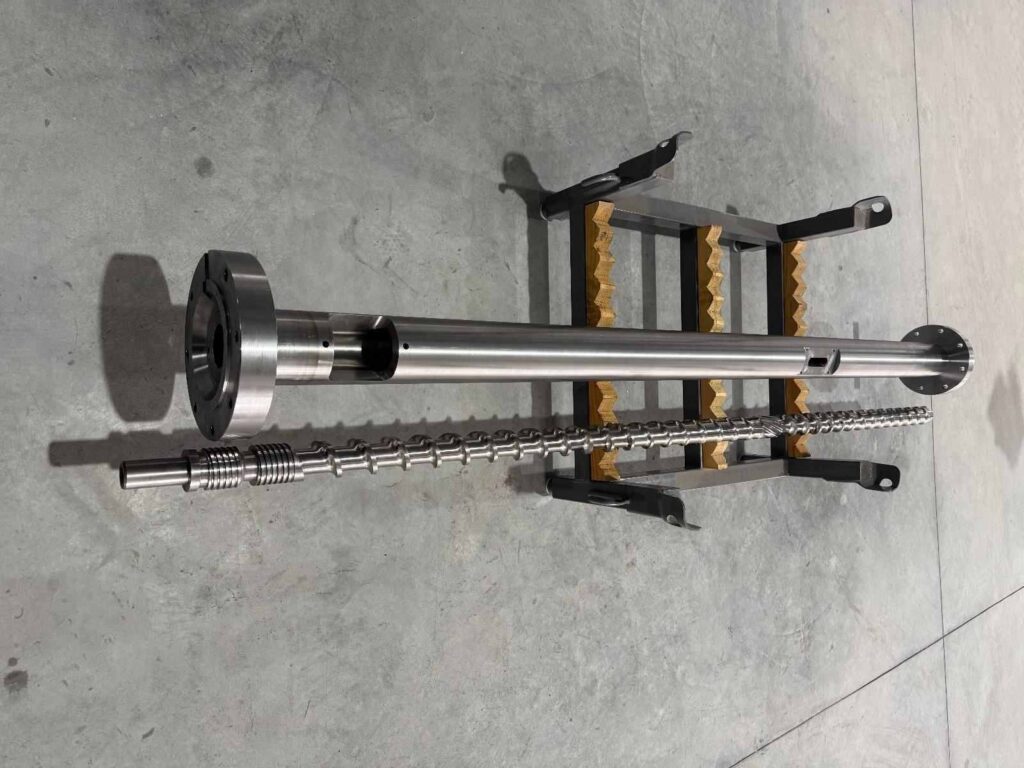
Main Injection Molding Screw Types Used in Plastic Processing
Injection molding screw types address various processing challenges. Some target simple melting, others enhance blending, and certain ones handle gas removal or wear protection.
General-purpose screws for PP, PE, ABS, and standard resins
General-purpose screws see wide use for PP, PE, PS, ABS, and other basic plastics. They often feature a three-zone layout and provide a sensible mix of cost, adaptability, and steady processing.
They perform nicely for numerous packaging items, toys, home goods, and typical molded pieces. Yet, they might not suit glass-filled plastics, engineering resins, or reused materials.
Barrier and mixing screws for better plasticization
Barrier screws keep unmelted solids apart from liquid plastic. This boosts melting speed and cuts down on solid bits. They prove helpful when users seek stronger plasticization or greater output reliability.
Mixing screws aid in spreading colorants, additives, and reused resin more uniformly. They commonly help lessen color streaks, better masterbatch spread, and steady reused plastic injection molding.
Vented screws for moisture and gas removal
Vented screws assist in clearing moisture, stuck gas, or vapor items during plasticizing. They can lower bubbles, gaps, silver streaks, and surface flaws. Users must pair this type closely with barrel setup and processing setup.
Bimetallic and coated screws for wear resistance
Rough or harsh plastics can harm standard screws quickly. Mixes with glass fiber, mineral fillers, flame retardants, or harsh additives might wear screw edges and widen barrel gaps.
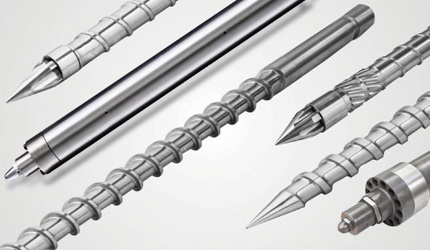
A Bimetallic Injection Molding Screw fits rough molding settings since it aids in keeping screw shape and melt steadiness over time. A Coated Injection Molding Screw can enhance surface evenness, rust protection, and material flow in tough spots.
How to Choose the Right Injection Molding Screw for Your Plastic Material
Selecting the top injection molding screw starts with the resin. Before picking, think about the key material, filler level, reused amount, heat sensitivity, and blending needs.
Best injection molding screw for standard plastics
For PP, PE, ABS, and PS, a general-purpose screw or Nitrided Injection Molding Screw tends to work well. Nitriding boosts surface toughness and wear protection, which makes it apt for many basic molding conditions.
Screw design tips for engineering resins
Engineering resins like PC, PA, PET, and POM need tighter control over shear, stay time, and melt heat. A bad screw match can lead to color changes, black specks, uneven flow, or weaker part results.
Users should check the compression ratio, surface finish, metering reliability, and rust or wear protection prior to choosing a screw.
Wear-resistant screw options for glass-filled plastics
Glass-filled plastics prove quite rough. If users pick a standard screw, the screw edges could wear fast. This leads to bigger gaps, uneven shot size, longer recovery, and reduced plasticizing speed.
For heavy wear, a Solid Carbide Screw offers a firmer guard and longer use time. This matters especially when stops and frequent swaps bring high unseen costs.
Choosing screws for recycled plastic injection molding
Reused plastics can differ in melt flow, color, moisture, dirt level, and heat past. A screw with solid blending power can cut color shifts, solid bits, and batch unevenness.
For recycled plastic injection molding, the screw ought to ensure steady feeding and melt evenness. A tailored screw setup often does better than a basic replacement screw.
Key Injection Molding Screw Design Factors to Compare
When looking at injection molding screw types, avoid picking solely by size or cost. A solid screw should fit the machine, resin, and production aim.
|
Factor |
What to Check |
|
Screw diameter |
Machine size and required shot weight |
|
Shot size |
Residence time and plasticizing capacity |
|
L/D ratio |
Feeding, melting, and metering length |
|
Compression ratio |
Melting efficiency and shear control |
|
Screw tip and check ring |
Backflow prevention and shot consistency |
|
Barrel clearance |
Recovery stability and plasticizing performance |
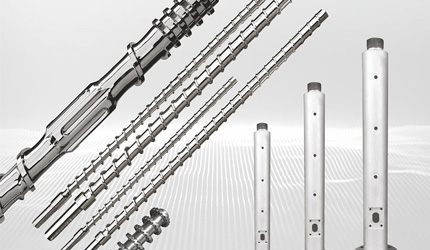
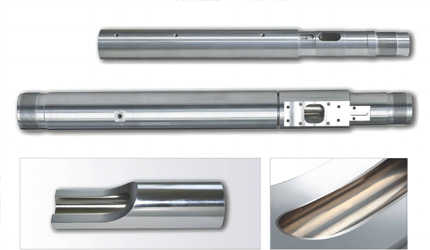
Users should view a screw and barrel as a set. A fresh screw placed in a worn barrel might still lead to backflow, weak recovery, uneven cushion, or varying part weight.
Injection Molding Screw Materials and Surface Treatments
Screw material and surface finish set resistance to wear, rust, and heat.
Nitrided screws for general-purpose molding
A nitrided injection molding screw gives better surface toughness and wear protection for usual plastics such as PP, PE, and ABS. It serves as a budget-friendly choice for general-purpose injection molding.
Bimetallic and solid carbide screws for longer service life
A bimetallic injection molding screw suits rough plastics and higher-wear settings. It aids in holding screw performance for a longer span.
A Solid Carbide screw fits extreme wear spots, including glass-filled plastics and tough engineering materials.
Chrome-plated and coated screws for corrosion resistance
A coated injection molding screw helps when rust protection, surface evenness, or material release counts. Coating picks can cut sticking and boost strength in high-heat or harsh molding spots.
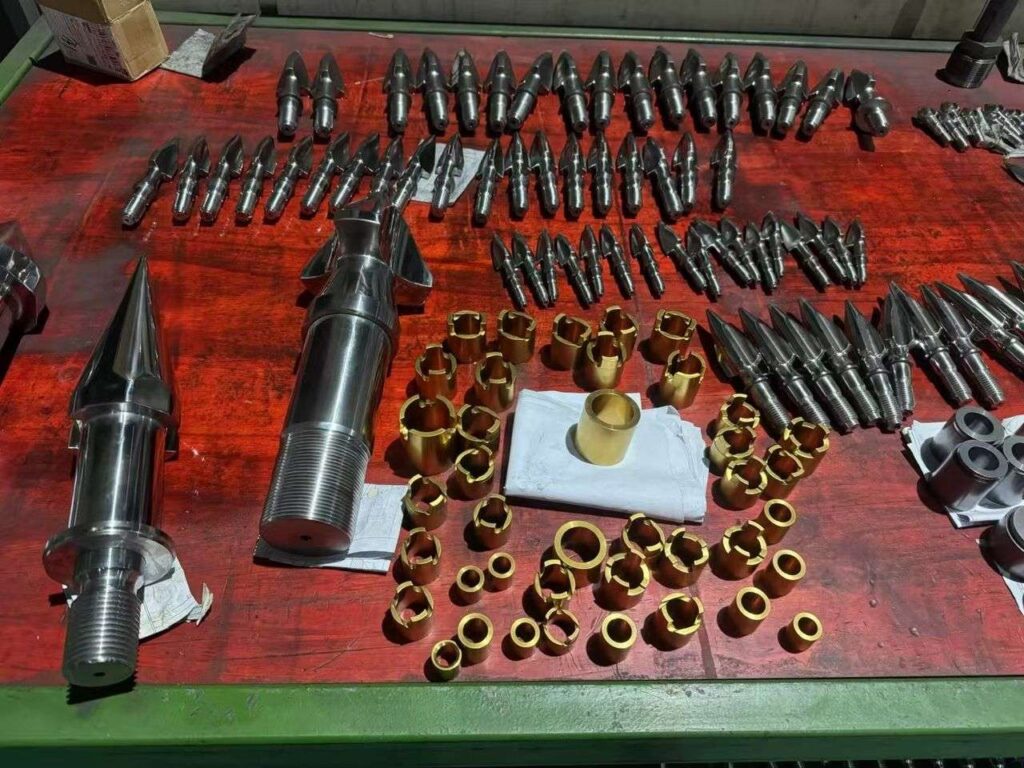
Common Injection Molding Screw Selection Mistakes to Avoid
Many users select a screw only after quality issues arise. Usual errors cover:
- Using one general-purpose screw for every plastic material
- Ignoring glass fiber, mineral fillers, and abrasive additives
- Selecting only by screw diameter instead of resin behavior
- Replacing the screw without checking barrel wear
- Choosing a low initial cost while ignoring downtime and service life
- Overlooking mixing needs for recycled resin or color masterbatch
The screw acts as more than a spare item. It functions as a process part that guides how plastic turns into a steady, mold-ready melt.
Why Choose CHUANGRI SCREW for Custom Injection Molding Screw Solutions
At CHUANGRI SCREW, we assist clients in picking screw and barrel options based on plastic material, machine state, filler level, output goal, and part quality demands. We target fixing the processing issue tied to the screw pick.
For basic plastics, we suggest affordable nitrided options. For glass-filled or rough materials, we offer bimetallic or solid carbide choices. For harsh or high-heat conditions, we offer back-coated screw options. This lets clients weigh cost, wear protection, rust guard, and molding results.
Our tailored screw and barrel setup supports PP, PE, ABS, engineering plastics, reused materials, and glass-filled resins. By changing screw build, material, and surface finish, we aid in boosting plasticizing results, blending quality, and production reliability.
We also stress exact making and screw-barrel match control. Cutting precision, surface finish, heat work, and checks all play a role. This is because even a fine screw setup cannot work right if the gap or size match falls short.
FAQ
Q: What are the main injection molding screw types?
A: The main injection molding screw types include general-purpose screws, barrier screws, mixing screws, vented screws, bimetallic screws, coated screws, and solid carbide screws. Each type is designed for different plastic materials, melt quality needs, and wear conditions.
Q: Which injection molding screw type is best for PP, PE, and ABS?
A: For PP, PE, and ABS, a general-purpose screw or nitrided screw is often suitable. If the process needs better color mixing, faster plasticizing, or higher output stability, a customized screw design may be better.
Q: What injection molding screw type should I use for glass-filled plastics?
A: For glass-filled plastics, wear-resistant options such as bimetallic screws or solid carbide screws are recommended. Glass fiber can quickly wear standard screw flights and increase barrel clearance.
Q: How do injection molding screw types affect melt quality?
A: Injection molding screw types affect how resin is conveyed, melted, mixed, and metered. The right screw improves melt uniformity, reduces unmelted particles, controls shear heat, and supports consistent part quality.
Q: When should I replace or customize an injection molding screw?
A: Consider replacement or customization when you see unstable shot weight, longer recovery time, poor color mixing, black specks, excessive wear, lower output, or defects caused by inconsistent melting.

 consult
 WHATSAPP
 leave message
 top
top